
30%-75% PCR PE Film-Sustainable Packaging Solution by DSLPACK
PCR PE Film has emerged as a revolutionary material in the packaging industry, offering a balance between environmental sustainability and functional performance. As global demand for eco-friendly solutions grows, DSLPACK has positioned itself as a leader in providing high-quality 30%-75% PCR PE Film that meets rigorous standards for food safety and durability. This article explores the features, advantages, technical specifications, and applications of this innovative product, while also highlighting the company's commitment to quality and innovation.
Understanding PCR PE Film: A Sustainable Alternative
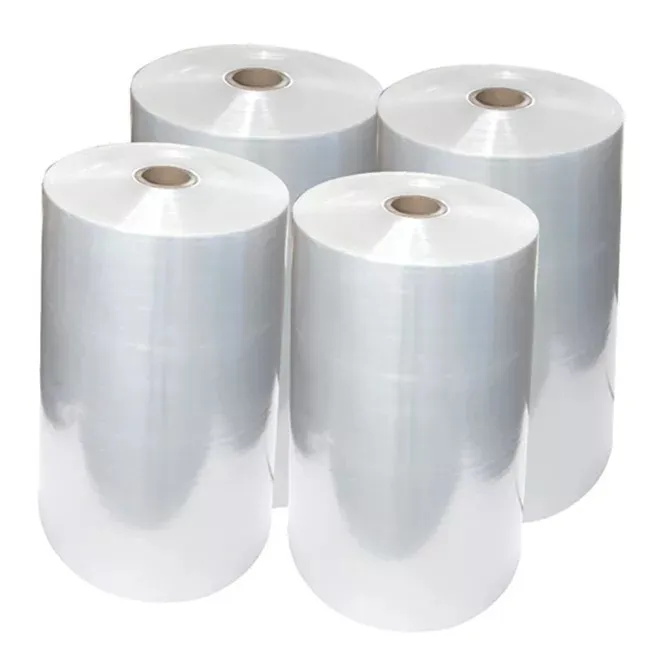
Polyethylene (PE) film made from post-consumer recycled (PCR) plastic is a game-changer for industries seeking to reduce their carbon footprint. Unlike traditional virgin plastics, PCR PE Film incorporates recycled materials, significantly lowering energy consumption and waste. The 30%-75% PCR content in this product ensures that it maintains the structural integrity and performance of conventional PE films while contributing to a circular economy.
One of the standout features of this PCR PE Film is its compliance with EU and FDA standards, making it ideal for food-grade applications. This certification guarantees that the material is safe for direct contact with food products, addressing critical concerns in the food packaging sector. For more information, visit DSLPACK's product page.
Key Features of 30%-75% PCR PE Film
1. High PCR Content with Excellent Performance
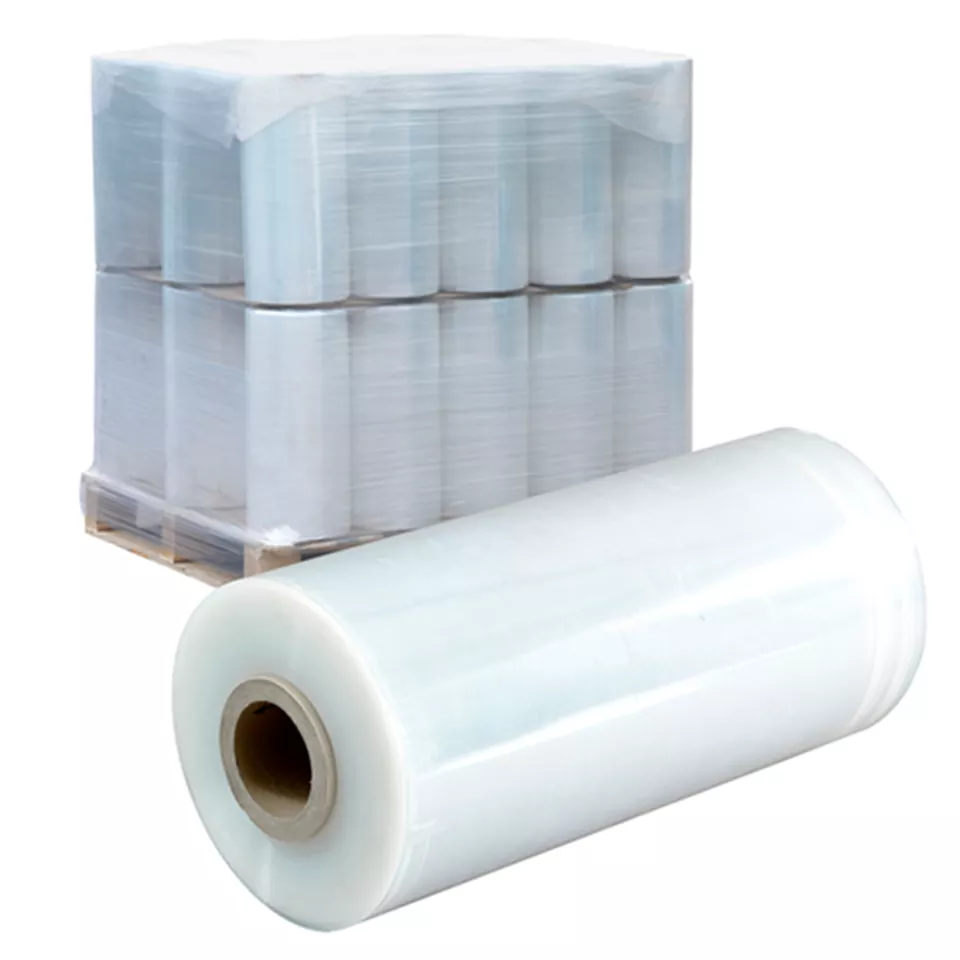
The 30%-75% PCR PE Film is engineered to deliver optimal performance despite its high recycled content. It retains the flexibility, tensile strength, and moisture resistance of virgin PE, making it suitable for a wide range of applications. This balance is achieved through advanced polymer blending techniques, ensuring that the film meets the demands of modern packaging requirements.
2. Food-Grade Compliance for Safe Use
As a food-safe material, this PE film is free from harmful chemicals and contaminants. It undergoes rigorous testing to ensure compliance with EU Regulation (EC) No 10/2011 and FDA 21 CFR 177.1520, which govern the safety of food contact materials. This makes it an ideal choice for packaging perishable goods, snacks, and processed foods.
3. Customizable Size and Thickness
DSLPACK offers custom size options to cater to specific industry needs. Whether it's for small-scale operations or large-volume production, the film can be tailored to fit different machinery and packaging requirements. This flexibility enhances its appeal across sectors such as retail, logistics, and manufacturing
Advantages of Choosing PCR PE Film
1. Environmental Sustainability
The use of PCR PE Film directly reduces the demand for virgin plastic, conserving natural resources and minimizing landfill waste. According to the National Institute of Standards and Technology (NIST), recycling plastic can lower greenhouse gas emissions by up to 70% compared to producing new materials. This aligns with global efforts to combat climate change and promote circular economy principles.
2. Cost-Effective Solution
While the environmental benefits are significant, the 30%-75% PCR PE Film also offers economic advantages. The lower cost of recycled materials, combined with the film's durability, reduces long-term expenses for manufacturers. Additionally, the ability to customize sizes minimizes material waste, further enhancing cost efficiency.
3. Versatile Applications
This PE film is not limited to food packaging. It is also used in protective film applications, such as wrapping electronics, laminating documents, and protecting surfaces during transportation. Its multilayer structure (as seen in PA EVOH PE multilayer film) provides additional barriers against oxygen, moisture, and microorganisms, extending the shelf life of packaged goods.
Technical Specifications Table
| Parameter | Details |
|---|---|
| Material | PE (Polyethylene) with 30%-75% PCR content |
| Compliance | EU Regulation (EC) No 10/2011, FDA 21 CFR 177.1520 |
| Thickness | Customizable (varies by application) |
| Size | Custom size options available |
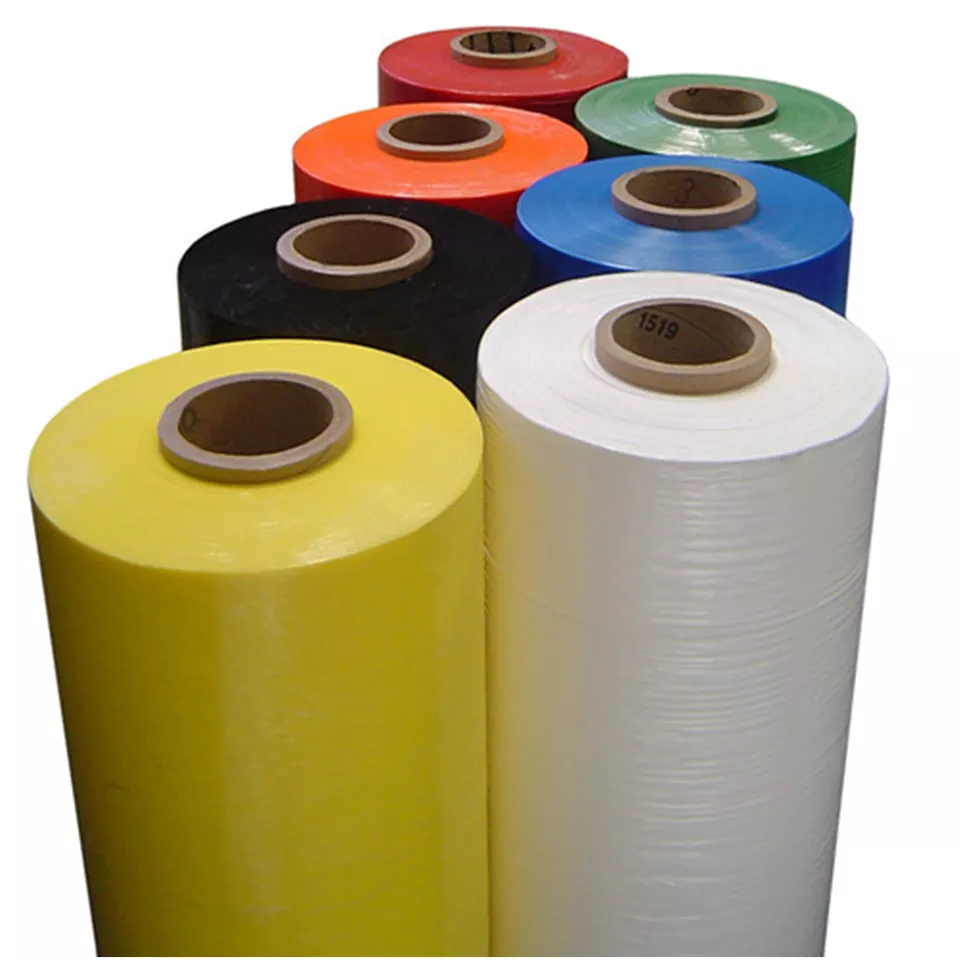
| Color | Clear or as per customer specifications |
| Shrinkage Rate | Varies with temperature; optimized for industrial use |
Application Scenarios for PCR PE Film
1. Food Packaging Industry
The 30%-75% PCR PE Film is widely used in food packaging to wrap fresh produce, meat, and dairy products. Its transparent nature allows consumers to view the product, while its moisture-resistant properties prevent spoilage. For example, DSLPACK's PE shrink film is a popular choice for retail packaging due to its ability to conform to irregular shapes.
2. Protective Film for Industrial Use
Industries such as automotive and electronics rely on PE protective film to safeguard products during transportation and storage. The PA EVOH PE multilayer film offers enhanced barrier properties, protecting sensitive components from dust, humidity, and physical damage.
3. Sustainable Packaging for E-commerce
With the rise of e-commerce, the demand for eco-friendly packaging has surged. The 30%-75% PCR PE Film provides a sustainable alternative to traditional plastic films, reducing the environmental impact of online shopping. Its customizable size ensures a perfect fit for boxes, packages, and shipping container111s.
About DSLPACK: A Trusted Name in Sustainable Packaging
DSLPACK, established as 佛山市敦尚贸易有限公司, has been a pioneer in the packaging industry for over a decade. Based in China, the company specializes in recycled plastic films and custom packaging solutions. With a focus on innovation and environmental responsibility, DSLPACK has earned a reputation for delivering high-quality products that meet international standards.
The company's commitment to sustainability is evident in its product development and supply chain practices. By prioritizing recycled materials and energy-efficient manufacturing, DSLPACK contributes to a greener future. For more details about the company's mission and values, visit DSLPACK's official website.
Conclusion: Embracing the Future of Packaging
The 30%-75% PCR PE Film by DSLPACK represents a significant step forward in the packaging industry. By combining environmental sustainability with functional performance, this product addresses the growing need for eco-conscious solutions. Whether used in food packaging, protective films, or e-commerce logistics, the PCR PE Film offers a reliable and cost-effective alternative to traditional plastics.
As the demand for sustainable materials continues to rise, DSLPACK is well-positioned to lead the way with its innovative products and commitment to quality. By choosing PCR PE Film, businesses can reduce their carbon footprint while maintaining high standards of safety and efficiency.
References
1. NIST Standards for Food Safety
The National Institute of Standards and Technology (NIST) plays a critical role in developing standards for food safety and material compliance. According to NIST, "Standards ensure that materials used in food packaging meet the necessary safety requirements to protect consumers" (NIST Official Website).
2. Environmental Impact of Recycled Plastics
Research by NIST highlights the environmental benefits of recycled plastics, stating that "Recycling reduces energy consumption and greenhouse gas emissions, contributing to a more sustainable future" (NIST Official Website).
3. FDA Regulations for Food Contact Materials
The U.S. Food and Drug Administration (FDA) regulates materials used in food packaging to ensure they are safe for consumer use. For more information, visit FDA's official website.



- No. 6 Hefu Road, Hengjiang Industrial Zone, Gaoming District, Foshan, Guangdong Province,China
- Tel: 86-133 3649 8096
- Email:enid@bc-pak.com
-


