- Afrikaans
- Albanian
- Amharic
- Arabic
- Armenian
- Azerbaijani
- Basque
- Belarusian
- Bengali
- Bosnian
- Bulgarian
- Catalan
- Cebuano
- chinese_simplified
- chinese_traditional
- Corsican
- Croatian
- Czech
- Danish
- Dutch
- English
- Esperanto
- Estonian
- Finnish
- French
- Frisian
- Galician
- Georgian
- German
- Greek
- Gujarati
- haitian_creole
- hausa
- hawaiian
- Hebrew
- Hindi
- Miao
- Hungarian
- Icelandic
- igbo
- Indonesian
- irish
- Italian
- Japanese
- Javanese
- Kannada
- kazakh
- Khmer
- Rwandese
- Korean
- Kurdish
- Kyrgyz
- Lao
- Latin
- Latvian
- Lithuanian
- Luxembourgish
- Macedonian
- Malgashi
- Malay
- Malayalam
- Maltese
- Maori
- Marathi
- Mongolian
- Myanmar
- Nepali
- Norwegian
- Norwegian
- Occitan
- Pashto
- Persian
- Polish
- Portuguese
- Punjabi
- Romanian
- Russian
- Samoan
- scottish-gaelic
- Serbian
- Sesotho
- Shona
- Sindhi
- Sinhala
- Slovak
- Slovenian
- Somali
- Spanish
- Sundanese
- Swahili
- Swedish
- Tagalog
- Tajik
- Tamil
- Tatar
- Telugu
- Thai
- Turkish
- Turkmen
- Ukrainian
- Urdu
- Uighur
- Uzbek
- Vietnamese
- Welsh
- Bantu
- Yiddish
- Yoruba
- Zulu

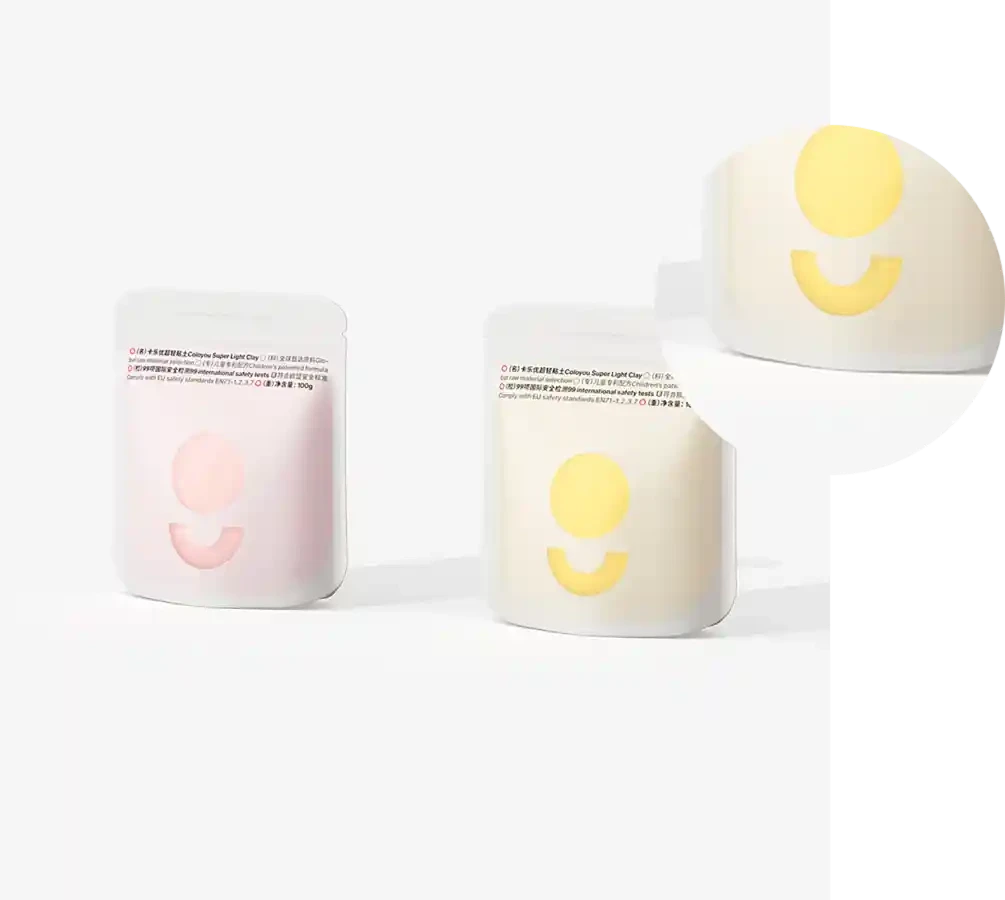
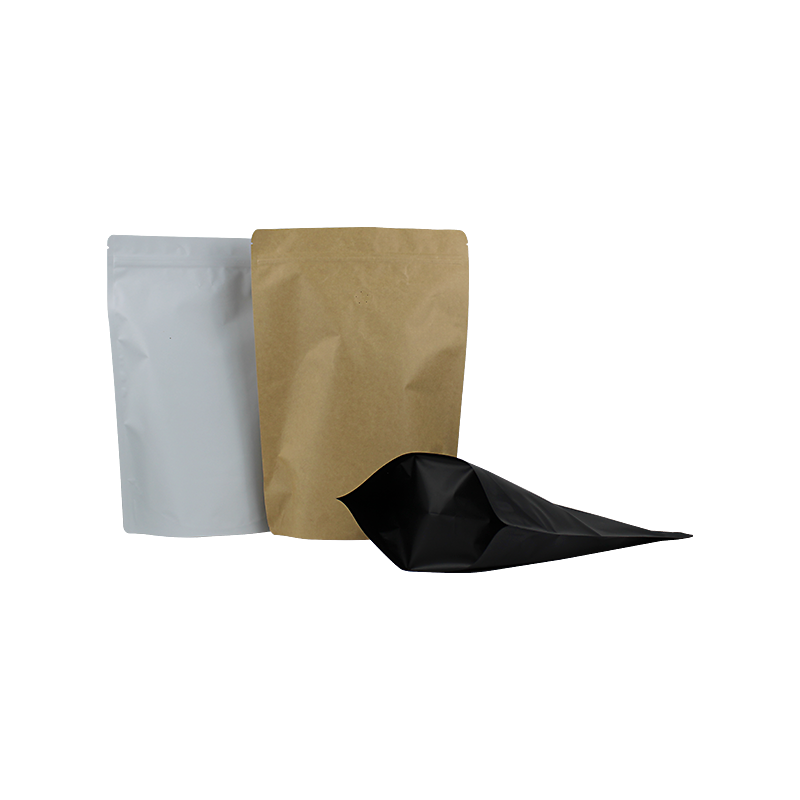
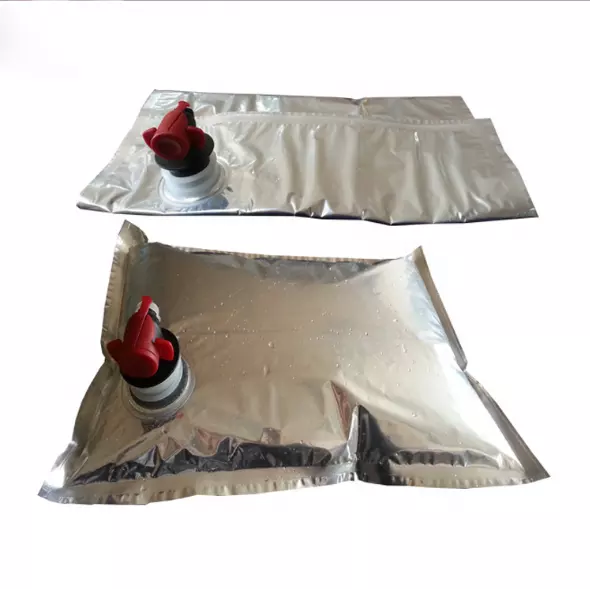
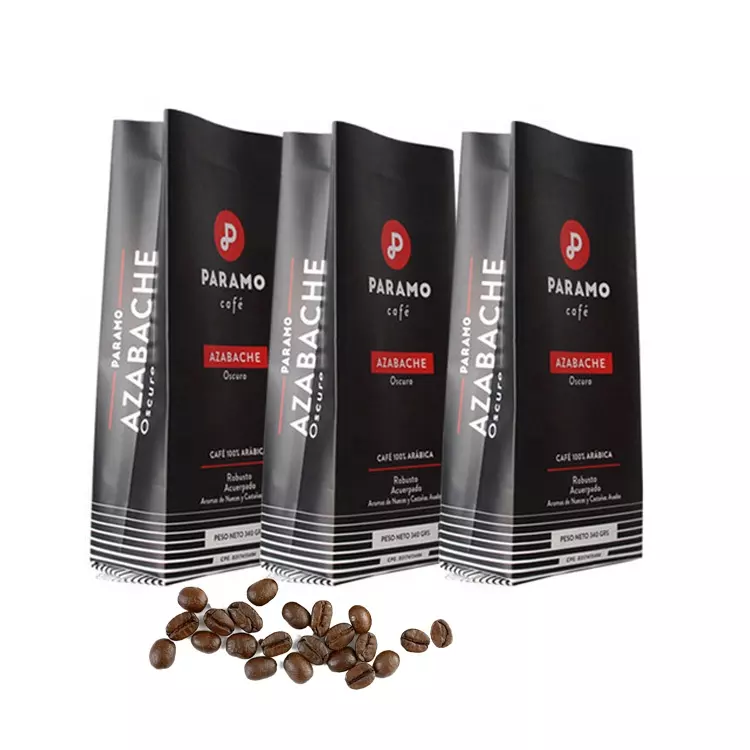
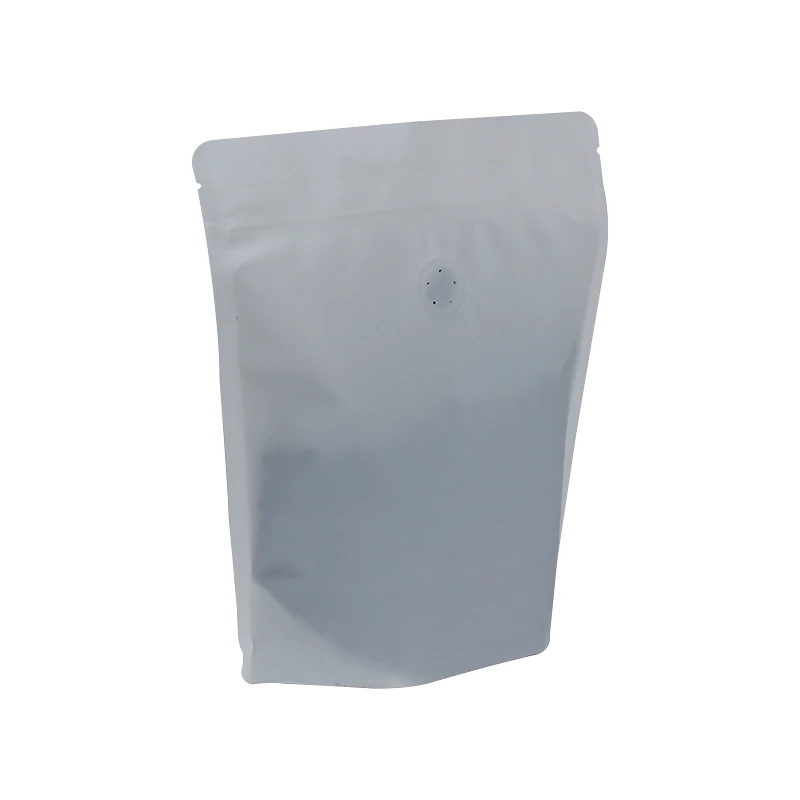
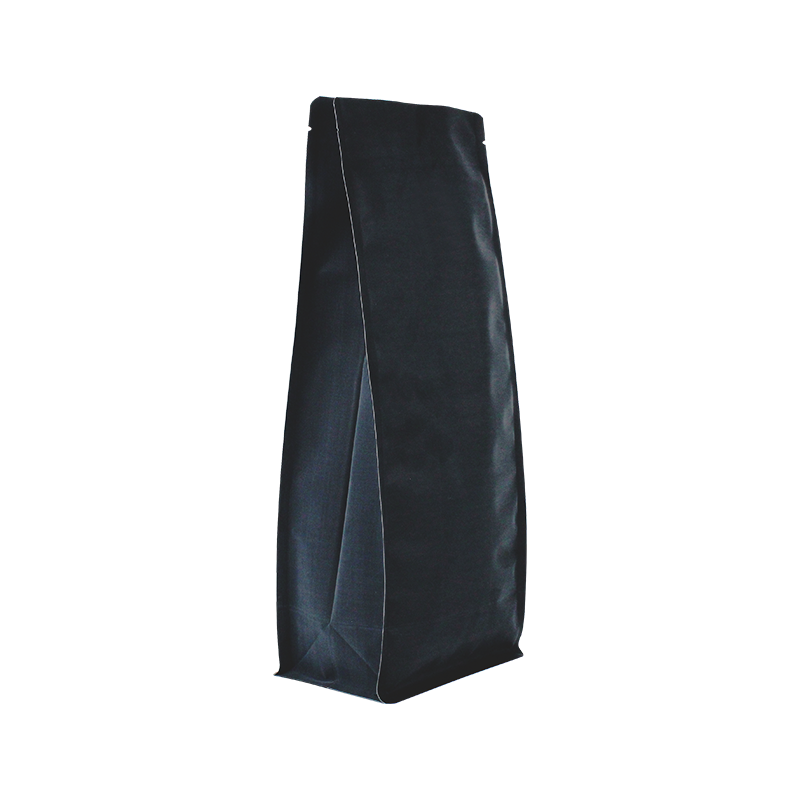
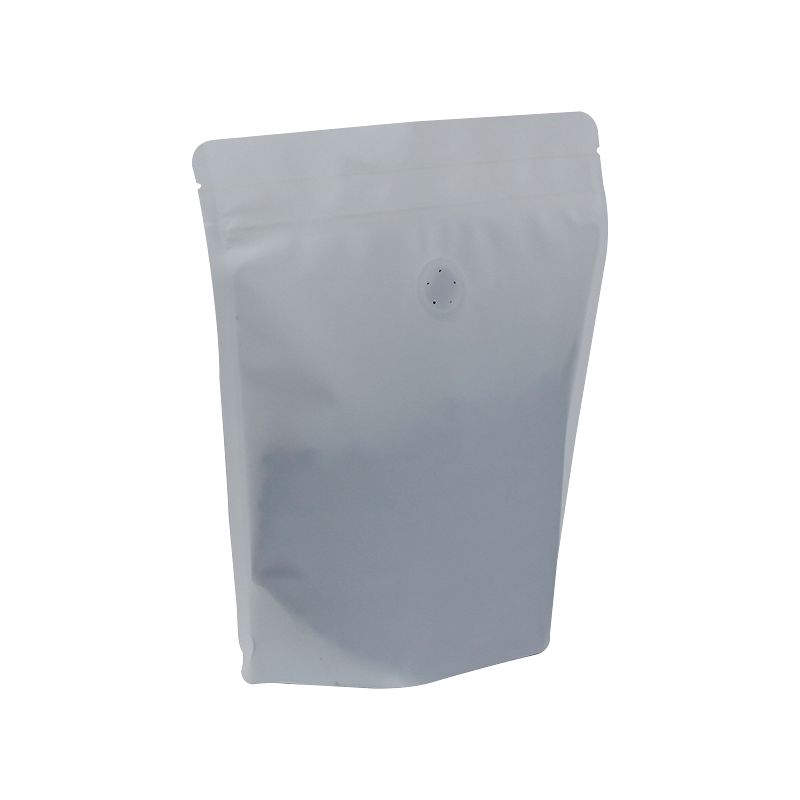
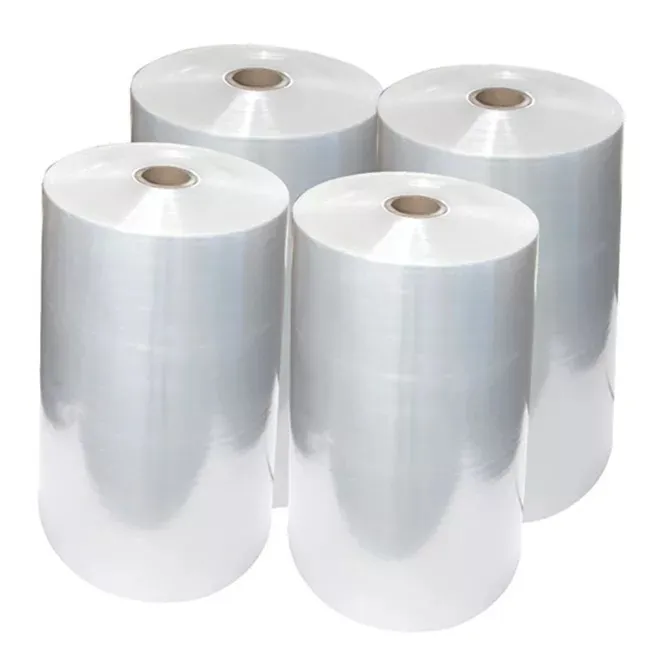
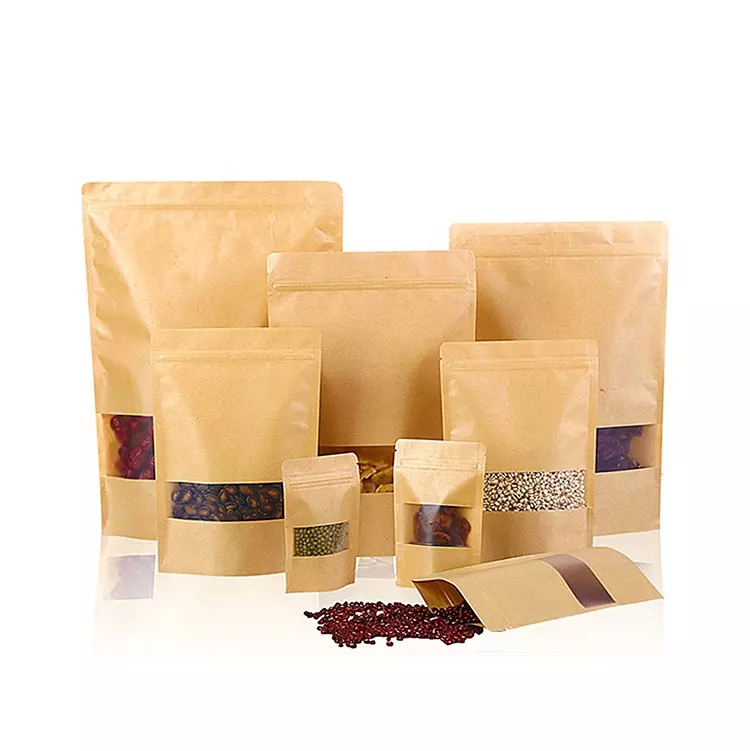
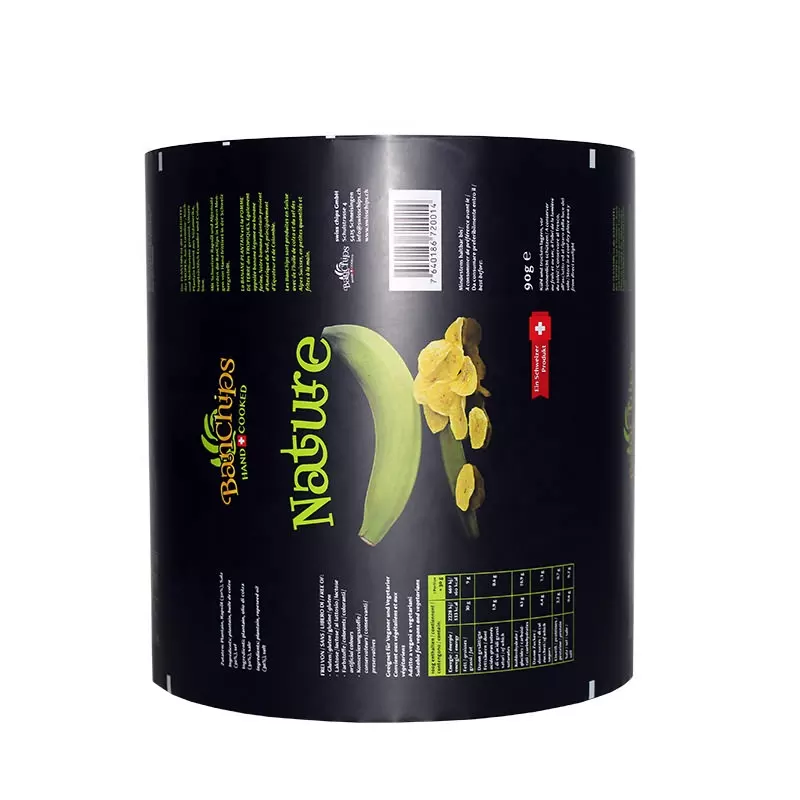

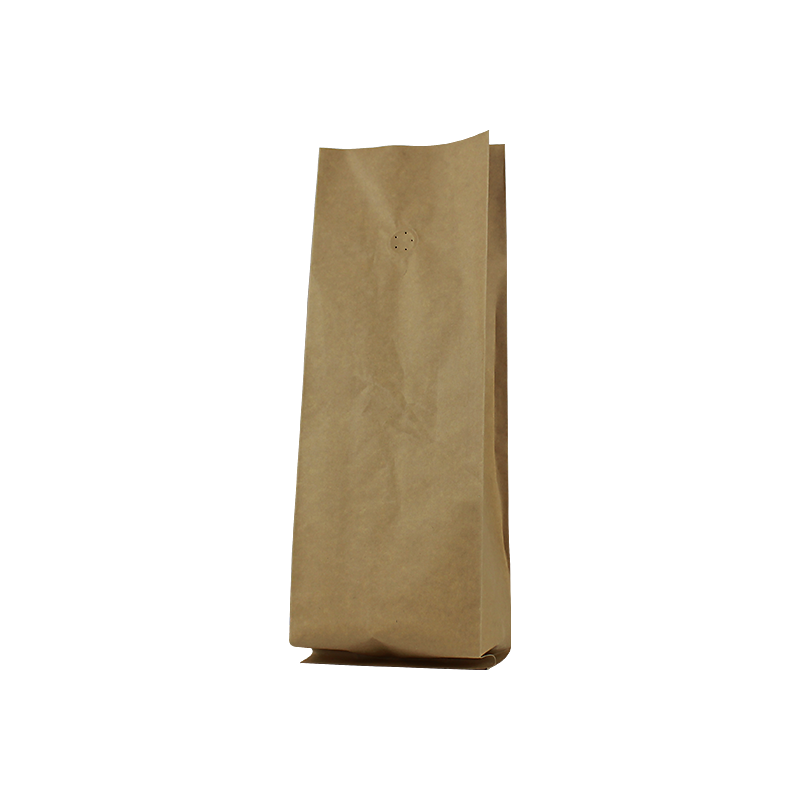
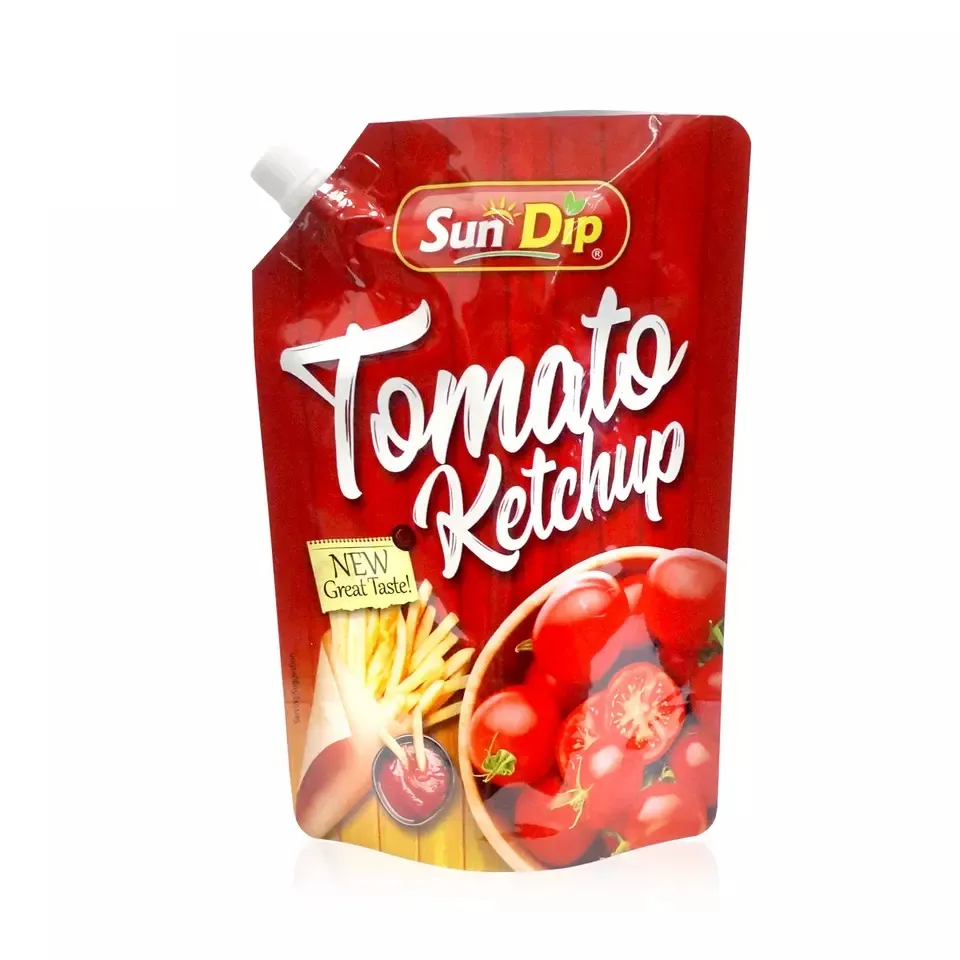

30%-75% Recycled (PCR) Packaging
30% PCR Content PE Film is a type of polyethylene (PE) film made from 30% post-consumer recycled (PCR) plastic. This eco-friendly packaging material is designed to reduce environmental impact by utilizing recycled plastics, helping to close the recycling loop and reduce the reliance on virgin plastic materials. PCR content PE film is increasingly used in packaging for various consumer goods, food products, and industrial applications.
Key Features:
1. Sustainable and Environmentally Friendly:
The incorporation of 30% PCR content reduces the amount of virgin plastic used, decreasing the demand for fossil fuel-based resources and contributing to waste reduction. This makes it a more sustainable alternative to traditional polyethylene films.
2. Durability and Strength:
Despite containing recycled materials, 30% PCR content PE film retains the durability, flexibility, and strength that polyethylene is known for. It provides excellent protection for products from moisture, dirt, and physical damage during transport and storage.
3. Lightweight and Versatile:
This PE film is lightweight yet strong, offering excellent stretch and tear resistance. It is highly versatile, suitable for use in wraps, pouches, bags, and shrink films, among other packaging formats.
4. Food-Safe:
30% PCR content PE film is suitable for food packaging applications, as it complies with food safety regulations and can be used for packaging snacks, fresh produce, frozen goods, and more. The material can also be used in medical and pharmaceutical packaging, ensuring that it meets hygiene standards.
5. Recyclable:
The film is 100% recyclable, meaning it can be processed and reused in future production cycles. This makes it part of a circular economy, where the material can be continually recycled and repurposed.
6. Customizable:
30% PCR content PE film can be customized with printed designs, logos, and other branding elements, offering a sustainable solution without compromising on visual appeal or functionality.
Applications:
Packaging for Food and Beverages: Snacks, ready-to-eat meals, frozen foods, and produce.
Retail Packaging: For consumer goods, personal care products, and household items.
Industrial Use: Protective wraps, shrink films, and pallet covers.
By using 30% PCR content PE film, companies can meet sustainability goals while ensuring that their packaging remains strong, functional, and cost-effective.
What Does PCR Content Mean?
PCR (Post-Consumer Recycled) content refers to the amount of material in a product that has been recycled after it has been used by consumers. This material comes from products that have already been consumed or used, such as plastic bottles, packaging, and other consumer items, which are then collected, processed, and repurposed into new products.
Key Aspects of PCR Content:
1. Source of PCR:
PCR content specifically refers to plastic waste that has been discarded by consumers after its original use. The material is collected through recycling programs, cleaned, and processed into new raw material. This is in contrast to post-industrial recycled (PIR)** content, which comes from manufacturing waste or scraps generated before a product reaches the consumer.
2. Environmental Benefits:
The inclusion of PCR content in products helps reduce the demand for virgin materials (new, non-recycled resources), leading to several environmental benefits:
- Waste Reduction: By reusing consumer waste, PCR content helps divert plastics from landfills and oceans.
- Lower Carbon Footprint: Recycling materials typically requires less energy than producing new materials from raw resources, reducing carbon emissions.
- Resource Conservation: Using recycled content reduces the need for extracting raw materials like petroleum, which is a non-renewable resource.
3. Product Types with PCR:
PCR content is commonly used in products like plastic packaging, bottles, containers, textiles, and construction materials. Many companies are adopting PCR materials to enhance sustainability and meet increasing consumer demand for eco-friendly products.
4. Recycling Challenges:
While PCR content offers environmental benefits, it also presents challenges in quality and supply. The recycling process can sometimes degrade the material, meaning products made with PCR content may not always have the same properties as those made from virgin materials. However, advancements in recycling technologies are continually improving the quality and efficiency of recycled materials.
Conclusion:
PCR content in products is an important part of the circular economy, where materials are reused and repurposed, reducing waste and environmental impact. By incorporating PCR content, manufacturers contribute to a more sustainable future and help reduce the harmful effects of plastic pollution.
What Is PE PCR?
PE PCR (Polyethylene Post-Consumer Recycled)** refers to polyethylene plastic material that has been sourced from post-consumer recycling streams. Essentially, PE PCR is made from recycled polyethylene plastics that have already been used and discarded by consumers. These plastics are collected through recycling programs, processed, and repurposed into new polyethylene products. PE PCR is a significant part of efforts to reduce plastic waste and enhance the sustainability of plastic packaging and products.
Key Features of PE PCR:
1. Source of Material:
PE PCR is derived from polyethylene products that have been consumed by individuals, such as plastic bottles, bags, packaging materials, and other plastic items. After use, these plastics are collected, cleaned, and processed through recycling systems to create new raw material.
2. Environmental Impact:
Using PE PCR in manufacturing products helps to reduce environmental impact by:
Reducing Plastic Waste: Recycling post-consumer polyethylene keeps plastic out of landfills and reduces plastic pollution in oceans and other ecosystems.
Conserving Resources: By reusing existing plastic, there is less need for virgin plastic production, which often involves the extraction of non-renewable resources like petroleum.
Lower Carbon Emissions: Recycling generally requires less energy compared to producing plastic from raw materials, thus helping to lower greenhouse gas emissions.
3. Recycled PE Types:
PE PCR can come in various forms, including low-density polyethylene (LDPE)** and high-density polyethylene (HDPE). These are the two primary types of polyethylene commonly used in packaging and consumer goods.
4. Applications:
PE PCR is widely used in plastic packaging for food, beverages, household goods, and personal care products. It is also used in **industrial applications, such as construction materials, pipes, and other plastic-based products. With advancements in recycling technologies, PE PCR can now meet quality standards and be used in a variety of applications while contributing to environmental sustainability.
5. Quality Considerations:
While PE PCR helps in reducing waste, the quality of recycled polyethylene can vary depending on the source material. However, improvements in sorting, cleaning, and processing have enabled higher-quality recycled polyethylene that is safe and effective for consumer product use.
Conclusion:
PE PCR is a key element in the move towards a circular economy, where materials are reused and recycled to minimize waste and reduce the environmental impact of plastic. By using PE PCR, manufacturers can help conserve natural resources and reduce plastic pollution while offering products made with more sustainable materials.


- No. 6 Hefu Road, Hengjiang Industrial Zone, Gaoming District, Foshan, Guangdong Province,China
- Tel: 86-133 3649 8096
- Email:enid@bc-pak.com
-


 English
  Afrikaans
  Albanian
  Amharic
  Arabic
  Armenian
  Azerbaijani
  Basque
  Belarusian
  Bengali
  Bosnian
  Bulgarian
  Catalan
  Cebuano
  China
China  China (Taiwan)
  Corsican
  Croatian
  Czech
Czech  Danish
  Dutch
Dutch  Esperanto
  Estonian
  Finnish
  French
  Frisian
  Galician
  Georgian
  German
  Greek
Greek  Gujarati
  Haitian Creole
  Hausa
Hausa  Hawaiian
  Hebrew
  Hindi
Hindi  Miao
Miao  Hungarian
  Icelandic
  Igbo
Igbo  Indonesian
  Irish
Irish  Italian
  Japanese
  Javanese
  Kannada
  Kazakh
  Khmer
Khmer  Rwandese
  Korean
  Kurdish
  Kyrgyz
  Lao
Lao  Latin
Latin  Latvian
  Lithuanian
  Luxembourgish
  Macedonian
  Malgashi
  Malay
Malay  Malayalam
  Maltese
  Maori
Maori  Marathi
  Mongolian
  Myanmar
  Nepali
  Norwegian
  Norwegian
  Occitan
  Pashto
  Persian
  Polish
  Portuguese
  Punjabi
  Romanian
  Russian
  Samoan
  Scottish Gaelic
  Serbian
  Sesotho
  Shona
Shona  Sindhi
  Sinhala
  Slovak
  Slovenian
  Somali
  Spanish
  Sundanese
  Swahili
  Swedish
  Tagalog
  Tajik
Tajik  Tamil
Tamil  Tatar
Tatar  Telugu
  Thai
Thai  Turkish
  Turkmen
  Ukrainian
  Urdu
Urdu  Uighur
  Uzbek
Uzbek  Vietnamese
  Welsh
Welsh  Bantu
Bantu  Yiddish
  Yoruba
  Zulu
Zulu