
Bulk Coffee Bags with Valve: Freshness, Custom Print
The Crucial Role of Advanced Packaging in the Coffee Industry
In the dynamic world of coffee, packaging transcends mere containment; it is a critical component for preserving freshness, extending shelf life, and communicating brand identity. As consumer demand for specialty coffee escalates and sustainability becomes a core purchasing criterion, the evolution of coffee packaging has accelerated. Leading this innovation are advanced solutions such as bulk coffee bags with valve, which integrate sophisticated technology with environmental responsibility. These bags are not just container111s; they are sophisticated systems designed to manage the delicate chemistry of roasted coffee, ensuring that its aromatic integrity remains uncompromised from the roastery to the cup. The integration of a one-way degassing valve, coupled with multi-layer barrier films, addresses the inherent challenge of CO2 off-gassing while simultaneously preventing oxygen ingress, a primary culprit in coffee degradation.
The shift towards larger volume packaging, alongside specialized options like individual coffee packets in bulk, reflects a nuanced understanding of market needs, catering to diverse distribution channels from large-scale roasters to foodservice providers and e-commerce businesses. Manufacturers are increasingly focusing on materials that offer both superior barrier properties and a reduced environmental footprint, aligning with global efforts towards circular economies. This introductory segment delves into the foundational aspects of modern coffee packaging, setting the stage for a comprehensive exploration of the technical innovations, market trends, and strategic advantages offered by cutting-edge solutions in this vital sector.
Industry Trends Shaping the Future of Coffee Packaging
The landscape of the coffee industry is continually evolving, driven by several key trends that directly influence packaging innovations. A profound shift towards sustainability is paramount, with consumers and businesses alike demanding eco-friendly solutions. This trend has spurred the development of compostable, recyclable, and biodegradable coffee bags, moving away from traditional multi-laminate plastics that are difficult to recycle. For instance, the market for biodegradable packaging is projected to grow significantly, reaching an estimated value of over $11 billion by 2025, underscoring the urgency and investment in this area.
The rapid expansion of the e-commerce sector has also revolutionized distribution models. Online sales necessitate packaging that can withstand the rigors of shipping, protect product integrity over extended transit times, and offer an appealing unboxing experience. This often translates to robust stand-up pouches and gusseted bags that maintain structural stability and protect contents from external elements. Furthermore, the burgeoning specialty coffee market, characterized by its emphasis on single-origin beans, unique roasts, and artisan brands, demands premium packaging that reflects the quality and exclusivity of the product. This segment highly values custom printed coffee bags, allowing brands to tell their story and connect with consumers on a deeper level.
Consumers today are more informed and discerning, placing a high premium on freshness, convenience, and transparency regarding product sourcing and packaging materials. This heightened awareness directly fuels the demand for innovative features like resealable zippers and, crucially, one-way degassing valves in bulk coffee bags with valve. These features directly address the primary challenges of coffee preservation: oxygen exposure and CO2 buildup. The convenience factor is also driving demand for solutions like individual coffee packets in bulk for portion control and ease of use in various settings.
Technological advancements, particularly in material science and printing capabilities, enable manufacturers to create packaging that meets these complex demands without compromising on aesthetics or functional performance. The convergence of these trends—sustainability, e-commerce growth, specialty coffee market expansion, and evolving consumer expectations—is collectively propelling the coffee packaging industry towards more innovative, efficient, and environmentally conscious solutions.
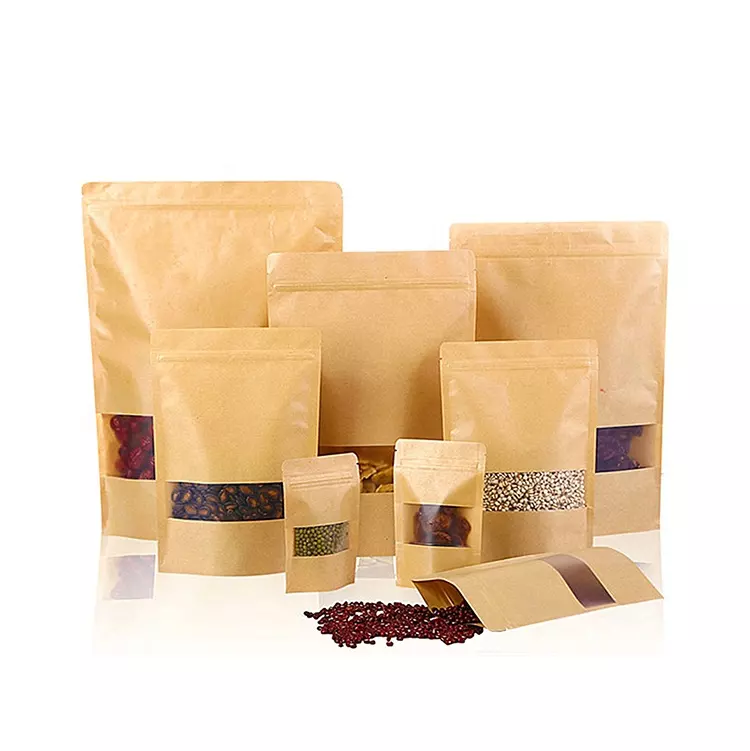
Technical Deep Dive: The Anatomy and Manufacturing of Bulk Coffee Bags with Valve
The design and manufacturing of modern bulk coffee bags with valve represent a sophisticated integration of material science, precision engineering, and quality assurance. Understanding these technical aspects is crucial for businesses aiming to optimize their coffee's freshness and market appeal. At the heart of these bags are multi-layer laminates, meticulously engineered to provide superior barrier properties against external elements.
Materials Science: The Foundation of Freshness
Traditional coffee bags often utilize structures like PET/AL/LLDPE (Polyethylene Terephthalate / Aluminum Foil / Linear Low-Density Polyethylene) or PET/VMPET/LLDPE (Vacuum Metallized PET). Aluminum foil offers exceptional oxygen and moisture barrier, with an Oxygen Transmission Rate (OTR) often below 0.01 cc/m²/day and a Water Vapor Transmission Rate (WVTR) below 0.01 g/m²/day. Metallized films provide a good balance between barrier performance and cost-effectiveness, with OTRs typically ranging from 0.1 to 1.0 cc/m²/day. The LLDPE layer serves as the heat-sealable inner layer, ensuring robust seals. For sustainable options, like DSLPACK's Biodegradable Pouch Bags, materials such as PLA (Polylactic Acid), PBAT (Polybutylene Adipate Terephthalate), or kraft paper combined with bio-based barrier coatings and sealants are employed. These materials are designed to break down in industrial composting facilities, meeting standards like ASTM D6400 or EN 13432, while still offering competitive barrier properties (e.g., OTR < 5 cc/m²/day for biodegradable high-barrier films).
The Degassing Valve: A Sentinel of Freshness
Roasted coffee beans naturally release carbon dioxide (CO2) for several days, a process known as "degassing." If this CO2 is trapped, it can cause bags to bloat or burst, and negatively impact coffee flavor by altering its acidity and preventing proper extraction. The one-way degassing valve, typically a Goglio-style or similar mechanism, is ingeniously designed to allow CO2 to escape while preventing ambient oxygen from entering the bag. This maintains an optimal internal atmosphere, critical for preserving the coffee's aromatic compounds and preventing oxidation, which leads to stale flavors. These valves are typically made from food-grade polyethylene (PE) or polypropylene (PP) and are ultrasonically welded or heat-sealed onto the bag during the manufacturing process, ensuring a reliable and leak-proof seal.
Manufacturing Process: From Film to Finished Bag
1. Film Extrusion & Lamination: Raw polymer resins are extruded into thin films. For multi-layer structures, different films are laminated together using adhesive lamination or extrusion lamination. This process precisely bonds layers to achieve desired barrier, strength, and printability properties. Biodegradable films follow similar processes but utilize specific bio-polymers.
2. Printing: High-definition graphics and branding elements are applied using rotogravure or flexographic printing techniques. Rotogravure offers superior print quality and consistency for large runs, while flexography is versatile for shorter runs and a wider range of substrates. The use of food-grade, low-VOC (Volatile Organic Compound) inks is standard to ensure product safety and environmental compliance for custom printed coffee bags.
3. Bag Forming & Sealing: The laminated and printed film rolls are fed into advanced bag-making machines. These machines precisely cut, fold, and heat-seal the film to create various bag formats such as stand-up pouches, side-gusseted bags, or flat-bottom bags. Ultrasonic sealing is often used for consistent, strong seals, especially with sensitive materials or for applications requiring high integrity.
4. Valve Integration: During the bag forming process, the one-way degassing valve is automatically inserted and heat-sealed or ultrasonically welded onto a designated area of the bag, typically on the front or side. The precise placement and secure attachment are critical to the valve's functionality and the bag's overall integrity.
5. Quality Control & Testing: Throughout the entire process, rigorous quality control measures are implemented. This includes visual inspections for print quality and structural defects, seal integrity testing (e.g., burst testing, leak detection), and barrier property verification using specialized equipment (e.g., OTR/WVTR testers). Bags are tested to meet international standards such as ISO 9001 for quality management, FDA for food contact materials, and specific compostability standards like ASTM D6400 or EN 13432 for biodegradable options. Typical lifespan for well-designed coffee bags is often 12-18 months post-roast when stored properly.
Applicable industries extend beyond just coffee roasters, including tea producers, specialty food manufacturers, and even nutraceutical companies requiring strict atmospheric control for their products. The advantages are clear: enhanced product longevity, reduced product spoilage, and superior brand presentation.
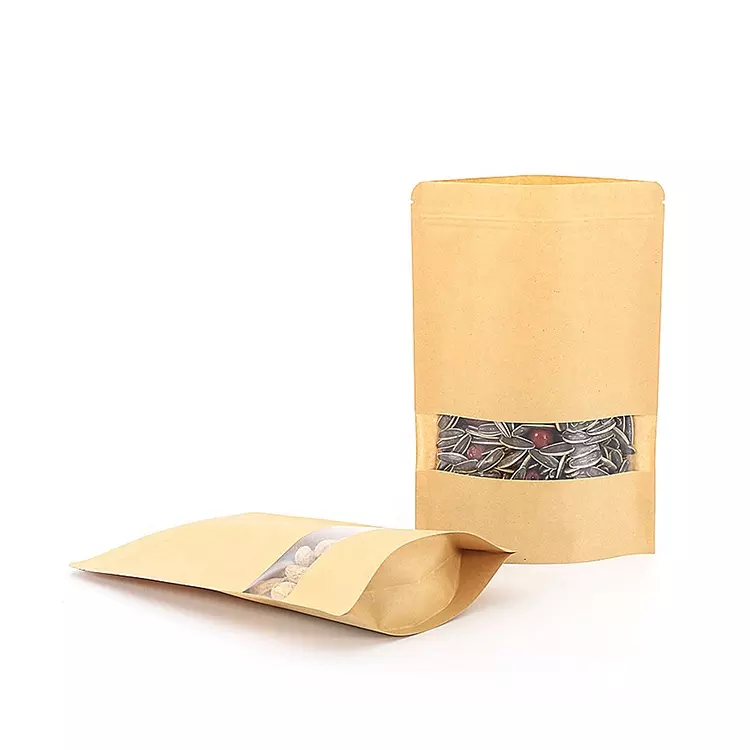
Key Product Specifications for Bulk Coffee Bags with Valve
Understanding the technical parameters is essential for selecting the optimal packaging solution. Below is a table outlining typical specifications for high-performance bulk coffee bags with valve, including those designed for biodegradability.
| Parameter | Typical Value (Standard Bag) | Typical Value (Biodegradable Bag - e.g., DSLPACK) | Significance |
|---|---|---|---|
| Material Structure | PET/AL/LLDPE, PET/VMPET/LLDPE | Kraft Paper/Bio-PLA/PBAT, Bio-PLA/PBAT, or Paper/Bio-Barrier | Determines barrier, strength, and environmental footprint. |
| Oxygen Transmission Rate (OTR) | < 0.1 cc/m²/day (AL), 0.1-1.0 cc/m²/day (VMPET) | < 5 cc/m²/day (High barrier bio-films) | Crucial for preventing coffee oxidation and maintaining freshness. Lower is better. |
| Water Vapor Transmission Rate (WVTR) | < 0.1 g/m²/day (AL), 0.5-2.0 g/m²/day (VMPET) | < 10 g/m²/day (Bio-films) | Prevents moisture absorption/loss, preserving coffee quality. Lower is better. |
| Bag Thickness | 100-150 microns (4-6 mil) | 80-120 microns (3-5 mil) | Impacts durability, stiffness, and material consumption. |
| Valve Type | One-way degassing valve (PE/PP) | One-way degassing valve (Bio-PE or standard PE/PP) | Allows CO2 out, keeps O2 out, preventing bag burst and oxidation. |
| Sealing Mechanism | Heat Seal, Zipper (Press-to-close or Slide) | Heat Seal, Zipper (Compostable or standard) | Ensures secure closure and reusability. |
| Capacity Range | 250g to 5kg+ (0.5 lb to 11 lb+) | 250g to 2kg (0.5 lb to 4.4 lb) for optimal compostability | Varies widely based on specific bulk needs. |
| Print Capability | Up to 10 colors, Rotogravure/Flexographic | Up to 8-10 colors, Flexographic/Digital (depending on material) | Allows for intricate branding and marketing messages. |
| Certification Compliance | FDA, ISO 9001, BRCGS | FDA, ISO 9001, BRCGS, ASTM D6400, EN 13432 (Compostability) | Ensures food safety, quality management, and environmental claims. |
These specifications highlight the careful engineering behind each coffee packaging bag, ensuring that the final product not only looks good but performs exceptionally under varied conditions.
Unpacking the Advantages: Why Bulk Coffee Bags with Valve Lead the Market
The adoption of bulk coffee bags with valve offers a multitude of strategic advantages for coffee businesses, ranging from product preservation to brand enhancement and operational efficiency. These benefits collectively contribute to a stronger market position and increased consumer satisfaction.
Superior Preservation and Extended Shelf Life
The paramount advantage of bags equipped with a one-way degassing valve is their ability to preserve the coffee's inherent quality and freshness. Roasted coffee continuously emits CO2, which if trapped, can lead to flavor degradation. The valve allows this gas to escape while simultaneously acting as an impenetrable barrier against oxygen and moisture ingress. Oxygen exposure is the primary cause of staling in coffee, leading to the oxidation of volatile aromatic compounds and lipids. By mitigating these factors, these bags significantly extend the coffee's shelf life, ensuring that consumers experience the intended aroma and flavor profile, even months after roasting. This superior preservation reduces product spoilage and waste, directly impacting profitability.
Enhanced Brand Presentation and Customization Potential
In a competitive market, distinct branding is crucial. Custom printed coffee bags provide an expansive canvas for brand storytelling. High-quality rotogravure or flexographic printing allows for vibrant colors, intricate designs, and clear messaging. Beyond aesthetics, the structural versatility of these bags – available in stand-up pouch, side-gusseted, and flat-bottom formats – offers excellent shelf appeal. A well-designed bag not only protects the product but also serves as a powerful marketing tool, influencing consumer purchasing decisions and reinforcing brand loyalty. The ability to customize size, material finish (matte, gloss, soft touch), and closure features (zippers, tear notches) allows brands to create a unique tactile and visual experience.
Logistical Efficiency and Cost-Effectiveness
For bulk operations, logistical efficiency is a key consideration. Flexible packaging, particularly in formats like stand-up pouches, offers a significantly higher product-to-packaging ratio compared to rigid container111s. This means more product can be shipped in less space, reducing transportation costs and carbon footprint. Their lightweight nature also contributes to lower freight expenses. Furthermore, these bags are typically supplied on rolls or pre-formed in flat packs, requiring less storage space prior to filling. While the initial investment in high-quality flexible packaging might seem higher per unit than basic bags, the long-term benefits of extended shelf life, reduced waste, and enhanced brand value often lead to superior overall cost-effectiveness. The durability of the materials also minimizes instances of damage during transit, further saving costs.
Sustainability and Eco-Friendly Options
With growing environmental consciousness, the sustainability features of coffee packaging bags are increasingly important. Manufacturers are innovating rapidly to offer solutions that are recyclable, compostable, or made from renewable resources. Biodegradable bags, like those offered by DSLPACK, break down in industrial composting facilities, returning organic matter to the earth. This commitment to sustainability not only meets consumer demand but also positions brands as environmentally responsible, enhancing their corporate image. The lighter weight of flexible packaging compared to glass jars or metal cans also contributes to lower energy consumption during production and transportation, further reducing the overall environmental impact.
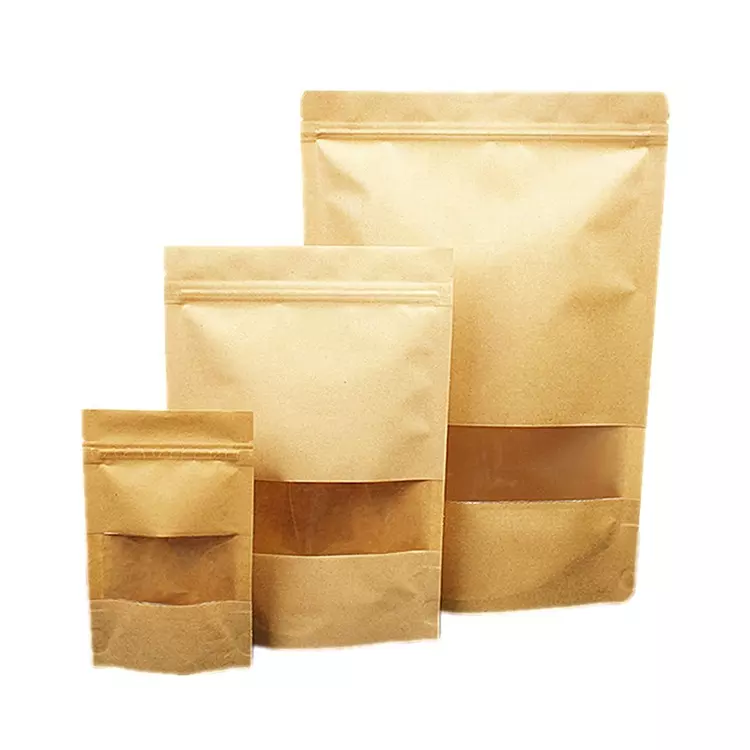
In summary, the sophisticated design and functionality of bulk coffee bags with valve provide a multi-faceted solution that addresses critical aspects of coffee quality, brand perception, operational efficiency, and environmental responsibility, making them an indispensable asset for modern coffee businesses.
Customization and Comprehensive Solution Offerings for Coffee Packaging
The diverse needs of the global coffee market necessitate highly customizable packaging solutions. Professional manufacturers of bulk coffee bags with valve offer extensive customization options to ensure that each client's specific requirements, from brand aesthetics to functional performance, are met with precision. This level of tailoring is vital for brands looking to differentiate themselves and optimize their product's journey from roaster to consumer.
Tailored to Your Brand: Design and Material Flexibility
Customization begins with the foundational elements: size and material. Bags can be produced in a wide range of capacities, typically from 250g up to 5kg or more, accommodating everything from retail packs to foodservice quantities. The choice of material structure is paramount, with options including various laminates (e.g., PET/AL/LLDPE for maximum barrier, PET/VMPET/LLDPE for cost-effectiveness), and increasingly, sustainable alternatives like compostable films (e.g., PLA/PBAT blends) or recyclable mono-materials. Surface finishes such as matte, gloss, or soft-touch varnishes can be applied to create a distinct tactile and visual appeal, enhancing the unboxing experience. The form factor itself is customizable, offering stand-up pouches for shelf stability, side-gusseted bags for traditional appeal, and flat-bottom bags for maximum fill volume and stability.
For custom printed coffee bags, the possibilities are virtually limitless. Advanced printing technologies like rotogravure and flexography allow for up to 10 colors, enabling high-resolution graphics, intricate patterns, and precise brand color matching. Digital printing offers flexibility for smaller runs or variable data printing, ideal for limited editions or promotional campaigns. Beyond the main graphics, features like transparent windows can be incorporated to showcase the beans, while metallic inks or spot UV finishes can add premium accents. This comprehensive print capability ensures that the packaging effectively communicates the brand's narrative and attracts target consumers.
Functional Customization: Valves, Zippers, and Beyond
The one-way degassing valve is a standard feature, but even its placement and type can be customized to suit filling equipment and aesthetic preferences. Beyond the valve, various closure mechanisms can be integrated. Resealable zippers, including press-to-close or slider zippers, enhance consumer convenience and extend post-opening freshness. Tear notches facilitate easy initial opening. Some designs may include spouts for liquid coffee concentrates or pre-made solutions. For applications requiring stringent tamper evidence, features like induction seals or specialized heat-seal patterns can be implemented. The robust sealing capabilities and material integrity ensure that once sealed, the product remains protected throughout its journey.
Consultation and End-to-End Support
A truly comprehensive solution extends beyond mere manufacturing. Leading suppliers offer expert consultation services, guiding clients through the complexities of material selection, design optimization, and compliance requirements. This includes advising on barrier properties necessary for different coffee types (e.g., whole bean vs. ground), local and international food safety regulations (FDA, BRCGS), and compostability certifications (ASTM D6400, EN 13432). From initial concept and graphic design assistance to prototyping, rigorous testing, and efficient logistics, a full-service provider ensures a seamless transition from idea to delivered product. This holistic approach, particularly for complex products like bulk coffee bags with valve, minimizes risks and maximizes the impact of the packaging investment.
Comparative Analysis: Choosing the Right Bulk Coffee Bag Supplier
Selecting the appropriate supplier for bulk coffee bags with valve is a strategic decision that impacts product quality, brand reputation, and operational efficiency. The market offers a wide array of manufacturers, each with unique strengths. A comparative analysis focusing on key criteria can guide businesses in making an informed choice, especially when considering specialized options like DSLPACK's Biodegradable Pouch Bags Eco Friendly Ziplock Stand Up Food Packaging Compostable Coffee Bags.
Key Factors for Supplier Evaluation
| Criteria | Description/Considerations | DSLPACK's Offering (Biodegradable Pouch Bags) |
|---|---|---|
| Material Innovation & Sustainability | Does the supplier offer a range of traditional and eco-friendly materials? Are their sustainable claims backed by certifications? | Specializes in compostable/biodegradable materials (e.g., PLA, PBAT, Kraft Paper), certified to ASTM D6400, EN 13432. Strong focus on green solutions for coffee packaging bags. |
| Barrier Performance | What OTR/WVTR values can they guarantee? Is their valve technology reliable for preventing oxidation? | Offers high-barrier biodegradable films with robust OTR/WVTR suitable for fresh coffee, integrated one-way degassing valve technology. |
| Printing Capabilities & Customization | Number of colors, print quality (rotogravure vs. flexo), ability to handle complex designs and finishes. | High-quality printing capabilities for vibrant custom printed coffee bags, supporting complex designs on eco-friendly substrates. |
| Certifications & Quality Assurance | Are they ISO, FDA, BRCGS certified? What internal QC processes are in place? | ISO 9001 certified, materials meet FDA food contact standards, strict internal QC protocols ensuring product safety and performance. |
| Minimum Order Quantity (MOQ) | Does their MOQ align with your business volume, particularly for bulk and custom orders? | Offers flexible MOQs to support businesses of various sizes, balancing custom needs with production efficiency. |
| Lead Time & Delivery Reliability | How quickly can they deliver? What is their track record for on-time delivery? | Streamlined production processes and robust supply chain management to ensure competitive lead times and reliable delivery. |
| Technical Support & Customer Service | Do they offer design assistance, material selection guidance, and post-sales support? | Provides comprehensive technical consultation, design support, and responsive customer service for complex bulk coffee bags with valve projects. |
DSLPACK's Biodegradable Pouch Bags are specifically designed for coffee, tea, and other food products where freshness, barrier properties, and environmental responsibility are paramount. Their commitment to sustainable materials, combined with rigorous quality control and technical expertise, positions them as a strong contender for businesses prioritizing both performance and ecological impact in their coffee packaging bags strategy. Their product, available at https://www.dslpack.com/biodegradable-pouch-bags-eco-friendly-ziplock-stand-up-food-packaging-compostable-coffee-bags.html, exemplifies the blend of functionality and eco-consciousness that modern markets demand.
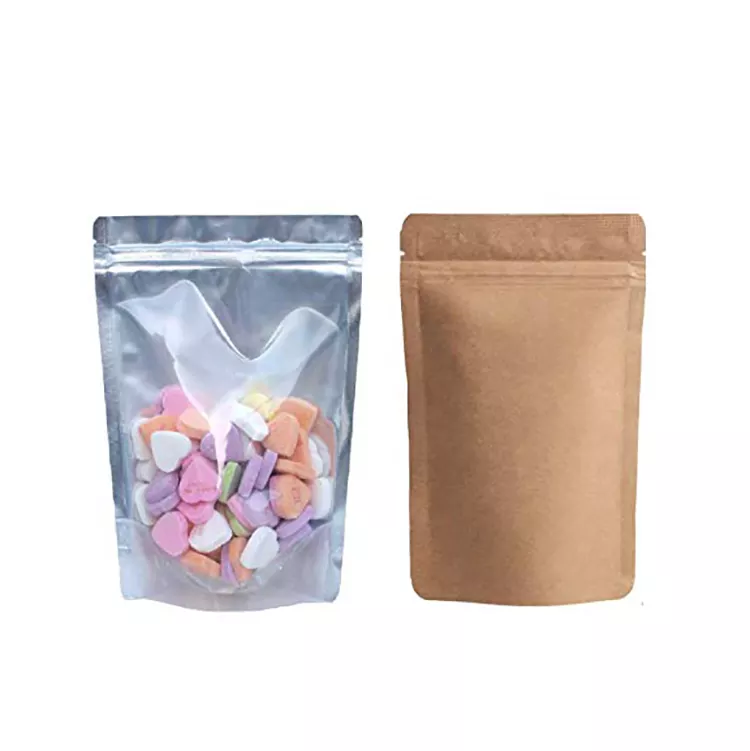
Application Scenarios and Success Stories
The versatility and functional superiority of bulk coffee bags with valve make them suitable for a diverse range of application scenarios across the coffee industry value chain. From artisanal roasters to large-scale distributors, these advanced coffee packaging bags are integral to preserving quality and streamlining operations.
Artisanal and Small-Batch Roasteries
For boutique roasteries focusing on single-origin or specialty blends, preserving the delicate aromatics and flavor nuances is paramount. Bulk coffee bags with valve, especially those with high-barrier properties and elegant custom printed coffee bags, enable these roasters to extend the freshness of their freshly roasted beans. This allows them to reach a broader geographical market without compromising product quality. For example, a roastery specializing in light roasts, which are particularly susceptible to oxidation, relies heavily on the valve's function to manage degassing and maintain the bean's vibrant acidity and floral notes. Case Study: "BeanCraft Roasters," a small online retailer, reported a 20% increase in customer retention after switching to premium valve-equipped bags, citing improved coffee freshness upon delivery.
Large-Scale Commercial Coffee Producers and Distributors
Commercial operations benefit from the logistical efficiencies and scale advantages offered by bulk coffee bags with valve. These bags are designed for automated filling lines, ensuring high throughput and consistent sealing. Their durability withstands rigorous supply chain conditions, from palletized shipping to warehouse storage. For instance, a major coffee brand distributing globally requires packaging that can maintain freshness over long transit times, often spanning several weeks. The reliable one-way valve prevents bag bursting due to CO2 buildup in varying atmospheric pressures encountered during transportation, a critical factor for avoiding product loss and maintaining brand image. The option for individual coffee packets in bulk also serves the needs of large-scale institutions and offices requiring convenient, pre-portioned coffee solutions.
Foodservice and Hospitality Industry
Cafes, restaurants, and hotels rely on consistent coffee quality to satisfy their customers. Bulk coffee bags with valve, often in 1kg or 2.5kg formats, provide the ideal solution. They ensure that even after opening, the resealable zipper maintains freshness for daily use, while the valve continues to protect against staling. This reduces waste and ensures a consistent brew every time. A chain of high-volume cafes recently switched to 2.5kg valve bags for their espresso beans. Their internal data showed a significant reduction in wasted coffee due to staling, leading to an estimated 15% saving on their raw material costs over six months.
Private Label Brands and E-commerce Retailers
Private label brands, often operating without their own roasting facilities, rely heavily on their packaging to convey quality and differentiate themselves. Custom printed coffee bags with advanced features allow them to compete effectively with established brands. E-commerce retailers, on the other hand, face the challenge of shipping delicate products directly to consumers. Robust coffee packaging bags with valves ensure that the coffee arrives fresh and intact, minimizing returns and negative reviews. A growing trend also includes the sale of individual coffee packets in bulk for office coffee services or subscription boxes, offering portion control and prolonged freshness for consumers who brew occasionally.
These real-world applications underscore the critical role of sophisticated packaging in ensuring product integrity, enhancing brand value, and driving operational efficiencies across the diverse segments of the coffee industry. The continuous innovation in materials and design for bulk coffee bags with valve ensures their continued relevance and dominance in the market.
Ensuring Quality and Reliability: Adhering to Principles
In the B2B sector, particularly for critical components like bulk coffee bags with valve, establishing trust and demonstrating expertise, experience, authority, and trustworthiness () are paramount. A reputable supplier integrates these principles into every facet of their operation, from material sourcing to customer support.
Authoritativeness & Trustworthiness: Certifications, Testing, and Guarantees
A commitment to quality is underscored by robust certifications and transparent processes. Suppliers should adhere to internationally recognized standards such as ISO 9001, which outlines requirements for a quality management system. For food contact materials, FDA (U.S. Food and Drug Administration) compliance is non-negotiable, ensuring that the packaging materials are safe for direct contact with food and do not impart harmful substances. Furthermore, certifications like BRCGS (Brand Reputation Compliance Global Standard) for Packaging Materials indicate adherence to stringent food safety and quality management systems within the manufacturing process. For sustainable options, certifications like ASTM D6400 (Standard Specification for Compostable Plastics) or EN 13432 (Packaging: Requirements for Packaging Recoverable Through Composting and Biodegradation) provide credible proof of compostability.
Beyond certifications, reliable suppliers conduct extensive in-house and third-party testing. This includes barrier testing (OTR, WVTR) using specialized equipment to quantify protection against oxygen and moisture, seal strength testing (e.g., burst testing, tensile strength) to ensure bag integrity, and material composition analysis. Providing detailed test reports and transparent data, perhaps presented in a technical data sheet (TDS), builds significant trust. A clear quality assurance protocol, from raw material inspection to final product audit, ensures consistency. Furthermore, reputable manufacturers typically offer a comprehensive warranty, covering manufacturing defects and material performance, along with clear delivery timelines and proactive customer support for any post-delivery queries or issues.
Expertise: Deep Technical Knowledge and Innovation
Expertise is demonstrated through a deep understanding of packaging science and its application to coffee preservation. This includes knowledge of optimal material laminates (e.g., the specific thickness and composition of PET, AL, LLDPE, or bio-plastics for ideal barrier properties), the mechanics of one-way degassing valves (e.g., precise cracking pressure and flow rate), and the interaction between coffee chemistry and packaging materials. A truly expert partner can provide insights into how different roast levels impact degassing rates and recommend the most suitable valve type and bag structure. They stay abreast of emerging technologies, such as advanced biodegradable films or recyclable mono-material solutions, and integrate these innovations into their product offerings. Explanations of complex terms like Modified Atmosphere Packaging (MAP) principles as applied to bags or the importance of residual oxygen levels after packaging are hallmarks of true expertise.
Experience: Proven Track Record and Client Success
Experience is built over years of successful collaborations and a history of solving complex packaging challenges. This is evidenced by a robust portfolio of successful client projects, including major brands and diverse applications for coffee bags and coffee packaging bags. Client testimonials, long-term partnerships, and case studies illustrate a supplier's ability to consistently deliver high-quality products and services. For example, a supplier might highlight a successful transition for a client from traditional packaging to compostable bulk coffee bags with valve, detailing the process from initial consultation to final implementation and the positive impact on the client's sustainability goals and market reception. The ability to anticipate potential issues and provide proactive solutions, drawing on years of practical application, is a strong indicator of valuable experience.
Frequently Asked Questions (FAQ) about Bulk Coffee Bags with Valve
Conclusion: The Future of Coffee Packaging is Sustainable and Smart
The journey through the intricate world of bulk coffee bags with valve reveals a landscape where technological innovation, environmental responsibility, and consumer expectations converge. These advanced packaging solutions are far more than simple container111s; they are sophisticated systems integral to preserving the delicate quality of roasted coffee, extending its shelf life, and delivering an uncompromised sensory experience to the end-user. From the precise engineering of multi-layer barrier films to the ingenious functionality of the one-way degassing valve, every aspect of their design is meticulously calibrated to counter the natural challenges of coffee preservation.
The industry's relentless drive towards sustainability is reshaping manufacturing processes and material science, pushing for compostable, recyclable, and bio-based alternatives that minimize environmental impact without sacrificing performance. This commitment, exemplified by products like DSLPACK's Biodegradable Pouch Bags, aligns with global efforts to foster a circular economy, positioning responsible packaging as a critical differentiator in a crowded market. The versatility inherent in custom printed coffee bags allows brands to convey their unique identity and story, fostering deeper connections with consumers and elevating the perceived value of their product. Whether catering to large-scale roasteries, artisanal cafes, or the burgeoning e-commerce sector, the adaptability of solutions, including options for individual coffee packets in bulk, ensures that diverse market needs are met with precision and efficiency.
Ultimately, the strategic adoption of high-quality coffee packaging bags with integrated valve technology is not merely a logistical decision but a strategic imperative. It directly impacts product freshness, brand reputation, operational efficiency, and a company's commitment to a sustainable future. As the coffee industry continues to evolve, the demand for smart, high-performance, and eco-conscious packaging solutions will only intensify, solidifying the critical role of bulk coffee bags with valve as an indispensable asset for every discerning coffee business.
References
- Robertson, G. L. (2016). Food Packaging: Principles and Practice (3rd ed.). CRC Press.
- Marsh, K., & Bugusu, B. (2007). Food Packaging—Roles, Materials, and Environmental Issues. Journal of Food Science, 72(3).
- ASTM D6400-19. Standard Specification for Labeling of Plastics Designed to be Aerobically Composted in Municipal or Industrial Facilities. ASTM International.
- ISO 9001:2015. Quality Management Systems—Requirements. International Organization for Standardization.
- Selomulya, C., & Lee, D. (2018). Food Preservation in Flexible Packaging. In The Wiley Handbook of Packaging Technology. Wiley-Blackwell.
- Lopez-García, J. C., & Hernández-López, M. (2019). Sustainable Packaging: An Overview of Trends and Future Perspectives. Polymers, 11(7).
- Korelatos, A. (2019). The Science of Coffee Packaging: Degassing Valves. Roast Magazine.



- No. 6 Hefu Road, Hengjiang Industrial Zone, Gaoming District, Foshan, Guangdong Province,China
- Tel: 86-133 3649 8096
- Email:enid@bc-pak.com
-


