
Durable Pet Food Pouch & Resealable Dog Food Bags - Freshness Guaranteed
The Evolution of Pet Food Packaging: Industry Trends and Innovations
The global pet food market is experiencing robust growth, driven by increasing pet ownership, humanization of pets, and a heightened focus on pet health and wellness. Central to this evolution is the advancements in packaging technology. Modern pet food pouch solutions are no longer just containers; they are sophisticated systems designed to preserve nutritional value, extend shelf life, enhance brand appeal, and offer unparalleled convenience to consumers.
Current industry trends highlight a significant shift towards sustainable materials, premium aesthetics, and functional designs. Pet owners increasingly demand transparent ingredient lists and packaging that reflects the quality of the product within. This translates into a strong market preference for innovative pet food bags that are resealable, easy to store, and visually appealing. Brands are leveraging custom printing and specialized laminates to differentiate their products in a competitive landscape, ensuring that their pet food packaging bag communicates quality and care. The demand for flexible pouches, including those for pet treat bags and resealable dog food bags, continues to surge due to their versatility and consumer-friendly attributes.
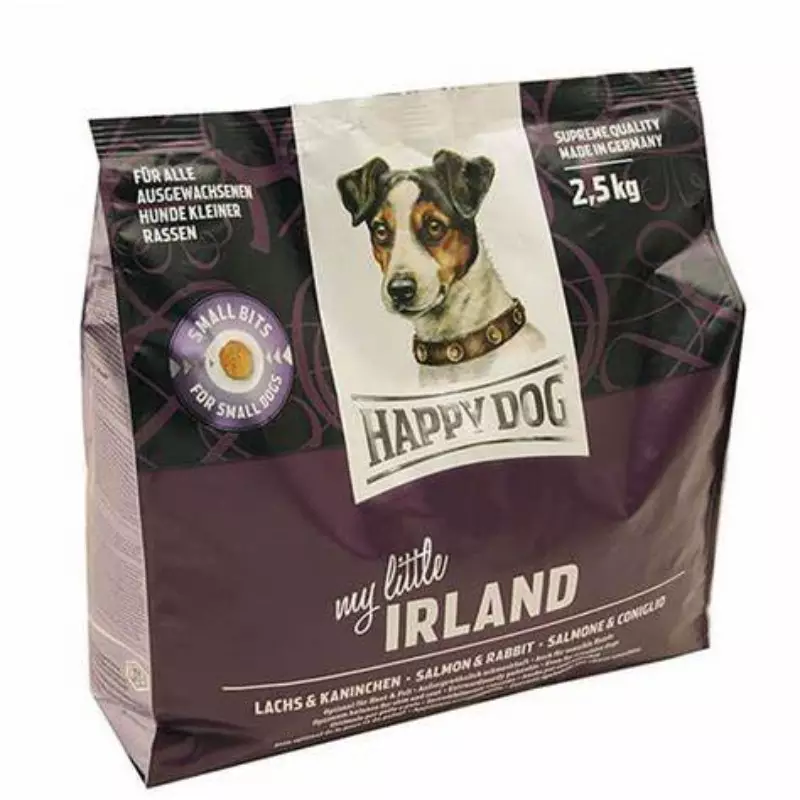
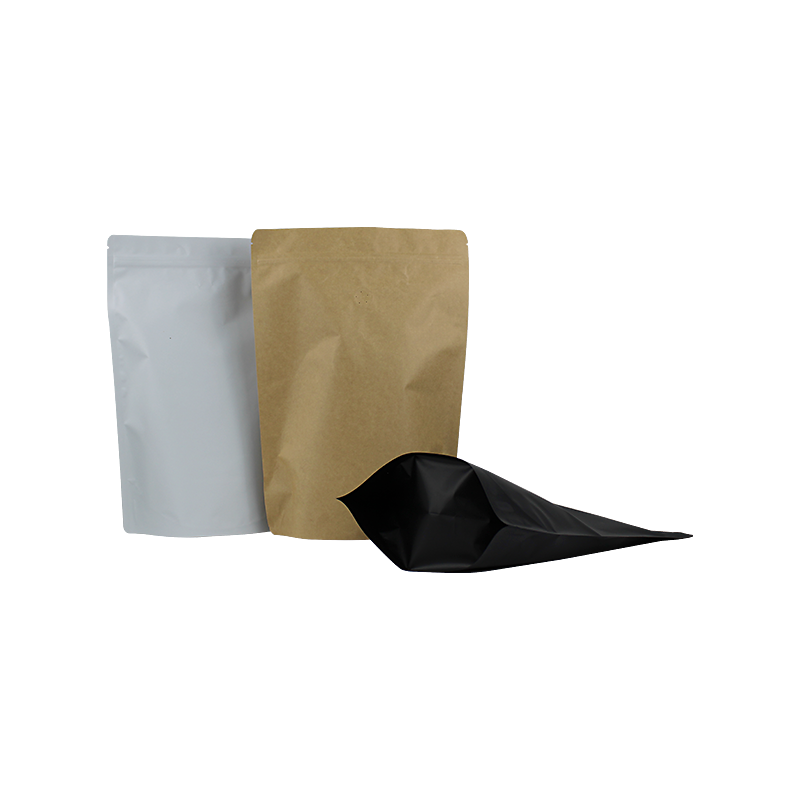
Diverse applications of high-quality pet food pouches.
Precision Manufacturing Process of Flexible Pet Food Pouches
The production of a high-performance pet food pouch is a complex, multi-stage process requiring advanced machinery, stringent quality control, and deep material science expertise. Our manufacturing protocol ensures superior product integrity and aesthetic appeal, meeting the rigorous demands of the pet food industry.
Process Flow Overview:
- Material Selection and Procurement: The foundation of any quality pet food packaging bag begins with selecting appropriate multi-layer barrier films. Common materials include PET (Polyethylene Terephthalate) for rigidity and printability, Nylon (PA) for puncture resistance, Aluminum Foil (AL) or Metallized PET (VMPET) for superior oxygen and moisture barrier, and LLDPE (Linear Low-Density Polyethylene) or CPP (Cast Polypropylene) for heat sealing and flexibility. These are often combined in laminates like PET/AL/PE or BOPP/VMPET/PE, tailored for specific product requirements such as oxygen transmission rate (OTR) and water vapor transmission rate (WVTR). All materials comply with FDA food contact regulations.
- Pre-Press and Artwork Preparation: High-resolution digital artwork is prepared for customized printing. Color separation, trapping, and proofing are meticulously managed to ensure precise reproduction of brand imagery and nutritional information. This stage is crucial for creating visually striking pet treat bags.
- Printing: Utilizing advanced rotogravure or flexographic printing technologies, designs are applied to the outermost layer of the chosen film. Rotogravure offers superior print quality and consistency for long runs, achieving up to 10 colors with intricate detail. This ensures that every resealable dog food bag presents a vibrant and professional appearance.
- Lamination: Printed film layers are bonded together with other barrier films using solvent-based or solventless lamination techniques. This multi-layer construction provides enhanced structural integrity, barrier properties against oxygen, moisture, and UV light, and improves puncture resistance. The bonding process is critical for the overall service life of the packaging.
- Curing: After lamination, the material undergoes a curing process in a controlled environment. This allows the adhesive to fully cross-link and bond the layers, ensuring strong adhesion and preventing delamination, which is vital for maintaining the barrier properties over time.
- Slitting: The wide laminated rolls are then precisely slit into smaller rolls according to the specified width for individual pouches. This CNC machining process ensures high accuracy and minimal material waste.
- Pouch Forming: Specialized pouch-making machines form the final pouch structure (e.g., stand-up pouch, flat bottom bag, side gusset bag). Features like zippers, tear notches, spouts, and degassing valves are integrated during this stage. Precise heat sealing ensures robust seams that withstand filling, transport, and handling.
- Quality Control and Testing: Every batch undergoes rigorous testing. Key parameters include:
- Seal Integrity Testing (ASTM F88): To ensure seals prevent leakage and maintain product freshness.
- Burst Strength Testing (ASTM F1140): To verify the pouch’s ability to withstand internal pressure during filling and handling.
- Tensile Strength and Elongation (ASTM D882): To assess material durability and flexibility.
- Coefficient of Friction (ASTM D1894): Important for machine handling.
- Lamination Bond Strength (ASTM F904): To prevent delamination.
- Residual Solvent Testing (ASTM F151): To ensure food safety and compliance with ISO standards.
- Final Inspection and Packaging: Finished pouches are inspected for visual defects, dimensional accuracy, and feature functionality before being packed for shipment.
This meticulous process ensures that the resulting pet food pouch delivers exceptional performance, contributing to the extended service life of pet products and offering significant advantages in typical application scenarios such as energy saving through lighter weight and superior corrosion resistance for packaged goods due to advanced barrier films. Target industries include major pet food manufacturers, independent brands, and specialty pet treat producers.
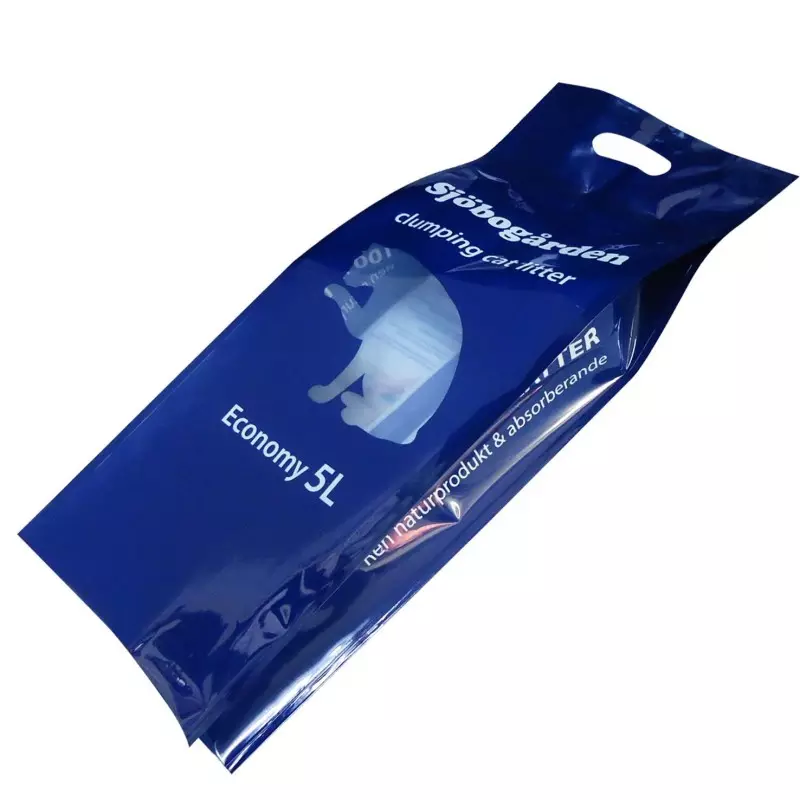
Advanced machinery in the production of pet food pouches.
Technical Specifications and Material Science for Optimized Pet Food Packaging
Understanding the technical specifications and material science behind a pet food pouch is paramount for B2B decision-makers. Optimal packaging design balances protective properties, cost-efficiency, and consumer appeal. Our customized solutions leverage advanced multi-layer films to achieve superior barrier performance and structural integrity.
Key Technical Parameters:
- Barrier Properties: Critical for extending shelf life.
- Oxygen Transmission Rate (OTR): Measures how much oxygen can pass through the material over a given time (e.g., cc/m²/24hr). Low OTR is vital for preventing oxidation of fats and vitamins, crucial for dry pet food and treats.
- Water Vapor Transmission Rate (WVTR): Measures moisture ingress (e.g., g/m²/24hr). Low WVTR prevents product desiccation or moisture absorption, maintaining crunchiness for kibble or freshness for moist treats.
- UV Barrier: Protection against light-induced degradation of nutrients and colors.
- Material Structure: Custom-engineered laminates (e.g., PET/AL/PE, BOPP/VMPET/PE, PET/NY/PE) to combine properties like strength, printability, barrier, and sealability.
- Thickness: Typically ranges from 80 microns to 180 microns, depending on product weight, desired rigidity, and puncture resistance.
- Puncture Resistance: Essential for sharp kibble pieces or pet treat bags that may undergo rough handling.
- Seal Strength: Measured in N/inch, ensuring seals withstand internal and external pressures.
- Printability: High-definition graphics (up to 10 colors) for strong brand identity.
- Closure Options: Resealable zippers (Press-to-Close, Slider), tear notches, spouts, and degassing valves.
Typical Product Specification Table: Customized Printing Pet Food & Snack Food Pouch
| Parameter | Description/Value | Standard |
|---|---|---|
| Material Structure Options | PET/AL/PE; Matt BOPP/VMPET/PE; PET/NY/PE; Kraft Paper/AL/PE; Custom | FDA 21 CFR 177.1520 |
| Total Thickness | 80 - 180 microns (μm) | ASTM D2103 |
| Oxygen Transmission Rate (OTR) | < 1.0 cc/m²/24hr @ 23°C, 0% RH (for high barrier) | ASTM D3985 |
| Water Vapor Transmission Rate (WVTR) | < 1.0 g/m²/24hr @ 38°C, 90% RH (for high barrier) | ASTM F1249 |
| Printing Capabilities | Up to 10 colors, Rotogravure/Flexographic, Matte/Gloss/Spot UV finish | ISO 12647 |
| Pouch Formats | Stand-up, Flat Bottom, Side Gusset, 3-Side Seal, Quad Seal | — |
| Closure Options | Resealable Zipper, Tear Notch, Spout, Degassing Valve | — |
| Seal Strength | Typically > 5 N/inch (varies by material) | ASTM F88 |
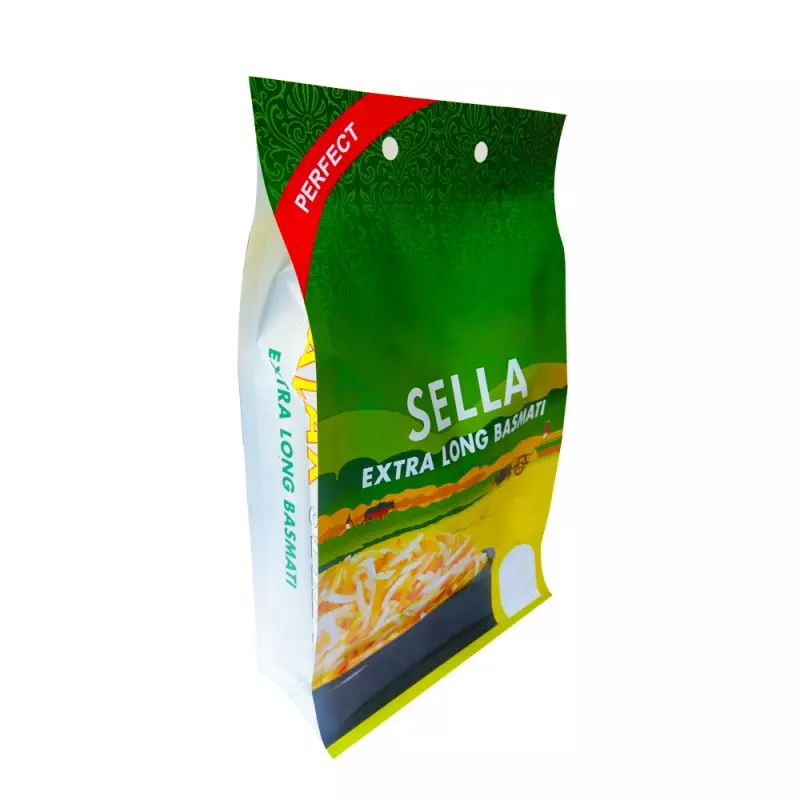
Detailed view of material layers in a pet food pouch.
Technical Advantages and Diverse Application Scenarios
The inherent technical advantages of a well-engineered pet food pouch translate directly into significant benefits for pet food manufacturers and their end-consumers. These advantages extend beyond mere containment, impacting product integrity, logistical efficiency, and brand perception across various application scenarios.
Core Technical Advantages:
- Extended Shelf Life: Advanced barrier films (e.g., EVOH, SiO2 coated films, Aluminum foil) dramatically reduce OTR and WVTR, protecting sensitive ingredients from oxidation, moisture absorption, and flavor loss. This is critical for maintaining the nutritional value and palatability of dry kibble, wet food, and pet treat bags over prolonged periods, reducing food waste and ensuring product freshness from production to consumption.
- Superior Product Protection: Multi-layer constructions offer robust puncture and tear resistance, essential for protecting contents from physical damage during transit and handling. UV light barriers prevent degradation of light-sensitive vitamins and ingredients.
- Enhanced Brand Presentation: High-definition rotogravure or flexographic printing allows for vibrant, intricate designs and photographic quality images, making the pet food packaging bag stand out on crowded retail shelves. Matte, gloss, or spot UV finishes further enhance tactile and visual appeal, projecting a premium image.
- Consumer Convenience: Features like resealable zippers (e.g., Press-to-Close or slider zippers) maintain freshness after opening, preventing spills and odors. Tear notches facilitate easy opening, while ergonomic designs improve handling and storage. This greatly elevates the user experience for resealable dog food bags.
- Cost-Effectiveness and Sustainability: Flexible pouches are significantly lighter and more compact than rigid packaging (cans, boxes), leading to reduced transportation costs and lower carbon footprints. Material optimization also allows for less plastic use per unit, with increasing options for recyclable or compostable structures. A study by the Flexible Packaging Association indicated that flexible packaging typically uses 60% less plastic by weight than rigid alternatives for the same volume of product.
Typical Application Scenarios:
- Dry Kibble & Pellets: Requiring high oxygen and moisture barriers to prevent rancidity and maintain crunch. Stand-up or flat bottom pouches with resealable zippers are prevalent.
- Wet Pet Food & Purees: Often using retort-grade pouches capable of withstanding high-temperature sterilization, preserving product freshness without refrigeration until opened.
- Pet Treats & Chews: Pouches with strong puncture resistance and excellent barrier properties to maintain texture and flavor. Small, convenient pet treat bags are ideal.
- Pet Supplements & Powders: Demanding precise dosing and robust moisture barriers to prevent caking.
- Single-Serve Portions: Catering to on-the-go convenience and portion control, minimizing waste.
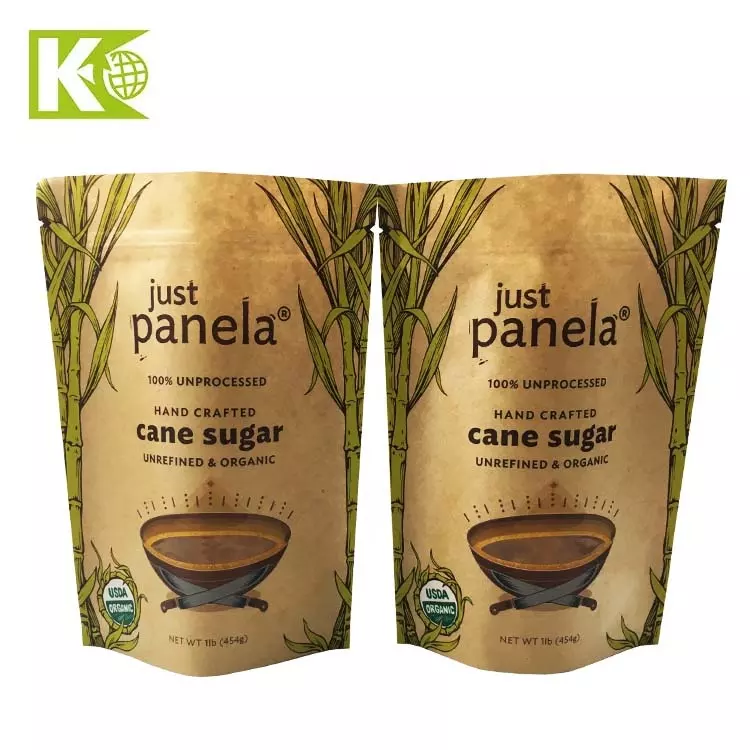
Diverse types of pet food pouches for various product categories.
Vendor Comparison and Tailored Customization for Pet Food Packaging
Selecting the right manufacturing partner for your pet food pouch needs is a critical strategic decision. The capabilities of a vendor directly impact product quality, market responsiveness, and long-term brand success. We differentiate ourselves through comprehensive technical expertise, superior quality control, and robust customization options.
Comparative Analysis: Standard vs. Advanced Pet Food Pouch Manufacturers
| Feature | Standard Manufacturer | Advanced Provider (e.g., DSLpack) |
|---|---|---|
| Material Range & Barrier Films | Limited standard options (e.g., PET/PE, OPP/CPP). Basic barrier. | Extensive, multi-layer high-barrier films (e.g., PET/AL/PE, Matt BOPP/VMPET/PE, NYLON, EVOH). Sustainable options (recyclable, compostable). |
| Printing Technology | Flexographic, 6-8 colors. Basic graphic quality. | Advanced Rotogravure & Flexographic, up to 10-12 colors. High-definition, photographic quality, spot UV, matte/gloss finishes. |
| Quality Control & Certifications | Basic internal QC. Few external certifications. | Stringent, multi-stage QC (ASTM, ISO). Certifications: ISO 9001, FSSC 22000, FDA compliant. Full traceability. |
| Minimum Order Quantity (MOQ) | Often higher for custom prints (e.g., 50,000+ units). | Flexible MOQ options, supporting both large-scale and niche brands, often lower for initial runs. |
| Lead Time | Standard lead times, potential for delays due to limited capacity. | Optimized production workflows, reliable lead times, expedited options available. |
| Customization & Innovation | Limited design input, few unique features. | Comprehensive design support, innovative features (degassing valves, special closures, unique shapes), R&D collaboration. |
Customized Solutions for Distinct Brand Needs:
Our approach to producing pet food bags is rooted in understanding each client's unique requirements. We offer extensive customization capabilities across all facets of the flexible packaging:
- Material Composition: Tailoring multi-layer laminates to achieve specific barrier properties, puncture resistance, and sustainability goals (e.g., recyclable mono-material films, compostable options).
- Pouch Formats: From classic stand-up pouches and flat bottom bags to innovative side-gusset and quad-seal designs, optimized for product stability and shelf presence.
- Printing & Finishing: Unlimited design flexibility with high-definition printing, offering a range of finishes from soft-touch matte to vibrant gloss, metallic inks, and tactile spot UV.
- Functional Features: Integration of precision-engineered resealable zippers, easy-open tear notches, ergonomic handles, degassing valves for fresh coffee or specialized ingredients, and child-resistant closures where applicable for pet treat bags.
- Size & Volume: Bespoke dimensions to perfectly fit product volume, minimizing headspace and optimizing logistics for all pet food packaging bag types.
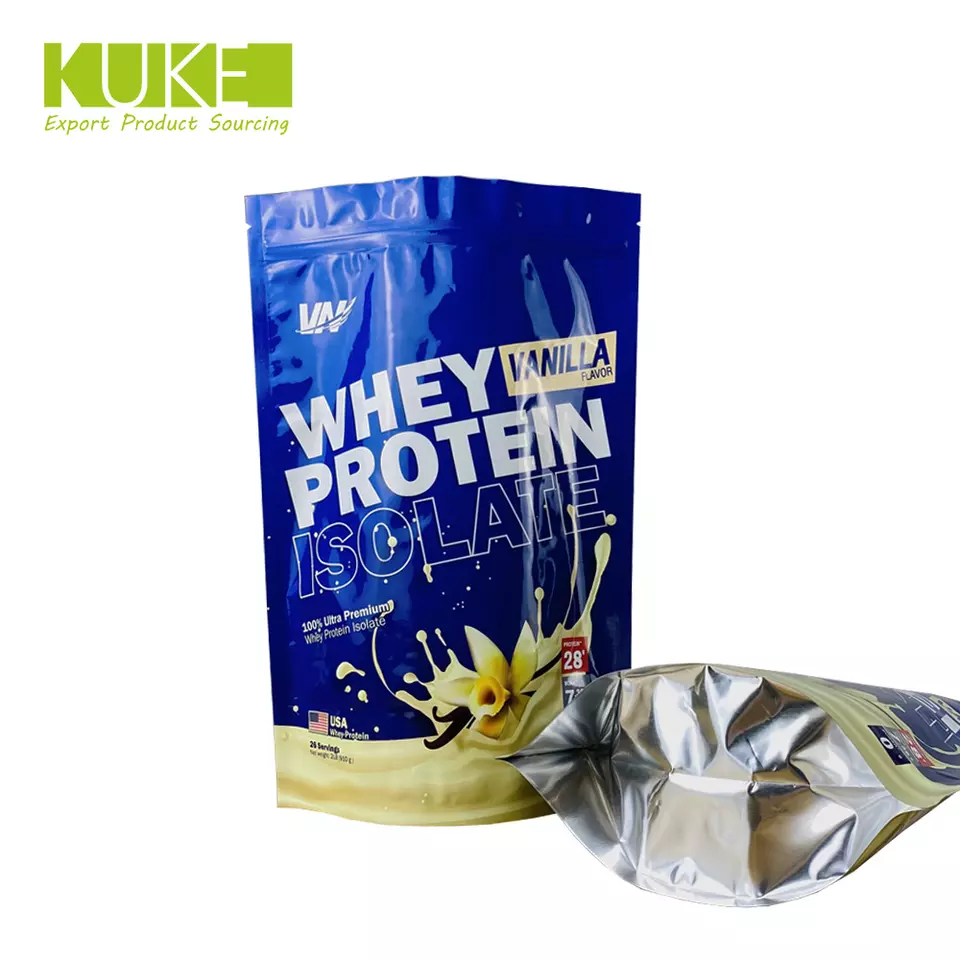
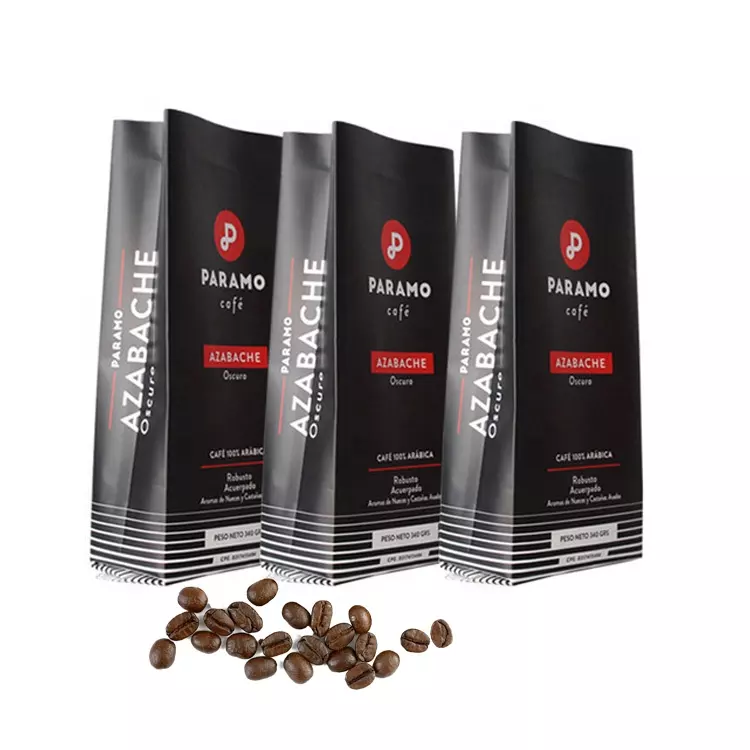
Customized printing options for distinctive pet food pouches.
Application Case Studies and Proven Success
Our commitment to quality and innovation in pet food pouch manufacturing is validated through numerous successful partnerships and real-world application case studies. These examples demonstrate how tailored packaging solutions translate into tangible business benefits for our clients.
Case Study 1: Premium Dry Kibble Brand – Enhanced Shelf Life & Brand Appeal
A rapidly growing premium dry kibble brand sought to extend its product's shelf life and elevate its brand image to match the high-quality ingredients within. They previously used a basic resealable dog food bag with limited barrier properties.
- Challenge: Oxidation of fats leading to reduced palatability and shorter shelf life; packaging lacked premium aesthetic.
- Solution: We developed a custom quad-seal flat bottom pet food pouch with a high-barrier PET/AL/PE laminate, featuring a robust resealable zipper. The design incorporated a matte finish with spot UV elements and vibrant rotogravure printing.
- Results:
- Increased product shelf life by 35% by reducing OTR by 70%.
- Customer feedback indicated a 20% increase in perceived product quality.
- Achieved a 15% growth in market share within 12 months post-relaunch, attributed partly to enhanced packaging.
Case Study 2: Organic Pet Treat Company – Sustainable & Convenient Packaging
An organic pet treat manufacturer aimed to transition to more sustainable packaging while maintaining product freshness and consumer convenience for their pet treat bags.
- Challenge: Existing packaging was not eco-friendly; desired a strong barrier for freshness with a sustainable profile.
- Solution: We engineered a stand-up pouch made from a mono-material PE laminate, designed for recyclability, featuring an oxygen barrier coating and a compostable zipper. The graphics showcased their organic certification prominently.
- Results:
- Achieved 100% recyclability for their pet food bags, aligning with brand values.
- Maintained excellent WVTR and OTR, ensuring product freshness equivalent to previous non-recyclable packaging.
- Received positive media attention and a 10% increase in customer loyalty from eco-conscious consumers.
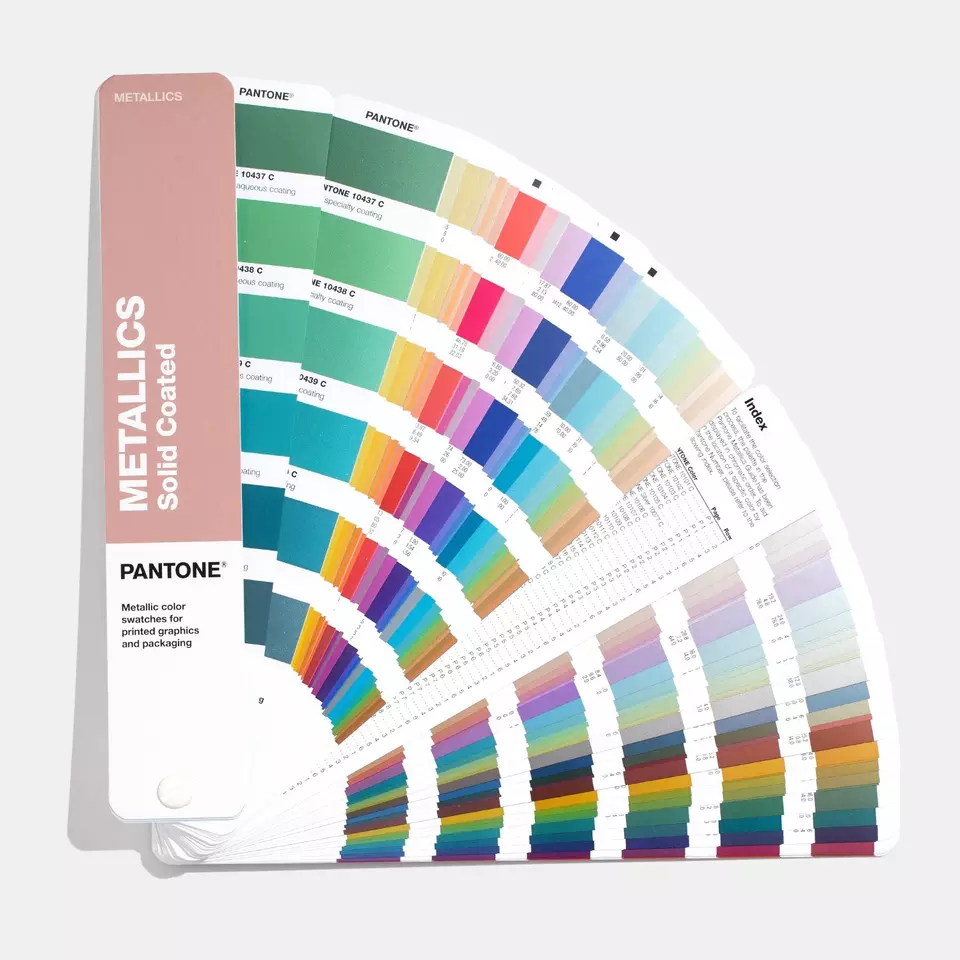
Diverse pet food pouch designs demonstrating customizability.
Trustworthiness and Support: Your Partner in Pet Food Packaging
Establishing long-term partnerships built on trust and reliability is fundamental to our operations. We ensure transparency in our processes, offer clear commitments, and provide comprehensive support for every customized pet food pouch order.
Frequently Asked Questions (FAQ):
- Q: What is the typical lead time for custom pet food pouch orders?
- A: Our standard lead time for customized pet food bags ranges from 15-25 business days after final artwork and deposit approval. This includes production, quality control, and packaging. Expedited options may be available upon request for urgent projects.
- Q: What are your Minimum Order Quantity (MOQ) requirements?
- A: MOQs for custom printed pet food packaging bag typically start from 5,000 to 10,000 units, depending on pouch size, material complexity, and printing requirements. We encourage discussing your specific needs as we strive for flexibility.
- Q: Can you help with design and artwork preparation?
- A: Yes, our in-house design team can assist with artwork review, technical layout, and provide recommendations to ensure optimal print quality for your pet treat bags. We can work with various file formats.
- Q: What are your sustainability options for packaging?
- A: We offer a growing range of sustainable solutions, including mono-material recyclable films (PE/PE, PP/PP), compostable options (PLA-based), and pouches made with post-consumer recycled (PCR) content. We are committed to developing more eco-friendly resealable dog food bag alternatives.
Lead Time and Fulfillment:
We understand the importance of timely delivery in a fast-paced market. Our streamlined production process, coupled with robust supply chain management, ensures consistent and predictable lead times. Initial proofs are typically ready within 3-5 days, plate making 7-10 days, and production 15-20 days. Global shipping logistics are managed efficiently, with options for sea freight or air freight based on client urgency and cost preferences.
Warranty and Quality Commitment:
Every product manufactured by us comes with a guarantee of quality and performance, backed by our ISO 9001 and FSSC 22000 certifications. We commit to manufacturing products free from material defects and adhering strictly to agreed-upon specifications. In the unlikely event of any manufacturing defect, we offer clear protocols for resolution, including replacement or credit. Our commitment is to ensure your complete satisfaction.
Dedicated Customer Support:
Our dedicated account managers and technical support team are available to assist you throughout the entire process—from initial concept and material selection to post-delivery support. We provide expert guidance on packaging design, material science, and regulatory compliance to ensure your pet food packaging bag not only meets but exceeds expectations.
Certifications, Authoritative Compliance, and Industry Leadership
Our position as a leading provider of advanced flexible packaging solutions is underpinned by a robust framework of certifications, adherence to global standards, and a proven track record of successful client partnerships. These credentials affirm our commitment to quality, safety, and operational excellence.
- ISO 9001:2015 Certification: Demonstrates our consistent ability to provide products and services that meet customer and regulatory requirements, and our commitment to continuous improvement in quality management systems.
- FSSC 22000 Food Safety System Certification: This internationally recognized standard ensures the highest levels of food safety throughout our manufacturing processes, guaranteeing that our pet food packaging bag products are safe for direct food contact.
- FDA Compliance (21 CFR): All food-contact materials used in our pouches comply with the relevant sections of the U.S. Food and Drug Administration (FDA) regulations, ensuring safety and legality for the North American market.
- Years of Service & Global Partnerships: With over two decades of experience in flexible packaging, we have cultivated enduring partnerships with major pet food brands and emerging enterprises across five continents. Our long-standing relationships are a testament to our reliability and consistent performance in delivering high-quality pet treat bags and resealable dog food bags.
We regularly participate in industry forums and collaborate with material science experts to stay at the forefront of packaging innovation. Our extensive testing data, meticulously documented and verified, provides concrete evidence of our product performance, ensuring that every solution we provide meets stringent quality benchmarks.
Conclusion
The modern pet food market demands packaging that is as sophisticated and nurturing as the products it contains. Our advanced pet food pouch solutions combine cutting-edge material science, precision manufacturing, and extensive customization capabilities to deliver packaging that not only protects and preserves but also powerfully communicates brand values. By focusing on durability, convenience, aesthetic appeal, and sustainability, we empower pet food manufacturers to thrive in a competitive landscape, ensuring their products reach consumers in optimal condition while captivating their loyalty.
References:
- Flexible Packaging Association. (2020). "Life Cycle Assessment of Flexible Packaging." flexpack.org
- Food and Drug Administration. (2023). "CFR - Code of Federal Regulations Title 21." fda.gov
- International Organization for Standardization. (2015). "ISO 9001: Quality management systems – Requirements." iso.org
- Foundation FSSC 22000. (2022). "Food Safety System Certification 22000." fssc22000.com
- ASTM International. (Various). "Standards for Flexible Packaging." astm.org




- No. 6 Hefu Road, Hengjiang Industrial Zone, Gaoming District, Foshan, Guangdong Province,China
- Tel: 86-133 3649 8096
- Email:enid@bc-pak.com
-


