
Explore Types of Food Packaging: Pouches, Bags & Solutions
The Evolution of Food Packaging: Innovations Driving Industry Standards
In the dynamic landscape of the global food industry, the choice of packaging is paramount, influencing everything from product shelf-life and consumer safety to brand perception and environmental impact. Modern types of food packaging have transcended their traditional role as mere container111s, evolving into sophisticated engineering solutions that address complex challenges such as preserving freshness, extending shelf-life, and meeting stringent regulatory compliance. The industry is currently witnessing a significant shift towards flexible packaging solutions, particularly those that offer convenience, sustainability, and superior barrier properties. This evolution is driven by consumer demand for on-the-go convenience, portion control, and environmentally responsible options, alongside manufacturers' needs for cost-effective, efficient, and high-performance packaging. Specialized solutions, such as the Tea/Snacks/Pet Food Stand Up Pouch Packaging Bag, exemplify this trend by offering a blend of functionality, aesthetic appeal, and material science innovation. These pouches are engineered with multi-layer films that provide exceptional protection against oxygen, moisture, UV light, and other environmental factors, thereby safeguarding product integrity and sensory attributes. The strategic selection of packaging materials and design directly impacts a product's market viability and consumer appeal, making it a critical consideration for producers aiming for competitive advantage in today's crowded market.
Diverse Types of Pouches in Packaging: A Strategic Overview
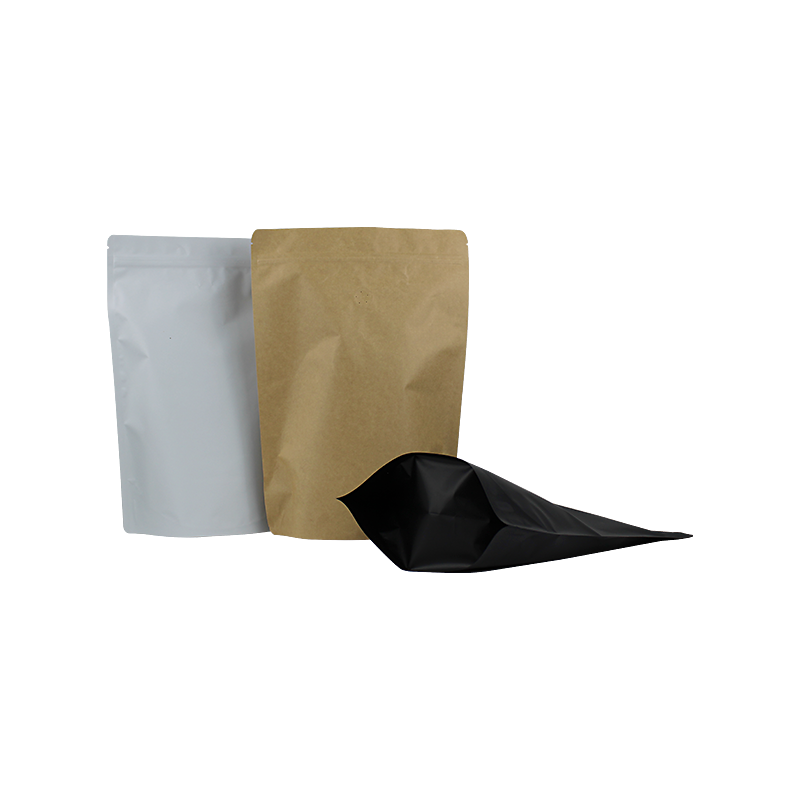
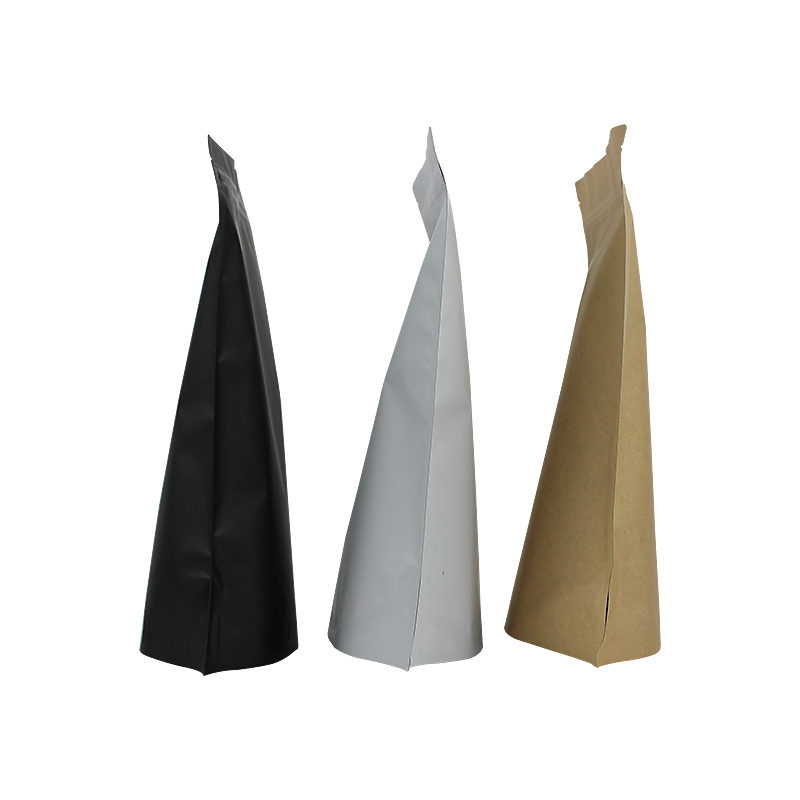
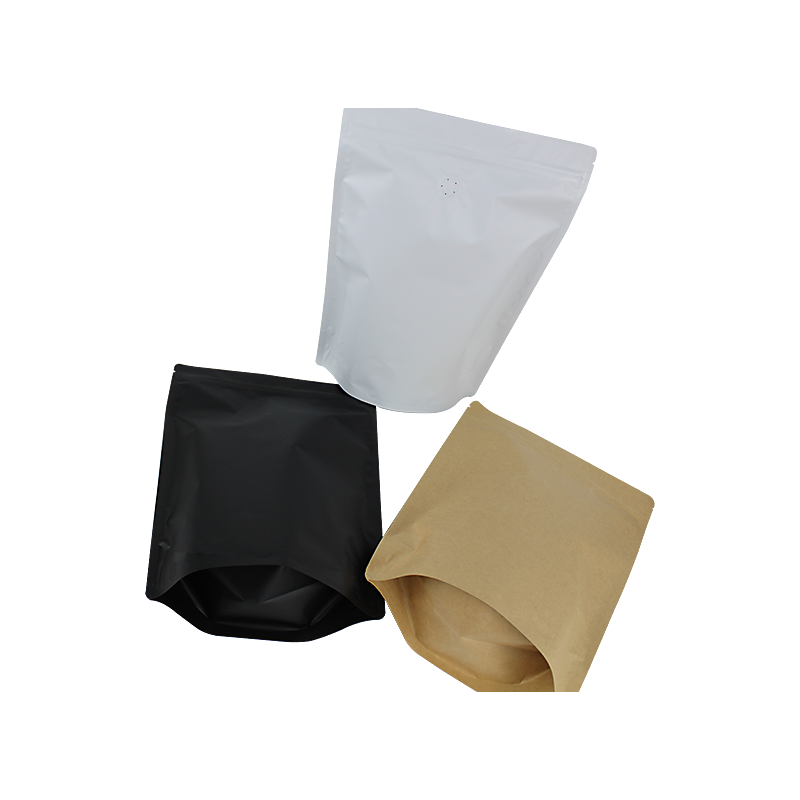
The realm of flexible packaging offers a vast array of types of pouches in packaging, each designed to meet specific product requirements and market demands. Among the most prevalent are stand-up pouches, flat pouches (or pillow pouches), three-side seal pouches, and quad seal pouches. Stand-up pouches, like the Tea/Snacks/Pet Food Stand Up Pouch Packaging Bag, are particularly popular due to their ability to stand upright on shelves, maximizing brand visibility and providing consumer convenience. Their gusseted bottoms, which can be Doyen or K-seal, allow for stable display and efficient filling. The material composition typically involves a laminate of several layers, often including PET (Polyethylene Terephthalate) for rigidity and printability, aluminum foil or metallized film for barrier properties, and LLDPE (Linear Low-Density Polyethylene) for heat sealing and strength. This multi-layer construction is crucial for protecting contents from external elements such as oxygen, moisture, and UV light, which are primary factors in food spoilage. Beyond stand-up designs, different types of pouch packaging cater to varied applications, from single-serving snacks to bulk ingredients. Flat pouches are cost-effective for smaller, flat items, while three-side seal pouches offer robust protection for many products. Quad seal pouches, with their four distinct seals and a flat bottom, are excellent for heavier products or those requiring a premium presentation. The selection process for these packaging types involves a detailed analysis of product characteristics, desired shelf-life, distribution methods, and target consumer interaction, ensuring that the chosen pouch not only protects the product but also enhances its market appeal and functional utility.
The Advanced Manufacturing Process for Flexible Food Packaging
The manufacturing of advanced types of food packaging, specifically flexible pouches, is a complex, multi-stage process that emphasizes precision, hygiene, and material integrity. It typically begins with raw material selection, where various polymer films (e.g., PET, Nylon, PE, PP), aluminum foil, or metallized films are chosen based on the required barrier properties, strength, and printability for the end product. The primary manufacturing processes include gravure or flexographic printing, lamination, slitting, and pouch forming. Printing involves applying intricate designs and branding onto the film layers, often in multiple colors, requiring high-resolution imaging and color registration accuracy. Lamination is a critical step where different film layers are bonded together using specialized adhesives, creating a composite material with enhanced barrier properties, mechanical strength, and sealability. This multi-layer structure is essential for protecting sensitive products like tea, snacks, and pet food from oxygen ingress, moisture absorption, and UV degradation, thereby extending their shelf life significantly. After lamination, the large rolls of material are slit into narrower widths suitable for the pouch-making machines. The final stage, pouch forming, involves precisely cutting and sealing the laminated film into the desired pouch shape, such as stand-up pouches with gussets and zippers, or various types of packaging bags. Quality control is integrated throughout the entire process, with rigorous testing for seal integrity, barrier performance (e.g., Oxygen Transmission Rate (OTR) and Water Vapor Transmission Rate (WVTR)), material thickness uniformity, and print quality. Adherence to international standards such as ISO 9001 for quality management and FDA/BRC certifications for food contact materials is paramount, ensuring the safety and reliability of the final packaging product. The typical service life of such packaging is determined by the shelf-life it affords the product, often ranging from 6 months to 2 years, depending on the product and specific barrier properties of the pouch. This robust manufacturing ensures the packaging meets the demanding requirements of industries such as food and beverage, pet food, and nutraceuticals, offering advantages in product preservation and consumer convenience.
Technical Specifications and Performance Metrics for Flexible Food Packaging
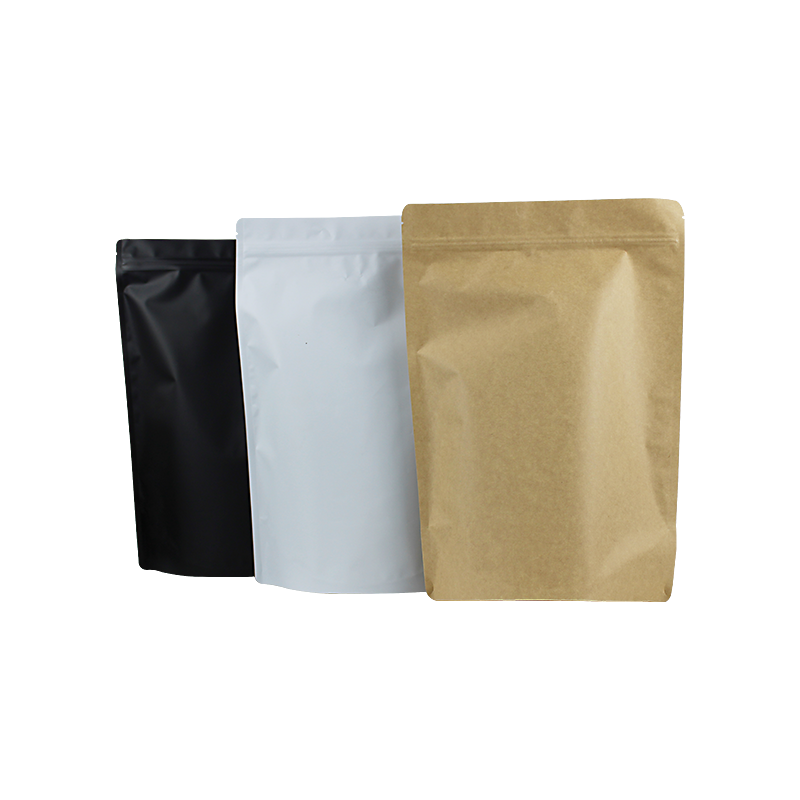
Understanding the technical parameters of types of food packaging is crucial for B2B decision-makers. For solutions like the Tea/Snacks/Pet Food Stand Up Pouch Packaging Bag, these specifications dictate performance, compatibility, and shelf-life efficacy. Key parameters include material composition, thickness, barrier properties, and sealing capabilities. For instance, a common structure might involve PET/AL/PE, where PET (Polyethylene Terephthalate) offers stiffness and printability, AL (Aluminum Foil) provides superior oxygen and moisture barrier, and PE (Polyethylene) ensures excellent heat-sealability. The total thickness typically ranges from 80 to 180 microns, depending on the product's protection requirements. Barrier properties are quantified by Oxygen Transmission Rate (OTR) and Water Vapor Transmission Rate (WVTR). A low OTR (e.g., different types of pouch packaging allows for various sizes and shapes, accommodating volumes from a few grams to several kilograms, making them ideal for everything from single-serve snacks to bulk resealable bags for pet food. These technical specifications directly impact the packaging's ability to preserve freshness, prevent contamination, and withstand the rigors of transportation and storage. Collaborating with a manufacturer who can precisely tailor these parameters to specific product needs is essential for optimizing both product quality and supply chain efficiency.
Typical Stand-Up Pouch Specifications
| Parameter | Description | Typical Range/Value |
|---|---|---|
| Material Structure | Common laminates for optimal barrier & strength | PET/AL/PE, PET/VMPET/PE, BOPP/CPP, PET/NY/PE |
| Total Thickness | Overall gauge of the multi-layer film | 80 - 180 microns (3.15 - 7.09 mil) |
| Oxygen Transmission Rate (OTR) | Measures oxygen permeation through the material | |
| Water Vapor Transmission Rate (WVTR) | Measures water vapor permeation through the material | |
| Tensile Strength | Resistance to breaking under tension | > 30 MPa |
| Seal Strength | Strength of the heat seals | > 15 N/15mm |
| Features | Additional functionalities | Re-closable Zipper, Tear Notch, Spout, Valve |
| Print Capability | Number of colors and printing technology | Up to 10 colors, Gravure/Flexo Printing |
Application Scenarios and Strategic Advantages of Modern Food Packaging Solutions
The strategic application of advanced types of food packaging extends across numerous industries, bringing a myriad of technical and commercial advantages. For the Tea/Snacks/Pet Food Stand Up Pouch Packaging Bag, its versatility makes it an ideal choice for a diverse range of products. In the tea industry, these pouches provide excellent moisture and aroma barriers, crucial for preserving the delicate flavors and freshness of various tea leaves, from loose leaf to tea bags. For snack manufacturers, the barrier properties are essential for preventing staleness and maintaining crispness, ensuring consumer satisfaction. In the rapidly expanding pet food market, the ability to offer various sizes, including bulk resealable bags, combined with robust barrier protection against oxidation and moisture, significantly extends the shelf life of kibble and treats while offering convenience to pet owners. Beyond preservation, these pouches offer significant advantages in logistics and branding. Their lightweight nature reduces shipping costs and environmental footprint compared to rigid packaging alternatives. The stand-up feature allows for prominent shelf display, enhancing brand visibility and consumer appeal, while the large printable surface offers ample space for vibrant graphics, product information, and regulatory details. Furthermore, the inclusion of re-closable zippers in many types of packaging bags adds immense value for consumers, ensuring product freshness after opening and facilitating portion control. From an operational perspective, these flexible packaging solutions are compatible with high-speed automated filling lines, improving production efficiency and reducing labor costs. The overall technical advantages—superior barrier performance, enhanced product protection, extended shelf life, reduced logistics costs, and strong branding potential—make modern flexible packaging a compelling choice for businesses seeking to optimize their product delivery and market presence.
Choosing Your Packaging Partner: Customization and Collaborative Solutions
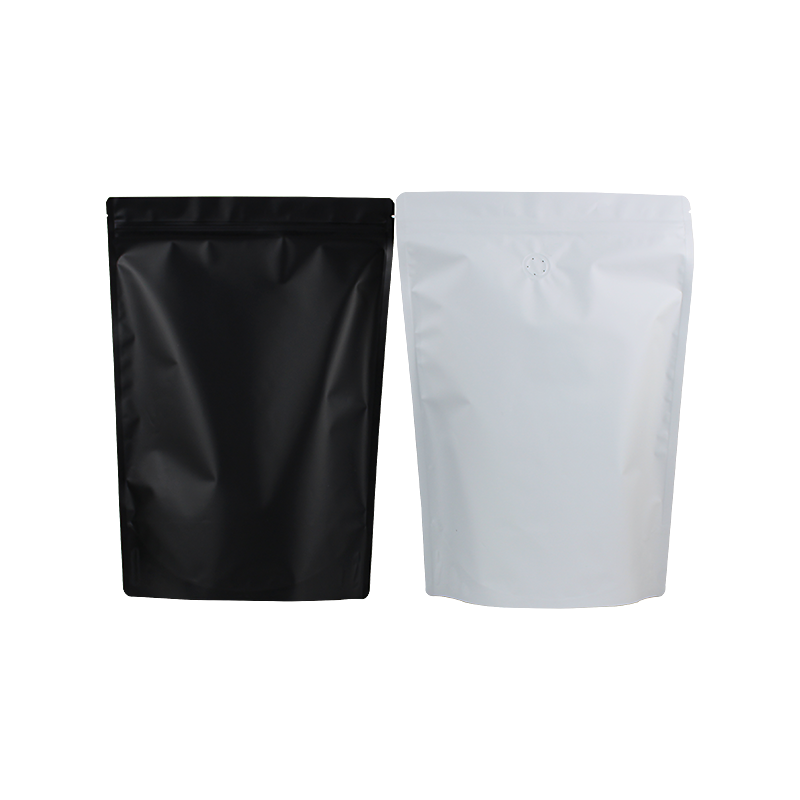
When selecting a manufacturing partner for specialized types of food packaging, such as the Tea/Snacks/Pet Food Stand Up Pouch Packaging Bag, businesses must evaluate several critical factors beyond just price. Expertise in material science, advanced printing technologies, and a deep understanding of food safety regulations are paramount. A reputable manufacturer will possess certifications like ISO 9001, FDA compliance, and BRCGS (Brand Reputation Compliance Global Standards) accreditation, demonstrating their commitment to quality and safety. DSLpack, for instance, has over 15 years of dedicated experience in flexible packaging, providing tailored solutions to a global clientele. This extensive background translates into a nuanced understanding of varying market demands and product specificities. While generic manufacturers might offer standard types of packaging bags, a specialized partner excels in providing comprehensive customization solutions. This includes precise material selection based on desired shelf-life and product characteristics, custom printing (up to 10 colors for vibrant branding), and a wide array of functional features like re-closable zippers, spouts, and tear notches. The ability to offer bespoke dimensions, barrier properties, and finishing options ensures that the packaging perfectly aligns with a brand's vision and operational requirements. Furthermore, a strong partner will offer technical support and consultancy, guiding clients through the complexities of packaging design, material compatibility, and regulatory compliance. This collaborative approach ensures that the final product not only looks appealing but also performs optimally under real-world conditions, safeguarding brand reputation and consumer trust. Case studies from satisfied clients in the tea, snack, and pet food sectors highlight the tangible benefits of such partnerships, demonstrating extended product freshness, reduced waste, and increased market share through superior packaging.
Ensuring Trust and Reliability: Quality Assurance and Customer Support
Building trust in the B2B flexible packaging sector revolves around robust quality assurance, transparent processes, and unwavering customer support. For all types of food packaging, particularly those designed for sensitive products, rigorous testing protocols are non-negotiable. This includes pre-production material checks, in-process quality control for print registration, lamination integrity, and seal strength, and final product inspections for defects. Manufacturers committed to excellence will provide comprehensive documentation, including Certificates of Analysis (CoA) for raw materials and finished products, affirming compliance with relevant food safety standards like FDA and BRCGS. For instance, our production facilities employ advanced inspection systems to detect even minor imperfections, ensuring every Tea/Snacks/Pet Food Stand Up Pouch Packaging Bag meets the highest standards. In terms of customer experience, a clear delivery schedule and dependable logistics are crucial. Standard lead times typically range from 15-25 business days for custom orders, varying based on complexity and volume, with expedited options available for urgent requirements. Post-delivery, a solid warranty policy covering manufacturing defects provides peace of mind, reinforcing a manufacturer's confidence in their product. Exceptional customer support, available through multiple channels (phone, email, dedicated account managers), is essential for addressing queries, providing technical assistance, and facilitating smooth collaboration from initial concept to recurring orders. This holistic approach to quality, delivery, and support not only minimizes risks for the client but also fosters long-term partnerships built on reliability and mutual success. Engaging with a supplier that prioritizes these aspects ensures that businesses receive not just high-quality types of packaging bags, but a comprehensive, trustworthy solution for their packaging needs.
Frequently Asked Questions (FAQs)
Q1: What are the standard lead times for custom stand-up pouches?
A1: For custom printed Tea/Snacks/Pet Food Stand Up Pouch Packaging Bags, the typical lead time for production is 15-25 business days after artwork approval and deposit, depending on order volume and complexity. Rush orders can often be accommodated.
Q2: What quality certifications do your flexible packaging products hold?
A2: Our facilities and products adhere to stringent international standards, including ISO 9001 for quality management, and are compliant with FDA (Food and Drug Administration) regulations and BRCGS (Brand Reputation Compliance Global Standards) for food safety and packaging materials.
Q3: What types of food can be packaged in your stand-up pouches?
A3: Our stand-up pouches are versatile and suitable for a wide range of food products, including but not limited to dry goods like tea, coffee, nuts, dried fruits, granola, spices, snacks, confectionery, and various types of pet food (kibble, treats). We tailor barrier properties to specific product needs.
References
- Robertson, G. L. (2016). Food Packaging: Principles and Practice. CRC Press.
- Coles, R., McDowell, D., & Kirwan, M. J. (2003). Food Packaging Technology. Blackwell Publishing.
- Packaging Digest. (Various editions). Industry insights on flexible packaging trends and innovations.
- The Flexible Packaging Association (FPA). (Various publications). Data and reports on the flexible packaging market.


- No. 6 Hefu Road, Hengjiang Industrial Zone, Gaoming District, Foshan, Guangdong Province,China
- Tel: 86-133 3649 8096
- Email:enid@bc-pak.com
-


