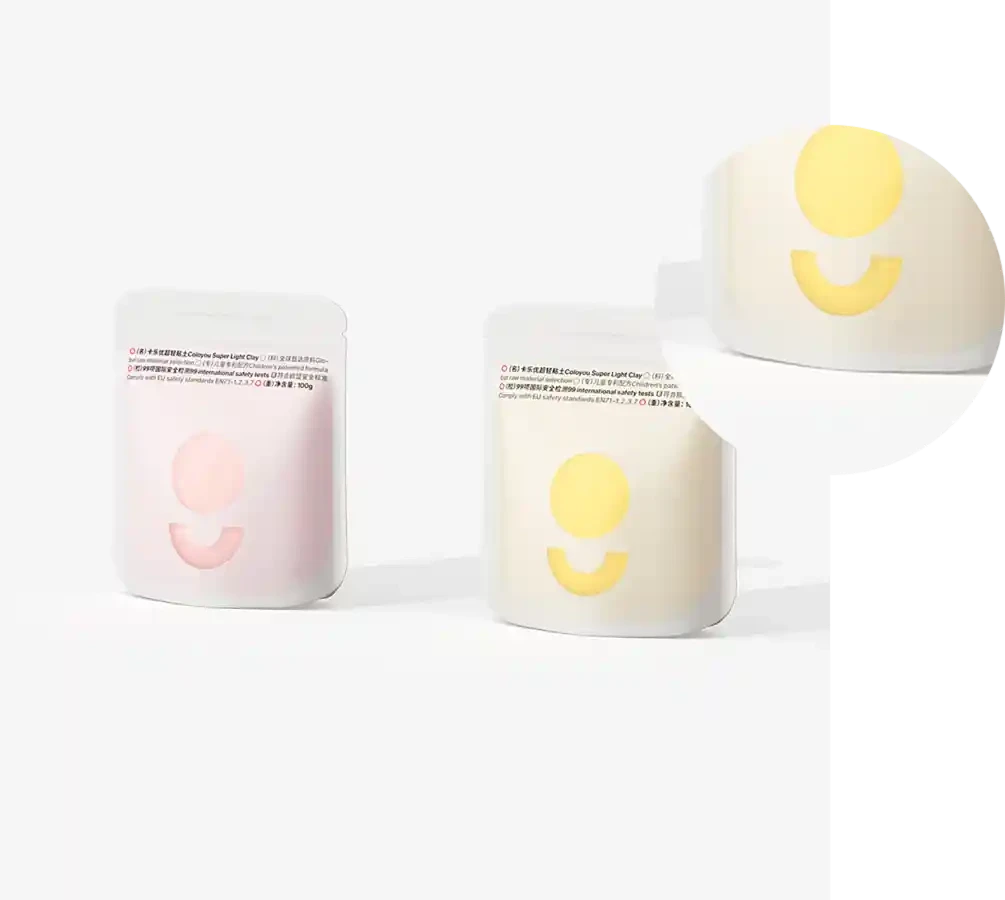
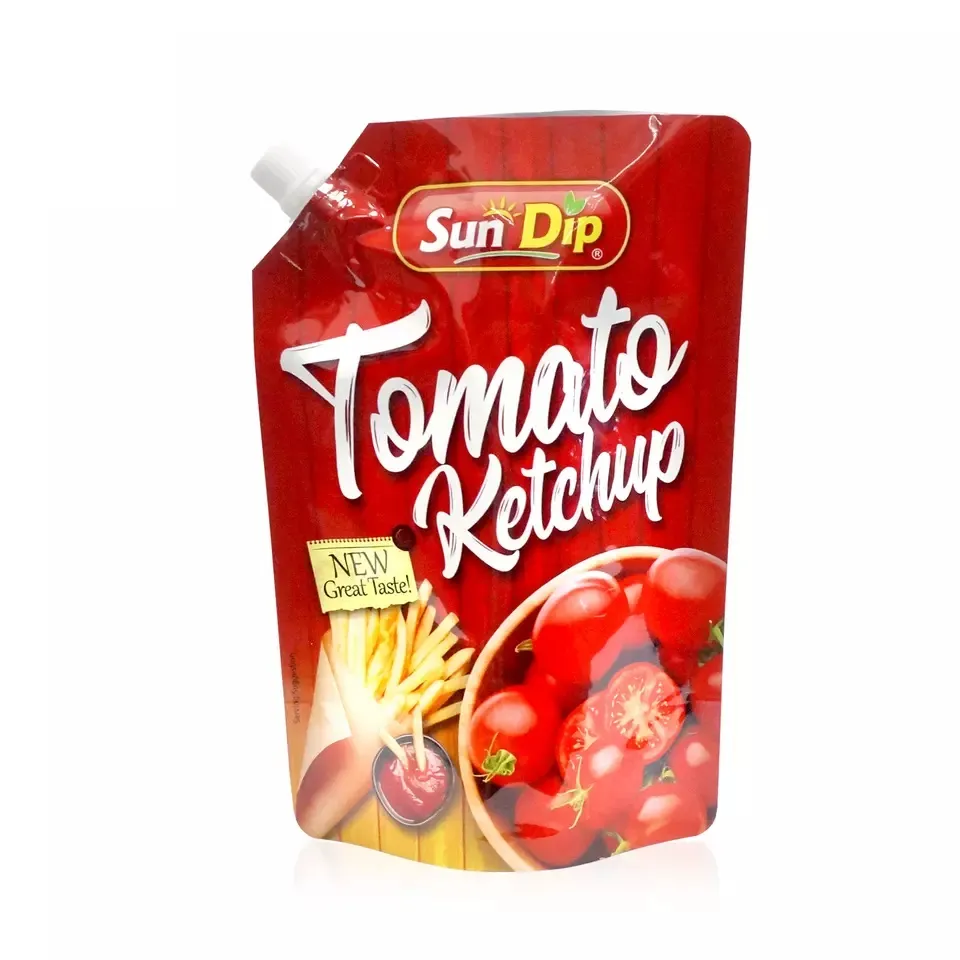
Premium Pouch Packaging Solutions for New Zealand's Specialty Market

Elevating the standards of beverage and retail packaging across Oceania with high-barrier, sustainable, and innovative plastic and paper solutions.

Premium Pouch Packaging Solutions for New Zealand's Specialty Market

Providing New Zealand businesses with industry-leading pouch packaging that combines structural integrity with exceptional aesthetic appeal for the competitive Oceania market.

The Landscape of Plastic Packaging in New Zealand

Analyzing the intersection of Oceania's environmental regulations and high-end consumer demand.

New Zealand's packaging industry is currently defined by a rigorous transition toward circularity, driven by the country's strong environmental ethos and strict government mandates on single-use plastics. For businesses utilizing paper carrier bags, the shift is not merely about material substitution but about enhancing durability to withstand the diverse climatic conditions of the North and South Islands.

In the specialty beverage sector, there is a surging demand for convenience without compromising quality. The adoption of drip coffee bag technology has seen a significant uptick in urban centers like Auckland and Wellington, where the "on-the-go" culture meets a sophisticated palate for artisanal roasts.

Economic pressures and the need for efficient logistics in the Oceania region have pushed manufacturers toward lightweight yet high-barrier plastics. This ensures that coffee tea bags maintain their aromatic integrity during long-distance domestic transit, preventing oxidation and flavor loss.
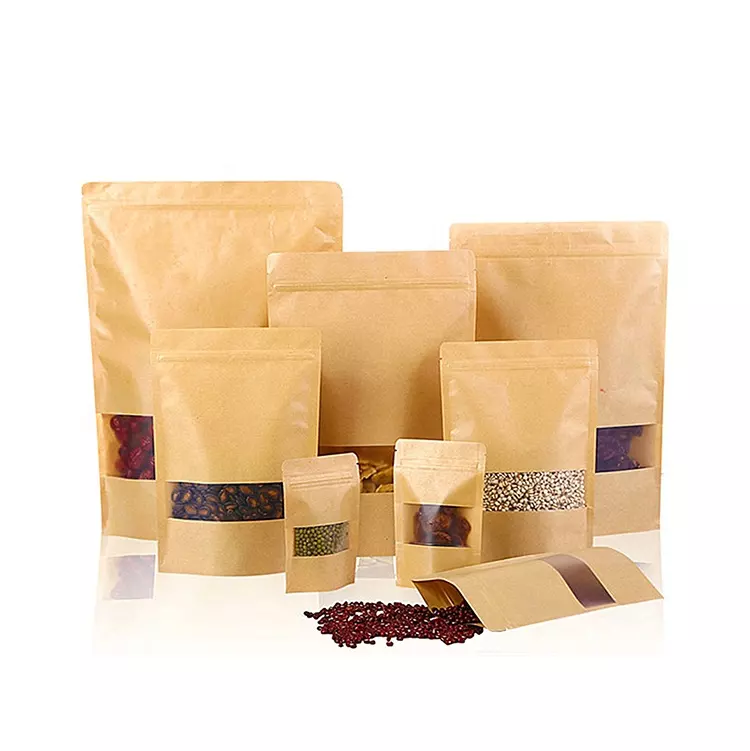
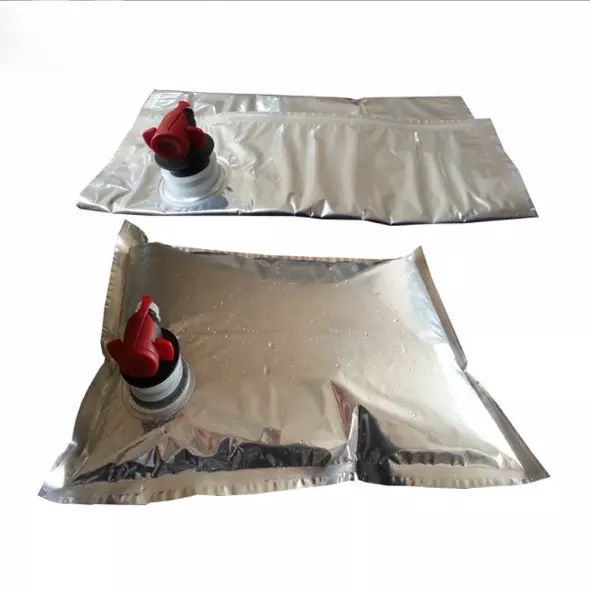
Evolution and Trajectory of Packaging Technology

From basic containment to intelligent, sustainable delivery systems.

Market Development History

During the early 2000s, New Zealand's packaging was dominated by generic plastic films and basic paper sacks. The focus was primarily on containment rather than preservation, with limited barrier properties for specialty goods.

By 2010-2015, the market experienced a technical leap with the introduction of multi-layer lamination. This era saw the rise of sophisticated coffee and tea bags, integrating aluminum layers to block UV light and moisture, catering to the growing boutique cafe culture.

From 2018 to the present, the trajectory has shifted toward "Eco-Functionalism." The industry has pivoted toward compostable polymers and FSC-certified papers, optimizing the balance between plastic reduction and shelf-life extension.

Future Development Trends

Bio-Polymer Integration

Integration of seaweed-based and cornstarch polymers to replace traditional plastics in flexible pouches, aligning with New Zealand's zero-waste goals.

Smart Barrier Coatings

Implementation of nano-coatings that provide oxygen barriers equivalent to aluminum but remain fully recyclable within existing local infrastructure.

Personalized Micro-Packaging

A move toward hyper-personalized, small-batch packaging runs enabled by digital printing, allowing local roasters to iterate products rapidly.

Industry Trends & Future Outlook for Oceania

Predicting the next wave of innovation in the non-metallic mineral and plastic packaging sector.

Circular Materiality
Transitioning to 100% mono-material structures to ensure full recyclability in NZ's waste streams.
Eco-Friendly Logistics
Reducing volumetric weight through optimized pouch designs to lower carbon footprints in transport.
Active Packaging
Incorporating oxygen scavengers and moisture absorbers directly into the film layers.
Digital Traceability
Using QR codes on packaging to provide consumers with origin data and recycling instructions.

Industry Outlook

Based on Google search trends in the Oceania region, "compostable packaging" and "plastic-free delivery" have seen a 40% year-on-year increase. This indicates a permanent shift in consumer psychology where the packaging is viewed as a reflection of the brand's ethical value.

Consequently, we expect the next 3-5 years to see a consolidation of materials, where only a few highly optimized, truly biodegradable options survive, while traditional multi-material plastics are phased out of the New Zealand retail landscape.

Localized Application Scenarios in New Zealand

Real-world implementation of advanced packaging for NZ's unique business ecosystem.

1. Auckland Urban Cafe Micro-Retail

Utilizing drip coffee bag solutions for high-traffic commuters, allowing artisan roasters to sell premium, single-serve experiences that require no machinery.

2. Queenstown Tourism Souvenir Packs

Implementing high-barrier pouch packaging for local honey and dried fruits, ensuring products remain fresh during international flights from New Zealand.

3. Wellington Organic Tea Boutiques

Deploying biodegradable coffee tea bags that align with the city's strong environmental activism and preference for plastic-free organics.

4. Christchurch Gourmet Food Markets

Providing reinforced paper carrier bags for artisan bakers and cheesemongers, combining high load-bearing capacity with a natural, rustic aesthetic.

5. Nationwide Subscription Coffee Boxes

Customized coffee and tea bags integrated into monthly subscription models, utilizing vacuum-sealed technology to maintain roast profiles across different climate zones.

Brand Story

Global Development Journey of Foshan Dunshang Trade Co., Ltd.

Foundational Engineering

Established with a focus on precision manufacturing, we began by solving the core problem of barrier leakage in industrial plastic packaging.

Material Innovation Phase

Invested in R&D to develop multi-layer composite films that significantly extended the shelf life of perishable organic goods.

Global Market Expansion

Expanded our reach into Oceania, tailoring our production lines to meet the specific regulatory and environmental standards of New Zealand.

Sustainability Pivot

Launched our green-line series, replacing traditional polymers with certified compostable materials without sacrificing structural strength.

Future-Ready Leadership

Now leading the industry in intelligent packaging, providing end-to-end solutions from material science to final brand delivery.

Packaging FAQ for New Zealand Businesses

Expert answers to the most common technical and regulatory questions in Oceania.

Are your drip coffee bag materials compliant with NZ waste regulations?

Yes, we provide a range of home-compostable and industrially compostable materials that align with the latest New Zealand environmental guidelines for single-use items.

What is the best pouch packaging for high-humidity coastal regions?

For coastal areas in Oceania, we recommend our high-barrier PET/AL/PE laminates which provide a superior moisture vapor transmission rate (MVTR) to prevent spoilage.

Can coffee tea bags be customized with local NZ branding?

Absolutely. We offer full-surface digital printing and rotogravure options to ensure your brand identity is perfectly represented on every single unit.

How do paper carrier bags handle heavy gourmet product loads?

Our carrier bags utilize reinforced GSM paper and high-strength adhesive handles, specifically engineered to support the weight of dense artisanal products.

What are the lead times for coffee and tea bags shipped to Oceania?

Depending on the customization level, production typically takes 15-25 days, with optimized shipping routes to ensure timely arrival in major NZ ports.

Do you offer MOQ flexibility for small-batch NZ roasters?

Yes, we support the growth of boutique businesses by offering flexible minimum order quantities for our standard pouch designs.

Ready to Optimize Your Packaging?

Contact our expert consultants today to implement world-class packaging solutions tailored for your business in New Zealand.

Contact Us Now