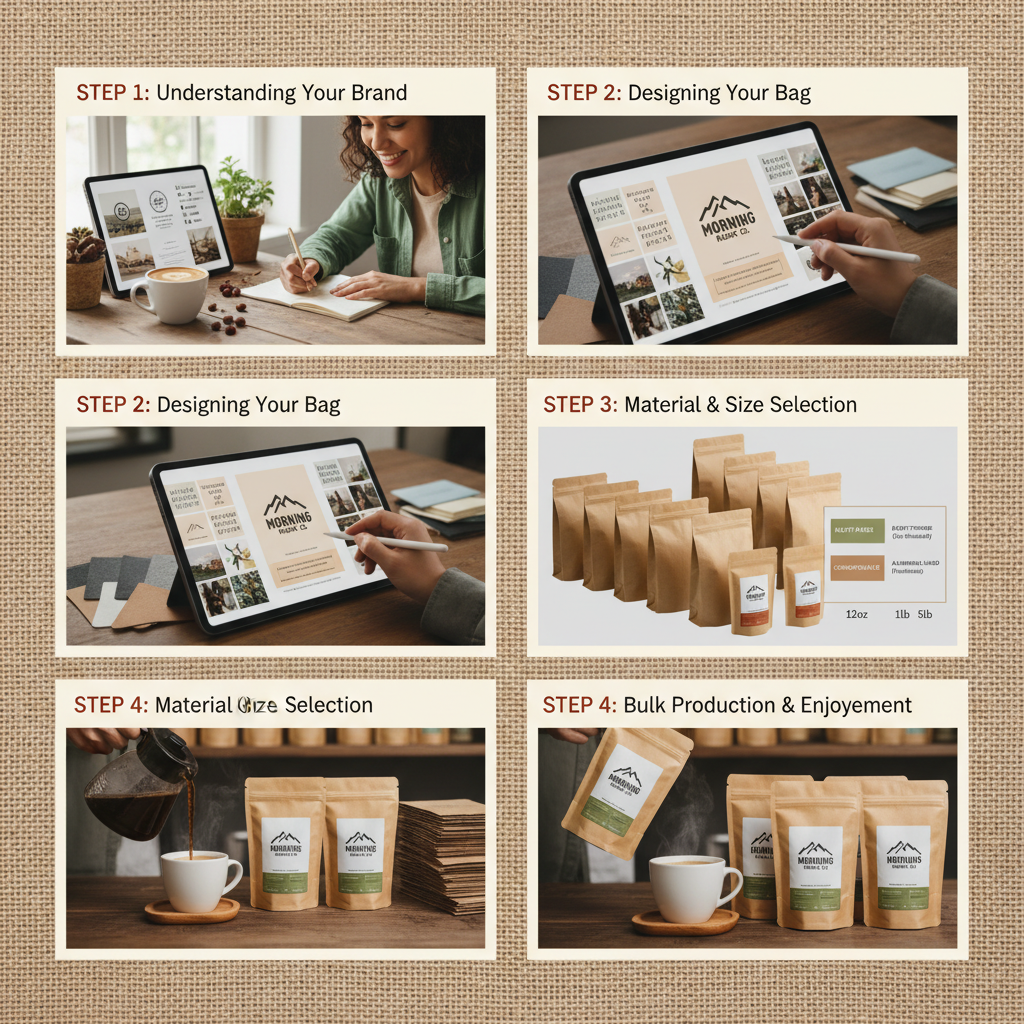
Coffee packaging bags suppliers play a critical role in the global coffee industry, ensuring the freshness, aroma, and quality of beans from origin to consumer. The demand for specialized packaging solutions is driven by the increasing consumption of specialty coffees and the need for extended shelf life. Effective coffee packaging not only preserves the product but also serves as a vital branding tool, influencing consumer purchasing decisions. Understanding the nuances of these suppliers – their materials, technologies, and capabilities – is paramount for coffee roasters and distributors seeking a competitive edge in a rapidly evolving market.
Globally, the coffee packaging market is estimated to be worth billions, with significant growth anticipated in emerging economies. Factors such as the rising disposable incomes and a growing coffee culture in regions like Asia-Pacific and Latin America are fueling this expansion. This escalating demand necessitates robust and reliable coffee packaging bags suppliers capable of meeting diverse needs, from small-batch artisanal roasters to large-scale commercial operations. The industry is currently facing challenges related to sustainability and the need for eco-friendly packaging alternatives.
Choosing the right coffee packaging bags supplier directly impacts product quality, shipping costs, and brand perception. A knowledgeable supplier can offer tailored solutions – valve bags, flat bottom pouches, side gusseted bags – optimized for specific coffee types and roast levels. Furthermore, navigating complex regulatory requirements concerning food safety and labeling demands a supplier with industry expertise and a commitment to compliance.
Introduction to Coffee Packaging Bags Suppliers
Coffee packaging bags suppliers are specialized manufacturers and distributors who provide the containers essential for storing and transporting coffee beans, ground coffee, and related products. They offer a wide array of materials and designs tailored to preserve freshness, protect against environmental factors, and enhance brand presentation. The scope of their services often includes custom printing, valve integration, and the sourcing of sustainable packaging materials.
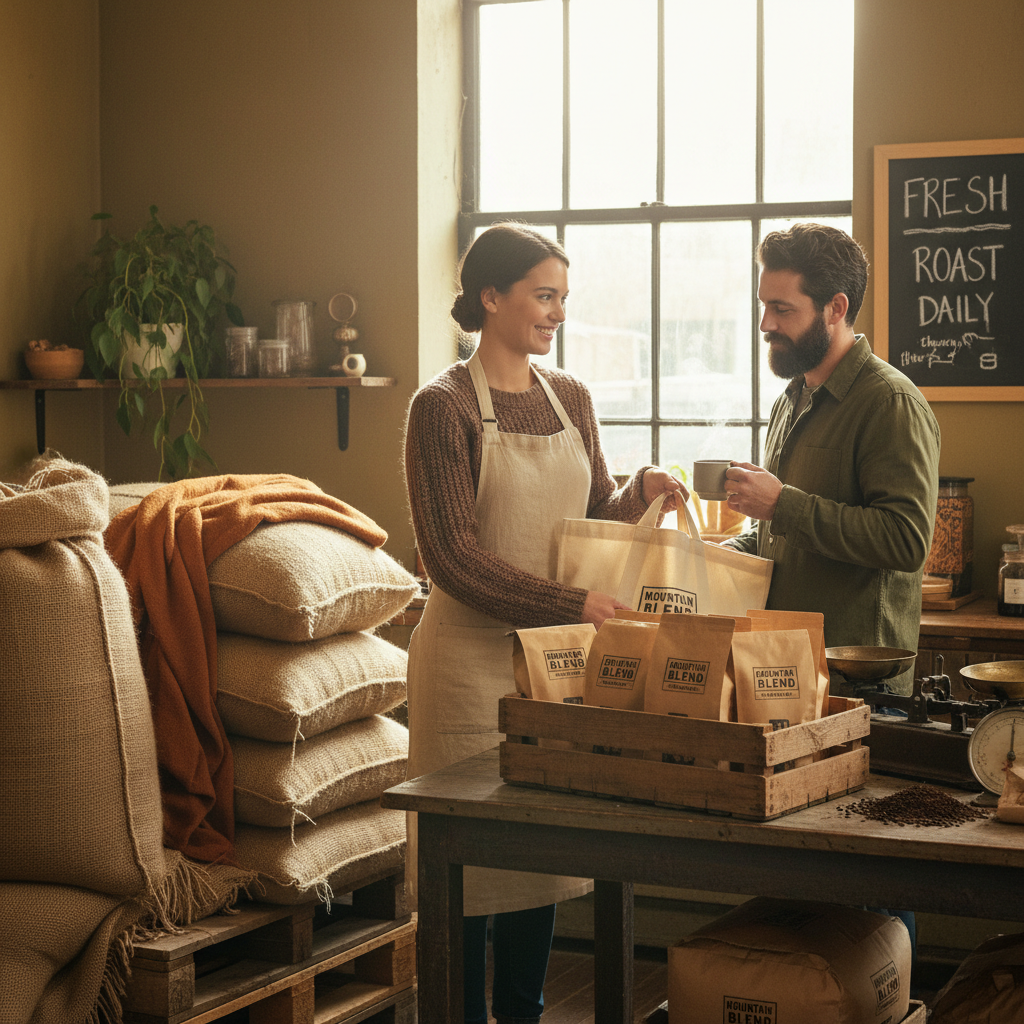
These suppliers are vital partners for coffee roasters, distributors, and retailers globally, serving as a crucial link in the supply chain. Their ability to deliver consistently high-quality packaging while remaining responsive to evolving market trends – like the demand for biodegradable and compostable options – is paramount to their success. The industry is highly competitive, with suppliers differentiating themselves through innovation, price, and customer service.
Defining Coffee Packaging Bags Suppliers
A coffee packaging bags supplier is more than just a manufacturer of bags; they are a solutions provider. They work closely with clients to understand their specific coffee characteristics (roast level, bean type, origin) and packaging requirements (size, shape, barrier properties). This collaborative approach allows them to recommend the most appropriate packaging material – such as multi-layer films, foil laminates, or kraft paper – and design features.
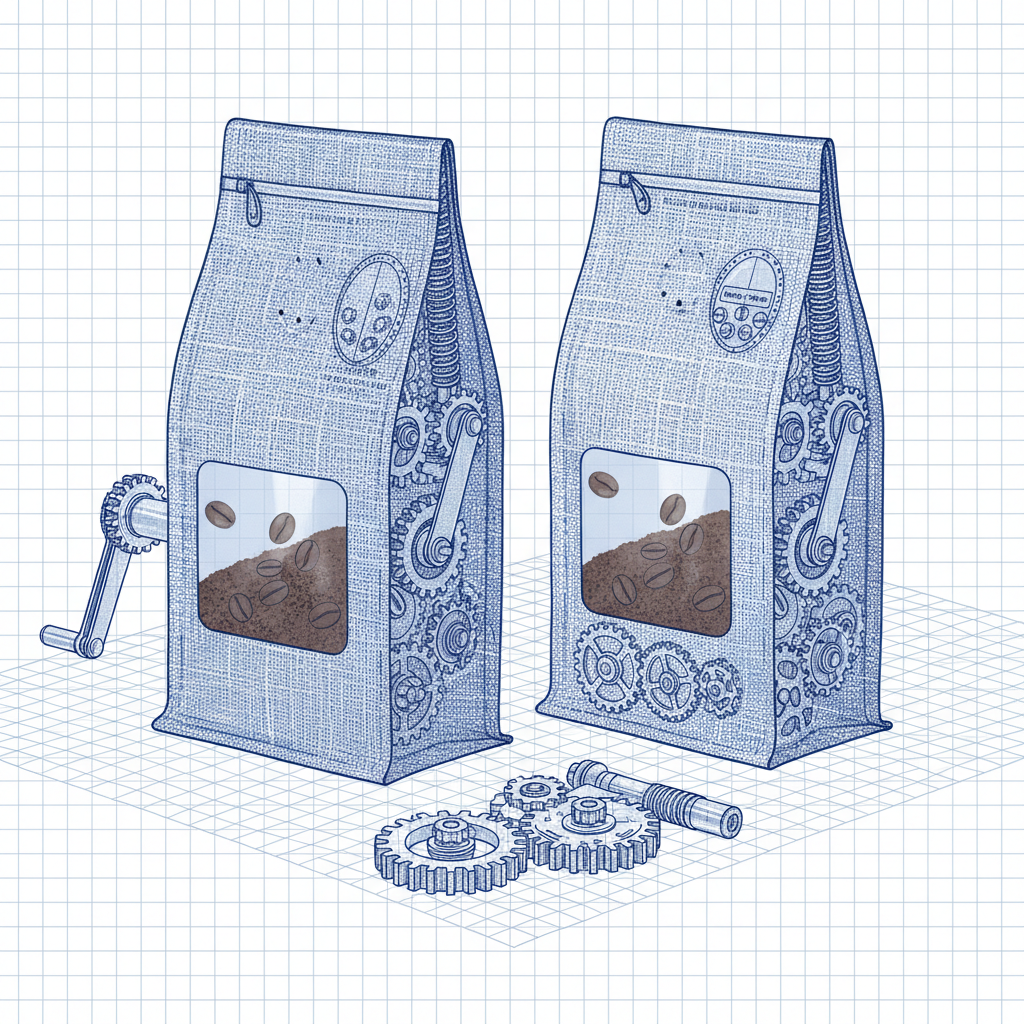
They provide various bag types, including flat bottom bags (often used for ground coffee), side gusseted bags (popular for whole beans), valve bags (allowing for degassing), and stand-up pouches. Their expertise extends to printing techniques, ensuring vibrant branding and essential product information are accurately displayed. Quality control is a core component of their operations, guaranteeing that packaging meets food safety standards and preserves coffee quality.
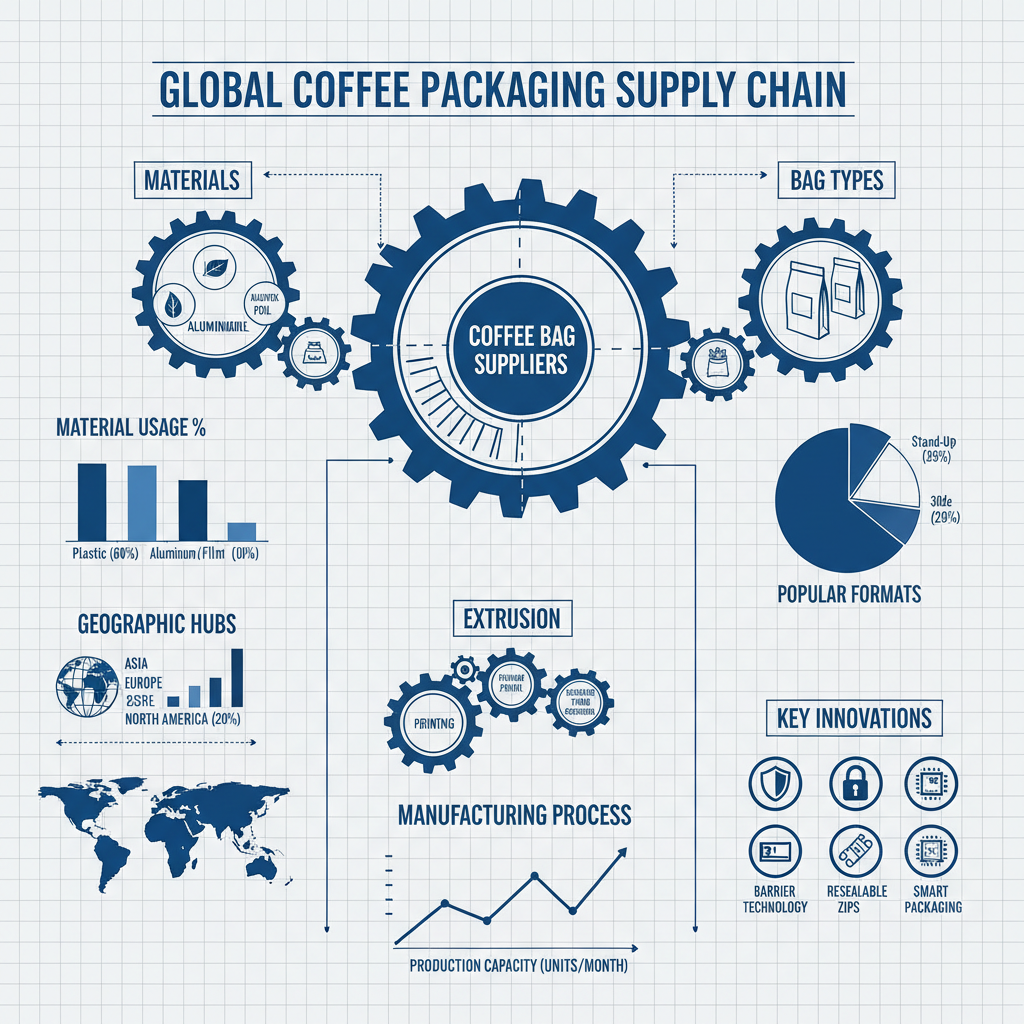
These suppliers connect directly to the modern global supply chain, acting as critical partners for coffee businesses of all sizes. Their capacity to scale production, manage inventory, and ensure timely delivery makes them essential for consistent operations and meeting consumer demand. Their role also extends to increasingly focusing on sustainable sourcing and providing eco-friendly options.
Key Factors in Selecting a Supplier
When choosing among coffee packaging bags suppliers, several key factors should be considered. Firstly, material quality is paramount. The packaging must provide an effective barrier against oxygen, moisture, and light – elements that degrade coffee's flavor and aroma. Secondly, customization options are important to ensure brand consistency and effective product communication. Suppliers should offer a range of printing capabilities and bag styles.
Thirdly, production capacity and lead times are critical, especially for businesses experiencing rapid growth or seasonal fluctuations in demand. A reliable supplier should be able to accommodate large orders and deliver within agreed-upon timelines. Fourthly, cost-effectiveness is crucial. Balancing quality with affordability requires careful consideration of material costs, printing expenses, and shipping fees.
Finally, sustainability practices are becoming increasingly important, with consumers demanding eco-friendly packaging solutions. Suppliers offering biodegradable, compostable, or recyclable materials demonstrate a commitment to environmental responsibility. Thorough vetting of certifications and adherence to ethical sourcing guidelines is essential when evaluating a potential partner.
Global Applications & Coffee Bean Preservation
Coffee packaging bags suppliers serve a diverse global market, from small-scale coffee farms in Colombia to large-scale roasters in North America and Europe. In post-disaster relief operations, robust and shelf-stable coffee packaging is invaluable for providing morale-boosting beverages to affected populations. Remote industrial zones, like mining camps, rely on long-lasting packaging to ensure consistent coffee supplies for workers.
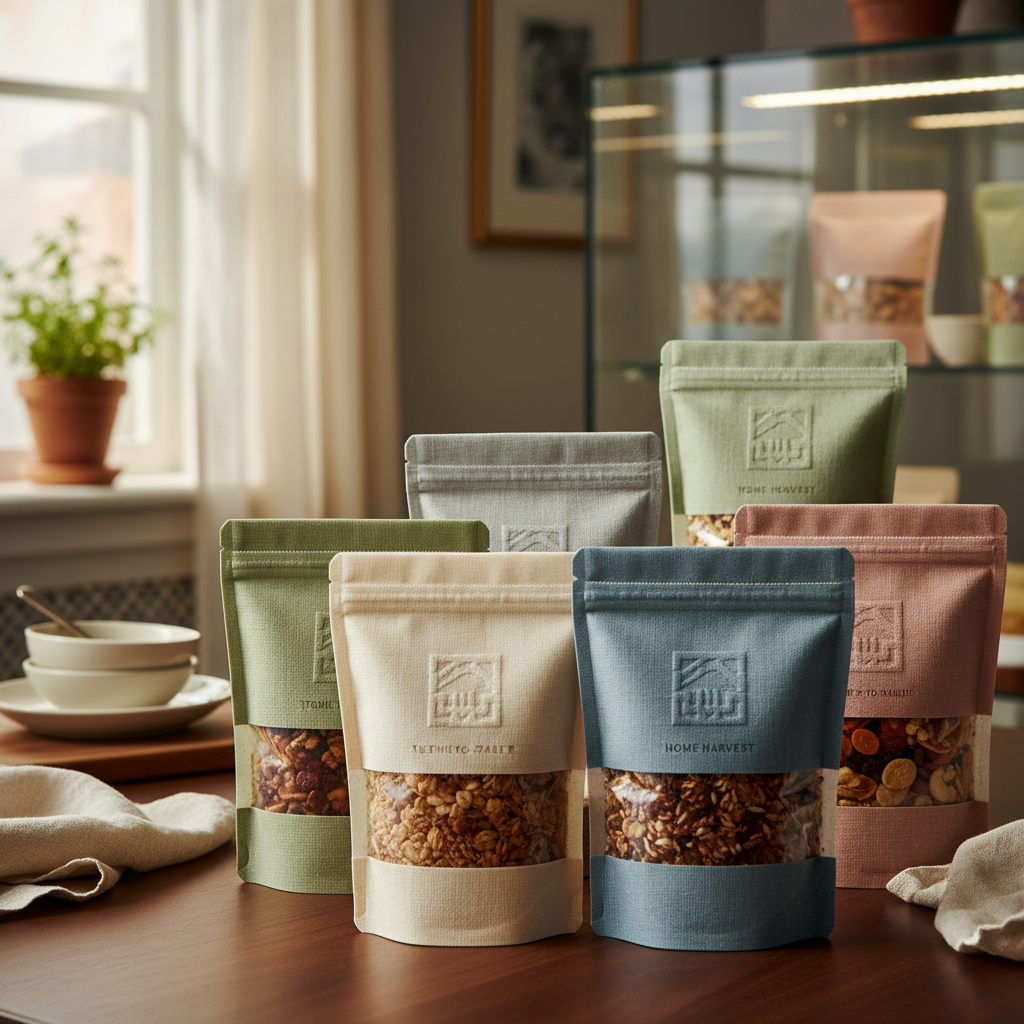
In regions with limited infrastructure, durable packaging helps protect coffee beans from pests and moisture during transport and storage. Specialty coffee roasters prioritize packaging that showcases their brand and emphasizes the unique characteristics of their beans. This often involves custom designs, sophisticated printing, and the use of premium materials.
The role of these suppliers extends beyond simply containing the coffee. Packaging designed with one-way valves allows carbon dioxide to escape, preventing the bag from bursting and preserving the coffee’s aroma. Specialized barrier films protect against oxidation, extending shelf life and maintaining flavor. Proper packaging is therefore critical for delivering a consistently high-quality coffee experience to consumers worldwide.
Coffee Packaging Methods – Supplier Performance
Advantages of Optimized Coffee Packaging
Utilizing high-quality packaging from reputable coffee packaging bags suppliers offers several significant advantages. Reduced spoilage rates translate to increased profitability for roasters and distributors. Effective barrier properties preserve the coffee’s complex flavor profile, enhancing the consumer experience. Attractive and informative packaging strengthens brand identity and encourages repeat purchases.
Furthermore, optimized packaging can reduce shipping costs by minimizing volume and weight. Sustainable packaging options appeal to environmentally conscious consumers, fostering brand loyalty. In a competitive market, these advantages contribute to a stronger market position and increased customer satisfaction.
Future Trends in Coffee Packaging
The future of coffee packaging is being shaped by several key trends. A growing emphasis on sustainability is driving demand for biodegradable and compostable materials, as well as recyclable packaging solutions. Innovations in barrier film technology are extending shelf life and reducing food waste. Digital printing advancements allow for personalized packaging and smaller production runs.
Smart packaging, incorporating QR codes or NFC tags, is enabling traceability and providing consumers with information about the coffee’s origin, roast date, and brewing recommendations. The adoption of automation and robotics in packaging facilities is increasing efficiency and reducing labor costs. Ultimately, the goal is to deliver packaging that is both functional and environmentally responsible.
Challenges and Solutions for Suppliers
Coffee packaging bags suppliers face several challenges. Rising material costs, particularly for petroleum-based plastics, put pressure on profit margins. Meeting increasingly stringent regulatory requirements concerning food safety and environmental protection requires ongoing investment and compliance efforts. Maintaining consistent quality across large production volumes can be complex.
Solutions involve diversifying sourcing strategies, exploring alternative materials (such as plant-based plastics), and investing in advanced quality control technologies. Collaboration with coffee roasters and distributors to optimize packaging designs can reduce material usage and shipping costs. Proactive engagement with regulatory bodies ensures compliance and facilitates innovation.
Addressing these challenges requires a commitment to continuous improvement, a willingness to embrace new technologies, and a focus on building strong partnerships throughout the coffee supply chain. The ability to adapt to evolving market demands and provide innovative solutions will determine the long-term success of coffee packaging bags suppliers.
Key Supplier Performance Metrics
| Material Quality |
Delivery Reliability |
Cost Competitiveness |
Sustainability Practices |
| Excellent (9/10) – consistently high-grade materials. |
High (8/10) – on-time delivery 95% of the time. |
Moderate (6/10) – pricing is slightly above average. |
Developing (4/10) – limited sustainable options. |
| Good (7/10) – generally reliable, occasional minor defects. |
Good (7/10) – delivery within expected timeframe. |
High (9/10) – very competitive pricing. |
Good (7/10) – offers some recyclable materials. |
| Moderate (5/10) – inconsistent material quality. |
Low (3/10) – frequent delivery delays. |
Moderate (6/10) – average pricing. |
Low (2/10) – minimal focus on sustainability. |
| Excellent (10/10) – superior material performance. |
Excellent (10/10) – 100% on-time delivery. |
Moderate (7/10) – reasonable pricing for quality. |
Excellent (9/10) – extensive sustainable options. |
| Good (8/10) – consistent and reliable materials. |
High (9/10) – proactive communication about delivery. |
High (8/10) – strong value for money. |
Good (6/10) – actively working towards sustainability. |
| Moderate (6/10) – acceptable quality, some minor issues. |
Moderate (6/10) – occasional delays, but manageable. |
Low (5/10) – higher pricing for the quality offered. |
Moderate (5/10) – limited information on sustainability. |
FAQS
Coffee packaging bags suppliers commonly utilize multi-layer films comprised of materials like polyethylene (PE), polypropylene (PP), polyester (PET), and aluminum foil. These combinations offer excellent barrier properties against oxygen, moisture, and light, ensuring coffee freshness. Increasingly, suppliers are offering bio-based and compostable alternatives, such as PLA (polylactic acid) and cellulose-based films, to meet growing sustainability demands. The specific material choice depends on the coffee type, roast level, and desired shelf life.
Ensuring food-grade packaging requires verifying that your coffee packaging bags suppliers adhere to relevant safety standards, such as those set by the FDA (in the US) or EFSA (in Europe). Look for certifications like ISO 9001 and FSSC 22000, which demonstrate a commitment to quality management and food safety. Request documentation confirming the materials used are compliant with food contact regulations. A reputable supplier will readily provide this information.
A one-way valve is a crucial component in coffee packaging, allowing carbon dioxide (CO2) to escape from the bag without letting oxygen in. Coffee beans release CO2 after roasting, and if this gas isn’t vented, it can build up pressure, causing the bag to burst. More importantly, CO2 displaces oxygen, and excessive CO2 levels can negatively affect the coffee's flavor profile. One-way valves maintain optimal packaging pressure and preserve freshness.
Several factors impact the cost of coffee packaging. Material type (e.g., foil vs. kraft paper) is a significant driver. Bag size, shape, and complexity of the design (number of colors, printing area) also influence price. Order quantity plays a crucial role, with larger orders typically benefiting from economies of scale. Shipping costs and any custom requests (e.g., specific valve types, degassing features) will further affect the final price.
Coffee packaging bags suppliers are responding to sustainability concerns by offering a range of eco-friendly options. These include using recycled content in packaging materials, developing biodegradable and compostable films, and reducing material usage through optimized bag designs. Some suppliers are also exploring reusable packaging systems and promoting responsible sourcing practices. The use of plant-based plastics is also gaining traction.
The lead time for custom-printed coffee packaging typically ranges from 4 to 8 weeks, depending on the supplier's workload, the complexity of the design, and the order quantity. The process involves artwork approval, plate creation, printing, and bag manufacturing. It’s important to plan ahead and communicate your requirements well in advance to ensure timely delivery. Express options may be available for urgent orders, but often come at a premium.
Conclusion
In conclusion, selecting the right coffee packaging bags suppliers is a crucial decision for any coffee business. The optimal supplier provides not only high-quality, protective packaging but also expertise in materials, sustainability, and design. Investing in superior packaging preserves coffee freshness, enhances brand perception, and contributes to customer satisfaction, ultimately driving profitability.
Looking ahead, the coffee packaging industry will continue to evolve with a greater emphasis on sustainability, innovation, and traceability. By partnering with forward-thinking suppliers, coffee roasters and distributors can stay ahead of the curve, meet changing consumer demands, and build a more responsible and resilient supply chain. Visit our website at www.dslpack.com to learn more about our comprehensive coffee packaging solutions.