0%

Table of Contents

Food pouch packaging suppliers play a critical role in the modern food industry, extending beyond simple containment to encompass preservation, convenience, and sustainability. These suppliers provide a diverse range of flexible packaging solutions, tailored to various food products and consumption needs – from single-serve baby food to large-format retort pouches for processed meals. The efficiency and innovative materials provided by food pouch packaging suppliers directly impact food waste reduction, supply chain logistics, and consumer accessibility globally.

The global demand for convenient and shelf-stable food options is driving rapid growth within the food pouch packaging market. According to a report by Mordor Intelligence, the global flexible packaging market was valued at USD 160.35 billion in 2023 and is projected to reach USD 207.82 billion by 2029, growing at a CAGR of 4.84% during the forecast period. This expansion is fueled by changing lifestyles, increased disposable incomes, and a growing awareness of the benefits of pouch packaging over traditional rigid containers. Food pouch packaging suppliers are central to meeting this evolving demand.

Understanding the capabilities and innovations offered by food pouch packaging suppliers is paramount for businesses seeking to optimize their food packaging strategies. Challenges like material sourcing, sustainability concerns, and the need for specialized barrier properties require a collaborative approach between food manufacturers and their packaging partners. Selecting the right supplier ensures product integrity, extends shelf life, and minimizes environmental impact.
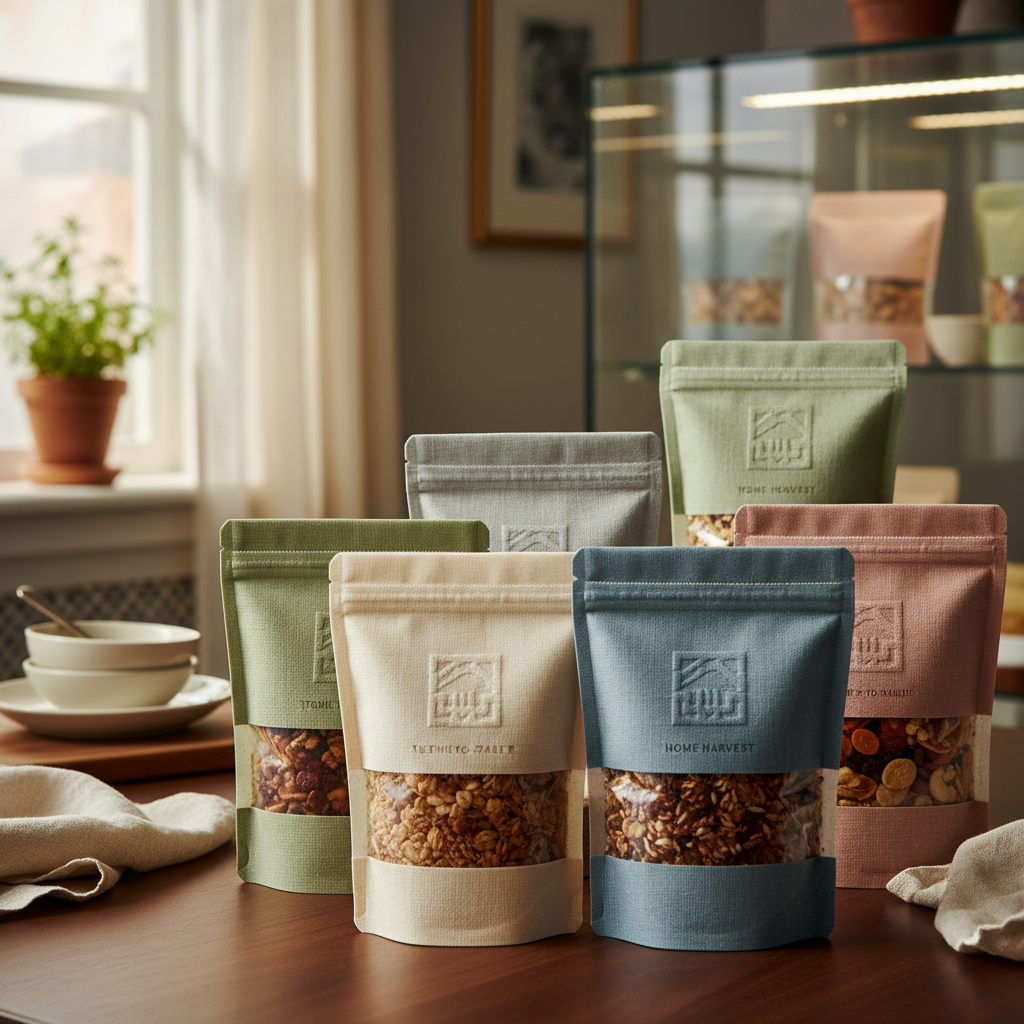
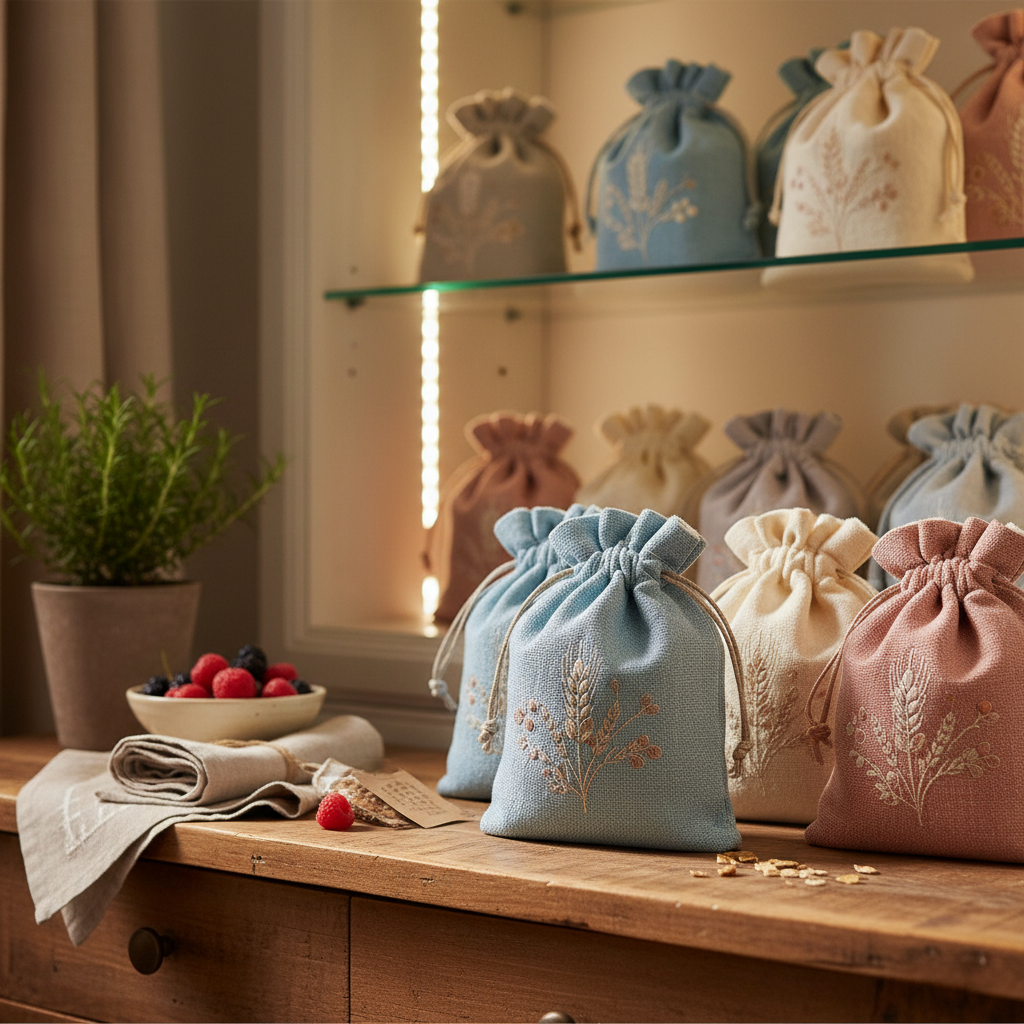
Comprehensive Guide to Food Pouch Packaging Suppliers and Market Trends

Introduction to food pouch packaging suppliers

Comprehensive Guide to Food Pouch Packaging Suppliers and Market Trends

Food pouch packaging suppliers are the backbone of the rapidly expanding flexible packaging industry. They are not simply material providers; they are partners who offer expertise in material science, packaging design, and regulatory compliance. These suppliers work with food manufacturers to create tailored packaging solutions that protect product quality, extend shelf life, and enhance consumer convenience. The ability of these suppliers to innovate and adapt to changing market demands is crucial.

Effective food pouch packaging relies on a deep understanding of barrier properties, sealing technologies, and print capabilities. Suppliers must offer materials that protect against oxygen, moisture, and light, maintaining the freshness and nutritional value of the contained food. Furthermore, they must adhere to stringent food safety regulations, ensuring the packaging does not contaminate the product. A successful partnership with reliable food pouch packaging suppliers is critical for any food business.

Defining Food Pouch Packaging Suppliers

Food pouch packaging suppliers specialize in the manufacturing and distribution of flexible packaging materials specifically designed for food products. This encompasses a broad range of pouch types, including stand-up pouches, flat pouches, retort pouches, spouted pouches, and three-side seal pouches. They source raw materials such as films (polyethylene, polypropylene, polyester, nylon), foils, and laminates, transforming them into finished packaging solutions.

These suppliers often offer a comprehensive suite of services beyond simply providing materials. These can include packaging design assistance, custom printing, slitting and rewinding, pouch forming, and quality control testing. Many are also vertically integrated, meaning they handle multiple stages of the packaging production process in-house, allowing for greater control over quality and lead times.

The role of food pouch packaging suppliers extends to supporting the food industry's sustainability goals. They are increasingly focused on developing eco-friendly packaging options, such as recyclable materials, compostable films, and bio-based polymers, responding to consumer demand for environmentally responsible packaging.

Core Components of Food Pouch Packaging

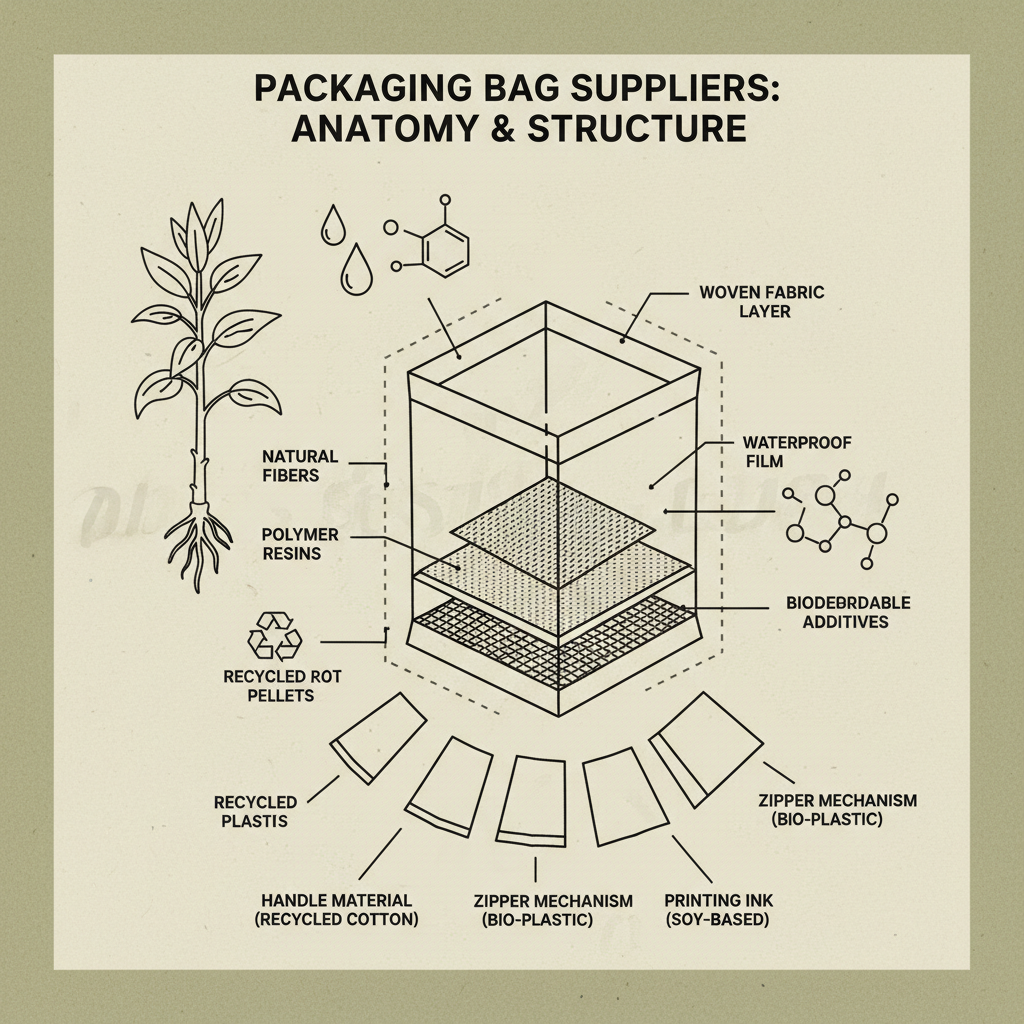
The effectiveness of food pouch packaging hinges on several key components. First, the film structure itself is crucial. Multi-layer laminations, combining different materials, provide specific barrier properties tailored to the packaged food. For example, a layer of aluminum foil can provide an excellent oxygen barrier, while a layer of polyethylene offers sealability. Secondly, the adhesives used to laminate these layers must be food-grade and provide strong, reliable bonding.

Another vital component is the sealing technology employed. Heat sealing, impulse sealing, and ultrasonic sealing are common methods, each offering different strengths and suitable for various film combinations. The seal integrity is paramount to prevent leaks and maintain product freshness. Finally, printing inks and coatings must be food-safe and durable, ensuring clear product information and appealing aesthetics.

Increasingly, features like reclosable zippers, spouts, and tear notches are integrated into food pouch designs, adding convenience for consumers. These features require careful consideration during the supplier selection process, as they impact the overall cost and performance of the packaging.

Key Factors Influencing Supplier Selection

Selecting the right food pouch packaging supplier requires careful consideration of several key factors. Reliability and consistency in material quality are paramount. A supplier should have robust quality control processes and certifications to ensure adherence to food safety standards. Secondly, the supplier’s production capacity and lead times must align with the manufacturer's demands.

Cost-effectiveness is another critical factor, but it should not be the sole determinant. A lower price may come at the expense of quality or service. Furthermore, the supplier's technical expertise and ability to provide customized solutions are important considerations, particularly for products with unique packaging requirements.

Food Pouch Packaging Supplier Performance Metrics


Global Applications of Food Pouch Packaging

Food pouch packaging has become ubiquitous across a wide range of food categories globally. In the infant food sector, stand-up pouches provide convenient, portion-controlled options for purees and cereals. Pet food manufacturers rely heavily on pouches for dry and wet food, offering both convenience and preservation benefits. The retort pouch is widely used for ready-to-eat meals, soups, and sauces, enabling long shelf life without the need for refrigeration.

In post-disaster relief operations, lightweight and shelf-stable pouches are invaluable for providing nutritious food to affected populations. Similarly, in remote industrial zones where access to traditional cooking facilities is limited, pouches offer a practical and safe food solution. The versatility and portability of pouch packaging make it suitable for diverse applications worldwide.

Advantages and Long-Term Value

The advantages of utilizing food pouch packaging, and therefore partnering with reliable food pouch packaging suppliers, are numerous. Cost savings are significant, as pouches are generally lighter and require less material than rigid containers, reducing transportation costs. Sustainability is enhanced through reduced material usage and the potential for recyclable or compostable options.

Beyond cost and sustainability, pouches offer superior product protection, extending shelf life and reducing food waste. The convenience they offer to consumers, with features like easy-open tear notches and reclosable zippers, enhances brand loyalty. Investing in high-quality pouch packaging reflects a commitment to product safety, freshness, and customer satisfaction.

Future Trends and Innovations

The future of food pouch packaging is focused on sustainability and advanced materials. Research and development efforts are concentrated on creating fully recyclable pouches, utilizing mono-material structures and innovative adhesive technologies. Bio-based polymers, derived from renewable resources, are also gaining traction as a more environmentally friendly alternative to traditional plastics.

Digital printing technologies are enabling greater customization and personalization of pouch designs, enhancing brand differentiation. Smart packaging solutions, incorporating QR codes or NFC tags, are also emerging, allowing consumers to access product information, track provenance, and verify authenticity. Food pouch packaging suppliers are driving these innovations, shaping the future of the food packaging industry.

Automation and artificial intelligence are also streamlining production processes, improving efficiency and reducing costs for food pouch packaging suppliers. This allows them to offer more competitive pricing and faster turnaround times to their clients.

FAQS

What are the key certifications I should look for in a food pouch packaging supplier?

When selecting a food pouch packaging supplier, prioritize certifications like ISO 9001 (Quality Management System), BRCGS Packaging Materials (Brand Reputation Compliance Global Standards), and FDA compliance. These certifications demonstrate a commitment to quality, safety, and regulatory adherence. Look for suppliers who can provide documentation proving compliance with food contact material regulations in your target markets. Ensuring a supplier holds these certifications mitigates risk and guarantees product integrity.

How can I minimize the environmental impact of my pouch packaging?

Several strategies can reduce your packaging’s environmental footprint. Explore mono-material pouch structures designed for recyclability, bio-based polymers derived from renewable resources, and reduced material thicknesses. Work with your supplier to optimize pouch size and minimize void space. Consider using post-consumer recycled (PCR) content in your packaging. Finally, prioritize suppliers with sustainable manufacturing practices, such as water conservation and energy efficiency.

What is the typical lead time for custom pouch orders?

Typical lead times for custom pouch orders vary depending on the complexity of the design, the quantity required, and the supplier’s production schedule. Generally, expect a lead time of 4-8 weeks for initial orders, including design approval, plate making, printing, and pouch forming. Repeat orders with established designs typically have shorter lead times, around 2-4 weeks. Confirm specific lead times with your supplier before placing an order.

Can food pouch packaging suppliers accommodate small order quantities?

While many food pouch packaging suppliers cater to large-volume orders, some specialize in serving small and medium-sized businesses. Look for suppliers that offer digital printing capabilities, which are more cost-effective for short runs. Be prepared to pay a premium per pouch for smaller quantities. Some suppliers may have minimum order quantity (MOQ) requirements, so clarify this upfront.

What types of barrier properties can be achieved with food pouch packaging?

Food pouch packaging can achieve excellent barrier properties against oxygen, moisture, light, and aroma. Different materials offer varying levels of protection. Aluminum foil provides the highest oxygen barrier, while polyethylene offers good moisture barrier. Multi-layer laminations combining different materials can tailor barrier properties to specific product requirements. Your supplier can recommend the optimal material structure based on your product’s characteristics and shelf-life goals.

How can I ensure the food safety of my pouch packaging?

Ensuring food safety requires careful supplier selection and adherence to regulatory standards. Confirm your supplier uses food-grade materials, compliant inks and adhesives, and has a robust quality control system in place. Request certificates of analysis (COAs) for materials used in your packaging. Regular audits of the supplier’s facilities can also help verify their commitment to food safety. Proper storage and handling of pouches are also essential.

Conclusion

In conclusion, food pouch packaging suppliers are vital partners for food businesses seeking innovative, sustainable, and cost-effective packaging solutions. The versatility, protective properties, and convenience offered by pouches have revolutionized the food industry. By carefully selecting a supplier with the right expertise, certifications, and commitment to quality, food manufacturers can optimize their packaging strategies, extend shelf life, reduce food waste, and enhance consumer satisfaction.

Looking ahead, the focus will remain on sustainability and advanced materials. Embracing innovations like recyclable pouches, bio-based polymers, and smart packaging technologies will be crucial for staying competitive and meeting evolving consumer demands. Partnering with forward-thinking food pouch packaging suppliers is essential for navigating these changes and building a more sustainable and efficient food system. Visit our website: www.dslpack.com

Ryan Carter

Ryan Carter

Ryan Carter is the Marketing and Communications Manager for BCPak Ltd, spearheading efforts to promote the company's sustainable packaging solutions in the US market. He's responsible for developing and executing marketing campaigns, managing the company's online presence, and building brand awareness. Ryan holds a Bachelor's degree in Communications and has
Previous Comprehensive Guide to Coffee Packaging Bags Suppliers and Solutions
Next Comprehensive Guide to Premier Paper Bag Packaging Suppliers and Solutions