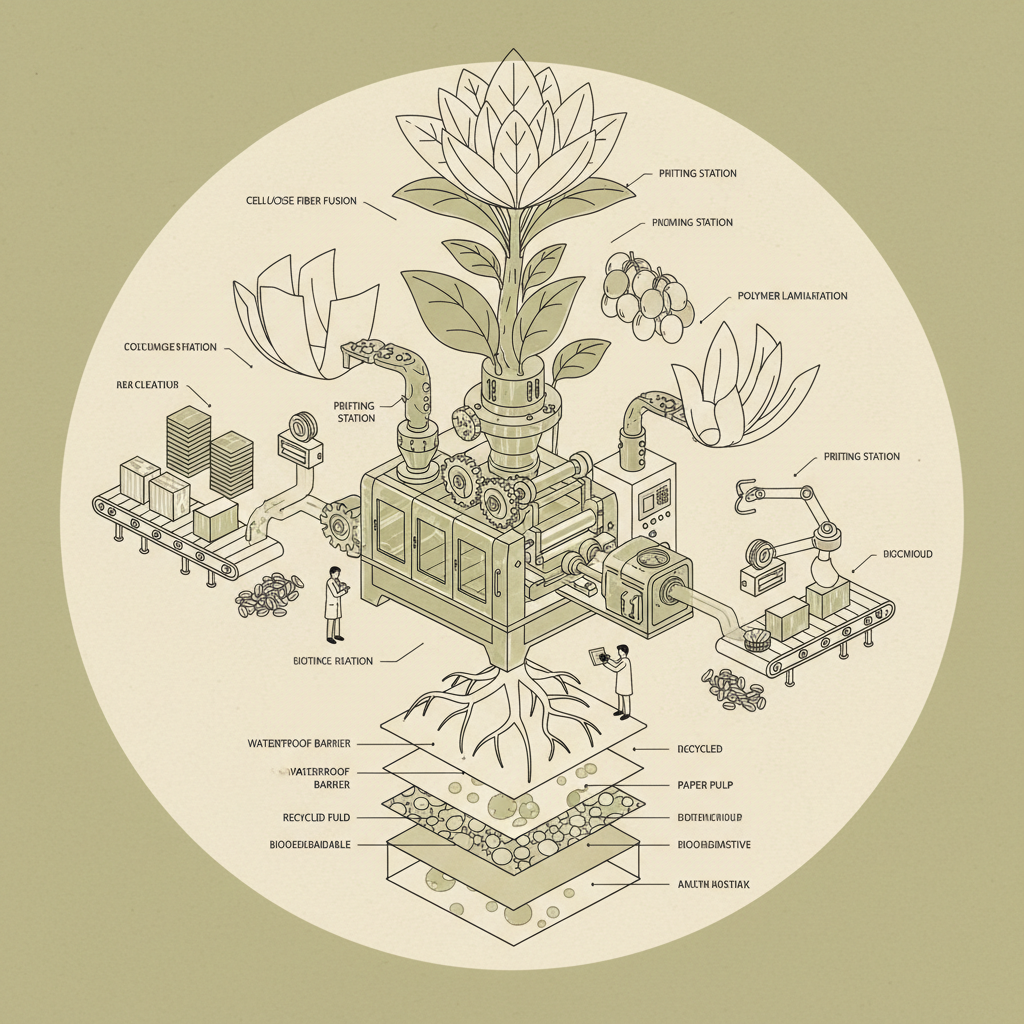
The global demand for convenient and high-quality coffee experiences is consistently rising, driving innovation in coffee packaging and brewing methods. Coffee drip bags, offering a simple and accessible brewing solution, have emerged as a significant player in this market. As a coffee drip bag supplier, understanding the nuances of this industry – from material sourcing to quality control – is paramount. This growing popularity creates a substantial need for reliable coffee drip bag suppliers capable of meeting diverse demands, ranging from small-batch artisan roasters to large-scale commercial distributors.
The role of a coffee drip bag supplier extends beyond merely providing packaging. It encompasses a commitment to sustainability, ensuring product freshness, and adapting to evolving consumer preferences. The market is dynamic, with increased focus on eco-friendly materials and customized branding solutions. Consequently, the demand for suppliers who can offer these value-added services is steadily increasing, creating both challenges and opportunities within the supply chain.
Effective sourcing and production of coffee drip bags are critical components of a successful coffee business model. A dedicated coffee drip bag supplier plays a vital role in optimizing this process, ensuring consistent quality, competitive pricing, and timely delivery. With the global coffee industry projected to continue its growth trajectory, the importance of strong supplier relationships will only intensify.
The Rise of the Coffee Drip Bag Industry
The coffee drip bag market has experienced substantial growth in recent years, driven by consumer demand for convenience and quality. This rise isn't merely a trend; it’s a fundamental shift in how people consume coffee, particularly in regions with busy lifestyles. A key aspect is the accessibility offered by these bags, requiring no specialized equipment beyond hot water.
As a coffee drip bag supplier, understanding this shift is critical. It means anticipating needs for varied bag sizes, materials (biodegradable options are increasingly popular), and customized branding opportunities. The industry is responding to this demand, leading to a competitive landscape where innovation and reliability are crucial for success.
Defining a Coffee Drip Bag Supplier
A coffee drip bag supplier is a specialized entity responsible for the sourcing, manufacturing, and distribution of coffee drip bags to various clients. These clients can range from coffee roasters and retailers to foodservice businesses and even direct-to-consumer brands. The supplier’s role isn’t limited to simply providing the bags; it often involves offering design assistance, material selection guidance, and quality control services.
The best coffee drip bag supplier companies don't just offer a product; they offer a solution. They understand the complexities of coffee packaging, ensuring the preservation of aroma, flavor, and freshness. This involves knowledge of barrier materials, sealing techniques, and compliance with food safety regulations.
Ultimately, a successful supplier builds long-term partnerships based on trust, reliability, and a commitment to meeting their clients’ specific needs. They must be adaptable and responsive to evolving market trends and consumer demands, offering innovative solutions to maintain a competitive edge.
Key Characteristics of Quality Suppliers
Durability is a paramount characteristic of a high-quality coffee drip bag supplier. The bags must withstand the stresses of filling, sealing, transportation, and handling without tearing or leaking, preserving the integrity of the coffee within. Material selection plays a critical role here, with options ranging from traditional paper filters to more robust synthetic materials.
Scalability is equally important, especially for rapidly growing coffee brands. A supplier needs the capacity to handle increasing order volumes without compromising quality or delivery times. This requires robust manufacturing infrastructure, efficient logistics, and a responsive customer service team.
Cost-efficiency is a significant factor for many businesses. However, it should never come at the expense of quality. A good supplier will offer competitive pricing while maintaining high standards for materials, manufacturing, and quality control. Transparency in pricing is also vital, allowing clients to understand the cost breakdown and make informed decisions.
Global Applications and Market Segments
Coffee drip bags are finding applications in a wide range of market segments. From specialty coffee shops and cafes offering convenient takeaway options, to hotels and offices providing in-room or workplace brewing solutions, the versatility of drip bags is undeniable. In post-disaster relief operations, they offer a simple and reliable way to provide warm beverages to those in need.
The growth in e-commerce has further fueled the demand, with direct-to-consumer coffee brands utilizing drip bags as a key component of their subscription services. In remote industrial zones or areas with limited access to brewing equipment, they provide a practical and accessible coffee solution.
Geographically, the Asia-Pacific region represents a significant and expanding market for coffee drip bags, driven by increasing coffee consumption and a preference for convenient brewing methods. North America and Europe also exhibit strong demand, particularly among consumers seeking premium and sustainable coffee options.
Coffee Drip Bag Supplier Performance Metrics
Advantages of Partnering with a Dedicated Supplier
Cost savings are a primary benefit. A specialized coffee drip bag supplier can leverage economies of scale, offering competitive pricing compared to sourcing materials and manufacturing in-house. This allows businesses to allocate resources to other critical areas, such as coffee sourcing and marketing.
Focusing on core competencies is another key advantage. By outsourcing the production of drip bags, coffee companies can dedicate their time and resources to perfecting their coffee blends, building their brand, and enhancing customer experiences. This specialization leads to increased efficiency and innovation.
Future Trends Shaping the Supply Chain
Sustainability is rapidly becoming a non-negotiable factor in the coffee industry. Consumers are increasingly demanding eco-friendly packaging solutions, driving demand for biodegradable and compostable drip bag materials. Coffee drip bag suppliers must invest in research and development to meet this demand.
Digitalization is also transforming the supply chain. Real-time tracking, automated inventory management, and online ordering systems are becoming standard expectations. This increased transparency and efficiency benefit both suppliers and their clients.
Personalization is a growing trend, with consumers seeking customized coffee experiences. Suppliers who can offer customized branding, bag sizes, and packaging options will be well-positioned to capture this market segment.
Challenges and Mitigation Strategies for Suppliers
Maintaining consistent quality across large production runs can be a challenge for coffee drip bag suppliers. Implementing rigorous quality control procedures, investing in advanced manufacturing equipment, and conducting regular audits are crucial mitigation strategies.
Supply chain disruptions, such as material shortages or transportation delays, can also pose significant challenges. Diversifying sourcing options, building strategic partnerships with multiple suppliers, and maintaining safety stock levels are essential to minimize disruptions.
Adapting to evolving regulatory requirements related to food safety and packaging is another ongoing challenge. Staying informed about changing regulations, investing in compliance training, and maintaining appropriate certifications are vital for ensuring adherence.
Summary of Key Supplier Performance Indicators
| Category |
Metric |
Target Range |
Importance Level (1-5) |
| Material Quality |
Filter Burst Strength (PSI) |
80-120 PSI |
5 |
| Production Capacity |
Monthly Bag Production |
100,000 – 500,000+ |
4 |
| Price Competitiveness |
Cost Per Bag ($) |
$0.02 – $0.05 |
3 |
| Delivery Reliability |
On-Time Delivery Rate (%) |
95% + |
5 |
| Customization Options |
Branding Capabilities (Colors, Logos) |
Full Color Printing, Multiple Logo Positions |
2 |
| Sustainability Practices |
Percentage of Recycled/Biodegradable Materials |
30% + |
4 |
FAQS
Coffee drip bags are typically made from paper, often with a polypropylene inner layer for added strength and heat resistance. Increasingly, suppliers are offering biodegradable and compostable materials, such as plant-based fibers, to meet growing consumer demand for sustainable options. The choice of material impacts factors like flavor neutrality, brewing time, and environmental impact.
Minimum order quantities vary significantly between suppliers and depend on the complexity of the customization. Typically, MOQs range from 5,000 to 10,000 bags. However, some suppliers may offer lower MOQs for simpler designs or established clients. It's always best to inquire directly with a coffee drip bag supplier to get a precise quote based on your specific requirements.
Reputable suppliers implement rigorous quality control measures throughout the manufacturing process. This includes raw material inspection, in-process monitoring of bag formation and sealing, and final product testing to ensure burst strength, leak resistance, and flavor neutrality. Many suppliers also adhere to industry standards like ISO 9001 to demonstrate their commitment to quality.
Lead times for custom orders can vary based on the quantity, complexity, and supplier's current workload. Typically, production takes 2-4 weeks, followed by shipping time, which can range from a few days to several weeks depending on the destination. It's crucial to plan ahead and allow sufficient time for both production and shipping to ensure timely delivery.
Most coffee drip bag suppliers offer a range of shipping options, including sea freight, air freight, and express courier services. The best option depends on the urgency of the shipment and the cost considerations. Suppliers often handle the logistics and can provide tracking information for your shipment.
Look for suppliers who prioritize sustainability and offer eco-friendly materials, such as biodegradable or compostable options. Inquire about their environmental certifications and waste management practices. Choosing a supplier committed to reducing their environmental footprint demonstrates a commitment to responsible business practices.
Conclusion
In conclusion, the coffee drip bag market is thriving, driven by consumer demand for convenience, quality, and sustainability. The role of a coffee drip bag supplier is therefore increasingly vital, extending beyond mere product provision to encompass innovation, quality control, and responsible sourcing. Successful partnerships between coffee companies and reliable suppliers are essential for navigating this dynamic landscape and capitalizing on emerging opportunities.
Looking ahead, the industry will continue to evolve, with a growing emphasis on eco-friendly materials, digital integration, and customized solutions. Coffee businesses seeking a competitive edge should prioritize partnering with suppliers who are proactive in embracing these trends and committed to delivering exceptional value. Visit our website at www.dslpack.com to learn more about how we can support your coffee drip bag needs.