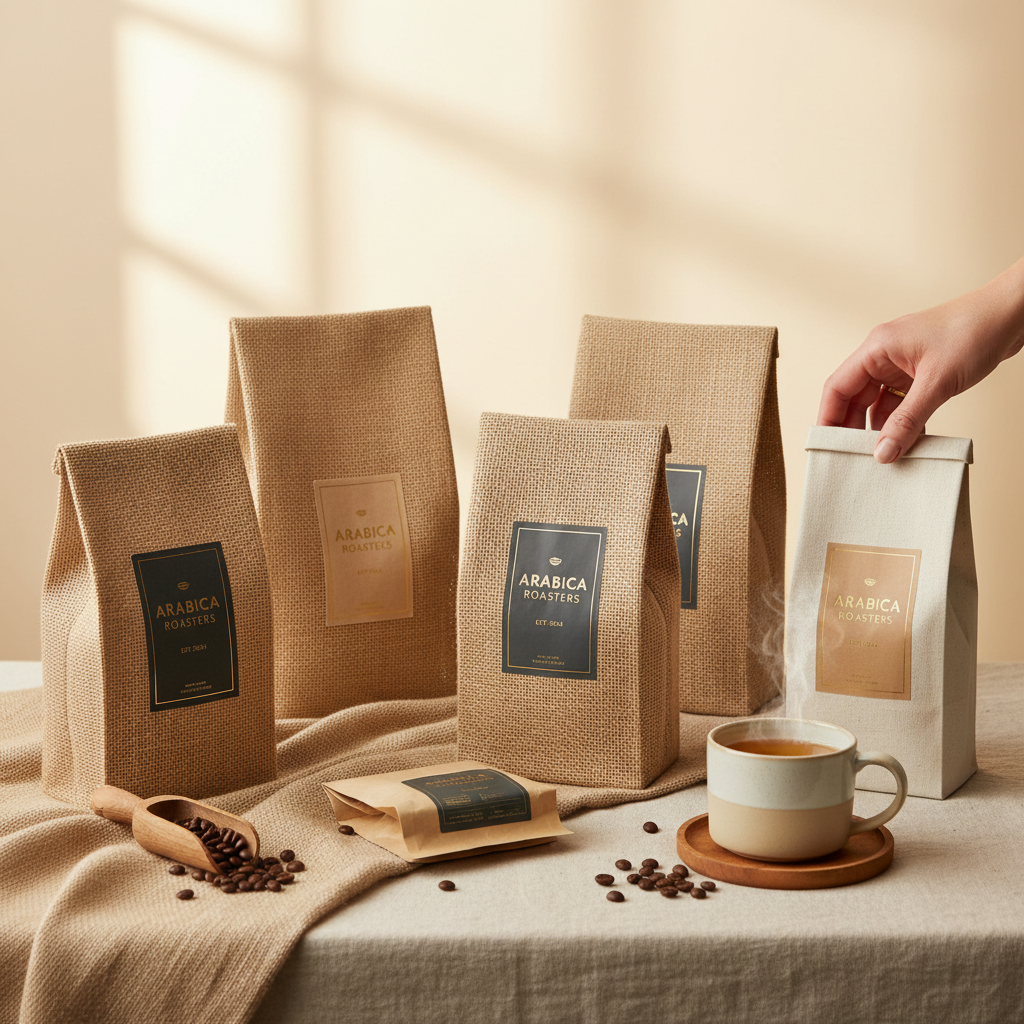
Coffee bags wholesale plays a crucial role in the global coffee industry, facilitating the efficient and cost-effective distribution of coffee beans from growers to roasters worldwide. This process involves the bulk purchasing of coffee bags, often made from materials like jute, sisal, or polypropylene, and supplying them to coffee exporters, importers, and processors. The demand for quality coffee bags is directly tied to the increasing global coffee consumption, which continues to rise with expanding economies and changing consumer preferences. Understanding the nuances of coffee bags wholesale is vital for businesses involved in the coffee supply chain seeking to optimize costs and ensure product integrity.
The international coffee trade is a multi-billion dollar industry, with significant volumes of coffee beans transported across continents. Efficient packaging is paramount to preserving the quality and freshness of these beans during transit and storage. Coffee bags wholesale providers meet this demand by offering a wide range of bag sizes, materials, and customization options, catering to the specific needs of different coffee origins and processing methods. According to the International Coffee Organization (ICO), global coffee exports totaled approximately 10.5 million tonnes in 2023, highlighting the immense scale of this logistical challenge and the importance of reliable coffee bag supplies.
A key challenge within the coffee industry is balancing cost-effectiveness with sustainability. Traditional coffee bags, often made from jute, while biodegradable, can be resource-intensive to produce. Increasingly, businesses are seeking eco-friendly alternatives like polypropylene bags with recycled content or innovative biodegradable materials, driving innovation and demand within the coffee bags wholesale sector. Efficient sourcing and strategic partnerships with wholesale suppliers are critical for managing these evolving demands.
Introduction: The Significance of coffee bags wholesale
The world of coffee relies heavily on efficient and reliable packaging, and coffee bags wholesale is the backbone of that system. It’s not simply about containment; it's about preserving aroma, protecting against moisture and contaminants, and ensuring safe transport from origin to consumer. The wholesale aspect allows businesses – from small roasters to large-scale importers – to access the quantities they need at competitive prices, directly impacting their profitability and ability to deliver quality coffee. Understanding the intricacies of this sector is crucial for any serious player in the coffee industry.
The impact of coffee bags wholesale extends beyond just the economic considerations. Increasingly, sustainability is a major driver, with demand growing for eco-friendly materials and responsible sourcing. This pressure is forcing innovation in the wholesale market, leading to new materials and processes that minimize environmental impact. Furthermore, effective packaging plays a vital role in reducing food waste and ensuring the freshness of coffee beans, benefiting both businesses and consumers.
Defining Coffee Bags Wholesale
Coffee bags wholesale refers to the process of purchasing coffee bags in bulk directly from manufacturers or distributors, typically at a lower per-unit cost than purchasing smaller quantities through retail channels. These bags are specifically designed to store and transport green coffee beans, roasted coffee beans, or ground coffee, providing a protective barrier against moisture, oxygen, and light, all of which can degrade coffee quality. Wholesale suppliers cater to a diverse range of clients, including coffee importers, exporters, roasters, and packaging companies.
The key distinction between retail and wholesale coffee bag purchasing lies in the quantity and pricing structure. Wholesale agreements typically involve larger order volumes and negotiated pricing based on the specific requirements of the buyer. This often includes customization options, such as printing logos, specifying bag sizes, and selecting different materials. It’s a business-to-business (B2B) transaction focused on efficiency and cost savings.
Coffee bags wholesale is inextricably linked to the broader coffee supply chain. Efficient wholesale distribution ensures that coffee beans are securely packaged and readily available for processing, roasting, and ultimately, consumption. It’s a vital component in maintaining the integrity of the coffee bean from farm to cup and enabling global coffee trade.
Core Components of Effective Wholesale Supply
Several key factors contribute to a successful coffee bags wholesale operation. First and foremost is Durability. Coffee beans are relatively heavy, and bags must withstand the rigors of handling, stacking, and transportation without tearing or leaking. Bags must maintain their integrity throughout the supply chain.
Secondly, Scalability is crucial. Wholesale suppliers must be able to accommodate fluctuating demand and consistently fulfill large orders, particularly during peak coffee harvesting seasons. Being able to quickly adjust production and delivery schedules is essential.
Cost Efficiency is a primary driver for businesses seeking wholesale coffee bags. Suppliers must offer competitive pricing while maintaining quality standards. This often involves strategic sourcing of raw materials, optimized manufacturing processes, and efficient logistics.
Finally, Material Options are essential. Offering a variety of materials—jute, sisal, polypropylene, and increasingly, biodegradable alternatives—allows clients to choose the best option for their specific needs, considering factors like cost, environmental impact, and coffee bean characteristics.
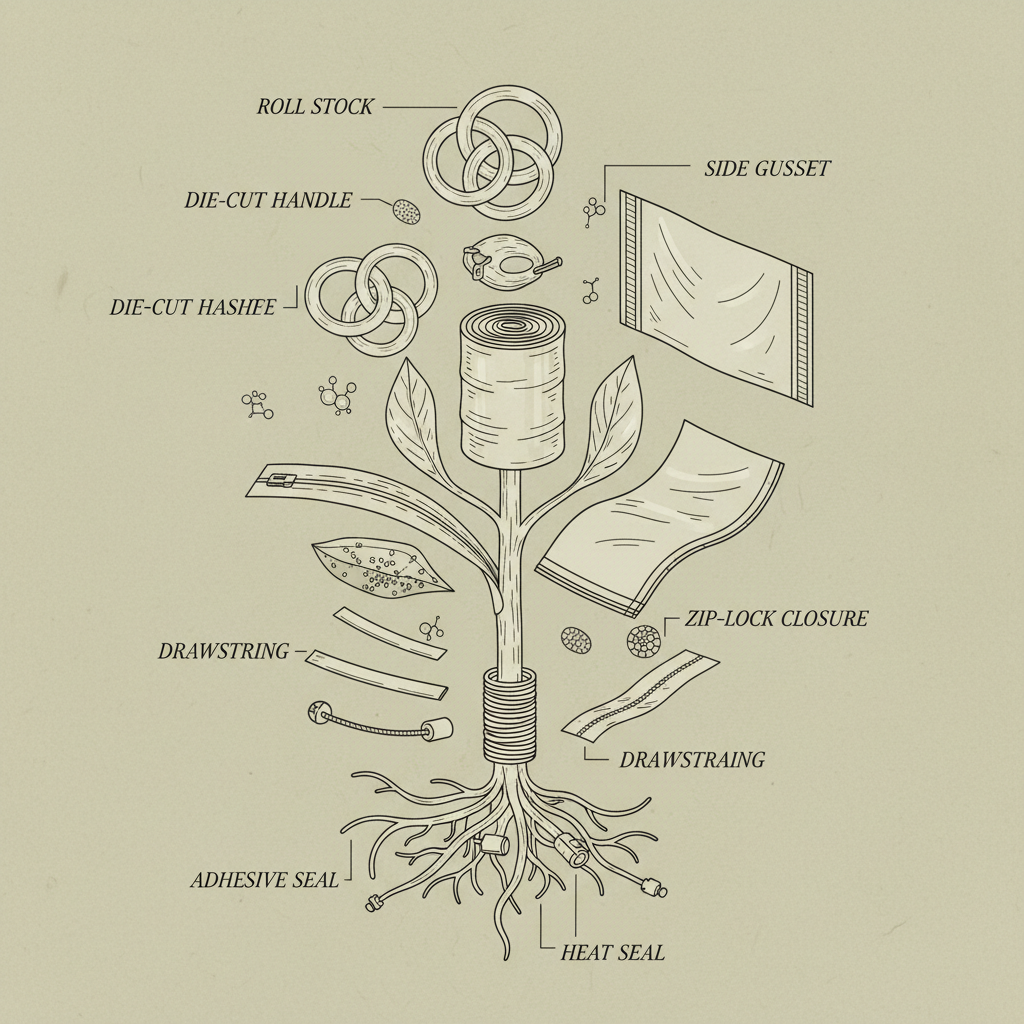
Furthermore, Customization options – including printing, valve integration, and bag dimensions – are becoming increasingly important. Businesses often require bags branded with their logos and specific information, enhancing brand recognition and traceability. Finally, Reliable Logistics are necessary to ensure timely delivery and minimize disruptions to the coffee supply chain.
Global Applications and Industry Impact
Coffee bags wholesale impacts various regions and sectors worldwide. In Brazil, the world's largest coffee producer, wholesale suppliers provide bags to countless farms and cooperatives, facilitating the export of millions of tonnes of coffee annually. Similarly, in Colombia, known for its high-quality Arabica beans, reliable bag supply is critical for maintaining the country’s reputation.
The importing sector, particularly in countries like the United States, Germany, and Japan, relies heavily on wholesale coffee bags for receiving and storing large shipments of green coffee beans. Roasters of all sizes, from small artisanal shops to large commercial brands, also depend on these suppliers to package their finished products for retail sale. In post-disaster relief operations, robust, sealable coffee bags can even be repurposed for storing food or water, demonstrating their versatility.
Moreover, in remote industrial zones or developing countries where infrastructure is limited, the availability of quality coffee bags wholesale can be a key factor in enabling local coffee production and trade. It contributes to economic empowerment and sustainable livelihoods for coffee farmers and communities. coffee bags wholesale is indispensable for global coffee supply.
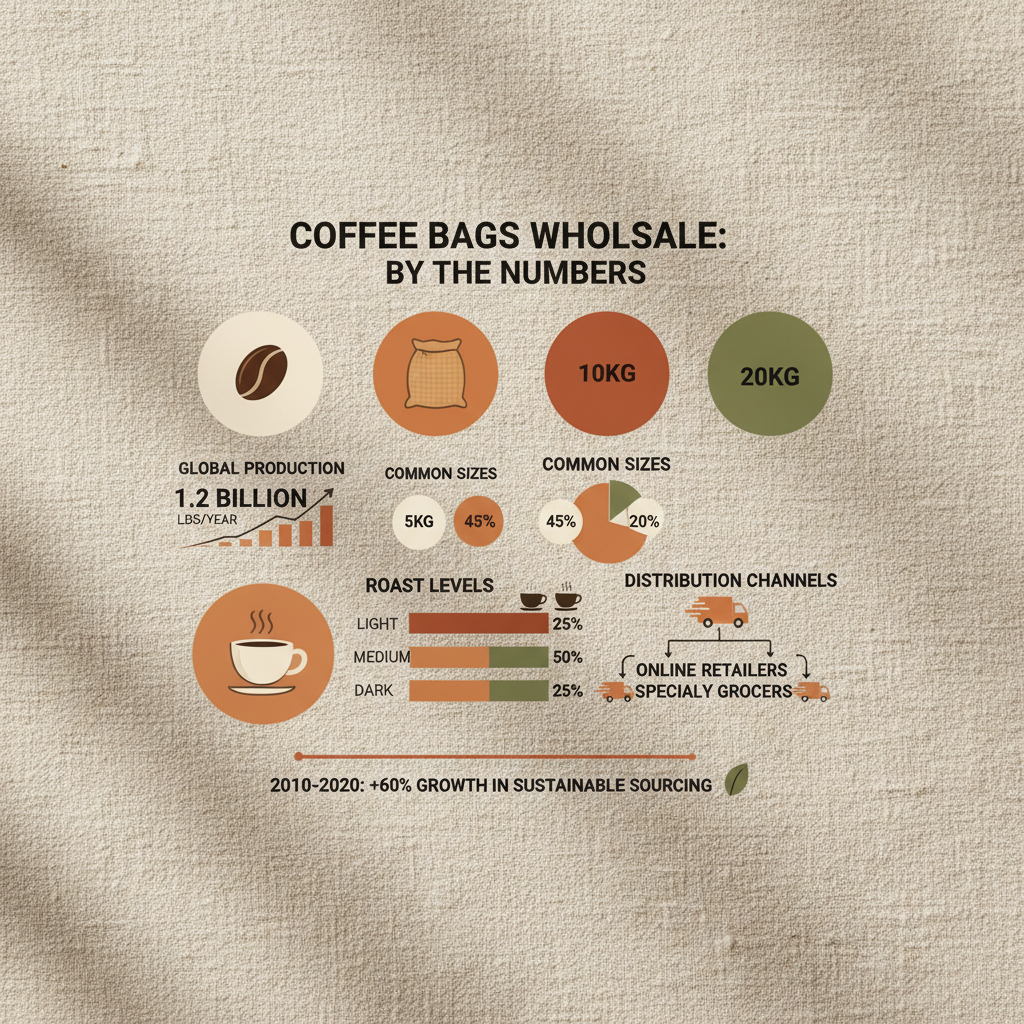
Wholesale Coffee Bag Material Market Share
Advantages and Long-Term Value Proposition
The advantages of utilizing coffee bags wholesale extend far beyond simple cost savings. Economically, bulk purchasing lowers the per-unit price, improving profit margins for coffee businesses. Operationally, it streamlines the packaging process, reducing handling time and labor costs. From a logistical perspective, wholesale suppliers often offer efficient delivery services, minimizing disruption to the supply chain.
However, the long-term value proposition goes deeper. Increasingly, sustainability is a critical consideration. Choosing eco-friendly materials and responsible sourcing through wholesale suppliers demonstrates a commitment to environmental stewardship, enhancing brand reputation and appealing to environmentally conscious consumers. Furthermore, reliable packaging ensures product integrity, reducing waste and preserving the quality of the coffee, fostering customer trust and loyalty.
Future Trends and Innovations in Packaging
The coffee bags wholesale sector is undergoing a period of rapid innovation. One prominent trend is the development of fully compostable and biodegradable bag materials, reducing reliance on traditional plastics. Another is the integration of smart packaging technologies, such as QR codes and RFID tags, for improved traceability and supply chain visibility.
Digital transformation is also playing a role, with online wholesale platforms offering greater transparency, streamlined ordering processes, and real-time inventory management. Automation in manufacturing is increasing efficiency and reducing costs, while new barrier technologies are extending coffee bean shelf life. These trends collectively point towards a more sustainable, efficient, and technologically advanced future for coffee packaging.
Challenges and Solutions in coffee bags wholesale
Despite its benefits, the coffee bags wholesale industry faces certain challenges. Supply chain disruptions, fluctuating raw material prices, and increasing regulatory scrutiny regarding packaging materials can all pose difficulties. The need for specialized storage and handling of certain bag types adds complexity.
To overcome these challenges, businesses are adopting strategies such as diversifying their supplier base, investing in long-term contracts, and embracing innovative packaging solutions. Collaboration across the supply chain is crucial, as is a proactive approach to regulatory compliance. Investing in research and development of sustainable materials is vital for long-term resilience.
Furthermore, embracing digital technologies for inventory management and logistics optimization can improve efficiency and reduce costs. Building strong relationships with reliable wholesale suppliers is paramount, ensuring a consistent supply of quality bags even during periods of market volatility.
Overview of Key Challenges and Mitigation Strategies in Coffee Bags Wholesale
| Challenge |
Impact on Business |
Mitigation Strategy |
Implementation Difficulty (1-10) |
| Supply Chain Disruptions |
Delayed deliveries, increased costs |
Diversify supplier base, maintain safety stock |
6 |
| Raw Material Price Volatility |
Increased packaging costs, reduced profit margins |
Long-term contracts, hedging strategies |
7 |
| Sustainability Concerns |
Consumer pressure, regulatory requirements |
Switch to eco-friendly materials, promote recycling |
5 |
| Quality Control Issues |
Bag failures, product damage, loss of reputation |
Rigorous supplier audits, quality testing |
4 |
| Logistical Challenges |
Shipping delays, increased transportation costs |
Optimize logistics networks, negotiate favorable rates |
6 |
| Regulatory Compliance |
Penalties, restrictions on packaging materials |
Stay informed about regulations, ensure compliance |
7 |
FAQS
The most common materials are polypropylene (PP) woven bags, jute bags, and increasingly, biodegradable or compostable options. PP woven bags offer durability and moisture resistance, while jute is a natural, biodegradable fiber. Biodegradable options, though more expensive, cater to growing sustainability demands. The choice depends on budget, coffee type, and target market preferences.
Thorough supplier vetting is crucial. Request samples, conduct quality tests (strength, tear resistance, moisture barrier), and check for certifications (ISO, food safety). Regular audits of the supplier's manufacturing process can also help maintain consistent quality. Don't hesitate to ask for detailed specifications and guarantees regarding material composition and performance.
MOQs vary significantly depending on the supplier, the type of bag, and customization requirements. Generally, MOQs range from several hundred to several thousand bags. It’s best to inquire directly with potential suppliers to get precise information based on your specific needs. Negotiating based on volume can sometimes lower the MOQ.
Yes, most coffee bags wholesale suppliers offer customization options, including printing logos, adding valve systems (for degassing), and specifying bag sizes and colors. Customization typically involves additional costs and longer lead times, so it’s important to factor these into your planning. Artwork requirements and minimum print run quantities will also apply.
Specifically request biodegradable or compostable bag options from your wholesale supplier. Look for certifications such as BPI or OK Compost. Inquire about the supplier’s sourcing practices and commitment to sustainability. Consider materials like PLA, Kraft paper with bio-based lining, or recycled polypropylene.
Pricing is influenced by several factors including the material type, bag size and construction, customization requirements, order quantity, and shipping costs. Raw material price fluctuations can also impact pricing. Comparing quotes from multiple suppliers is crucial for securing the best possible deal.
Conclusion
In conclusion, coffee bags wholesale is a critical component of the global coffee industry, impacting everything from cost efficiency and product quality to sustainability and brand reputation. Understanding the core factors—durability, scalability, cost-effectiveness, material options, and logistical reliability—is essential for businesses operating within this dynamic sector. Investing in strong supplier relationships, embracing innovation, and prioritizing sustainable practices will be key to long-term success.
Looking ahead, the coffee bags wholesale market will continue to evolve, driven by increasing consumer demand for eco-friendly packaging and advancements in materials science. Proactive businesses should prioritize exploring sustainable alternatives, adopting digital technologies, and fostering collaboration across the supply chain. Visit our website at www.dslpack.com to learn more about how we can help you optimize your coffee packaging solutions.