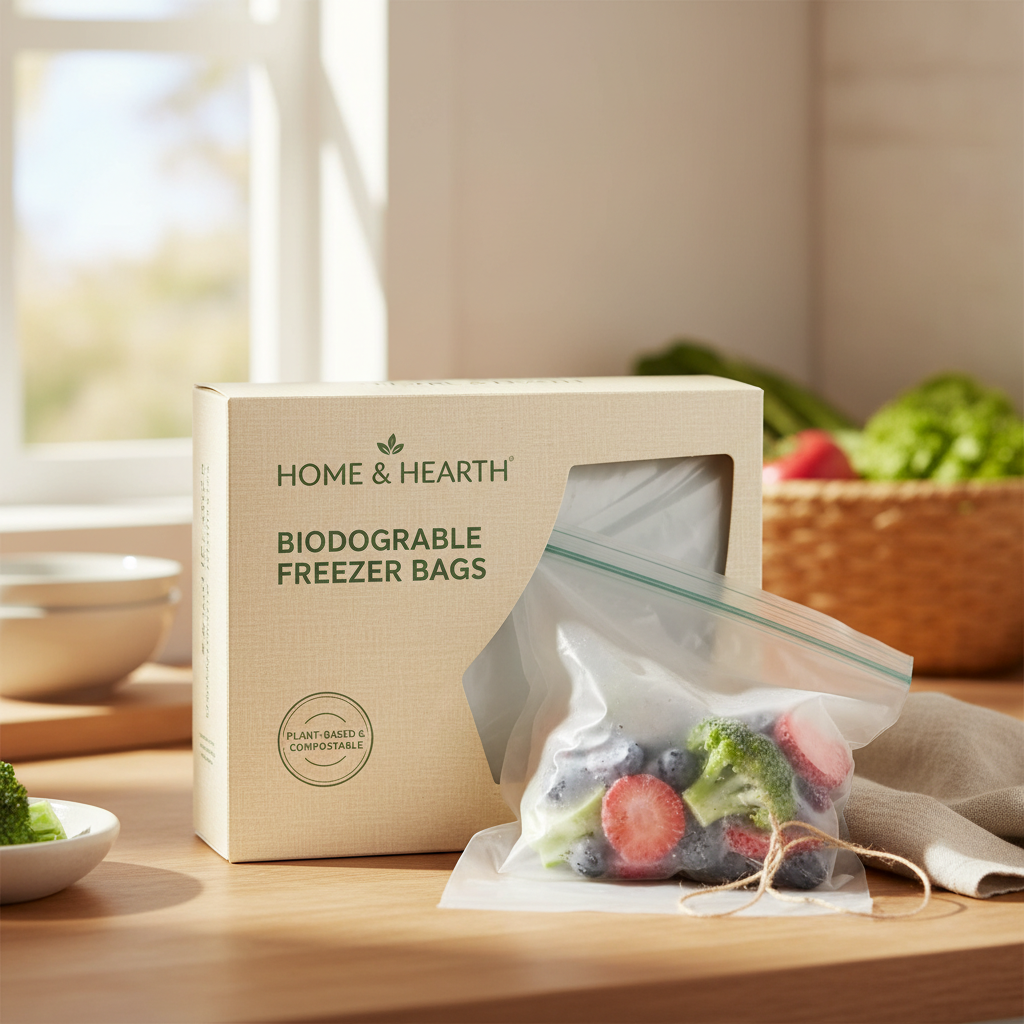
Biodegradable freezer bags are rapidly gaining prominence as a sustainable alternative to traditional plastic freezer bags, addressing growing environmental concerns and consumer demand for eco-friendly products. These bags are engineered to break down naturally over time, reducing landfill waste and minimizing the impact on our planet. Their development represents a significant step towards a circular economy within the plastic packaging industry, a critical sector within the broader non-metallic mineral products manufacturing landscape.
The urgency to adopt biodegradable solutions is driven by escalating plastic pollution, with millions of tons entering our oceans annually. Government regulations and corporate sustainability initiatives are further accelerating the shift towards biodegradable materials. Biodegradable freezer bags offer a practical solution for households and businesses alike, allowing them to reduce their carbon footprint and contribute to a healthier environment while maintaining food preservation standards.
Understanding the nuances of biodegradable freezer bags—from their composition and performance characteristics to their lifecycle assessment—is crucial for making informed purchasing decisions and promoting responsible consumption. This guide will provide a comprehensive overview, equipping you with the knowledge needed to navigate this evolving field.
The Growing Importance of Biodegradable Freezer Bags
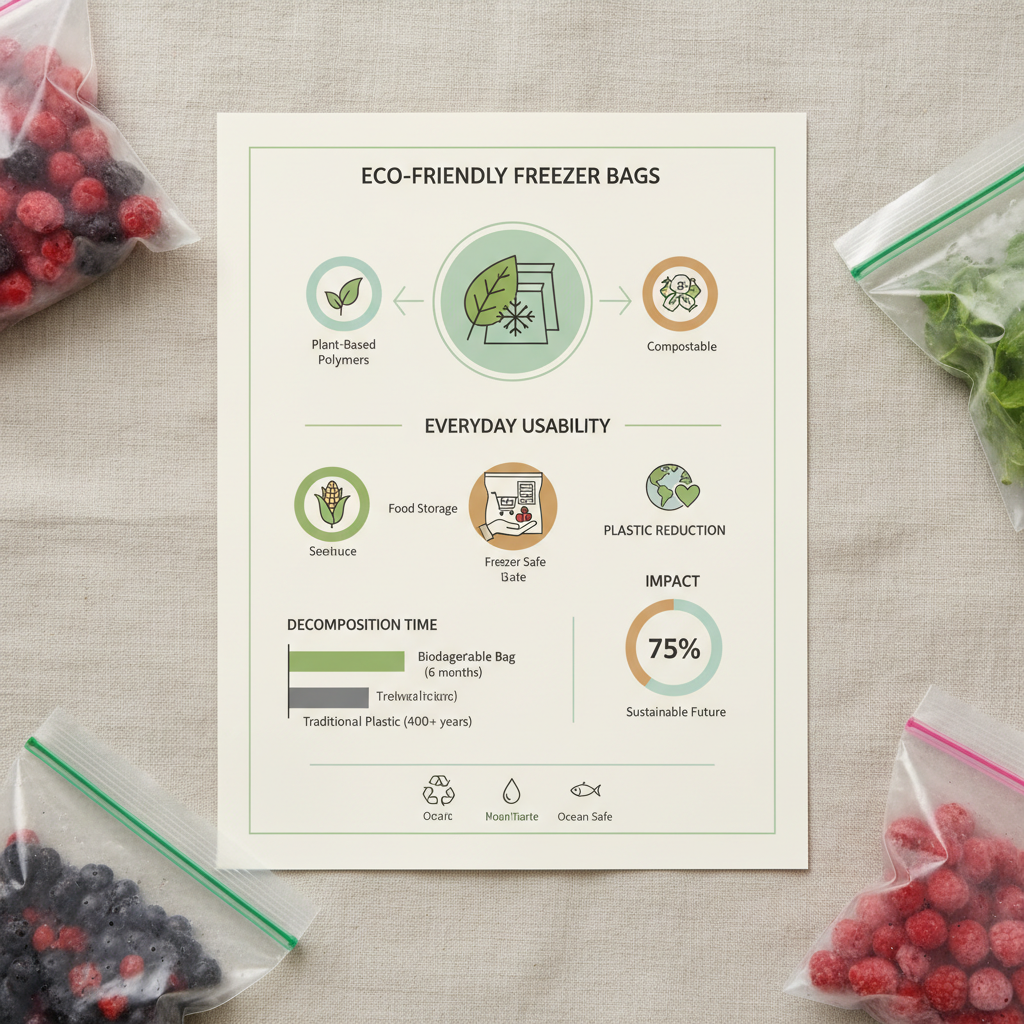
The increasing awareness of plastic pollution's detrimental effects on ecosystems and human health is driving a global demand for biodegradable alternatives. Traditional polyethylene (PE) freezer bags can persist in the environment for hundreds of years, contributing to microplastic contamination and harming wildlife. Biodegradable freezer bags, manufactured from materials like PLA (Polylactic Acid) or PBAT (Polybutylene Adipate Terephthalate), offer a more responsible solution for food storage.
Globally, initiatives like the UN Sustainable Development Goals (SDGs), particularly SDG 12 (Responsible Consumption and Production) and SDG 14 (Life Below Water), underscore the need for sustainable packaging solutions. The European Union’s Single-Use Plastics Directive is further pushing manufacturers to reduce plastic waste and embrace biodegradable materials. As a result, the market for biodegradable packaging, including biodegradable freezer bags, is experiencing substantial growth.
Defining Biodegradable Freezer Bags
Biodegradable freezer bags are designed to decompose naturally through the action of microorganisms, such as bacteria and fungi, into harmless substances like water, carbon dioxide, and biomass. Unlike conventional plastic, which can take centuries to break down (if at all), biodegradable materials are formulated to decompose within months, depending on the environmental conditions—temperature, humidity, and microbial activity. They’re often certified by organizations like BPI (Biodegradable Products Institute) ensuring they meet specific biodegradability standards.
These bags represent a crucial step towards a circular economy, where materials are reused or returned to the environment safely. They are fundamentally different from 'compostable' bags, though there’s often overlap. Compostable bags require specific industrial composting facilities to break down effectively, while biodegradable bags can degrade in a wider range of environments. Understanding this distinction is critical for informed consumer choices.
The emergence of these bags addresses a critical modern need: balancing convenience with environmental responsibility. In today's fast-paced world, consumers rely heavily on convenient packaging solutions for food preservation. Biodegradable freezer bags provide that convenience without the long-term environmental cost associated with traditional plastics.
Key Performance Characteristics
Evaluating biodegradable freezer bags requires considering several key performance characteristics. First, durability is paramount – the bags must be able to withstand the rigors of freezing, handling, and storage without tearing or leaking. Manufacturers achieve this through careful selection of biodegradable polymers and optimizing film thickness. Second, temperature resistance is vital; bags need to maintain their integrity at freezer temperatures (typically -18°C or 0°F) without becoming brittle.
Another crucial factor is oxygen and moisture barrier properties. These determine how well the bag preserves food quality and prevents freezer burn. While biodegradable materials generally don’t offer the same level of barrier protection as conventional plastics, advancements in polymer blending and coating technologies are continually improving these properties. Seal integrity is also essential to prevent leaks and maintain a proper seal during freezing and thawing. Finally, biodegradability rate—the time it takes for the bag to decompose—is a key differentiator, influenced by the material composition and environmental conditions.
The ability to maintain these characteristics while still adhering to biodegradability standards requires innovative materials science and manufacturing processes. biodegradable freezer bags from DSL Pack are specifically engineered to balance these needs, offering a sustainable solution without compromising performance.
Real-World Applications
Biodegradable freezer bags are finding diverse applications across various sectors. In the food industry, they are increasingly used for freezing and packaging meats, poultry, seafood, fruits, and vegetables, reducing plastic waste generated by grocery stores and food processors. Household consumers are also adopting them as a more sustainable alternative for storing leftovers, freezing meals, and organizing freezer contents.
The agricultural sector utilizes them for preserving harvested produce, extending shelf life, and reducing post-harvest losses. In eco-tourism and outdoor recreation, biodegradable freezer bags are ideal for packing food for camping, hiking, and other activities, minimizing environmental impact in pristine natural environments. They are also seeing increased use in catering and event planning, offering a responsible packaging option for large-scale food service.
Biodegradable Freezer Bag Performance Comparison
Advantages and Long-Term Value Proposition
The benefits of transitioning to biodegradable freezer bags extend beyond environmental preservation. From a cost perspective, while initial costs may be slightly higher than conventional plastic bags, the long-term savings associated with reduced landfill fees and improved brand reputation can outweigh these expenses. A shift to biodegradable materials enhances sustainability efforts, aligning businesses with growing consumer preferences for eco-friendly products.
The social impact is also significant. By reducing plastic pollution, these bags contribute to cleaner oceans and healthier ecosystems, benefiting communities that rely on these resources. Moreover, the use of biodegradable materials promotes a sense of reliability and trust among consumers, as it demonstrates a commitment to responsible environmental stewardship. biodegradable freezer bags are not merely a product; they are a statement about values and a commitment to a healthier planet.
Future Trends and Innovations
The future of biodegradable freezer bags is marked by continuous innovation. Researchers are exploring new biodegradable polymers derived from renewable resources, such as algae and agricultural waste, promising even lower environmental impacts. Advancements in nanotechnology and bio-based coatings are enhancing the barrier properties and durability of these bags, making them competitive with traditional plastics.
Integration with digital technologies, like smart packaging with QR codes providing information on biodegradability and proper disposal, is also gaining traction. Policy changes, such as extended producer responsibility (EPR) schemes and bans on single-use plastics, will further accelerate the adoption of biodegradable materials. The convergence of green chemistry, materials science, and digital transformation will drive the next generation of sustainable packaging solutions.
Challenges and Sustainable Solutions
Despite their advantages, biodegradable freezer bags face certain challenges. The cost of raw materials can be higher than conventional plastics, potentially impacting affordability. Ensuring proper composting infrastructure and consumer awareness regarding disposal methods is crucial for maximizing biodegradability. Performance limitations, such as lower barrier properties compared to traditional plastics, also require ongoing research and development.
Solutions include scaling up production of bio-based polymers to reduce costs, investing in composting infrastructure, and educating consumers on proper disposal practices. Developing innovative coating technologies to enhance barrier properties and exploring alternative biodegradable materials are also key priorities. Collaboration between manufacturers, policymakers, and consumers is essential for overcoming these challenges and realizing the full potential of biodegradable freezer bags.
Implementing lifecycle assessments to accurately quantify the environmental impact of these bags is also crucial for identifying areas for improvement and ensuring their genuine sustainability.
Summary Table of Biodegradable Freezer Bag Materials & Characteristics
| Material Type |
Biodegradability Rate (Months) |
Temperature Resistance (°C) |
Cost Relative to PE |
| PLA (Polylactic Acid) |
6-12 |
50 |
1.5x |
| PBAT (Polybutylene Adipate Terephthalate) |
6-24 |
60 |
2x |
| PHA (Polyhydroxyalkanoates) |
3-6 |
70 |
3x |
| Starch Blends |
3-9 |
40 |
1.2x |
| Cellulose-Based Materials |
4-8 |
55 |
1.8x |
| Blends (PLA + PBAT) |
4-18 |
65 |
2.2x |
FAQS
The decomposition time for biodegradable freezer bags varies depending on the material composition and environmental conditions. Generally, they require exposure to microorganisms, moisture, and heat. Under ideal composting conditions, they can break down within a few months, while in a landfill environment, decomposition may take longer—up to a year or more. It's vital to check for certifications like BPI to ensure the bag meets specific biodegradability standards.
While not a perfect solution, biodegradable freezer bags offer significant environmental advantages. They reduce reliance on fossil fuels, decrease landfill waste, and minimize the risk of plastic pollution. However, proper disposal is crucial; they are most effective when composted. Traditional plastics can persist for hundreds of years, posing a long-term threat to ecosystems. The overall environmental impact depends on the entire lifecycle of the bag, from production to disposal.
Some biodegradable freezer bags are certified for home composting, but not all. It's essential to check the packaging for specific instructions. Home composting systems may not always reach the high temperatures required to break down certain biodegradable materials effectively. Industrial composting facilities offer a more controlled environment for optimal decomposition. Look for certifications that indicate compatibility with your composting system.
Historically, biodegradable bags were often perceived as less durable than traditional plastic. However, advancements in materials science have significantly improved their strength and tear resistance. Many biodegradable freezer bags now offer comparable performance, particularly those made from PBAT or blends of PLA and PBAT. However, it’s still important to handle them with care and avoid overfilling.
Biodegradable freezer bags are commonly made from materials like Polylactic Acid (PLA), Polybutylene Adipate Terephthalate (PBAT), Polyhydroxyalkanoates (PHA), and starch blends. PLA is derived from cornstarch, while PBAT is a bio-based polyester. PHA is produced by microorganisms, and starch blends combine starch with other biodegradable polymers to enhance performance. The specific material composition influences biodegradability rate and other properties.
The ideal disposal method depends on the bag’s certification. If certified for composting, send it to a commercial composting facility or, if appropriate, a home composting system. If composting is not available, check with your local waste management authority for guidelines. Avoid disposing of them in regular recycling bins, as they can contaminate the recycling stream. Proper disposal maximizes their environmental benefits.
Conclusion
Biodegradable freezer bags represent a significant step forward in sustainable packaging, offering a viable alternative to traditional plastics. Their ability to decompose naturally, combined with advancements in material science, makes them an increasingly attractive option for environmentally conscious consumers and businesses. From reducing landfill waste to minimizing plastic pollution, the benefits are undeniable.
Looking ahead, continued innovation in biodegradable materials, coupled with improved composting infrastructure and increased consumer awareness, will be crucial for unlocking their full potential. We encourage you to explore biodegradable freezer bags and integrate them into your daily life as a simple yet impactful way to contribute to a more sustainable future.