Biodegradable produce bags represent a pivotal shift in packaging, driven by escalating environmental concerns and consumer demand for sustainable alternatives. These bags, unlike conventional plastic, are designed to decompose naturally, reducing landfill waste and minimizing the ecological footprint of food distribution. The global push towards circular economy models and stricter regulations on single-use plastics are accelerating the adoption of biodegradable produce bags across various sectors.
The need for biodegradable produce bags stems from the overwhelming impact of plastic pollution on our planet. Millions of tons of plastic end up in oceans and ecosystems annually, causing harm to wildlife and contaminating our food chain. Traditional plastic bags can take hundreds of years to decompose, posing a long-term threat to environmental health. Biodegradable alternatives offer a viable solution, providing a responsible way to package and transport fresh produce.
Understanding the nuances of biodegradable produce bags—their materials, certifications, and proper disposal methods—is crucial for businesses and consumers alike. Choosing the right type of biodegradable bag and ensuring its correct end-of-life management maximizes its environmental benefits and supports a more sustainable future.
The Global Rise of Biodegradable Produce Bags
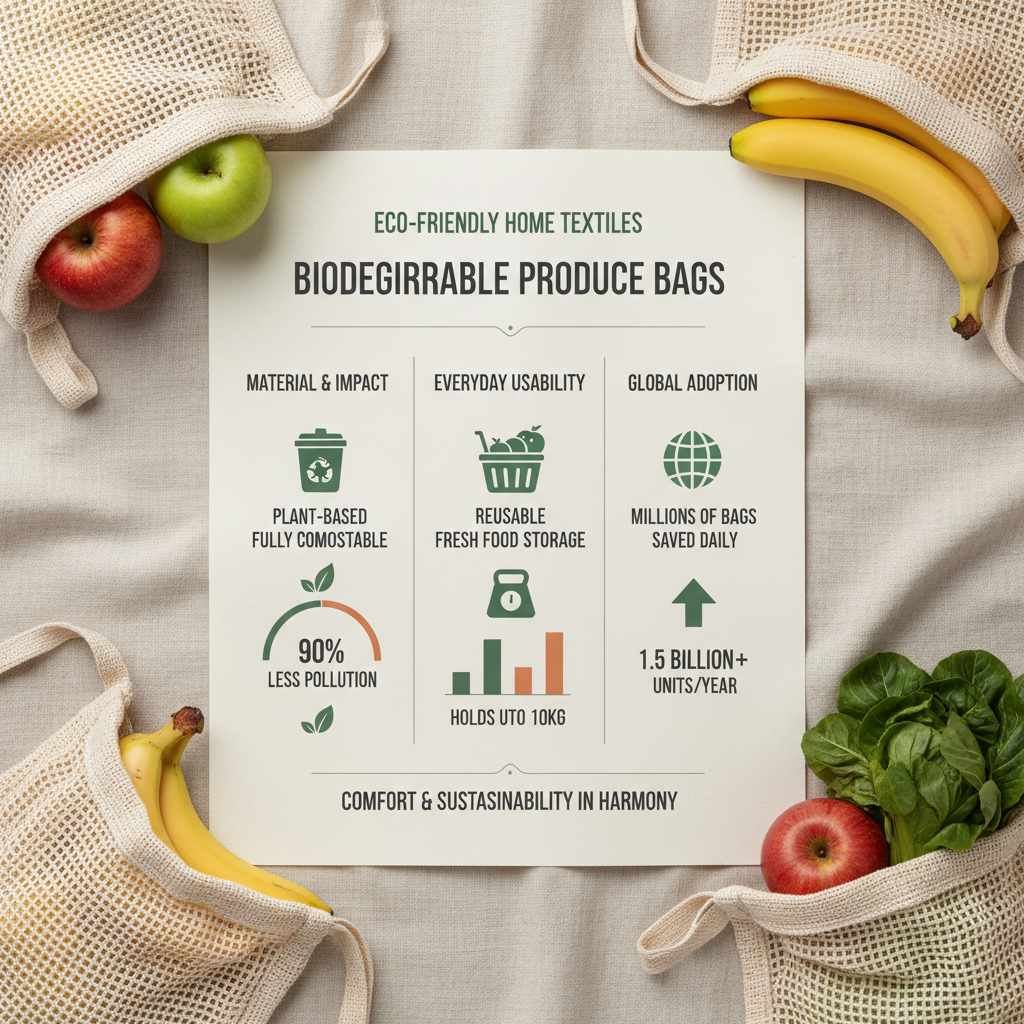
The demand for biodegradable produce bags is surging globally, fueled by increasing consumer awareness of plastic pollution and a growing emphasis on sustainable packaging. According to a 2023 UN Environment Programme report, approximately 400 million tons of plastic waste are generated annually, with a significant portion ending up in landfills and oceans. This has prompted governments worldwide to implement stricter regulations on single-use plastics, incentivizing the adoption of biodegradable alternatives.
The agricultural sector is a major driver of this shift. Produce, by its nature, requires packaging for transportation and storage, and consumers are increasingly seeking eco-friendly options. Supermarkets and grocery stores are responding by offering produce in biodegradable bags, appealing to environmentally conscious shoppers. The entire supply chain, from farmers to retailers, is experiencing pressure to minimize its environmental impact, creating a favorable environment for the growth of the biodegradable produce bag market.
Defining Biodegradable Produce Bags
Biodegradable produce bags are packaging materials designed to decompose naturally through the action of microorganisms, such as bacteria and fungi. Unlike conventional plastic bags, which persist in the environment for centuries, biodegradable bags break down into natural substances like water, carbon dioxide, and biomass. It's important to note that "biodegradable" doesn't necessarily mean the bag will disappear overnight; the decomposition rate depends on factors like temperature, humidity, and the presence of appropriate microorganisms.
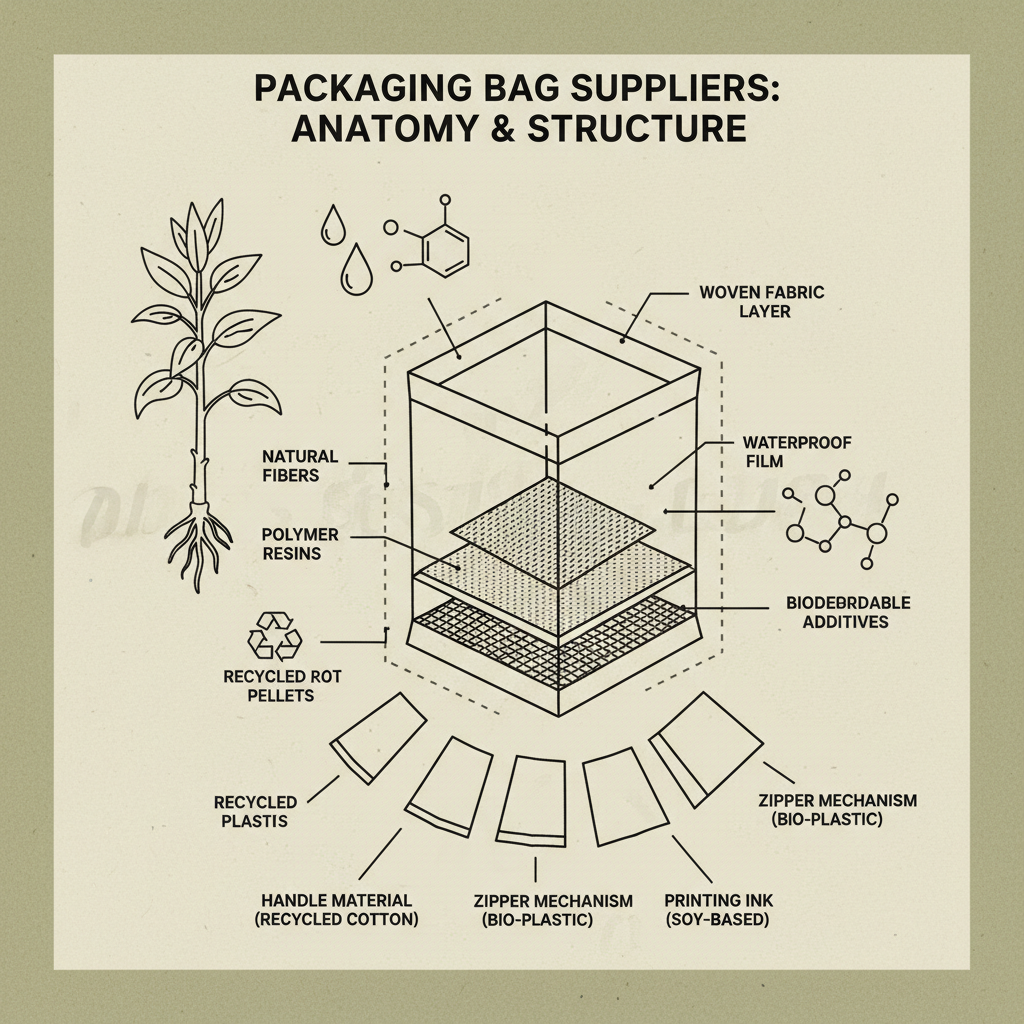
These bags are typically made from plant-based materials like cornstarch, potato starch, sugarcane, or cellulose. Others utilize compostable polymers like Polybutylene Succinate (PBS) or Polyhydroxyalkanoates (PHAs). The key distinction lies in their ability to be broken down by natural processes, reducing the burden on landfills and minimizing environmental harm. Understanding the specific material composition is crucial as different biodegradable materials have varying decomposition rates and requirements.
The rise of biodegradable produce bags is deeply connected to modern sustainability initiatives and a growing humanitarian need to address plastic waste. They align with the principles of a circular economy, where materials are reused or broken down naturally, minimizing waste and maximizing resource efficiency. This is particularly important in regions facing challenges with waste management infrastructure.
Core Components and Material Science
The effectiveness of biodegradable produce bags hinges on the properties of their core components. Commonly, these bags are constructed from polymers derived from renewable resources. Polylactic Acid (PLA), derived from cornstarch, is a popular choice due to its relative affordability and good processability. However, PLA requires specific composting conditions (industrial composting) to break down efficiently. Other materials, like cellulose-based films, offer a more readily biodegradable option but may have limitations in terms of strength and barrier properties.
The science behind biodegradability centers around enzymatic hydrolysis. Microorganisms secrete enzymes that break down the polymer chains into smaller molecules, ultimately converting them into simpler substances. The rate of this process is influenced by several factors, including the polymer’s chemical structure, the availability of oxygen and moisture, and the presence of specific microbial communities. Additives and blends can also impact biodegradability, often used to enhance strength, flexibility, or barrier protection.
Beyond the polymer itself, considerations include the bag’s thickness, seal integrity, and printing inks. Biodegradable inks are essential to ensure the entire bag can decompose without leaving harmful residues. Manufacturers are continuously researching and developing new formulations to optimize both the biodegradability and functional performance of these bags, striving for a balance between environmental responsibility and practical application.
Performance Characteristics of Biodegradable Produce Bags
Assessing the performance of biodegradable produce bags requires considering several key characteristics. Durability is crucial; the bag must withstand the rigors of handling, transportation, and storage without tearing or leaking. While some biodegradable materials may initially exhibit lower tensile strength compared to conventional plastics, advancements in polymer blending and film extrusion techniques are improving their structural integrity.
Another important factor is barrier properties—the bag's ability to protect produce from moisture loss, oxygen exposure, and external contaminants. Adequate barrier properties help maintain freshness and extend shelf life. Material selection and film layering techniques play a significant role in achieving the desired level of barrier protection. However, balancing biodegradability with barrier properties remains a challenge, as some biodegradable materials are inherently more permeable.
Comparison of Biodegradable Produce Bag Materials
Global Applications and Industry Adoption
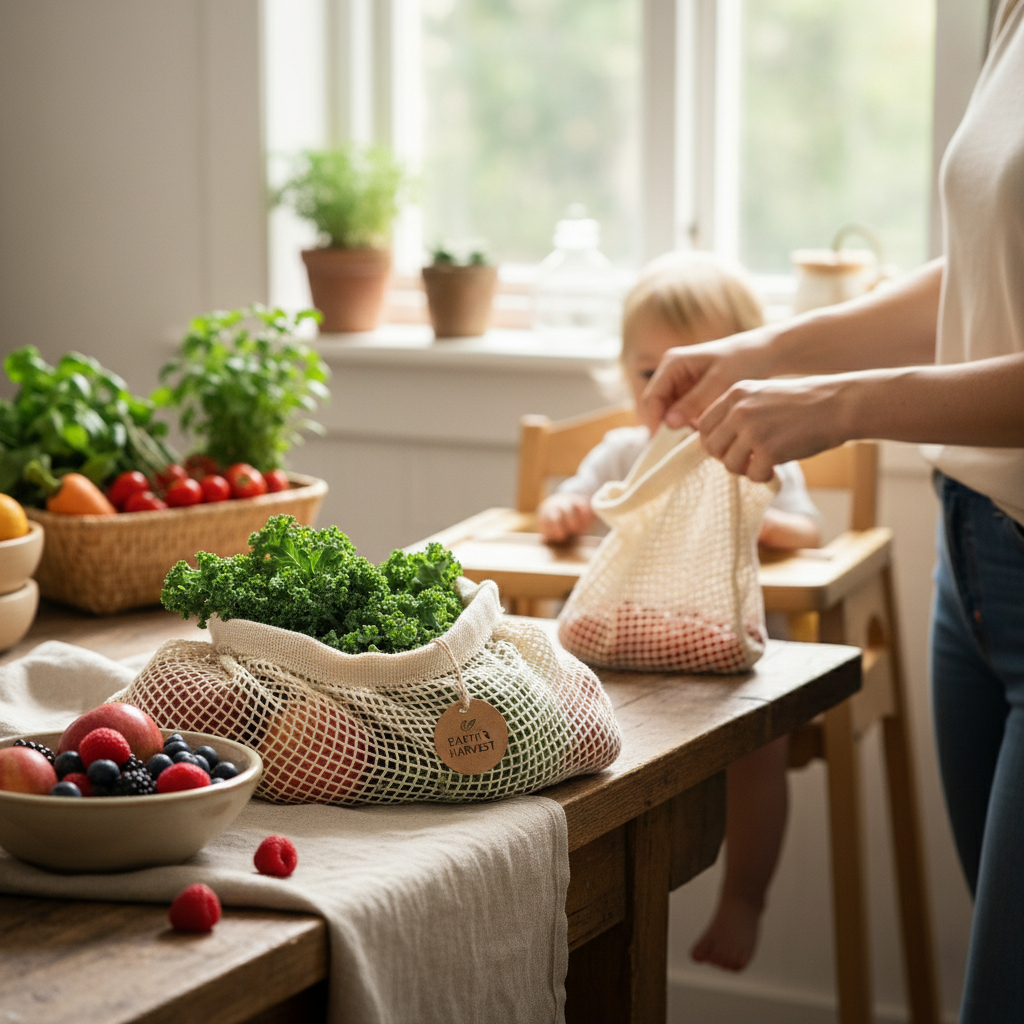
The application of biodegradable produce bags is expanding rapidly across diverse industries. The fresh produce sector, naturally, is a primary adopter, with supermarkets and organic farms increasingly utilizing these bags for fruits, vegetables, and herbs. The shift is driven by consumer demand for sustainable packaging and retailer commitments to reduce their environmental impact.
Beyond grocery retail, biodegradable produce bags are finding applications in farmers' markets, community-supported agriculture (CSA) programs, and direct-to-consumer produce delivery services. In post-disaster relief operations, these bags can provide a hygienic and environmentally responsible solution for distributing food aid. The compostable nature of the bags allows for on-site composting, reducing waste and enriching soil in affected areas.
Advantages and Long-Term Sustainability
The advantages of adopting biodegradable produce bags extend beyond environmental benefits. Cost-effectiveness is becoming increasingly competitive as production scales up and material costs decrease. Furthermore, utilizing renewable resources reduces reliance on fossil fuels, contributing to a more sustainable supply chain. From a marketing perspective, using biodegradable packaging enhances brand image and appeals to environmentally conscious consumers.
Long-term sustainability is at the heart of the biodegradable produce bag movement. By diverting waste from landfills, these bags reduce greenhouse gas emissions and minimize the risk of soil and water contamination. They support a circular economy model, where materials are continuously reused or safely returned to the environment. This fosters a more responsible and resilient food system.
Future Trends and Innovations in Biodegradable Packaging
The future of biodegradable packaging, including biodegradable produce bags, is poised for significant innovation. Research is focusing on developing new materials with enhanced biodegradability, improved barrier properties, and increased strength. This includes exploring novel biopolymers derived from algae, agricultural waste, and other renewable sources.
Advancements in composting technologies are also playing a crucial role. Developing more efficient and accessible composting infrastructure, including home composting systems, will accelerate the decomposition process and maximize the environmental benefits of biodegradable bags. Digital technologies, such as blockchain, are being explored to track the lifecycle of packaging materials, ensuring transparency and accountability.
Policy changes and government incentives will further drive adoption. Regulations mandating the use of biodegradable packaging and providing financial support for research and development will accelerate the transition to a more sustainable packaging landscape. The integration of biodegradable packaging into smart packaging solutions, utilizing sensors and data analytics, will enhance food safety and reduce waste throughout the supply chain.
FAQS
While both terms relate to environmentally friendly disposal, they aren't interchangeable. Biodegradable means a material can be broken down by microorganisms over time, but the timeframe isn't specified. Compostable, however, requires a specific set of conditions (temperature, humidity, microbial activity) and breaks down within a defined timeframe, leaving no toxic residue. Compostable bags are a subset of biodegradable bags.
Generally, yes, but it depends on the produce. For leafy greens or items prone to moisture buildup, ensuring the bag has adequate ventilation or is used with proper storage techniques is crucial. Certain highly sensitive produce might benefit from bags with specific barrier properties to maintain optimal freshness. Check bag specifications for recommendations.
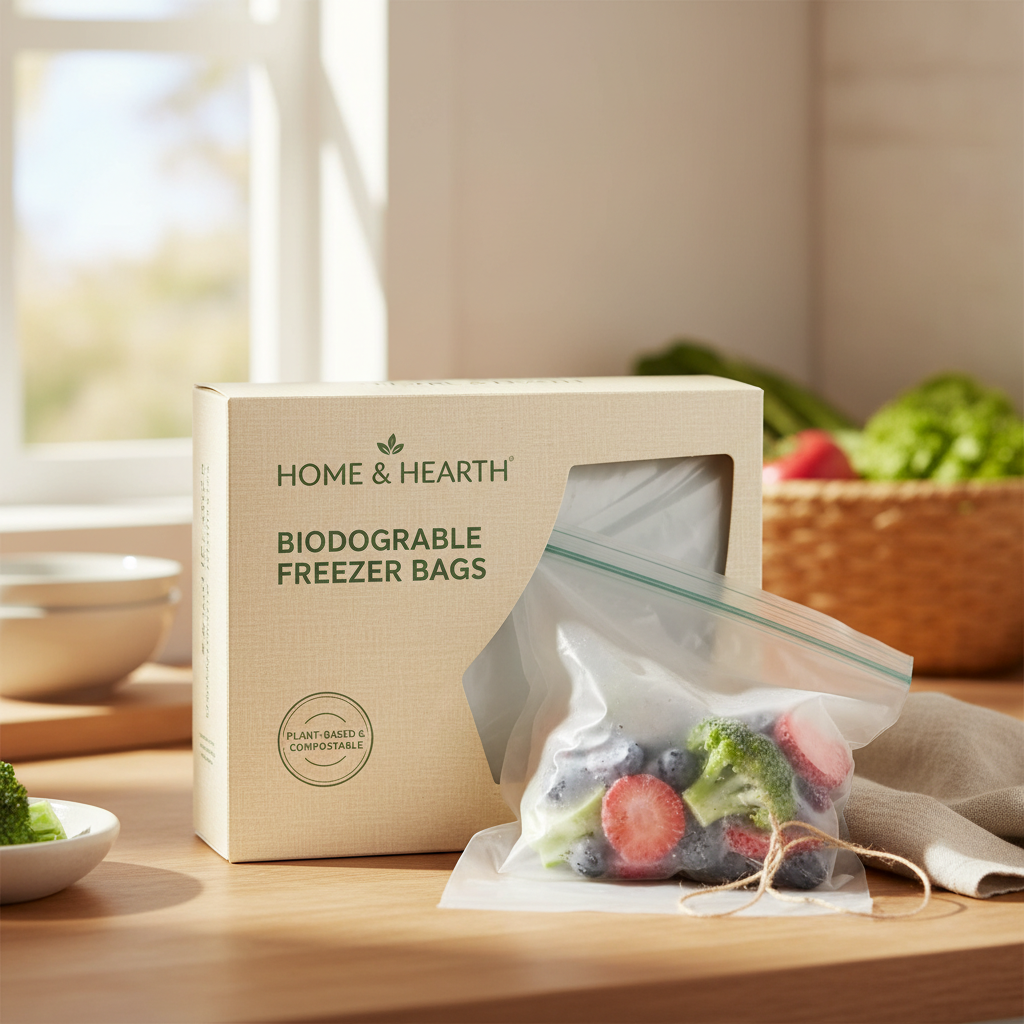
The best disposal method depends on the bag’s material. PLA bags typically require industrial composting facilities. Cellulose-based bags may be compostable in home compost piles. Always check the bag's labeling for specific instructions. If composting isn’t available, the bag may still degrade faster in a landfill compared to traditional plastic, but this is not the ideal outcome.
Historically, biodegradable bags have been more expensive, but the price gap is narrowing. As production volumes increase and technology advances, the cost of biodegradable materials is decreasing. Furthermore, when factoring in the long-term environmental costs associated with plastic pollution, biodegradable bags represent a more sustainable and economically viable option.
Look for certifications like BPI (Biodegradable Products Institute) or EN 13432, which verify that the bag meets specific standards for compostability and biodegradability. These certifications provide assurance that the bag will break down as claimed and won't leave harmful residues in the environment.
Generally, no. Biodegradable produce bags are not compatible with traditional plastic recycling streams. Adding them to plastic recycling can contaminate the process and reduce the quality of recycled materials. The intended disposal method for biodegradable bags is composting or, as a last resort, landfilling where they will degrade over time.
Conclusion
Biodegradable produce bags represent a significant step towards a more sustainable food packaging system. Their ability to decompose naturally, coupled with advancements in material science and composting technologies, offers a viable solution to the pressing issue of plastic pollution. From reducing landfill waste to supporting a circular economy, the benefits of adopting these bags are far-reaching.
As consumer demand for eco-friendly options continues to grow, and as governments implement stricter regulations, the adoption of biodegradable produce bags is poised to accelerate. Investing in research and development, promoting composting infrastructure, and educating consumers about proper disposal methods are crucial to maximizing the positive impact of this innovative packaging solution. Visit our website at www.dslpack.com to learn more about our range of sustainable packaging options.