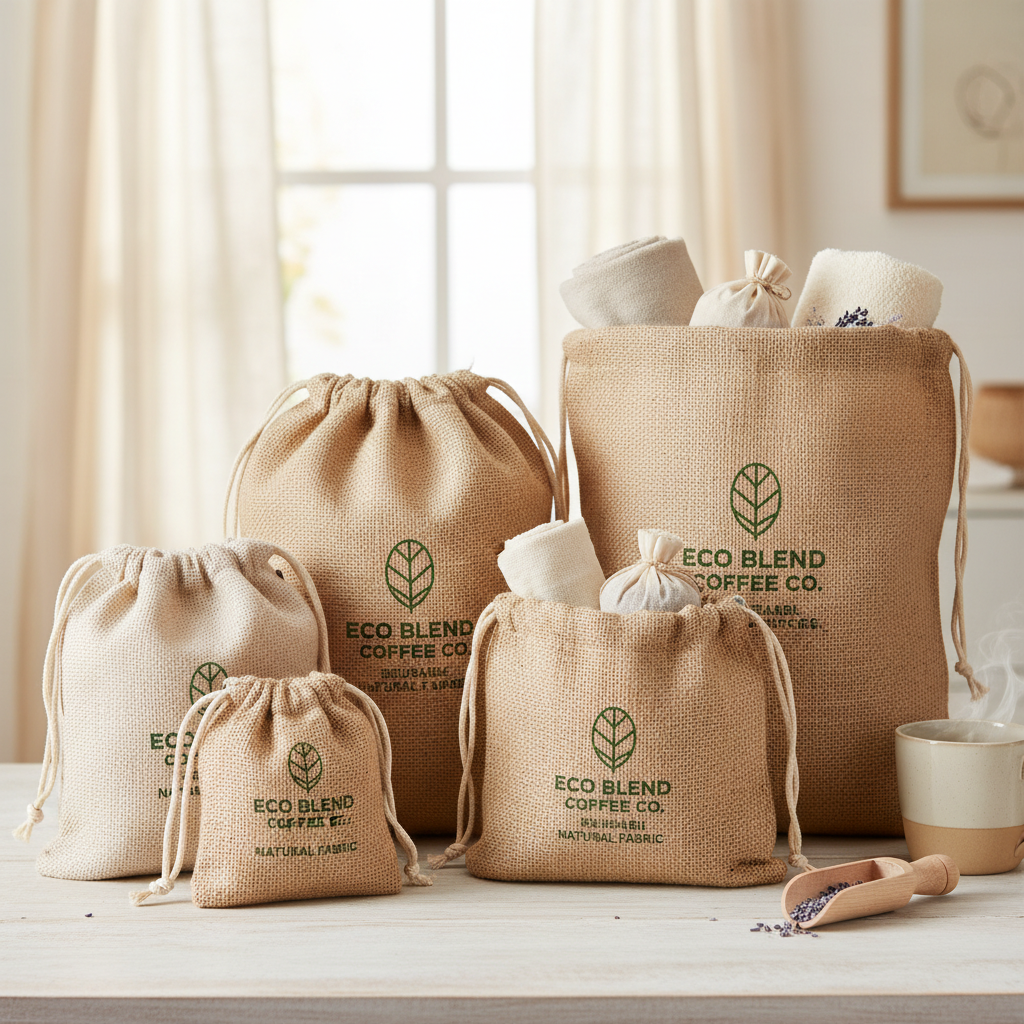
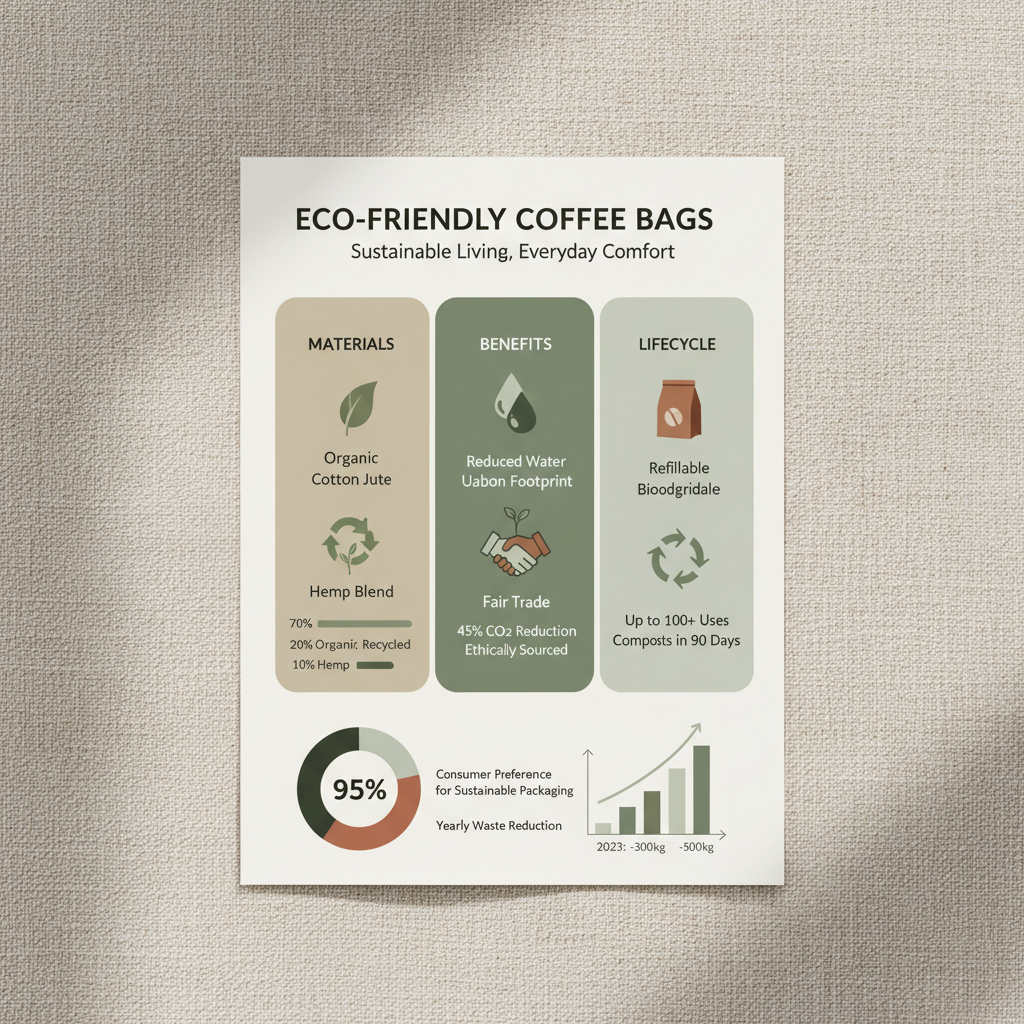
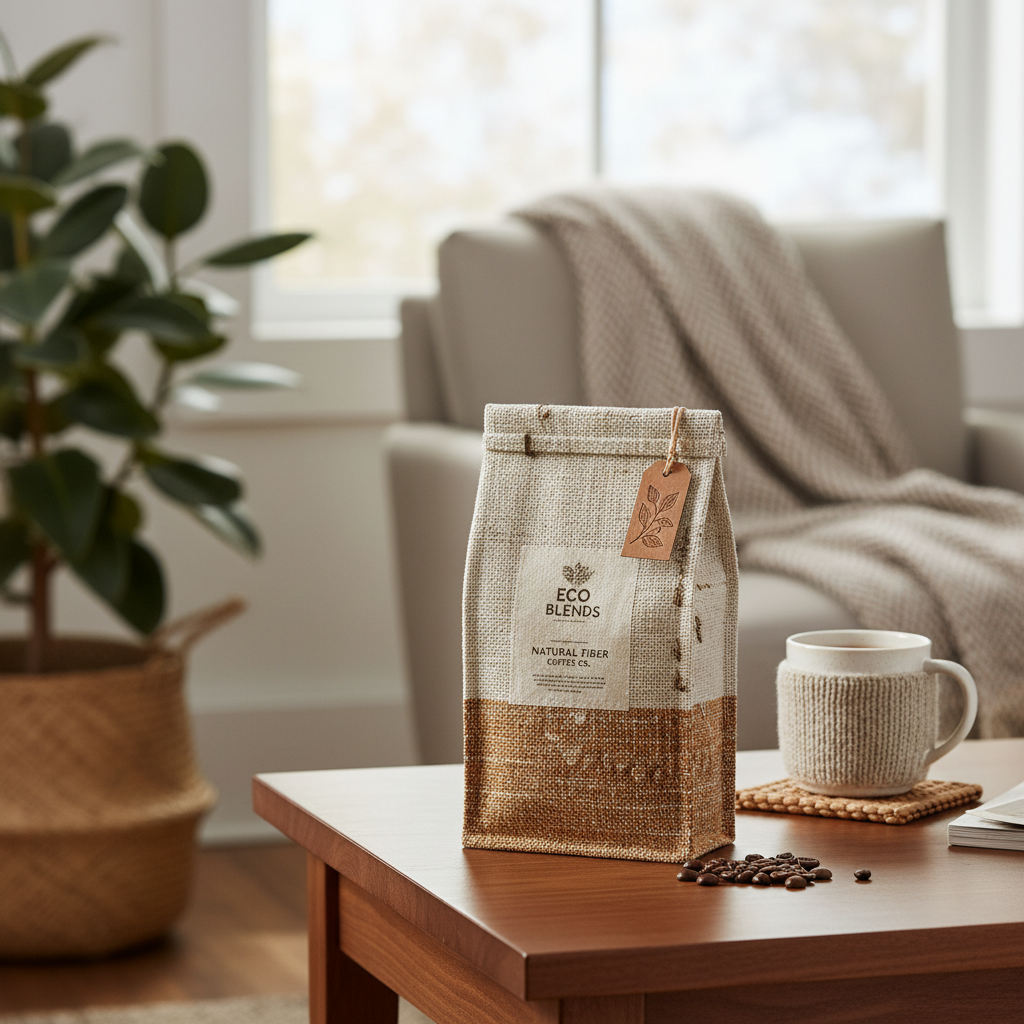
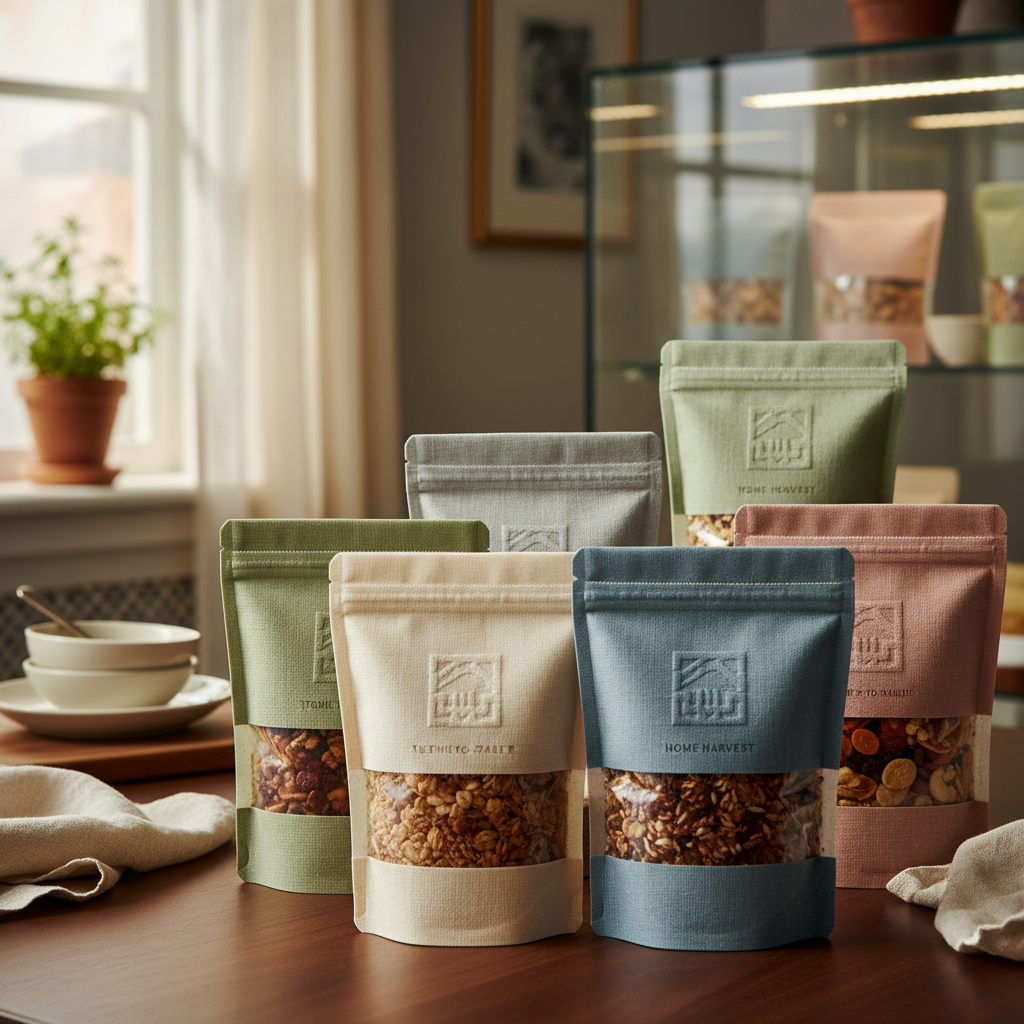
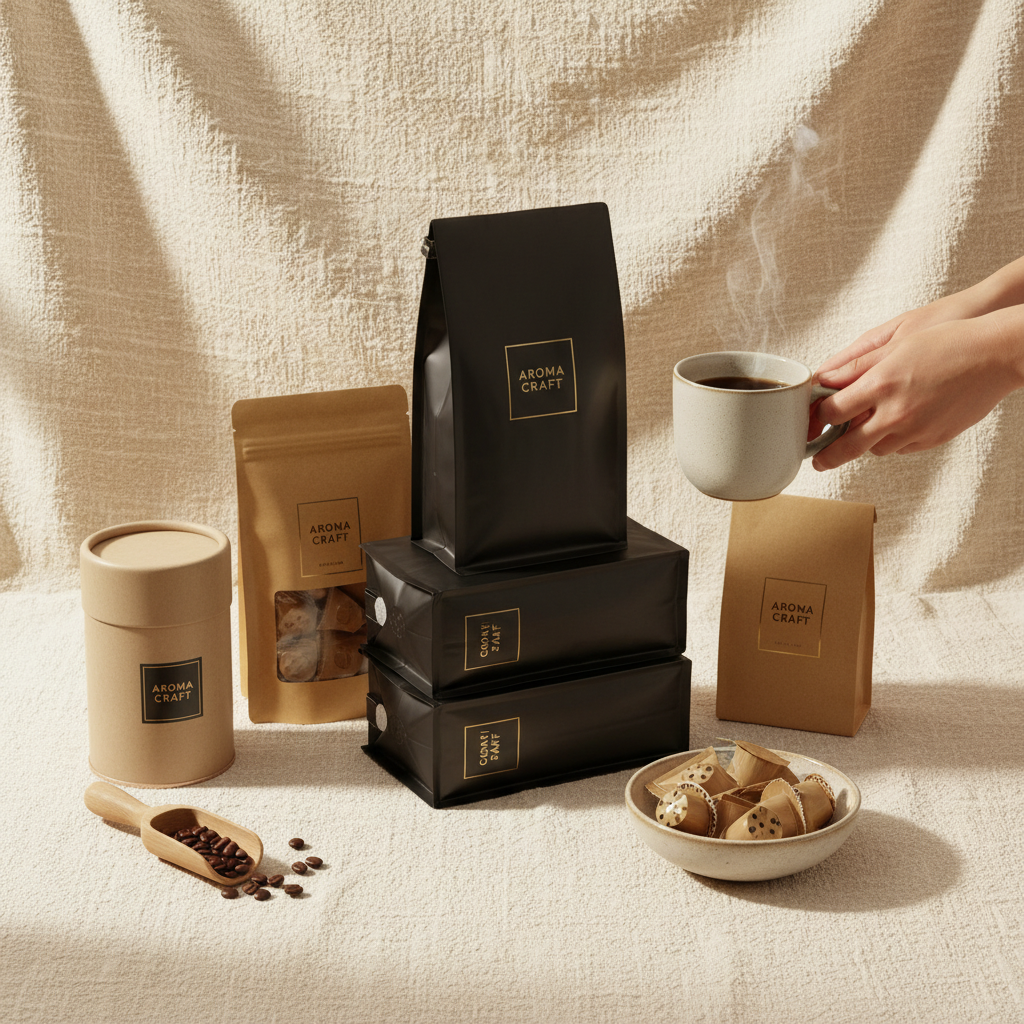
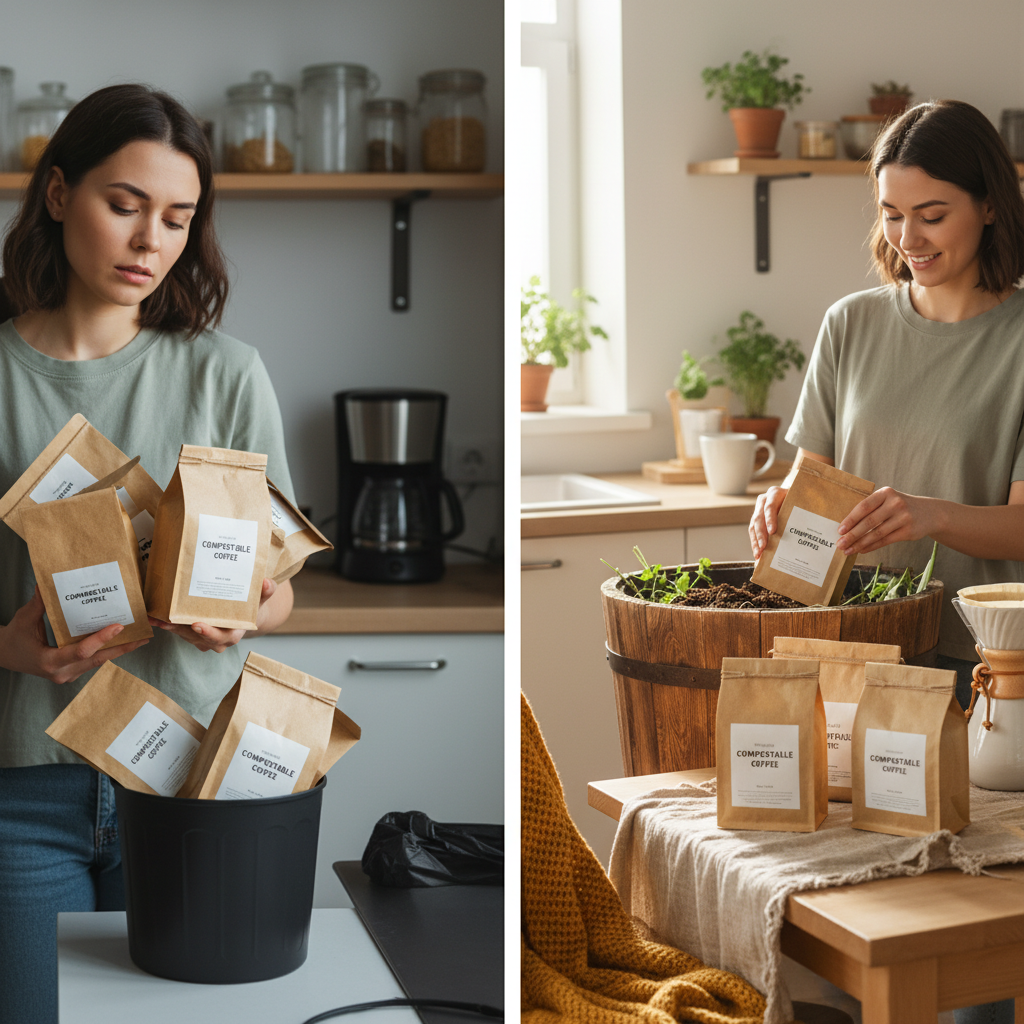
The global shift toward sustainability has transformed the packaging industry, placing a significant spotlight on eco friendly coffee bags as a critical solution for the specialty coffee market. As consumers become increasingly aware of the environmental impact of single-use plastics, roasters and retailers are seeking alternatives that maintain bean freshness without compromising the planet's health.
Transitioning to sustainable packaging is no longer just a corporate social responsibility trend but a strategic business necessity. By integrating advanced materials such as compostable polymers and PCR (Post-Consumer Recycled) resins, the industry can significantly reduce its carbon footprint and divert tons of waste from landfills and oceans.
Understanding the technical nuances of eco friendly coffee bags—from oxygen barrier properties to end-of-life disposal—allows brands to communicate authentic value to their customers. This guide explores how the intersection of material science and ecological responsibility is redefining the way we store and transport one of the world's most beloved beverages.
Global Relevance of Sustainable Coffee Packaging
The scale of plastic pollution in the food and beverage sector is staggering, with millions of tons of multi-layer laminates ending up in landfills annually because they are traditionally impossible to recycle. For the coffee industry, the challenge is amplified by the need for high-barrier protection to keep oxygen and moisture out, which typically requires a blend of plastic and aluminum foils.
The adoption of eco friendly coffee bags addresses this systemic failure. By adhering to ISO standards for environmental management and aligning with UN Sustainable Development Goals, manufacturers are now creating packaging that maintains a professional shelf-life while ensuring the material can be recovered or safely biodegraded.
Defining Eco Friendly Coffee Bags and Materials
In simple terms, eco friendly coffee bags are packaging solutions designed to minimize environmental harm throughout their entire lifecycle—from raw material extraction to disposal. Unlike traditional pouches made from virgin polyethylene and aluminum, these bags utilize plant-based polymers, recycled content, or mono-materials that can be processed in standard recycling streams.
The connection to modern industry lies in the "Circular Economy" model. Rather than a linear "take-make-dispose" approach, sustainable coffee packaging focuses on regenerative systems. This includes the use of PCR (Post-Consumer Recycled) plastics, where existing waste is cleaned and re-processed into new pouches, reducing the reliance on fossil-fuel-based virgin resins.
Furthermore, these solutions address the humanitarian need to protect soil and water quality. In coffee-growing regions—often in biodiversity hotspots—the introduction of compostable packaging helps prevent the contamination of the very land that produces the crop, creating a symbiotic relationship between the product and its origin.
Core Components of High-Performance Green Bags
One of the primary factors in the success of eco friendly coffee bags is Barrier Efficiency. To prevent oxidation and preserve the volatile aromatic compounds of roasted coffee, these bags employ innovative bio-coatings or mono-PE structures that mimic the performance of aluminum foils without the recycling complications.
Material Scalability is equally vital. For a sustainable solution to be viable, it must be compatible with existing Form-Fill-Seal (FFS) machinery. Modern compostable and recyclable films are now engineered to have the same heat-seal strength and tensile durability as traditional plastics, allowing roasters to switch materials without investing in entirely new production lines.
Finally, End-of-Life Clarity defines the true eco-friendliness of the product. Whether a bag is marked as "Home Compostable," "Industrially Compostable," or "100% Recyclable," the labeling must be transparent. This ensures that the user knows exactly how to dispose of the packaging to ensure it actually reaches the intended waste stream.
Practical Applications Across Global Markets
The application of eco friendly coffee bags varies by region based on waste infrastructure. In European markets, where industrial composting is widespread, certified compostable pouches are becoming the gold standard for organic coffee brands. In North America, there is a stronger push toward mono-material recyclable pouches that can be dropped off at store-front recycling hubs.
Beyond the retail shelf, these solutions are used in B2B bulk shipping and specialty sampling. For instance, in high-end boutique cafes, small compostable sample pouches allow customers to try different origins without contributing to the plastic crisis. Even in remote industrial zones or corporate offices, the switch to sustainable packaging reflects a brand's commitment to a cleaner future.
Sustainability Performance Comparison of Coffee Packaging
Long-Term Value of Sustainable Transitions
The shift to eco friendly coffee bags offers tangible economic benefits beyond environmental altruism. Brands that adopt sustainable packaging early often see a rise in customer loyalty and a willingness from consumers to pay a slight premium for ethically packaged goods. This creates a virtuous cycle where the cost of more expensive bio-materials is offset by increased brand equity and market share.
From a risk management perspective, transitioning now prepares companies for inevitable regulatory shifts. Many governments are already introducing "Plastic Taxes" or banning non-recyclable multi-layer films. By investing in green packaging today, coffee roasters avoid the chaos of rushed compliance and instead position themselves as innovators and leaders in the sustainable food movement.
Future Innovations in Bio-Polymer Technology
The next frontier for eco friendly coffee bags lies in "Active Packaging." We are seeing the development of bio-based materials that can actively absorb oxygen or release natural preservatives to extend the shelf life of coffee beans even further, reducing food waste alongside packaging waste.
Digital transformation is also playing a role. The integration of QR codes and NFC tags on sustainable pouches allows consumers to track the entire lifecycle of the bag—from the origin of the bio-polymer to the nearest composting facility. This transparency builds deep trust and encourages proper disposal habits.
Furthermore, we are moving toward "Marine Degradable" materials. While current compostable bags require industrial heat to break down, future innovations aim to create polymers that can dissolve harmlessly in ocean water, providing a fail-safe for packaging that accidentally escapes waste management systems.
Overcoming Challenges in Green Packaging Adoption
Despite the benefits, the transition to eco friendly coffee bags is not without hurdles. The most common complaint is the "Barrier Gap"—the tendency for some bio-plastics to let in more oxygen than aluminum, potentially shortening the freshness window. However, expert insights suggest using high-performance mono-PE or multi-layer bio-laminates to bridge this gap.
Another challenge is the cost of raw materials. Bio-polymers like PLA or PBAT are often more expensive than traditional petroleum-based resins. To overcome this, companies can optimize their bag design—reducing material thickness (downgauging) without sacrificing strength—to keep the unit cost competitive.
Finally, the confusion surrounding "biodegradable" vs "compostable" often leads to consumer frustration. The solution is a standardized, global labeling system that uses clear iconography rather than vague marketing terms, ensuring that the ecological promise of the packaging is actually fulfilled at the end of its life.
Comparison Analysis of Sustainable Packaging Material Options
| Material Type |
Barrier Strength |
Disposal Method |
Eco-Score (1-10) |
| 100% Recyclable PE |
Medium-High |
Curbside Recycling |
7 |
| Industrial Compostable |
Medium |
Industrial Facility |
9 |
| Home Compostable |
Low-Medium |
Backyard Bin |
10 |
| PCR (30%-75%) Plastic |
High |
Recycling Plant |
8 |
| Paper-based Laminate |
Low |
Mixed Waste |
6 |
| Bio-PLA Films |
Medium |
Industrial Compost |
8 |
FAQS
Yes, modern eco friendly coffee bags are engineered with high-barrier mono-materials or bio-coatings that provide excellent oxygen and moisture protection. While some early versions had shorter shelf lives, current industry-standard sustainable pouches can maintain peak freshness for 6-12 months, depending on the specific material and the use of one-way degassing valves.
Recyclable bags are made from materials (like mono-PE) that can be melted down and repurposed into new plastic products. Compostable bags are made from bio-polymers that break down into organic matter under specific conditions. The choice depends on your local infrastructure: if you have municipal composting, compostables are ideal; otherwise, recyclable mono-materials are often more practical.
Absolutely. PCR packaging used for coffee undergoes rigorous cleaning and purification processes to meet FDA and EFSA food-safety standards. These materials ensure that no contaminants from the previous life of the plastic enter the coffee, providing a safe, hygienic, and sustainable alternative to virgin plastics.
In most cases, yes. Leading manufacturers design eco friendly coffee bags to match the seal temperature, coefficient of friction, and tensile strength of traditional laminates. We recommend a trial run to calibrate your heat-sealers, but generally, no major equipment overhaul is required for the transition to green films.
Look for recognized international certifications on the packaging, such as TUV OK Compost (Home or Industrial) or BPI (Biodegradable Products Institute). Avoid bags that simply say "biodegradable" without a specific standard, as this can be a vague marketing term. Certified bags must pass strict tests to ensure they leave no toxic residues behind.
Initially, the raw material cost for bio-polymers can be higher. However, when you factor in reduced plastic taxes, increased brand loyalty, and the ability to market your product as sustainable, the long-term ROI is typically positive. Additionally, as global production of these materials scales up, the price gap is narrowing rapidly.
Conclusion
The transition to eco friendly coffee bags represents a pivotal intersection of material science and environmental ethics. By moving away from multi-layer foils and virgin plastics toward recyclable mono-materials and compostable bio-polymers, the coffee industry can effectively decouple its growth from environmental degradation. We have seen that these solutions no longer require a sacrifice in quality or freshness, providing a viable path toward a truly circular economy.
Looking forward, the adoption of sustainable packaging will become the primary differentiator for successful coffee brands. We suggest that roasters start with a phased transition—perhaps beginning with PCR content before moving to fully compostable solutions—to ensure operational stability. Embracing this change is not just about compliance; it is about honoring the origin of the coffee and ensuring a healthy planet for future generations of growers and drinkers alike. Visit our website: www.dslpack.com