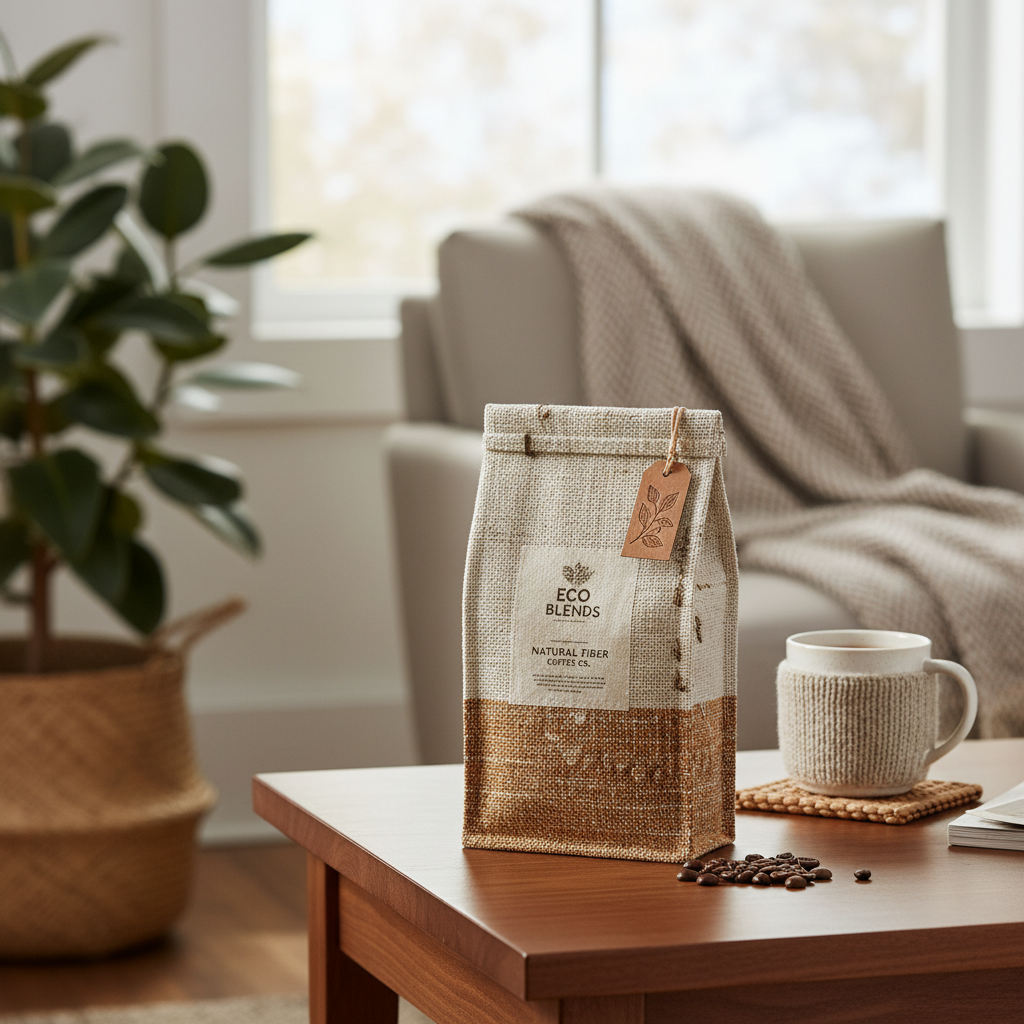
Sustainable coffee packaging isn’t just a buzzword; it’s a critical shift in how we approach the entire coffee supply chain. For too long, the industry has relied on materials that end up in landfills, contributing to environmental damage. Now, we're seeing a real push for solutions that minimize that impact – from compostable pouches to reusable containers. It's about more than just 'being green'; it's about ensuring the long-term viability of coffee production itself, protecting the ecosystems that grow our beans. sustainable coffee packaging is rapidly becoming a non-negotiable for brands that want to resonate with today's conscious consumer.
The demand for responsible packaging stems from increasing consumer awareness and stricter regulations. Consumers are actively seeking brands that align with their values, and packaging is a visible indicator of a company’s commitment to sustainability. Globally, we’re witnessing a surge in interest in circular economy principles, where materials are reused and recycled, minimizing waste. This isn’t a niche trend anymore; it’s a fundamental change in market expectations. The UN Sustainable Development Goals, particularly those relating to responsible consumption and production, are driving this change at a macro level.
Ultimately, sustainable coffee packaging aims to reduce the environmental footprint of the coffee industry by utilizing materials and designs that minimize waste, conserve resources, and support a circular economy. It goes beyond simply replacing plastic with other materials; it involves a holistic assessment of the entire packaging lifecycle – from sourcing and production to disposal and potential reuse. This concept isn't just about environmental stewardship but also responds to modern consumer demands for transparency and ethical business practices.
The Importance of Sustainable Coffee Packaging
Look, I spend my days on construction sites, dealing with materials, talking to engineers – the amount of waste generated is staggering. The coffee industry isn't immune to this. We’ve historically relied on multi-layer plastics and aluminum foils, materials that are notoriously difficult to recycle. The sheer volume of coffee consumed globally means that even a small percentage ending up in landfill adds up to a huge problem. sustainable coffee packaging is about addressing that volume, finding alternatives that don’t leave a lasting negative impact.
From a practical standpoint, switching to sustainable options isn't always straightforward. It requires understanding material properties, barrier requirements, and the logistics of scaling up production. But it's a necessary challenge. We're seeing manufacturers actively exploring bio-based plastics, compostable materials, and innovative designs that minimize material usage. The goal is to create packaging that’s both protective and environmentally responsible.
Global Context and Industry Challenges
The statistics are pretty clear. Globally, coffee production generates a substantial amount of waste, and packaging accounts for a significant portion of that. The World Bank estimates that global waste generation will increase by 70% by 2050 if current trends continue. That’s a frightening figure, and the coffee industry needs to be part of the solution. Furthermore, ISO standards are increasingly emphasizing life cycle assessments and environmental product declarations, pushing companies to quantify and reduce their environmental impact.
One of the biggest challenges is cost. Sustainable materials can often be more expensive than traditional options, which creates a barrier for smaller coffee companies. There’s also the issue of infrastructure. Compostable packaging requires access to industrial composting facilities, which aren’t available everywhere. And let's be real, "biodegradable" isn’t a magic bullet – it needs the right conditions to actually break down. The challenge is building a system that supports these materials throughout their entire lifecycle.
Another hurdle is maintaining product freshness and shelf life. Coffee beans are sensitive to oxygen, moisture, and light. Sustainable packaging needs to provide the same level of protection as traditional materials without compromising quality. That's where innovation in material science and packaging design comes into play. It's not just about swapping materials; it’s about finding the right solutions for the unique needs of coffee.
Defining Sustainable Coffee Packaging
Sustainable coffee packaging, at its core, means minimizing the environmental impact of packaging throughout its entire lifecycle – from raw material sourcing to end-of-life management. It’s about using materials that are renewable, recyclable, compostable, or biodegradable. It also considers the energy and water used in production, the transportation footprint, and the overall waste generated. sustainable coffee packaging isn't just about the material itself; it’s about the whole system.
This definition connects directly to modern industry trends focused on circular economy principles and corporate social responsibility (CSR). Consumers are actively seeking brands that demonstrate a commitment to sustainability, and packaging is a key indicator of that commitment. Companies are increasingly integrating sustainability into their core business strategies, recognizing that it’s not just good for the planet but also good for their bottom line.
From a humanitarian perspective, sustainable packaging can also contribute to waste reduction in developing countries, where waste management infrastructure is often limited. By using materials that can be readily composted or recycled locally, we can help reduce pollution and improve public health. It's about creating solutions that are beneficial not just for the environment but also for the communities involved in coffee production and consumption.
Key Components of Effective Sustainable Packaging
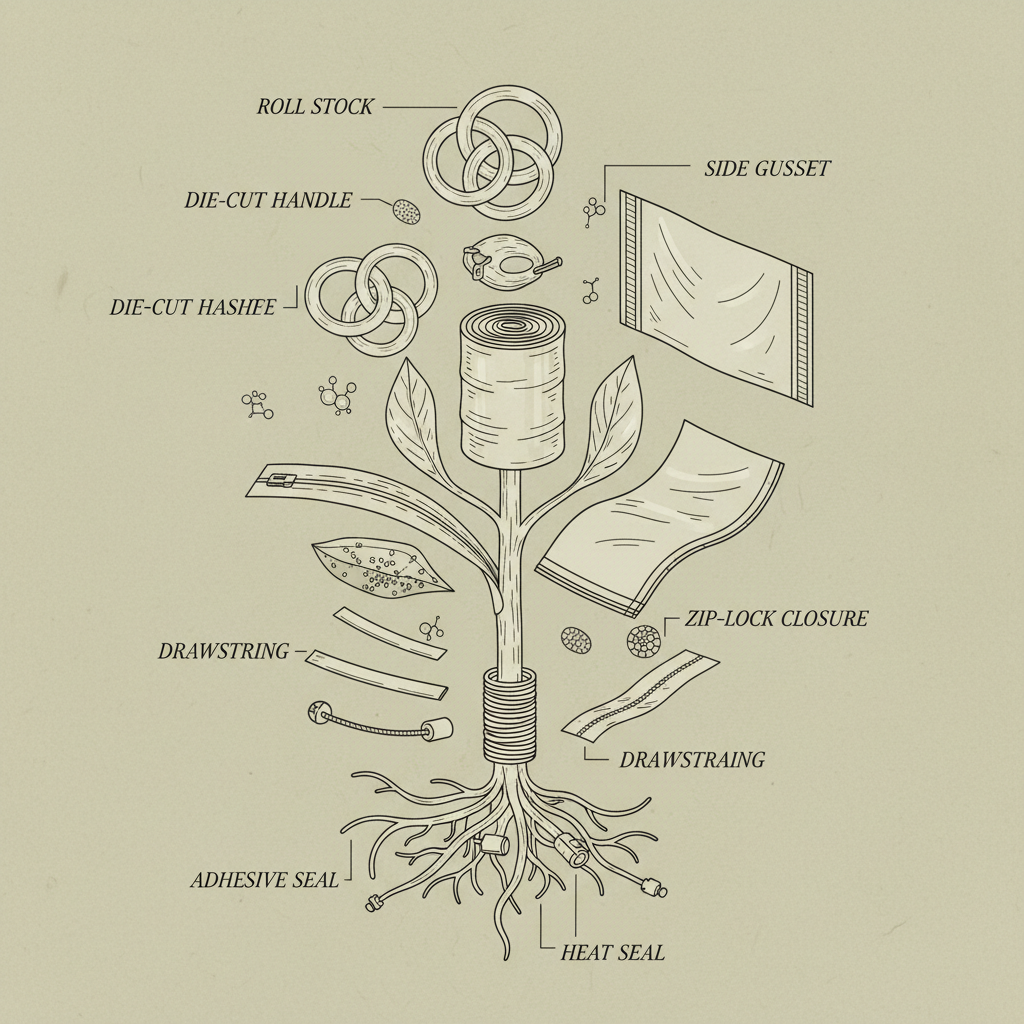
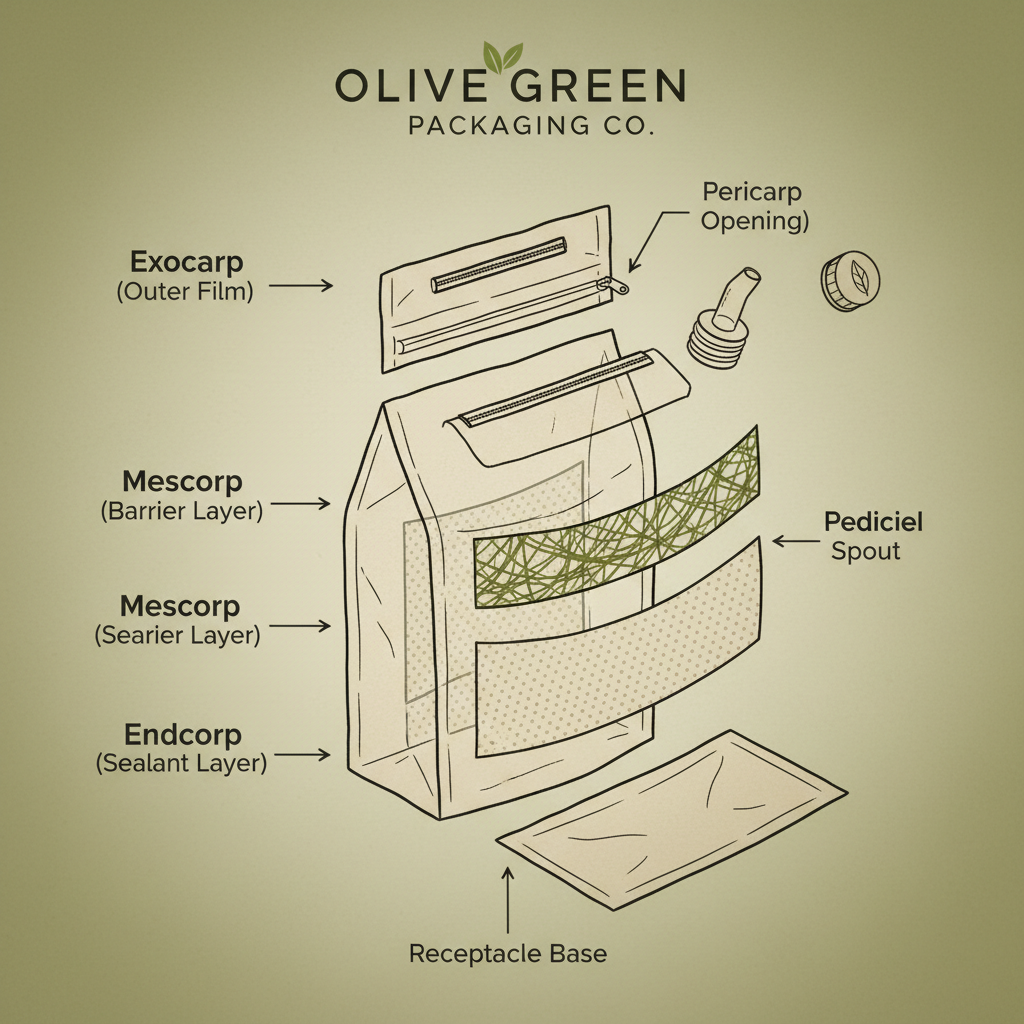
There are several core components that define truly effective sustainable coffee packaging. First, Material Sourcing is crucial. We need to prioritize renewable materials like paperboard from responsibly managed forests (FSC certified), bio-based plastics derived from plant sources, or recycled content. Second, Barrier Properties matter. Coffee needs protection from oxygen, moisture, and light, so materials must provide adequate barriers without relying on unsustainable coatings.
Next up is Compostability/Recyclability. Packaging should be designed for end-of-life scenarios. This means using materials that can be easily composted in industrial facilities or recycled through existing infrastructure. Durability and Protection are essential – you can have a sustainable bag that falls apart; it’s got to protect the product through shipping and handling. Finally, Scalability and Cost-Effectiveness are key. A great solution is useless if it can’t be produced at scale and remains affordable.
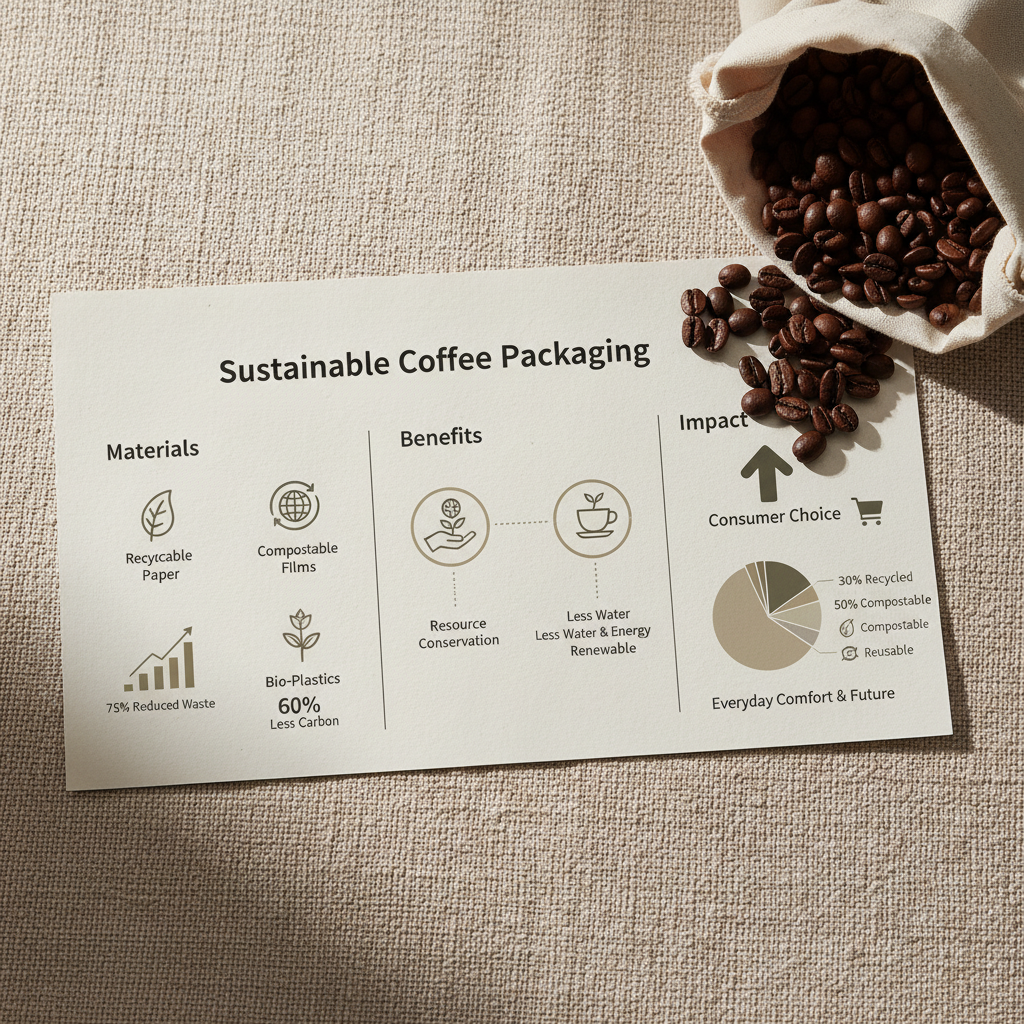
Rating of Sustainable Coffee Packaging Components
Real-World Applications and Use Cases
We're seeing sustainable coffee packaging implemented across the board. Smaller, specialty coffee roasters are often the early adopters, using compostable pouches and minimal packaging. Larger brands are starting to incorporate recycled content into their bags and exploring reusable container programs. In regions with well-developed composting infrastructure, like parts of Europe and North America, compostable packaging is gaining traction.
In remote industrial zones, where waste management is limited, robust, reusable containers are becoming increasingly popular. Direct trade coffee initiatives often prioritize sustainable packaging to align with their ethical sourcing practices. And post-disaster relief operations, believe it or not, are starting to explore compostable packaging for food and beverage distribution, minimizing waste in already challenging circumstances.
Long-Term Benefits and Value Proposition
The benefits of investing in sustainable coffee packaging extend far beyond environmental responsibility. There’s a clear economic advantage – reduced waste disposal costs and potential tax incentives for sustainable practices. From a brand perspective, it builds customer loyalty and strengthens brand reputation. Consumers are willing to pay a premium for products from companies that demonstrate a commitment to sustainability.
But it's not just about cost savings and brand image. It's about creating a more resilient and equitable supply chain. Sustainable packaging reduces reliance on fossil fuels, supports responsible forestry practices, and minimizes the environmental impact of coffee production. It's a long-term investment in the future of the industry. It promotes innovation, fosters trust with consumers, and upholds a sense of dignity in the sourcing process.
Ultimately, transitioning to sustainable packaging isn’t just the right thing to do; it's the smart thing to do. It’s about building a business that’s both profitable and responsible, a business that can thrive in a changing world.
Future Trends and Innovations in Packaging
We're on the cusp of some exciting innovations in sustainable packaging. We’re seeing increased investment in bio-based materials, like mycelium packaging (grown from mushroom roots) and seaweed-based films. Digital printing technologies are allowing for more customized and efficient packaging designs, reducing waste. Active and intelligent packaging, incorporating sensors to monitor freshness and shelf life, are also on the horizon.
Furthermore, advancements in recycling technologies are making it easier to recycle complex packaging materials. The integration of blockchain technology can improve traceability and transparency in the supply chain, ensuring that sustainable materials are genuinely sourced responsibly. And government regulations are increasingly pushing for extended producer responsibility (EPR) schemes, holding companies accountable for the end-of-life management of their packaging.
The future of sustainable coffee packaging is intertwined with broader trends like green energy, digital transformation, and automation. We’ll see more automated sorting and recycling facilities, powered by renewable energy, and more data-driven insights into packaging performance and environmental impact.
Summary of Future Trends in Sustainable Coffee Packaging
| Trend Category |
Specific Innovation |
Impact on Sustainability |
Implementation Challenges |
| Materials |
Mycelium Packaging |
Fully compostable, renewable resource |
Scalability, moisture resistance |
| Technology |
Digital Printing |
Reduced waste, customized designs |
Ink sustainability, cost |
| Infrastructure |
Automated Recycling |
Increased recycling rates, improved purity |
High upfront investment, technology limitations |
| Policy |
EPR Schemes |
Producer accountability, funding for recycling |
Compliance costs, potential for loopholes |
| Packaging Design |
Active Packaging |
Extended shelf life, reduced food waste |
Material compatibility, cost |
| Supply Chain |
Blockchain Traceability |
Verified sustainable sourcing, transparency |
Data security, implementation complexity |
FAQS
Honestly, it's often cost. Sustainable materials can be more expensive upfront, especially for smaller roasters. But you have to factor in the long-term benefits – brand reputation, customer loyalty, and potential cost savings from reduced waste. Plus, as demand increases, prices will inevitably come down. It's about making a strategic investment, not just looking at the immediate bottom line.
That's a great question. The biggest issue is access to industrial composting facilities. You need to clearly label your packaging with composting instructions and ideally partner with local composting services or organizations. Consumer education is key. If people don't know how to compost, it's going to end up in the landfill, defeating the purpose.
Not necessarily. The sustainability of bio-based plastics depends on how they're produced. If they're made from sustainably sourced feedstocks and manufactured using renewable energy, then yes, they can be a good option. But if they rely on deforestation or fossil fuels, then they're not truly sustainable. It's important to look at the entire lifecycle.
Start small! Look for suppliers that offer sustainable packaging options with low minimum order quantities. Focus on reducing material usage – minimize packaging size and eliminate unnecessary layers. Consider compostable pouches or bags with recycled content. Educate your customers about your sustainability efforts. Every little bit helps.
That’s a valid concern. Sustainable materials need to provide the same level of barrier protection as traditional options. Many innovative materials now offer comparable or even superior barrier properties. It's about choosing the right material for your specific coffee and packaging needs, and potentially utilizing modified atmosphere packaging techniques.
There are a growing number of companies specializing in sustainable packaging. Look for certifications like FSC, BPI, or compostable standards. Online directories and industry associations can also be helpful resources. It’s essential to vet your suppliers thoroughly to ensure they meet your sustainability standards.
Conclusion
Sustainable coffee packaging is no longer a niche trend but a fundamental shift in the industry. It represents a commitment to environmental responsibility, ethical sourcing, and long-term viability. By embracing sustainable materials, innovative designs, and responsible supply chain practices, we can minimize the environmental impact of coffee production and create a more sustainable future for the industry. From material sourcing to end-of-life solutions, every step matters.
Looking ahead, collaboration and innovation will be crucial. We need more investment in research and development, stronger government regulations, and increased consumer awareness. sustainable coffee packaging isn’t just about reducing waste; it’s about building a better, more resilient, and equitable coffee industry. Visit our website at www.dslpack.com to learn more about how we can help you transition to sustainable packaging solutions.