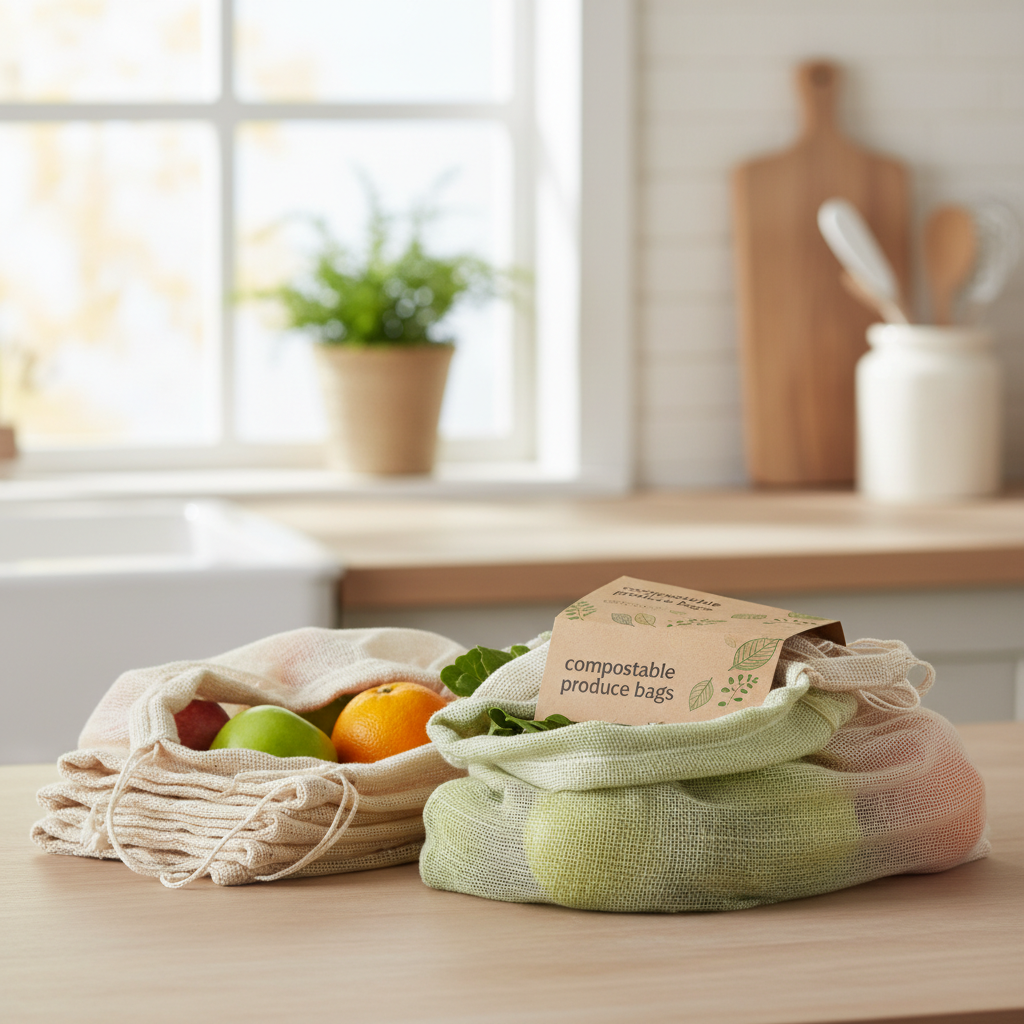
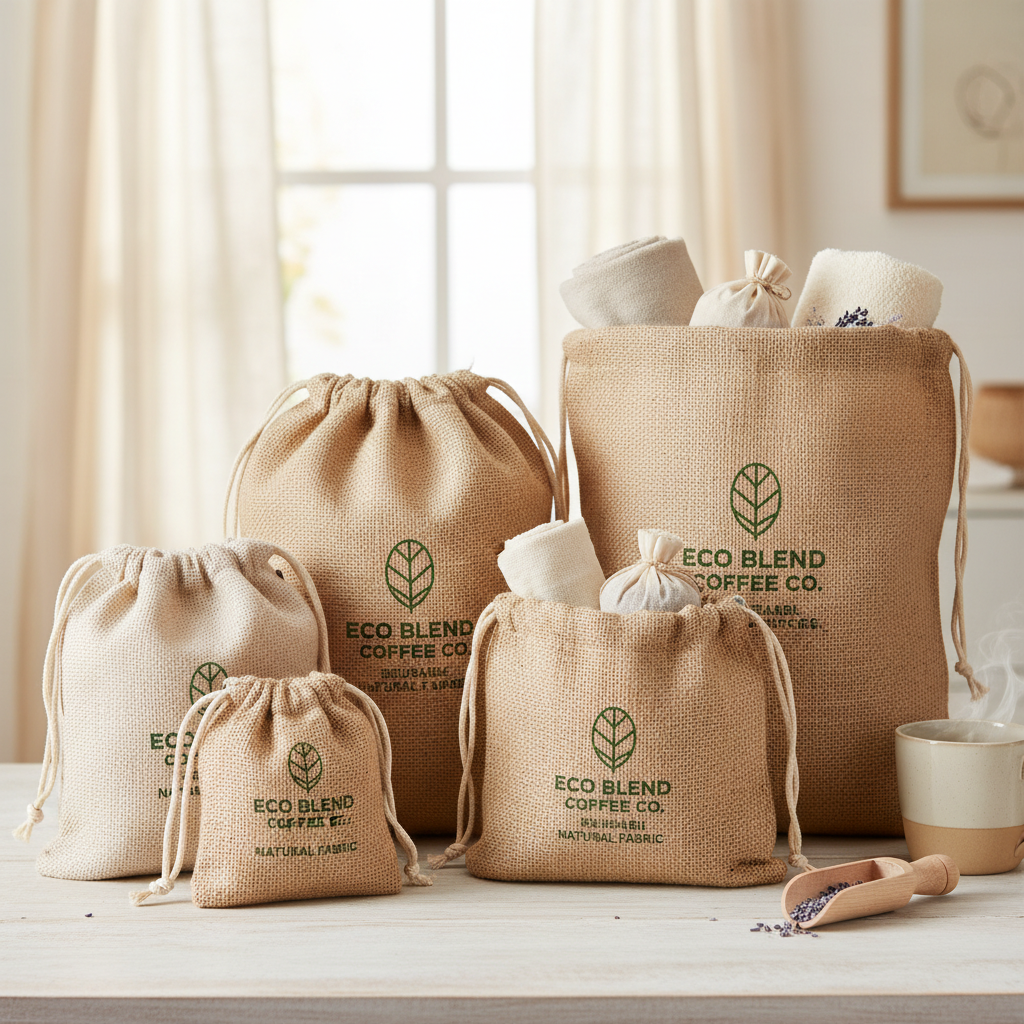
Look, I’ve spent the last decade knee-deep in dust and concrete, watching materials come and go on job sites. One thing that's been a real pain point, and frankly, a missed opportunity, is how we handle produce for crews. We're talking about feeding dozens, sometimes hundreds, of people every day. Traditional plastic bags are a nightmare – constantly ripping, creating plastic waste that blows everywhere, and frankly, just looking unprofessional. That’s where compostable produce bags are starting to make a serious impact. They aren’t just a ‘green’ option; they’re solving real, day-to-day problems for construction teams and project managers.
I'll be honest, I was skeptical at first. “Compostable?” I thought. “Sounds flimsy.” But seeing the newer materials firsthand has changed my mind. These aren't your grandma’s thin, brittle compostable bags. They’re designed to hold up to the rigors of a construction site, keep produce fresh, and then, crucially, break down properly when disposed of correctly. This isn't just about environmental responsibility, though that’s a huge plus. It's about improving efficiency, reducing waste disposal costs, and even boosting morale on the job.
For too long, we’ve accepted a certain level of mess and inefficiency when it comes to providing food for crews. We've been stuck with solutions that contribute to landfill overflow and don't reflect well on the projects we're building. Compostable produce bags offer a tangible step towards a more sustainable and practical approach. The shift isn't just a ‘nice-to-have’; it's becoming increasingly important for meeting project sustainability goals and attracting a workforce that values responsible practices.
The Importance of Compostable Produce Bags in Construction
Let's be clear: construction sites generate a lot of waste. We're talking about materials, packaging, food scraps... the list goes on. Reducing that waste isn't just good PR; it’s becoming a contractual requirement on many projects, driven by LEED certifications and increasing environmental regulations. Compostable produce bags address a surprisingly significant part of that waste stream – the produce consumed by our crews. We're talking about apples, oranges, bananas, carrots... all traditionally transported and stored in single-use plastic. compostable produce bags provide a direct replacement that aligns with these sustainability goals.
The impact goes beyond simply diverting waste from landfills. Using these bags demonstrates a commitment to responsible practices, which can be a major selling point when bidding on projects, especially those with stringent environmental standards. It also contributes to a cleaner, more organized job site, which, believe me, makes a difference in crew morale and overall efficiency. I’ve seen firsthand how a cleaner site leads to fewer accidents and a more positive work environment.
Defining Compostable Produce Bags for Practical Application
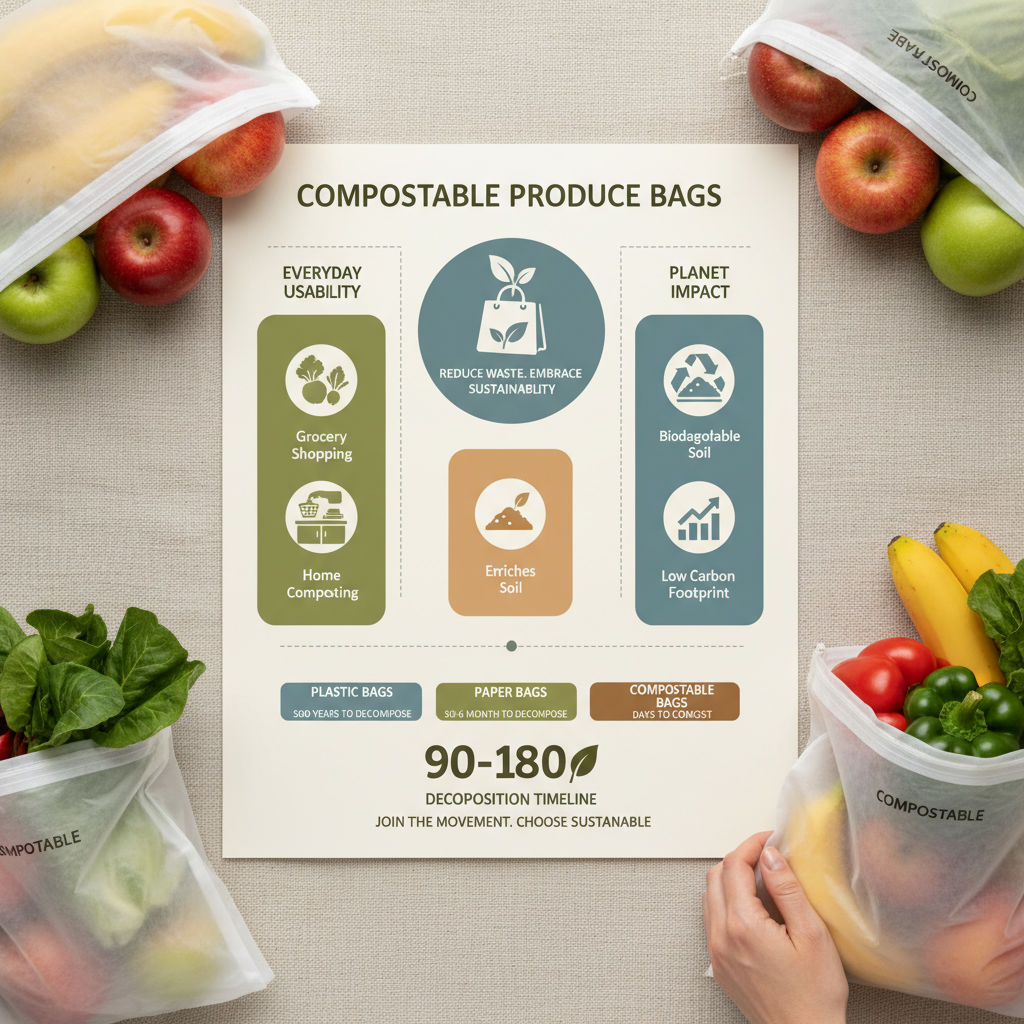
Okay, let's get down to specifics. What are compostable produce bags? They're typically made from plant-based materials like corn starch, PLA (polylactic acid), or PBAT (polybutylene adipate terephthalate) – all designed to break down in a commercial composting facility. It’s crucial to understand that “compostable” doesn’t mean you can just toss them in your backyard compost bin and expect them to disappear overnight. They require the higher temperatures and specific microbial environment of a commercial facility.
This distinction is critical. We need to ensure that any compostable bags we use on site have a clear disposal pathway. Ideally, this means partnering with a local composting service or identifying a facility that accepts these materials. It's not enough to just switch to compostable bags; you need a system in place to ensure they actually get composted.
For construction, these bags need to meet certain standards – ASTM D6400 is a big one. That certification verifies that the material will properly break down in a composting environment. It also means they’re tested for things like heavy metal content and the presence of harmful substances, which is important when you’re dealing with food.
Core Factors: Durability, Compliance, and Cost
When I’m evaluating any material for use on a job site, durability is paramount. I need something that can withstand being tossed around in a toolbox, loaded and unloaded with other supplies, and generally subjected to the rough-and-tumble environment of construction. Early compostable bags had a reputation for being weak and prone to tearing. The newer formulations are significantly better, but you still need to choose a bag that’s appropriate for the weight and type of produce it will hold.
Compliance is another huge factor. We need to be sure that any material we use meets all applicable regulations and standards. This includes not only compostability certifications like ASTM D6400 but also any food safety requirements. The last thing we need is a bag that leaches harmful chemicals into the produce.
And let’s be realistic: cost matters. Compostable produce bags are generally more expensive than traditional plastic bags. However, when you factor in the potential cost savings from reduced waste disposal fees and the positive impact on project sustainability scores, the price difference can often be offset. Plus, the cost is coming down as demand increases and manufacturing processes become more efficient.
Real-World Applications on Construction Sites
I’ve seen these bags used in a variety of ways on site. The most common is simply providing them to crews for their daily fruit and vegetable portions. Instead of plastic bags provided by the grocery store, we give them a stack of compostable ones. It's a small change, but it adds up.
We’ve also used them for packaging lunches provided to crews working in remote locations, where waste disposal options are limited. The fact that these bags will break down eventually – if they get to a composting facility – is a major benefit in those situations. Another application is pre-packaging snack packs for events or meetings. It just looks more professional and demonstrates a commitment to sustainability.
Compostable Produce Bag Performance Metrics
Advantages: Beyond Sustainability
Let’s talk straight – sustainability is important, but it’s not always the primary driver for decisions on a construction site. There are other tangible benefits to using compostable produce bags. For one, they often have a higher perceived value. Crews appreciate when you invest in quality products that show you care about their wellbeing and the environment.
Another benefit is the potential for positive PR. Highlighting your use of sustainable materials can enhance your company’s reputation and attract new clients. It demonstrates a commitment to responsible practices that resonates with increasingly environmentally conscious stakeholders.
Future Trends and Innovations in Compostable Packaging
The technology behind compostable materials is constantly evolving. We're seeing the development of new materials that are even stronger, more durable, and break down more quickly in composting facilities. There's also a growing focus on creating closed-loop systems, where waste materials are collected and processed to create new compostable packaging.
I expect to see more widespread adoption of these bags as costs continue to come down and more composting infrastructure becomes available. The push for more sustainable construction practices will also drive demand. Ultimately, the goal is to make compostable packaging the norm, not the exception.
I'm keeping an eye on research into bio-based plastics made from algae and other renewable resources. Those could represent the next generation of truly sustainable packaging.
Challenges and Solutions for Widespread Adoption
Okay, let’s be honest. There are still challenges to overcome. The biggest one is the lack of widespread composting infrastructure. Many municipalities don't have the facilities to process compostable materials, which means they often end up in landfills anyway. We need to advocate for increased investment in composting infrastructure.
Another challenge is educating people about proper disposal. Just because a bag is compostable doesn’t mean it can be thrown in any bin. Clear labeling and educational materials are essential.
Finally, we need to continue to drive down the cost of compostable materials. The more competitive they become, the easier it will be to make the switch. I think partnerships between construction companies, packaging manufacturers, and waste management providers will be key to overcoming these challenges.
Summary of Key Challenges and Potential Solutions
| Challenge |
Impact on Compostable Produce Bags |
Potential Solution |
Implementation Timeline |
| Limited Composting Infrastructure |
Bags often end up in landfills, negating the benefits. |
Advocate for increased investment in composting facilities. |
Medium-Term (3-5 years) |
| Lack of Public Awareness |
Improper disposal leads to contamination and reduced composting efficiency. |
Develop clear labeling and educational campaigns. |
Short-Term (6-12 months) |
| Higher Cost |
Initial investment can be a barrier for some companies. |
Explore bulk purchasing options and potential cost-sharing programs. |
Ongoing (Continuous Improvement) |
| Durability Concerns |
Bags may tear easily, leading to food waste. |
Choose bags with higher tensile strength and consider reinforced designs. |
Short-Term (Immediate) |
| Material Sourcing Transparency |
Ensuring materials are truly sustainable and ethically sourced. |
Demand transparency from suppliers and prioritize certified materials. |
Medium-Term (1-3 years) |
| Industry Standardization |
Lack of consistent standards for compostability can create confusion. |
Support the development and adoption of universal compostability standards. |
Long-Term (5+ years) |
FAQS
That’s a fair question. Earlier versions weren’t, frankly. But the newer materials – especially those using PBAT blends – are significantly stronger and more tear-resistant than older compostable bags. They're designed to handle the weight of fruits and vegetables without ripping, and can withstand the general wear and tear of a job site. Look for bags with a higher tensile strength rating for added durability.
That's the biggest challenge. If they end up in a landfill, they won't break down quickly, and they'll contribute to waste accumulation. That’s why a proper disposal pathway – access to commercial composting facilities – is absolutely crucial. We need to work with waste management providers to ensure these bags are collected and processed correctly. It’s about the system, not just the bag.
Yes, typically they are more expensive upfront. However, the price gap is closing as demand increases and manufacturing processes improve. Plus, you need to factor in potential cost savings from reduced waste disposal fees and the positive impact on sustainability metrics, which can be valuable for securing contracts. It’s a total cost of ownership calculation.
ASTM D6400 is the most widely recognized standard for compostability in the US. It verifies that the material will break down in a commercial composting facility. You may also see certifications like EN 13432 in Europe. Look for these certifications on the packaging to ensure you’re getting a legitimate compostable product.
Keep it simple. Explain that they’re better for the environment, help reduce waste, and demonstrate that the company cares about sustainability. Highlight the positive impact on the project’s overall environmental performance. A little education can go a long way in getting buy-in from the team.
That’s a valid concern. “Compostable” gets thrown around a lot. That’s why relying on certifications like ASTM D6400 and EN 13432 is so important. It helps to verify that the product meets legitimate standards for compostability. And, frankly, doing your due diligence and vetting your suppliers is crucial.
Conclusion
Compostable produce bags aren't just a 'feel-good' solution; they’re a practical, increasingly cost-effective way to address a real pain point on construction sites – waste management. From reducing landfill contributions and improving project sustainability scores to boosting crew morale and enhancing your company’s reputation, the benefits are tangible. We've moved past the point of 'if' and are rapidly entering the era of 'how' and 'when' for implementing these solutions.
The key to successful adoption isn’t just switching bags, it’s building a comprehensive system that includes access to composting facilities, clear disposal instructions, and ongoing education. Let’s push for greater investment in composting infrastructure, demand transparency from suppliers, and continue to drive innovation in compostable materials. Ultimately, embracing compostable produce bags is a step towards a more sustainable and responsible construction industry. Visit our website at www.dslpack.com to learn more about how we can help you make the switch.