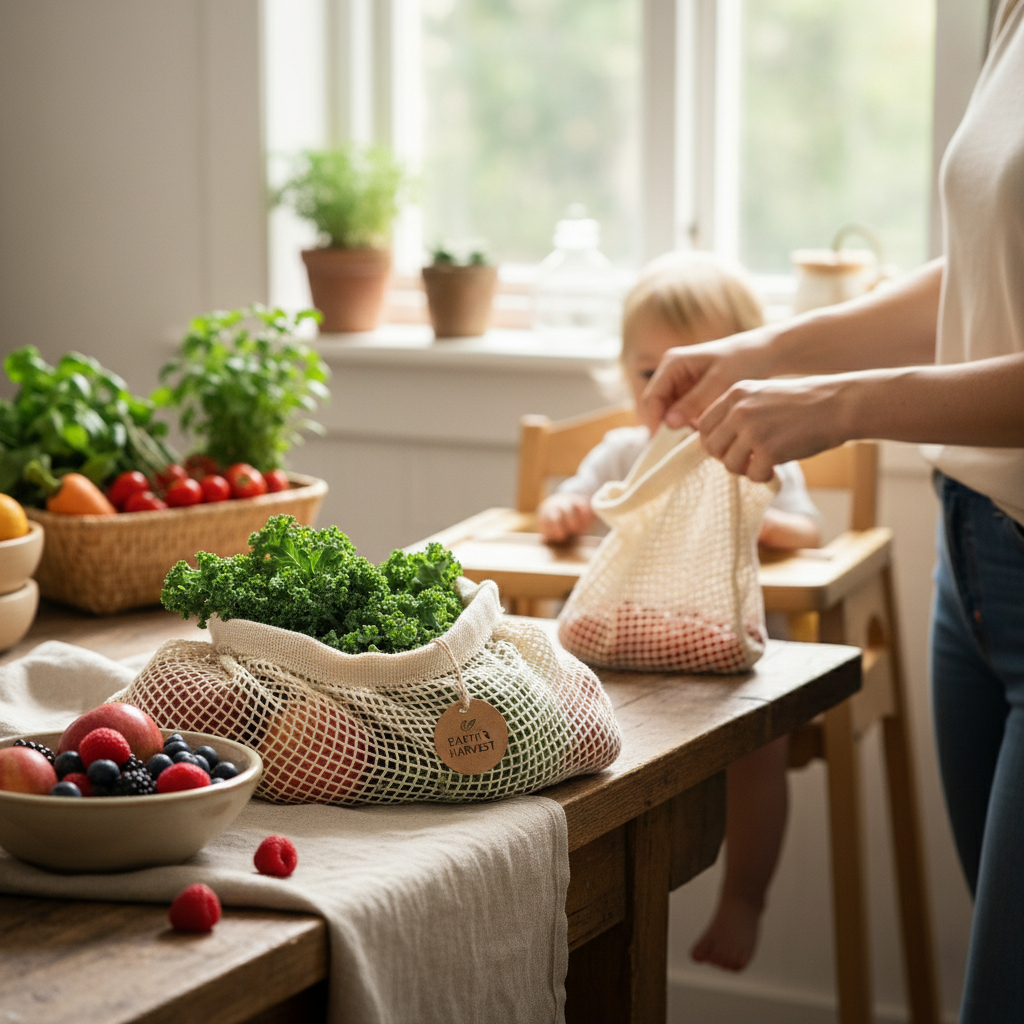
Biodegradable bags for food – it's not just a buzzword anymore, it’s a necessity. For years, I’ve walked construction sites, seen the mountains of waste, and talked to engineers constantly looking for sustainable solutions. It struck me, if we can innovate in concrete and steel, why are we still relying so heavily on plastics for something as fundamental as food packaging? The sheer volume of plastic waste generated by the food industry is staggering, and the impact on our landfills and oceans is undeniable. Finding alternatives that perform, scale, and make economic sense isn’t easy, but it's a challenge worth tackling, and biodegradable bags for food represent a significant step in the right direction.
The industry’s been slow to adapt, I’ll admit. I’ve been in meetings where cost and convenience were prioritized over environmental impact. But things are shifting. Consumers are demanding greener options, regulations are tightening, and frankly, it's becoming clearer that ignoring sustainability isn’t just bad for the planet, it's bad for business. There’s a real drive now to find materials that don’t just break down, but do so safely, returning valuable nutrients to the soil rather than leaving behind microplastics. That’s the core of what biodegradable bags for food are trying to achieve.
It’s not just about feeling good, it’s about building a better system. From the bustling markets in Southeast Asia to the remote mining operations in Australia, I’ve seen firsthand how waste management issues impact communities. Biodegradable bags for food offer a practical solution in areas where traditional recycling infrastructure is limited or non-existent. It’s about providing a responsible end-of-life option for packaging and minimizing the environmental burden on future generations.
The Global Rise of Biodegradable Bags for Food
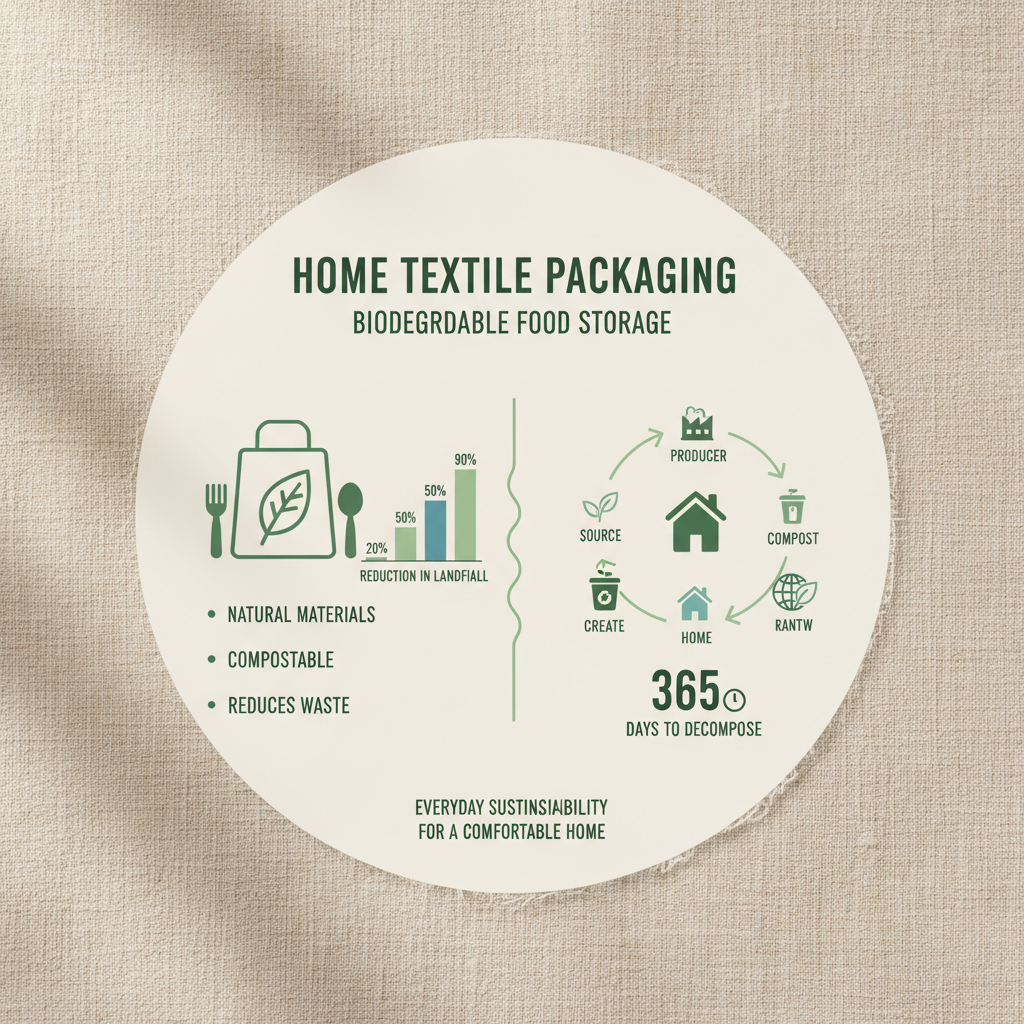
The demand for biodegradable bags for food is escalating rapidly, driven by growing global awareness of plastic pollution. The UN Environment Programme estimates that around 8 million tonnes of plastic enter our oceans every year. The World Bank is increasingly factoring environmental sustainability into its project funding, pushing for eco-friendly packaging solutions. ISO standards are evolving to provide clearer guidelines for biodegradability claims, ensuring greater transparency and accountability. We’re seeing a fundamental shift from a linear ‘take-make-dispose’ model to a circular economy, and biodegradable bags for food are a key component of that transition.
I’ve seen it firsthand working on projects in developing countries – the lack of waste management infrastructure means plastic ends up everywhere. Simple solutions like compostable bags can make a huge difference. But it's not just about developing nations. Even in industrialized countries, consumers are actively seeking out sustainable alternatives and are willing to pay a premium for them. This is creating a massive market opportunity for innovative manufacturers and material scientists.
Defining Biodegradable Bags for Food
At its core, a biodegradable bag for food is designed to decompose naturally, broken down by microorganisms into harmless substances like water, carbon dioxide, and biomass. However, “biodegradable” isn’t a universal term. It’s crucial to understand that biodegradability depends on specific environmental conditions – temperature, humidity, and the presence of microorganisms. A bag labeled ‘biodegradable’ might not break down in a landfill. We're focusing on materials that compost effectively, ideally within a home compost system or industrial composting facility.
This concept is closely tied to the broader push for a circular economy – minimizing waste and maximizing resource utilization. In modern industry, it's about designing products with their end-of-life in mind. It’s no longer enough to simply create a functional package; we need to consider its environmental footprint throughout its entire lifecycle. This ties into humanitarian needs as well - ensuring access to safe and sustainable packaging, particularly in areas with limited infrastructure.
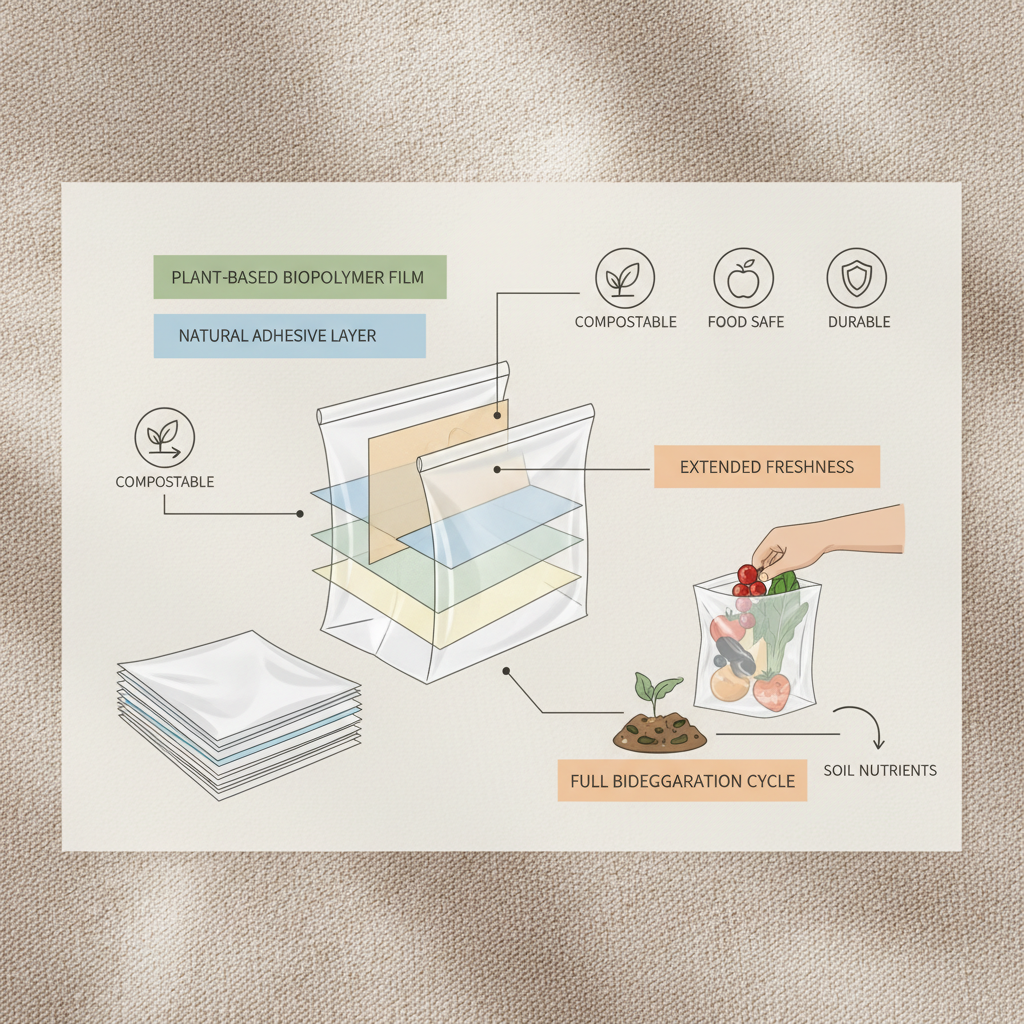
It’s about more than just the material itself. The inks used for printing, any adhesives, and even the zipper or closure mechanism need to be biodegradable as well. It’s a holistic approach, and that’s where the real challenge – and the real innovation – lies.
Key Components & Material Science
Several materials are used in the production of biodegradable bags for food, each with its own strengths and weaknesses. PLA (polylactic acid) derived from cornstarch is a popular option, but it requires specific composting conditions. PHA (polyhydroxyalkanoates) offers broader biodegradability, but is currently more expensive to produce. Cellulose-based materials, like those derived from wood pulp, are promising, but often lack the necessary strength and durability for certain applications. The key is finding the right balance of properties, cost, and environmental impact.
Durability is paramount. I've seen too many bags rip open on the job site. Biodegradable bags for food need to be strong enough to withstand handling, transportation, and storage. Scalability is another critical factor. Can the material be produced in sufficient quantities to meet global demand? Cost efficiency is also essential. If biodegradable bags are significantly more expensive than traditional plastic bags, widespread adoption will be limited. The material needs to be feasible for existing packaging machinery.
Beyond the base material, the manufacturing process itself plays a crucial role. Using renewable energy sources and minimizing water consumption are essential for reducing the overall environmental impact. Proper sourcing of raw materials is also critical to avoid deforestation or other unsustainable practices. It's not enough to have a biodegradable bag; the entire supply chain needs to be sustainable.
Applications Across Industries
The applications for biodegradable bags for food are incredibly diverse. Grocery stores are increasingly offering compostable produce bags. Food service businesses are switching to biodegradable takeout containers and cutlery. Agricultural producers are using biodegradable mulch films to suppress weeds and retain moisture. Even pet food manufacturers are exploring biodegradable packaging options.
In post-disaster relief operations, where access to traditional waste management is limited, biodegradable bags for food can provide a crucial solution for managing food waste. Similarly, in remote industrial zones, like mining camps or oil rigs, where waste disposal is a logistical challenge, these bags can help minimize environmental impact. I’ve seen them tested in large-scale composting facilities, proving their effectiveness in diverting organic waste from landfills.
Biodegradable Bags for Food Performance Comparison
Advantages & Long-Term Value Proposition
The tangible benefits of using biodegradable bags for food are significant. Reduced landfill waste translates to lower disposal costs. Improved soil health, thanks to the compostable nature of the materials, enhances agricultural productivity. Decreased reliance on fossil fuels, as these bags are often made from renewable resources, lowers carbon emissions. But it goes beyond that.
There's an emotional connection too. Consumers feel good knowing they're making a responsible choice. Businesses build trust by demonstrating their commitment to sustainability. Innovation drives competitiveness. A reputation for environmental stewardship attracts customers and investors alike. It's about creating a positive feedback loop – doing the right thing for the planet while simultaneously strengthening your bottom line.
Future Innovations & Emerging Trends
We’re on the cusp of some exciting breakthroughs in biodegradable materials. Researchers are exploring new sources of biomass, like algae and agricultural waste, to create even more sustainable packaging options. Nanotechnology is being used to enhance the strength and durability of biodegradable films. Digital technologies, like blockchain, are improving traceability and transparency in the supply chain.
Policy changes are also playing a key role. Government regulations are increasingly restricting the use of single-use plastics, creating a favorable market for biodegradable alternatives. Investments in composting infrastructure are expanding the capacity to process compostable materials. The convergence of green technology, digital transformation, and supportive government policies is accelerating the adoption of biodegradable bags for food.
Challenges & Practical Solutions
The biggest hurdle remains cost. Biodegradable materials are often more expensive than traditional plastics, which can be a barrier to entry for some businesses. Another challenge is ensuring proper composting conditions. Many biodegradable bags require industrial composting facilities to break down effectively. Consumer education is also crucial – people need to understand how to properly dispose of these bags.
To address these challenges, we need continued investment in research and development to drive down costs. Expanding composting infrastructure is essential. Clear labeling and consumer education campaigns are needed to promote proper disposal practices. Collaboration between manufacturers, retailers, and policymakers is key to creating a circular economy for food packaging.
I've seen some promising solutions emerge from smaller, innovative companies. Local composting initiatives, public-private partnerships, and creative financing models are all helping to overcome these hurdles. It requires a willingness to adapt and embrace new approaches.
Summarizing Key Insights into Biodegradable Bag for Food Challenges and Solutions
| Challenge |
Impact on Biodegradable Bags for Food |
Proposed Solution |
Implementation Priority (1-5, 5=Highest) |
| High Production Costs |
Limits market competitiveness |
Invest in R&D, economies of scale |
5 |
| Lack of Composting Infrastructure |
Reduces effective biodegradability |
Expand industrial composting facilities |
4 |
| Consumer Confusion |
Incorrect disposal practices |
Clear labeling, education campaigns |
3 |
| Performance Limitations |
Reduced strength, barrier properties |
Material innovation, nanotechnology |
4 |
| Supply Chain Complexity |
Ensuring sustainable sourcing |
Traceability systems, certification |
3 |
| Regulatory Uncertainty |
Impacts investment and innovation |
Clear standards, policy support |
2 |
FAQS
The key difference lies in their ability to decompose naturally. Regular plastic bags are made from fossil fuels and can take hundreds of years to break down, if at all. Biodegradable bags for food, on the other hand, are typically made from renewable resources and are designed to decompose within months under the right composting conditions. They break down into harmless substances like water, carbon dioxide, and biomass, whereas plastics contribute to microplastic pollution. I've been seeing more facilities dedicated to industrial composting handle these efficiently.
It's not a simple yes or no. While they offer a significant improvement over traditional plastic, “biodegradable” doesn't automatically mean “environmentally perfect.” The manufacturing process, sourcing of materials, and disposal methods all play a role. Truly eco-friendly biodegradable bags for food are made from sustainably sourced materials, produced with renewable energy, and composted properly. The lifecycle assessment is key.
Some can, but it depends on the material. PLA bags, for example, often require the higher temperatures of industrial composting facilities to break down effectively. Check the packaging for specific composting instructions. If your backyard compost doesn’t get hot enough, the bag might not fully decompose. It's about creating the right environment. I’ve seen backyard setups work, but it’s not always guaranteed.
Generally, yes, biodegradable bags for food tend to be more expensive upfront. However, the price gap is narrowing as production scales up and technology improves. Also, consider the long-term costs of plastic pollution – landfill fees, environmental remediation, and damage to ecosystems. When you factor in these costs, biodegradable bags can often be a more cost-effective option in the long run.
Look for certifications like BPI (Biodegradable Products Institute) or EN 13432, which ensure the bags meet specific biodegradability standards. These certifications provide assurance that the bags will break down properly in a composting facility. Avoid vague claims like “compostable” without a recognized certification. Knowing what you’re buying is crucial.
The best option is to compost them in a designated composting facility. If that’s not available, check with your local waste management provider to see if they accept biodegradable bags. Avoid throwing them in the trash, as they may end up in a landfill where they won’t decompose properly. Knowing your local options is key to responsible disposal.
Conclusion
Biodegradable bags for food represent a critical step towards a more sustainable future. While challenges remain – cost, infrastructure, consumer education – the benefits are undeniable. From reducing landfill waste and promoting soil health to fostering a circular economy and building brand trust, these bags offer a compelling value proposition for businesses and consumers alike. It's not a silver bullet, but it's a vital component of a broader strategy to address the plastic pollution crisis.
The future of packaging is undoubtedly sustainable. Continued innovation in materials science, supportive government policies, and increased consumer demand will drive the widespread adoption of biodegradable bags for food. We need to embrace a long-term perspective, investing in infrastructure and education to unlock the full potential of these materials. Visit our website at biodegradable bags for food to learn more about our commitment to sustainable packaging solutions.