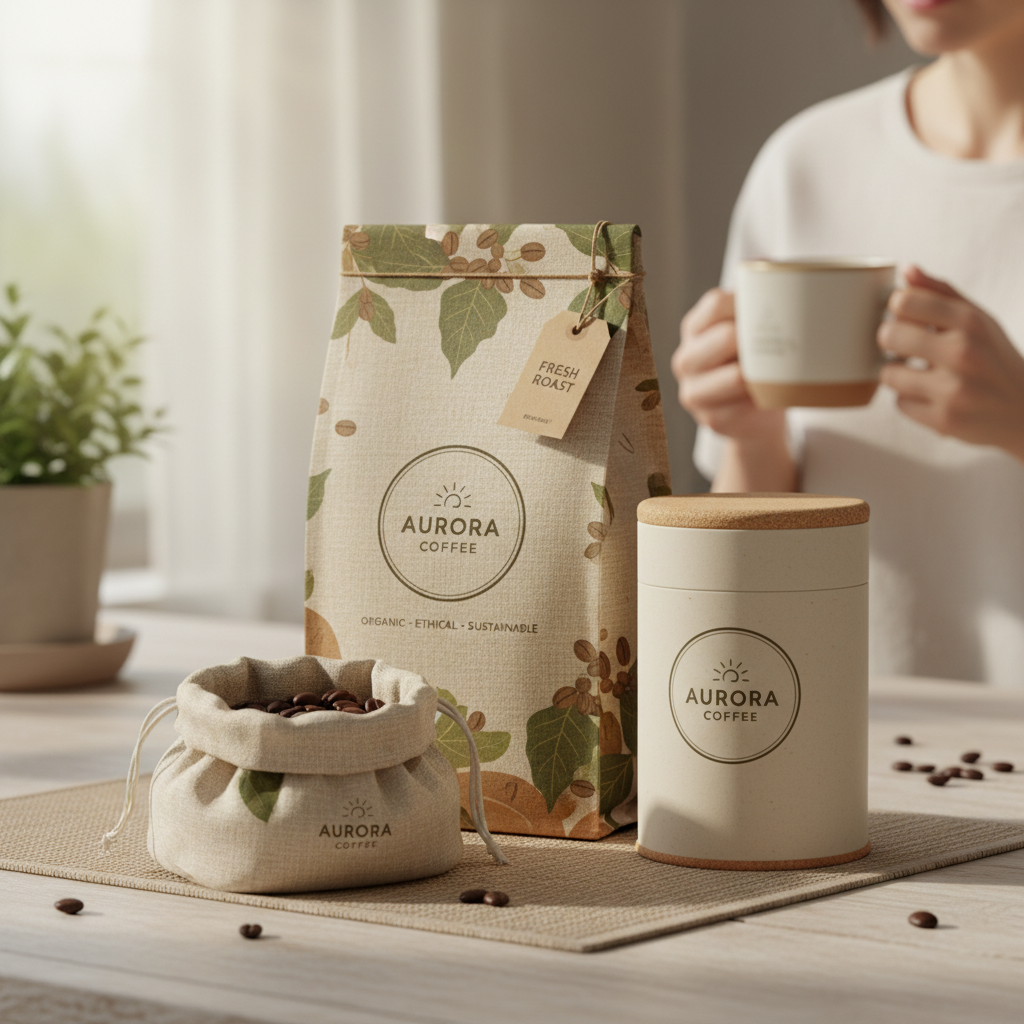
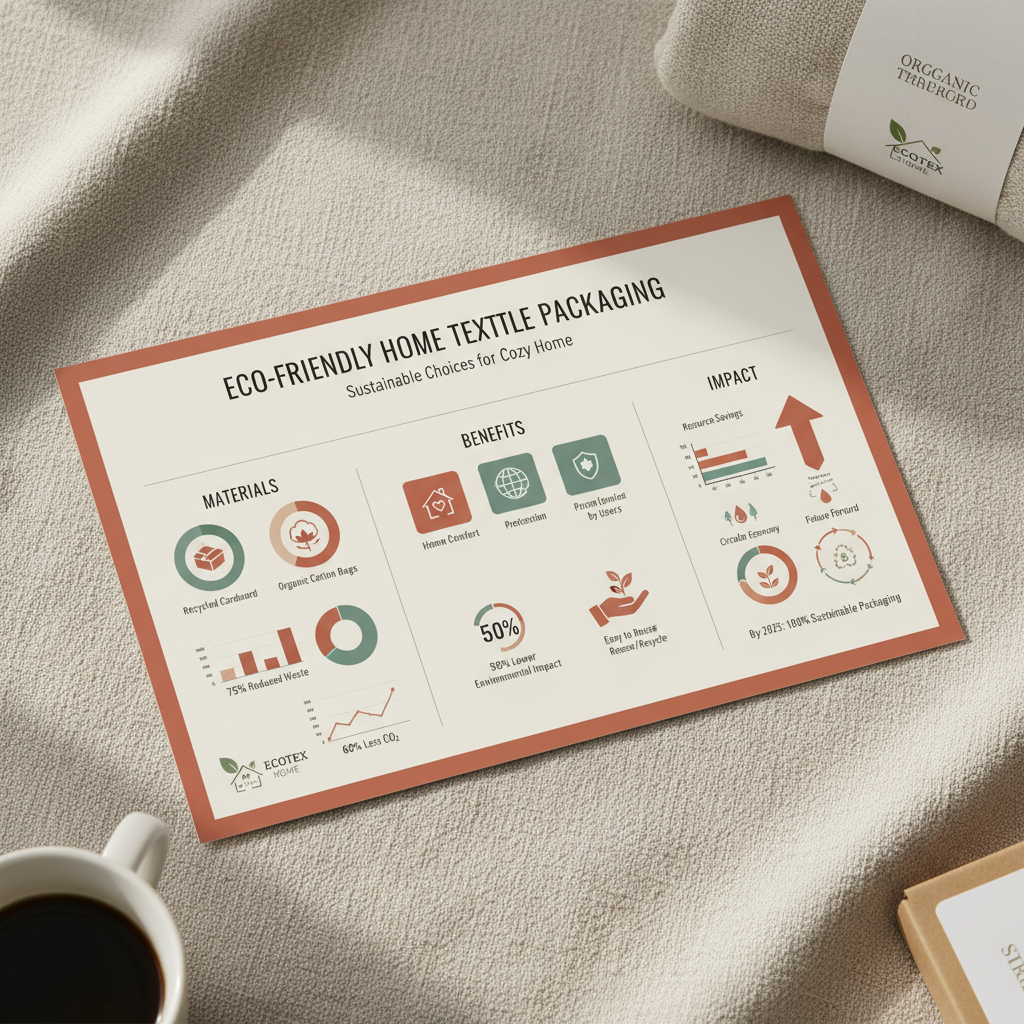
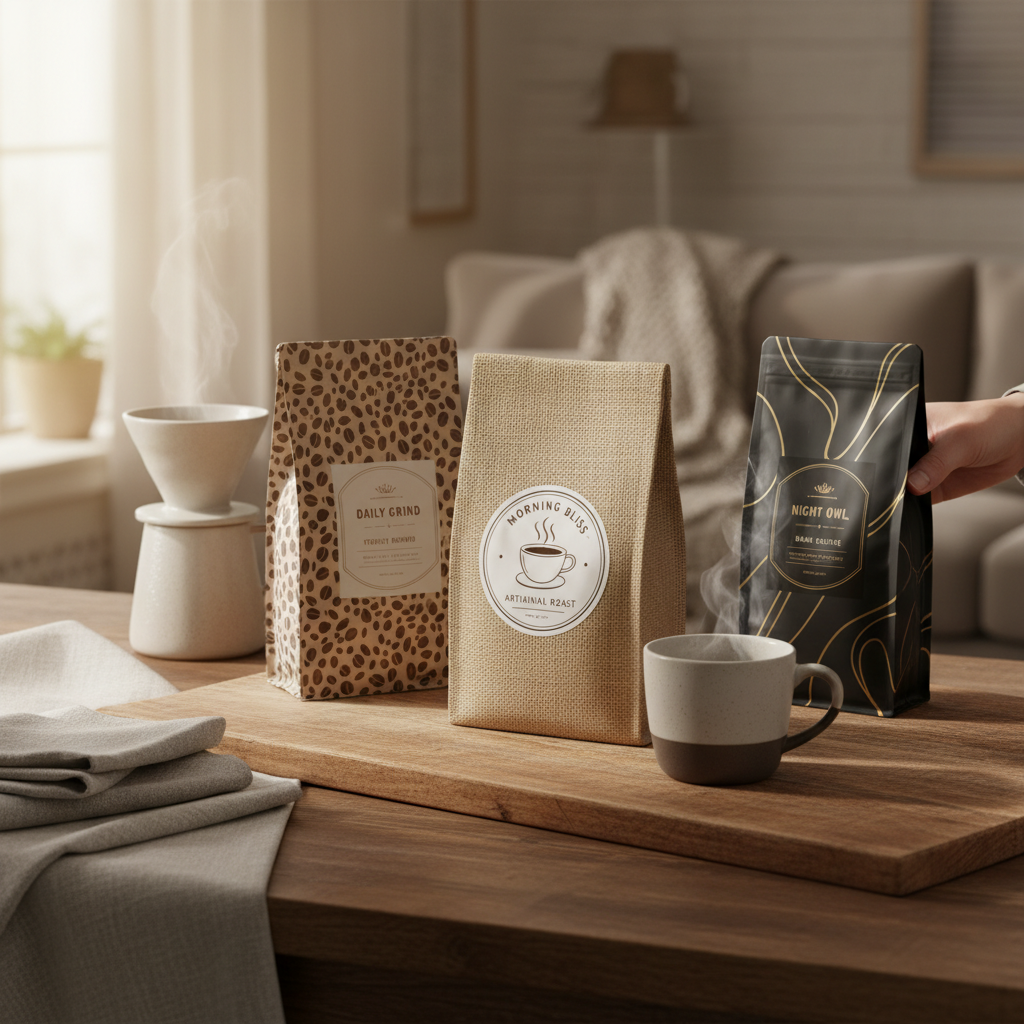
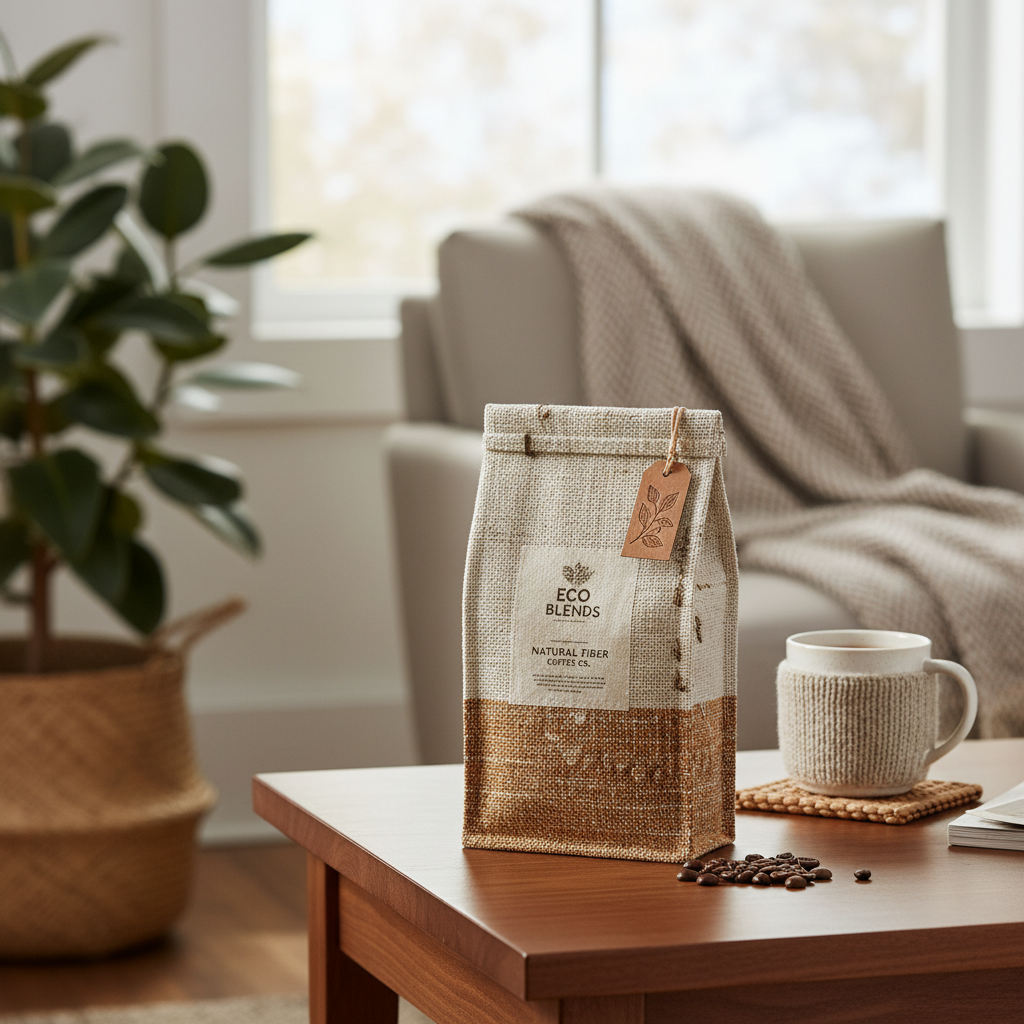
Eco friendly coffee packaging isn't just a buzzword anymore; it's a necessity. Globally, coffee consumption is soaring, but so is the waste generated from traditional packaging. We're talking mountains of plastic, aluminum, and multilayered materials that clog landfills and pollute our oceans. This isn’t just an environmental issue; it impacts brand reputation, consumer preferences, and increasingly, government regulations. Understanding the shift towards sustainable packaging is crucial for anyone involved in the coffee industry, from growers to roasters to retailers.
The demand for eco friendly coffee packaging is driven by a growing awareness among consumers who are actively seeking out brands committed to sustainability. Globally, the sustainable packaging market is experiencing double-digit growth, and coffee is a significant driver of that trend. According to the UN Sustainable Development Goals, reducing waste and promoting responsible consumption are paramount. Businesses that ignore this are not only missing a market opportunity but also risking backlash from environmentally conscious consumers.
Ultimately, moving to sustainable options isn’t about sacrificing quality or cost; it's about innovation and finding smarter solutions. It’s about building a future where enjoying a daily cup of coffee doesn’t come at the expense of our planet.
The Importance of eco friendly coffee packaging
Look, I’ve been on construction sites my whole career, and I’ve seen firsthand what happens when we don’t think about waste. It piles up. It creates problems. It costs money to clean up. The same is true with coffee packaging. We've gotten used to convenience, but that convenience often comes at a huge environmental cost. Using eco friendly coffee packaging isn't just about feeling good; it's about building a more responsible and sustainable future.
The coffee industry is massive, and the volume of packaging it generates is staggering. Switching to sustainable materials – compostable bags, recycled paper, plant-based plastics – reduces our reliance on fossil fuels, minimizes landfill waste, and lessens the impact on our ecosystems. It's a practical step towards a circular economy where materials are reused and repurposed, rather than simply discarded.
Defining eco friendly Coffee Packaging
Simply put, eco friendly coffee packaging refers to packaging materials and designs that minimize environmental impact throughout their lifecycle. This isn’t just about biodegradability; it encompasses everything from sourcing raw materials to manufacturing processes, transportation, and end-of-life management. It’s about reducing carbon footprint, conserving resources, and minimizing pollution.
In today's industry, consumers are increasingly demanding transparency and accountability. They want to know where their coffee comes from, how it’s packaged, and what happens to the packaging after they’ve finished their brew. Eco friendly coffee packaging answers that demand, demonstrating a commitment to ethical and sustainable practices.
This extends beyond just the packaging itself. It's about the entire supply chain, choosing partners and suppliers who share the same values. It’s about being proactive and embracing innovative solutions to reduce our environmental footprint.
Key Factors of Sustainable Coffee Packaging
Several key factors define truly sustainable coffee packaging. First, Material Sourcing is critical. Are the materials renewable, recycled, or compostable? We need to move away from virgin plastics and explore alternatives like sugarcane bagasse, mushroom packaging, and recycled paperboard.
Second, Biodegradability and Compostability are important considerations, but they're not a silver bullet. Understanding the difference between these terms is crucial. Biodegradable materials break down over time, but may still leave behind harmful residues. Compostable materials break down into nutrient-rich soil under specific conditions. And that's a big "if." It relies on proper composting infrastructure which, frankly, isn’t widely available.
Thirdly, Reduced Material Use is key. This means designing packaging that uses the least amount of material possible while still protecting the coffee beans. Lightweighting packaging and optimizing dimensions can significantly reduce waste. And finally, Recyclability is crucial, but only if the packaging can actually be recycled in existing infrastructure.
Global Applications and Use Cases
We’re seeing eco friendly coffee packaging adopted globally, from small artisan roasters to large multinational corporations. In Europe, stricter regulations on plastic waste are driving demand for compostable packaging. In North America, consumer pressure is pushing brands to adopt more sustainable practices.
In regions like Latin America, where coffee production is a major economic driver, sustainable packaging is being used to enhance brand image and appeal to environmentally conscious consumers in export markets. I’ve seen a lot of smaller farms using compostable bags directly on their farms, reducing waste and improving soil health.
Even in remote industrial zones where logistics are challenging, companies are exploring innovative packaging solutions to minimize environmental impact. We're seeing increased use of returnable and reusable packaging systems, particularly in areas with limited waste management infrastructure.
Eco Friendly Coffee Packaging Method Ratings
Advantages and Long-Term Value
The benefits of eco friendly coffee packaging extend far beyond just environmental responsibility. From a cost perspective, while initial investments might be higher, long-term savings can be realized through reduced waste disposal fees and improved resource efficiency.
Beyond the financial benefits, there's a significant social impact. Supporting sustainable packaging demonstrates a commitment to ethical sourcing and responsible production, which resonates with consumers and builds brand loyalty. It’s about creating a positive impact on the communities where coffee is grown and processed.
Future Trends and Innovations
We’re on the cusp of some exciting innovations in the world of sustainable packaging. Edible packaging, made from seaweed or other plant-based materials, is gaining traction. Advanced recycling technologies are making it possible to recycle previously unrecyclable plastics.
The integration of digital technologies, like QR codes and blockchain, will allow consumers to track the origin and lifecycle of their coffee packaging, further enhancing transparency and accountability. And increasingly, we're going to see bio-based and biodegradable materials becoming more cost-competitive with traditional options.
Challenges and Solutions
Let’s be realistic. There are challenges. The cost of sustainable materials can be higher, and the infrastructure for composting and recycling isn't always available. Finding packaging solutions that maintain coffee freshness and quality can also be tricky.
But these challenges aren’t insurmountable. Investing in research and development, supporting the growth of recycling infrastructure, and collaborating across the supply chain are all essential steps. And, crucially, educating consumers about proper disposal methods is vital to ensure these materials actually end up where they need to be – composted or recycled.
Ultimately, solving these challenges requires a holistic approach and a willingness to embrace innovation. It's about seeing sustainability not as a burden, but as an opportunity to create a better future for the coffee industry and the planet.
Table Summarizing Challenges and Solutions for Eco Friendly Coffee Packaging
| Challenge |
Impact Level (1-10) |
Potential Solution |
Implementation Cost (Low/Med/High) |
| High Cost of Materials |
8 |
Bulk Purchasing, Material Innovation |
Med |
| Limited Recycling Infrastructure |
9 |
Investment in Recycling Facilities, Extended Producer Responsibility |
High |
| Compostability Concerns (Lack of Facilities) |
7 |
Promote Home Composting, Advocate for Municipal Composting Programs |
Low |
| Maintaining Coffee Freshness |
6 |
Barrier Coatings, Modified Atmosphere Packaging |
Med |
| Consumer Confusion Regarding Disposal |
7 |
Clear Labeling, Educational Campaigns |
Low |
| Supply Chain Complexity |
5 |
Strategic Partnerships, Supply Chain Transparency |
Med |
FAQS
Switching to eco friendly coffee packaging offers a multitude of benefits. Environmentally, it reduces landfill waste, lowers carbon emissions, and conserves resources. From a business perspective, it enhances brand reputation, attracts environmentally conscious consumers, and can even lead to cost savings through reduced waste disposal fees. It also aligns with growing consumer demand for sustainable products.
Not necessarily. While compostable packaging sounds great, it requires specific composting conditions to break down effectively. Many municipal composting facilities can’t handle it, and home composting isn’t feasible for everyone. It’s important to consider the available infrastructure and ensure proper disposal methods are in place. Recycled content packaging may be a more practical choice in some cases.
Proper labeling is key. Clearly indicate the type of material and how to recycle it. Partner with recycling facilities to ensure they can process your packaging. Educate consumers about proper disposal methods through website information or packaging instructions. Consider joining extended producer responsibility programs to help fund recycling initiatives.
Biodegradable materials break down over time through natural processes, but they don’t necessarily require specific conditions. However, they may leave behind harmful residues. Compostable materials break down into nutrient-rich soil under specific composting conditions—like those found in industrial composting facilities. Compostable is generally preferred, but requires a functioning composting infrastructure.
Yes! Recycled paperboard and post-consumer recycled plastics are often cost-competitive with virgin materials. Optimizing packaging design to reduce material usage can also lower costs. Bulk purchasing and negotiating with suppliers can also help. It's about finding the right balance between sustainability and affordability.
Ask for certifications from reputable organizations like the Forest Stewardship Council (FSC) or the Biodegradable Products Institute (BPI). Request data on the material’s lifecycle assessment (LCA). Look for transparency in their sourcing and manufacturing processes. Don't be afraid to ask tough questions and verify their claims.
Conclusion
In conclusion, embracing eco friendly coffee packaging is no longer a niche trend – it’s a fundamental shift in how we approach sustainability in the coffee industry. From reducing waste and conserving resources to enhancing brand reputation and meeting consumer demand, the benefits are clear. It’s about moving beyond simply minimizing harm and actively contributing to a more sustainable future.
The future of coffee packaging lies in innovation, collaboration, and a commitment to circular economy principles. By investing in research and development, supporting recycling infrastructure, and educating consumers, we can create a truly sustainable coffee experience. Visit www.dslpack.com to learn more about our sustainable packaging solutions and how we can help you achieve your sustainability goals.