You know, I've been running around construction sites all year, and lately, everyone's talking about "prefabricated building materials." Seems like everything needs to be faster, lighter, and easier to install. Frankly, it's a good thing, because finding skilled labor is getting harder and harder. It’s not just about speed either; it's about consistency. You spend months on a project, and the last thing you need is materials showing up with slightly different specs. Drives you crazy, it really does.
What I've noticed is a lot of designers get caught up in making things look good on paper, but forget about the real world. Like, they’ll specify a fancy coating that looks amazing in the catalog, but it chips the second someone drops a tool on it. Or they design a connection that’s theoretically brilliant, but requires three guys and a hydraulic press to assemble on site. Honestly, simplicity is king. The fewer parts, the fewer things that can go wrong.
We mostly work with different kinds of engineered wood these days – CLT (Cross-Laminated Timber) is huge, and LVL (Laminated Veneer Lumber) for beams. CLT… smells like a lumber yard, you know? That distinct woodsy smell. It’s surprisingly light for how strong it is. You can actually drop a panel and not immediately need a forklift, which is a plus. And LVL feels… well, almost synthetic. Smooth, a bit cold. Not the same comforting feel as solid wood. We also do a lot of metal framing, galvanized steel mostly. You can smell the zinc coating – a bit metallic, a little sharp. And it’s always covered in that fine dust. Get it on your clothes, and it stays there for days.
The Current Landscape of packaging bag manufacturers
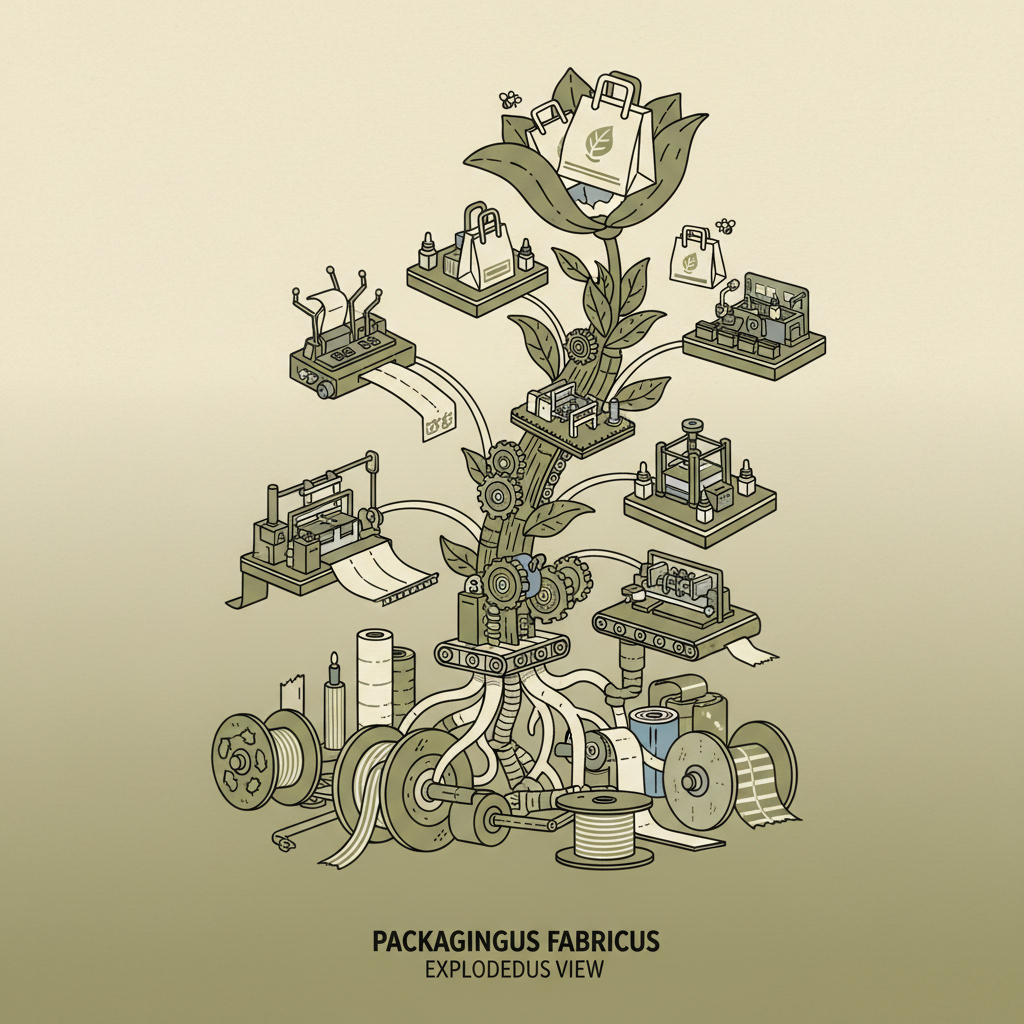
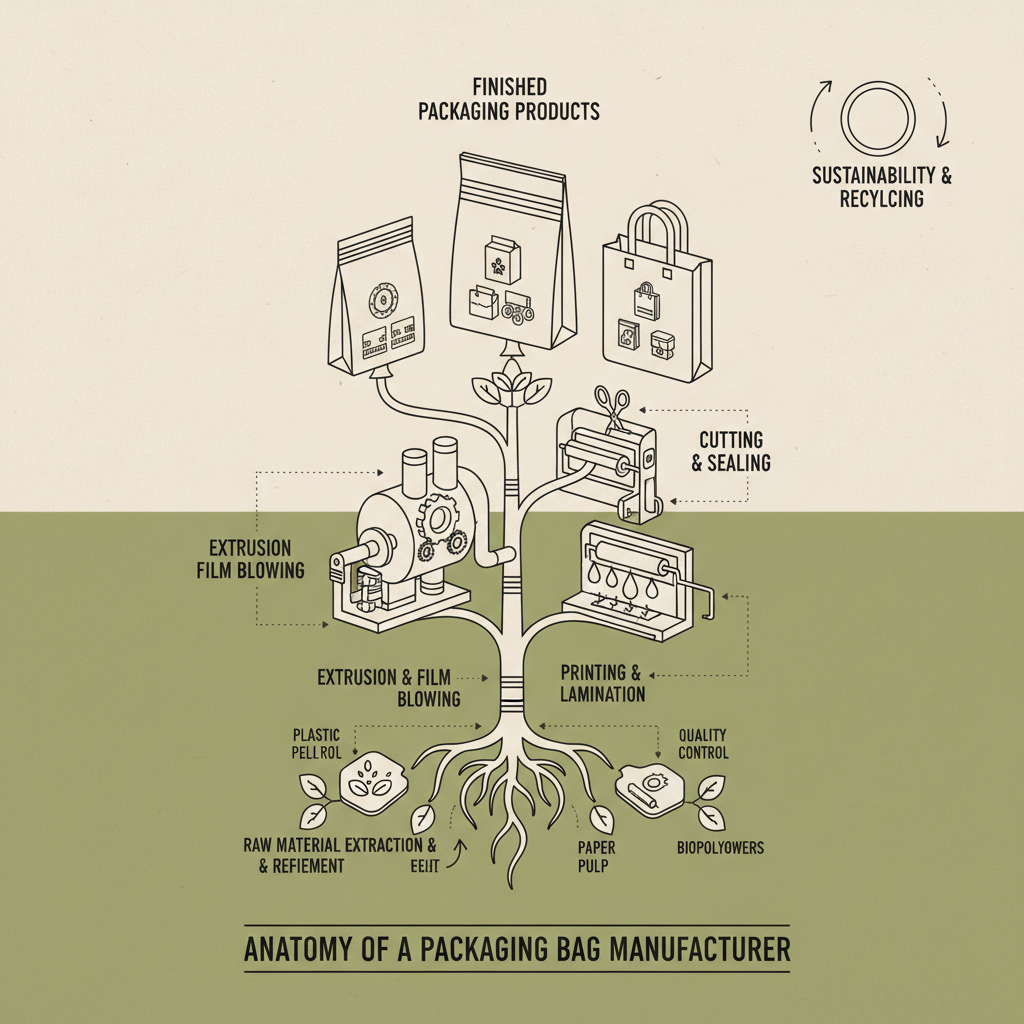
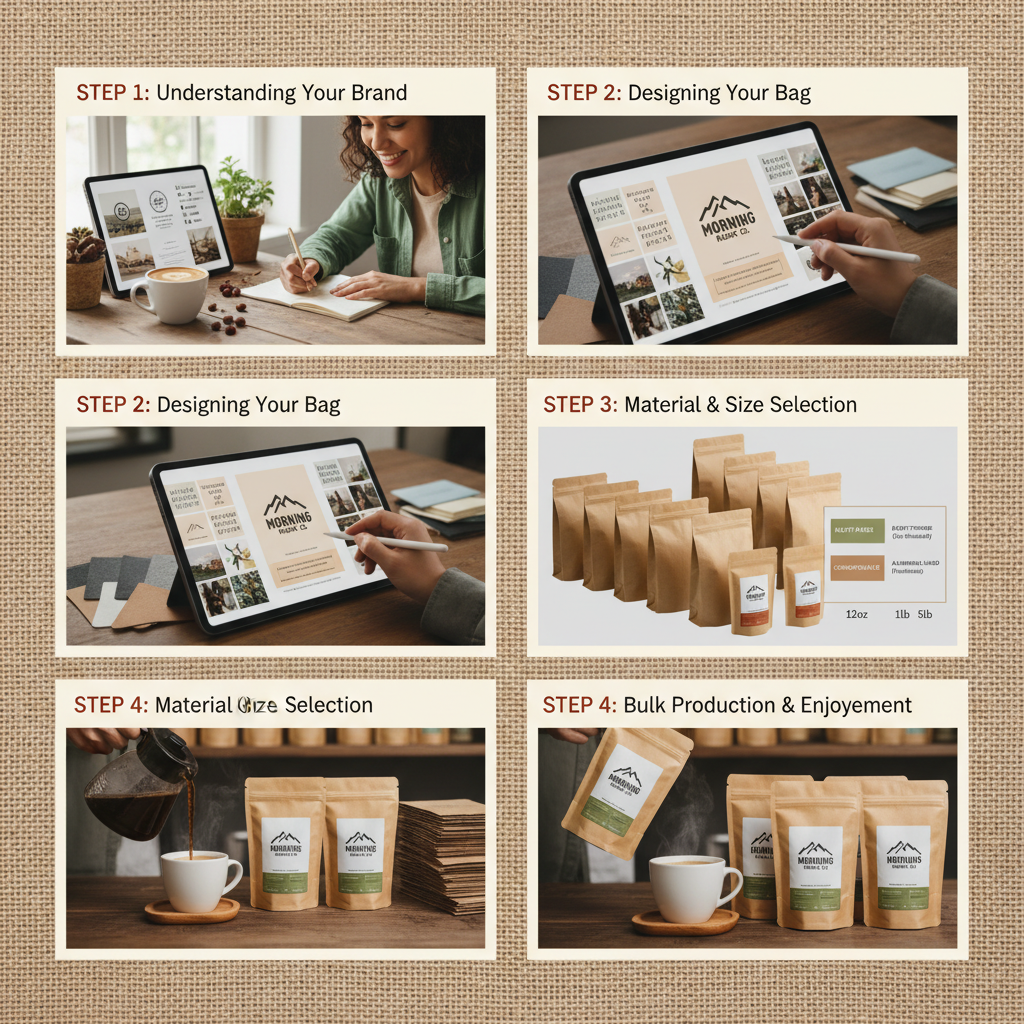
To be honest, it's all moving toward modularity. Everything’s broken down into smaller components, easier to transport, easier to assemble. And packaging bag manufacturers are right in the thick of it. They’re not just making bags to hold stuff; they’re designing systems. Systems that protect materials during transport, systems that streamline installation, systems that reduce waste. I saw one outfit that was using RFID tags embedded in the packaging, so you could track exactly where every piece of material was on site. Pretty slick, actually.
But it's not just about technology. There’s a real push for sustainability, too. Everyone wants eco-friendly options, biodegradable materials, reduced plastic. Which is good, of course, but it adds another layer of complexity. You have to balance cost, performance, and environmental impact. It’s never simple.
Design Pitfalls in packaging bag manufacturers
Have you noticed how many designs look great on a computer screen but fall apart in real life? I encountered this at a factory in Tianjin last time. They designed a packaging solution for large glass panels that looked fantastic in the CAD drawings. But the bottom of the bag wasn’t reinforced enough, and the glass kept cracking during shipping. Turns out, the weight distribution wasn't accounted for properly. Strangely, the engineer swore the simulation showed it would hold. Simulations, eh?
Another common mistake is over-engineering. Making something too complicated, too many layers, too many fasteners. It drives up the cost and makes it harder to install. You want something robust, sure, but not something that requires a PhD to put together.
And don't even get me started on packaging that's impossible to open without a box cutter. Seriously, how many times have you cut yourself trying to get into a package? It’s a safety hazard, plain and simple.
Material Spotlight: A Hands-On Perspective
We’re seeing a lot of corrugated plastic these days – it's lightweight, strong, and surprisingly resistant to water. Feels kinda… hollow, if that makes sense. Like a really sturdy bubble wrap. And it's cheap. Then there’s woven polypropylene. That’s the stuff they use for sandbags and those big bulk bags for grain. It's tough as nails, but it smells… plasticky. And it gets hot in the sun.
Recently, we started experimenting with mushroom packaging. Yeah, you heard that right. It's grown from mycelium, the root structure of mushrooms. It’s completely biodegradable, and it provides excellent cushioning. Feels… organic, obviously. A bit crumbly when it’s dry, but surprisingly strong when it’s wet. It's still pretty expensive, though, and the supply chain isn't quite there yet.
And, of course, there's still a ton of traditional cardboard. You can’t beat it for cost and versatility. It’s recyclable, printable, and relatively easy to handle. But it’s not waterproof, and it can get crushed easily. You’ve got to protect it with a plastic liner if you’re shipping anything sensitive. Anyway, I think the key is using the right material for the job. There’s no one-size-fits-all solution.
Real-World Testing and Performance
Forget the lab tests. Those are useful, sure, but they don’t tell you what happens when a forklift driver accidentally runs over a stack of packaging. The real test is dropping it, stacking it, dragging it, and seeing if it survives.
We have a dedicated "destruction zone" at our warehouse. Seriously. We just throw stuff around, see what breaks. It’s surprisingly informative. We also send samples out to different construction sites and get feedback from the guys on the ground. They’re the ones who have to deal with it day in and day out, so their opinion matters.
Packaging Bag Manufacturers Performance Metrics
User Behavior: What Actually Happens on Site
Here's the thing: workers don’t care about your fancy packaging design if it makes their job harder. They’ll rip it open with a knife, ignore the instructions, and just get the materials where they need to be. They’re practical people. They don’t have time for fluff.
I’ve seen guys use packaging as makeshift ramps, as drop cloths, even as temporary seating. You have to design for those unexpected uses. It’s frustrating, honestly, when you spend months perfecting a packaging solution and then watch them completely disregard it. But that’s life.
Advantages, Disadvantages, and Customization
The big advantage of a good packaging bag manufacturers solution is efficiency. It reduces waste, speeds up installation, and protects materials from damage. But the downside is cost. High-quality packaging isn’t cheap. And you have to balance that cost against the potential savings.
Customization is key. We had a client who needed to ship delicate ceramic tiles across the country. They wanted something that would protect the tiles from shock and vibration. So, we designed a custom insert made from molded pulp. It fit the tiles perfectly and provided excellent cushioning. It cost a bit more, but it eliminated breakage, which saved them a lot of money in the long run.
A Customer Story and Practical Insights
Last month, that small boss in Shenzhen who makes smart home devices insisted on changing the interface to for all his packaging. He said it was more “modern.” We tried to tell him that the workers on the assembly line were used to the old connector, and switching would slow them down, but he wouldn’t listen. The result? Production slowed to a crawl, and he ended up losing a major contract. I tell you, sometimes clients think they know better.
Another thing: don’t underestimate the importance of labeling. Clear, concise labeling can save a lot of headaches. "Fragile," "This Side Up," "Handle with Care" – those simple words can make a big difference. It seems obvious, but you’d be surprised how often people ignore it.
And finally, always, always factor in the human element. Packaging isn’t just about protecting materials; it’s about making people’s jobs easier. If you can do that, you’re on the right track.
The Key Factors to Consider for Effective Packaging Bag Manufacturers Solutions
| Material Type |
Durability Score (1-10) |
Cost Factor (Low/Med/High) |
Sustainability Impact |
| Corrugated Plastic |
7 |
Low |
Moderate (Recyclable) |
| Woven Polypropylene |
9 |
Low |
Low (Limited Recyclability) |
| Mushroom Packaging |
6 |
High |
High (Biodegradable) |
| Cardboard |
5 |
Low |
Moderate (Recyclable) |
| CLT Packaging |
8 |
Med |
High (Renewable Resource) |
| Galvanized Steel Strapping |
10 |
Med |
Moderate (Recyclable) |
FAQS
Finding truly sustainable options is tough. A lot of "eco-friendly" materials still have a hidden environmental cost in production or disposal. Plus, the supply chain can be unreliable, and prices are often higher. It’s about doing your homework and weighing the trade-offs, honestly. You gotta look beyond the marketing hype.
We simulate what happens on a loading dock. Dropping tests, vibration tests, compression tests... you name it. But even that doesn't always capture the chaos of real shipping. That’s why we rely heavily on feedback from our customers. They tell us what breaks, what works, and what needs improvement. It's a continuous process.
Ease of opening and closing. Seriously. Designers often prioritize aesthetics over functionality. If workers can’t quickly and easily access the materials, it defeats the whole purpose. A simple tear strip or a well-placed handle can make a huge difference. It's the little things that matter.
Hugely important. Every project is different, and a one-size-fits-all approach rarely works. Customization allows us to tailor the packaging to the specific needs of the client, protecting their materials and streamlining their process. It might cost a bit more upfront, but it saves them money in the long run by reducing damage and waste.
I'm keeping an eye on bio-based plastics and compostable materials. They’re not quite there yet in terms of cost and performance, but they have the potential to revolutionize the industry. Also, I think we’ll see more smart packaging, with sensors and tracking devices embedded in the materials. It’s all about improving efficiency and reducing waste.
It’s a constant juggling act. You have to consider the total cost of ownership, not just the initial price of the packaging. A cheaper option might lead to more damage, which increases costs down the line. And sustainable materials often have a higher upfront cost, but they can reduce your environmental footprint and improve your brand image. You have to weigh all the factors and make the best decision for your client.
Conclusion
Ultimately, it all comes down to practicality. You can design the most beautiful, technologically advanced packaging in the world, but if it doesn't hold up in the real world, it's worthless. We focus on durability, efficiency, and sustainability, but always with a focus on making the worker’s job easier. That's the key to success.
And look, I’ve seen a lot of fancy solutions come and go. But at the end of the day, whether this thing works or not, the worker will know the moment he tightens the screw. And if he’s cursing your name, you’ve done something wrong. Check out our website at dslpack.com to see how we can help you avoid that situation.