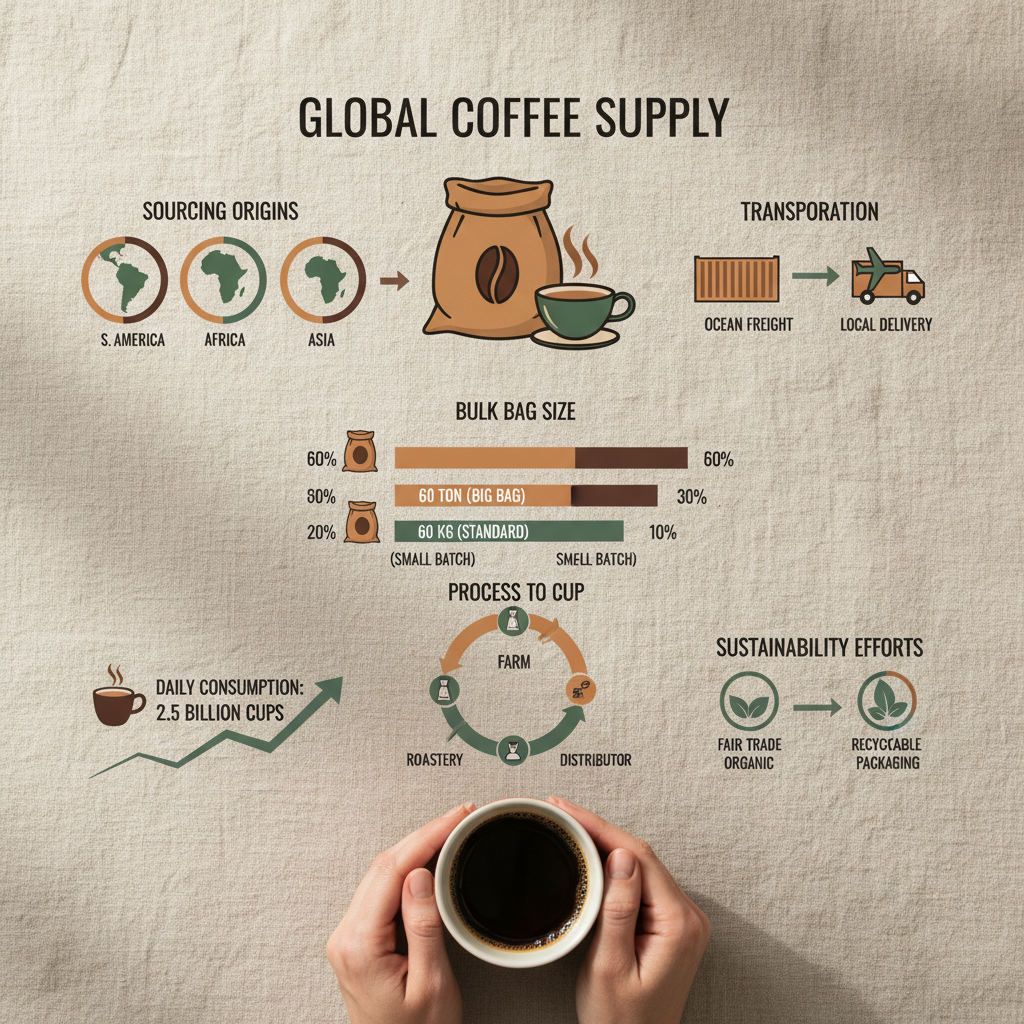
Bulk coffee bags have become a cornerstone of the global coffee supply chain, facilitating the efficient and safe transport of this beloved commodity from origin to consumer. Understanding their significance extends beyond simply containing beans; it encompasses logistical efficiency, preservation of quality, and increasingly, sustainable practices. These bags are integral to a multi-billion dollar industry, impacting farmers, roasters, and coffee drinkers worldwide.
The demand for coffee continues to rise globally, fueled by changing consumption patterns and expanding markets. This increased demand necessitates robust and reliable packaging solutions, and bulk coffee bags are uniquely positioned to meet these needs. Challenges such as maintaining bean freshness, mitigating environmental impact, and optimizing transport costs are all addressed through advancements in bag technology and materials.
From large-scale commercial operations to smaller, specialty coffee importers, the efficient and secure handling of coffee relies heavily on the quality and performance of these bags. Innovation in materials science, coupled with a growing focus on sustainability, is driving the evolution of bulk coffee bags to meet the demands of a dynamic and discerning market.
The Core Functionality of bulk coffee bags
At their most fundamental level, bulk coffee bags provide a protective barrier for coffee beans during storage and transportation. However, the functionality goes far beyond simple containment. Modern bags are engineered to protect against moisture, oxygen, light, and pests, all of which can degrade the quality and flavor of the coffee.
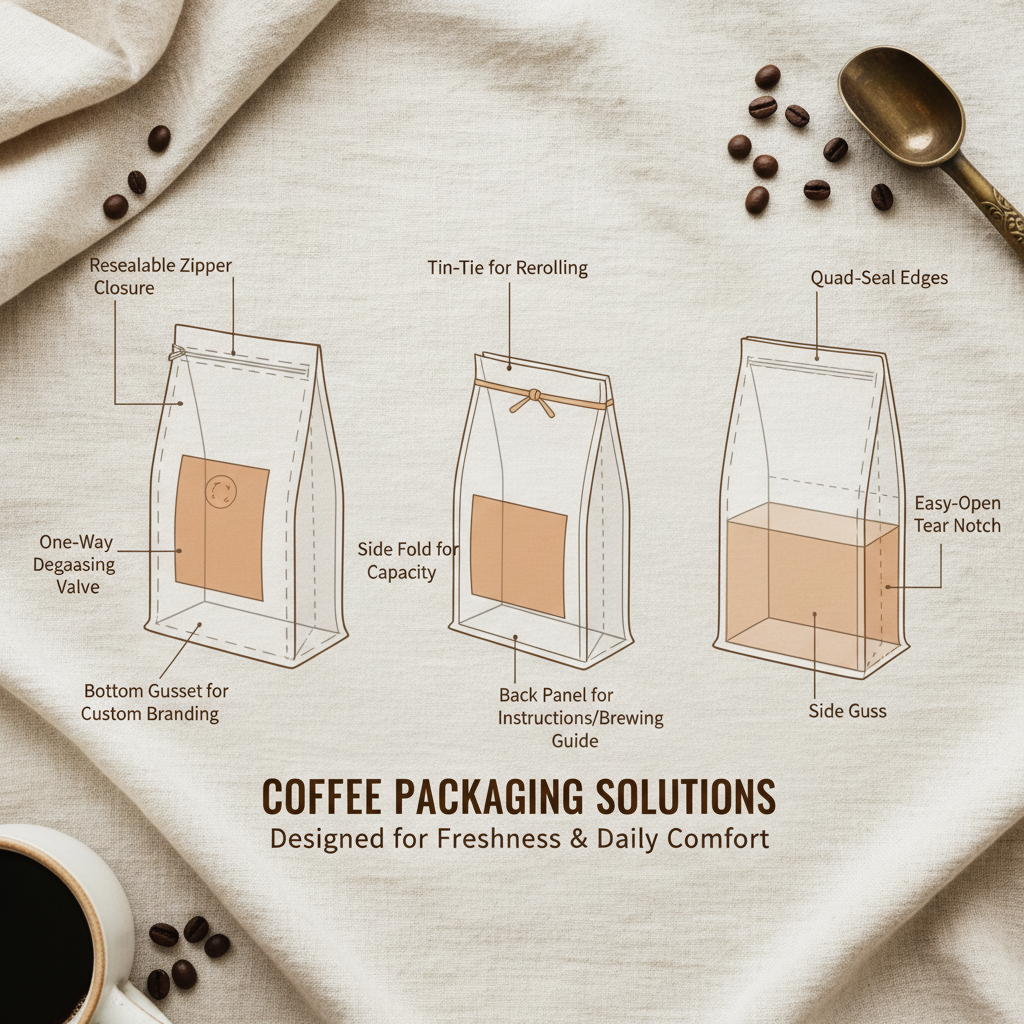
Furthermore, the materials used are critical, ranging from multi-layered polyethylene to specialized foil laminates, each offering different levels of protection and cost. The ability to efficiently stack and transport these bags – often palletized for ease of handling – is a core component of their functionality within the supply chain.
Global Relevance and Industry Context
The global coffee industry is a massive economic engine, with a reported value exceeding $465.9 billion in 2023 (Statista). The vast majority of coffee is traded internationally, requiring effective packaging solutions to traverse long distances and varying climates. Bulk coffee bags are pivotal in enabling this global trade, representing a significant portion of the overall packaging costs within the industry.
Production is concentrated in countries along the "Bean Belt," a region straddling the equator, while consumption is widespread across North America, Europe, and increasingly, Asia. This geographical disparity necessitates robust packaging to maintain quality during extended transit times. Standards set by organizations like the ISO (International Organization for Standardization) influence packaging requirements, emphasizing safety and preservation.
A key challenge is reducing waste and improving sustainability within the supply chain. The coffee industry generates substantial packaging waste, prompting a growing demand for eco-friendly bag materials and recycling initiatives. This is driving innovation in biodegradable and compostable bulk coffee bags, responding to both consumer demand and regulatory pressures.
Defining bulk coffee bags: Features & Characteristics
Bulk coffee bags are typically constructed from multiple layers of materials, often combining polyethylene (PE), polypropylene (PP), and foil. This layering creates a barrier against external elements, preserving the aroma and flavor of the coffee. The bags are often equipped with features such as degassing valves, which allow carbon dioxide released during roasting to escape without compromising the seal.
Sizes vary considerably, ranging from smaller 25lb bags for specialty roasters to massive 69kg (152lb) bags used for large-scale commodity coffee. The choice of bag size depends on factors such as transportation methods, storage capacity, and the roaster’s production scale. Bags also incorporate handles and lifting loops for ease of handling.
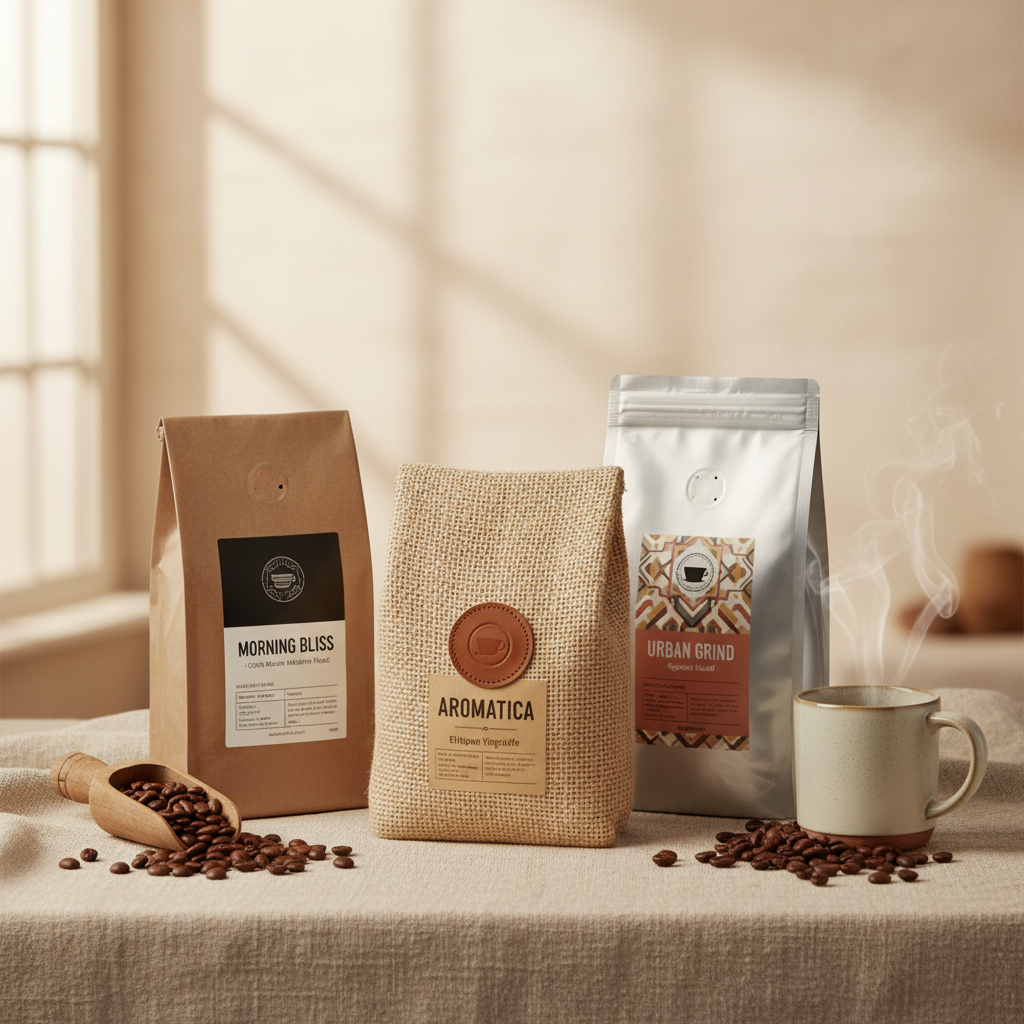
Crucially, the bag's inner lining is often food-grade and designed to prevent any transfer of unwanted flavors or odors to the coffee beans. Printing on the bags typically includes information such as origin, grade, weight, and certifications (e.g., Fair Trade, Organic). These markings are essential for traceability and transparency throughout the supply chain.
Key Factors Driving bulk coffee bags Adoption
The widespread adoption of bulk coffee bags is fueled by several critical factors. Firstly, their cost-effectiveness compared to alternative packaging solutions like rigid containers or smaller individual packages makes them ideal for large-volume coffee transportation. Secondly, the superior barrier properties protect the delicate flavors and aromas of the coffee beans, vital for maintaining product quality.
Scalability is another key driver. The ability to easily adjust bag sizes and production volumes to meet fluctuating demand is essential for both coffee producers and roasters. Finally, the increasing focus on sustainability is prompting a shift towards more eco-friendly bulk coffee bags, furthering their appeal within the industry.
Bulk Coffee Bag Performance Metrics
Applications in Global Coffee Supply Chains
Bulk coffee bags play a vital role throughout the entire coffee supply chain, starting with the collection of beans from farms. They are used to transport coffee from farms to processing facilities, then to export ports, and finally to roasters around the world. In post-disaster relief operations, coffee – often a morale booster – is frequently packaged in these bags for efficient distribution.
In remote industrial zones, where access to specialized packaging infrastructure is limited, bulk coffee bags offer a practical and reliable solution for storing and transporting coffee. Additionally, they are commonly used by coffee cooperatives and small-scale farmers for exporting their crops directly to international buyers.
Advantages: Cost, Sustainability, & Performance
The advantages of using bulk coffee bags are multifaceted. From a cost perspective, they are significantly more economical than rigid containers, especially when shipping large volumes. They also offer excellent protection against moisture and oxygen, preserving the coffee’s quality and extending its shelf life.
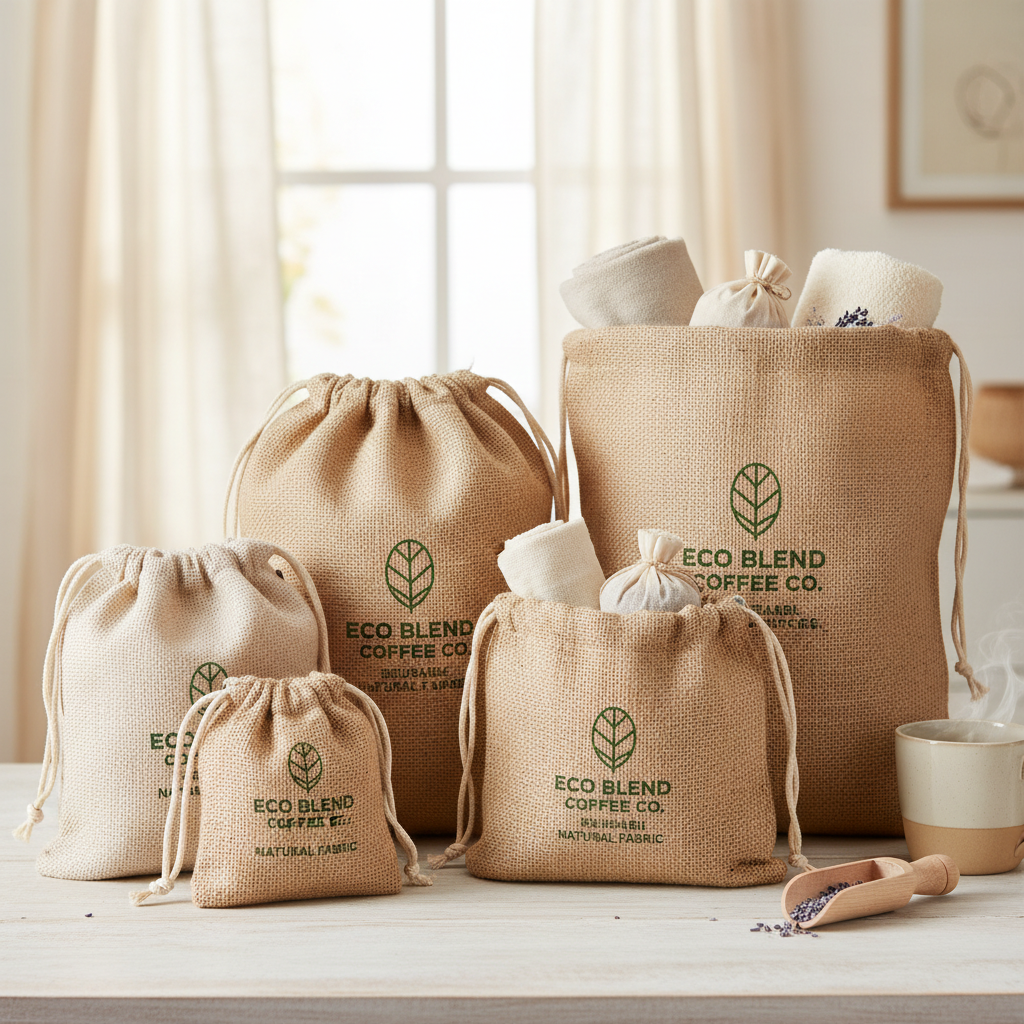
Increasingly, sustainability is a major advantage. The development of recyclable and biodegradable bag materials reduces environmental impact and appeals to eco-conscious consumers. Furthermore, the lightweight nature of the bags reduces transportation costs and carbon emissions.
The reliability and consistent performance of these bags ensures minimal product loss during transport, contributing to overall efficiency and profitability within the coffee industry.
Future Trends & Innovations in bulk coffee bags
The future of bulk coffee bags lies in continued innovation, particularly in the realm of sustainable materials. Research and development efforts are focused on creating fully compostable bags that break down rapidly in industrial composting facilities. The integration of digital technologies, such as QR codes for traceability and sensor-based monitoring of humidity and temperature within the bag, is also gaining traction.
Automation in bag filling and sealing processes is streamlining production and reducing labor costs. Furthermore, the development of thinner, yet equally robust, bag materials is minimizing the amount of plastic used, further enhancing sustainability. These advancements will address the growing demand for environmentally responsible packaging solutions within the coffee industry.
We can also expect to see increased adoption of smart packaging solutions that monitor the coffee's condition throughout the supply chain, providing real-time data on temperature, humidity, and other critical factors. This will enhance quality control and reduce the risk of spoilage.
Addressing Challenges & Optimizing Performance
Despite their numerous advantages, challenges remain in the world of bulk coffee bags. One significant issue is the difficulty of recycling multi-layered materials. The different polymers used often require specialized recycling facilities, which are not widely available. Another challenge is ensuring consistent bag quality and preventing leaks or punctures during transport.
Solutions include investing in improved recycling infrastructure and developing mono-material bags that are easier to recycle. Enhanced quality control measures during manufacturing, coupled with rigorous testing of bag strength and durability, can minimize the risk of damage during transit. Collaboration between bag manufacturers, coffee roasters, and recycling facilities is essential for addressing these challenges.
Furthermore, exploring alternative materials, such as plant-based plastics and biodegradable coatings, offers promising avenues for creating more sustainable and environmentally friendly bulk coffee bags.
Summary of bulk coffee bags Challenges and Solutions
| Challenge |
Impact on Coffee Industry |
Potential Solutions |
Implementation Cost (1-10) |
| Recycling Complexity |
Increased landfill waste, environmental concerns |
Mono-material bag development, improved recycling infrastructure |
7 |
| Bag Durability Issues |
Product loss, quality degradation |
Enhanced quality control, stronger materials |
5 |
| Sustainable Material Costs |
Higher packaging expenses |
Economies of scale, material innovation |
6 |
| Supply Chain Transparency |
Difficulty tracking bag origin and lifecycle |
QR codes, blockchain technology |
8 |
| Maintaining Aroma Seal |
Loss of coffee aroma and flavor |
Improved degassing valve technology |
4 |
| Moisture Control |
Coffee spoilage and mold growth |
Advanced barrier films, desiccant integration |
5 |
FAQS
Bulk coffee bags are commonly constructed from multiple layers of materials like polyethylene (PE), polypropylene (PP), and sometimes foil. These layers create a robust barrier against moisture, oxygen, and light, protecting the coffee’s quality and aroma. The specific materials used can vary depending on the desired level of protection, cost considerations, and sustainability goals. High-end bags may include specialized films offering superior barrier properties, while more economical options might utilize simpler PE constructions.
The recyclability of bulk coffee bags is a complex issue. Traditional multi-layered bags are often difficult to recycle due to the combination of different polymers. However, advancements are being made in developing mono-material bags (made from a single type of plastic) that are more readily recyclable. Recycling options also depend on local infrastructure; some regions may have facilities capable of processing these materials, while others may not.
Coffee beans release carbon dioxide (CO2) as a natural byproduct of the roasting process. If this gas is trapped within the bag, it can build up pressure and compromise the bag’s integrity and the coffee’s flavor. Degassing valves are one-way valves that allow CO2 to escape without letting oxygen enter, preserving the freshness and aroma of the coffee. These valves are typically integrated into the bag during manufacturing.
Common sizes range significantly, but frequently you’ll find 25lb (approximately 11.3 kg) bags for smaller specialty roasters and larger 69kg (152lb) bags for large-scale commodity coffee operations. Other sizes, such as 50lb or custom weights, are also available to suit specific needs. The choice of size depends on the roaster's production volume, storage capacity, and transportation logistics.
Look for certifications that ensure food safety and sustainability. Food-grade certifications verify the bag’s materials are safe for contact with coffee. Sustainability certifications, such as those related to recyclable or biodegradable materials, demonstrate a commitment to environmental responsibility. ISO certifications can also indicate adherence to quality management standards.
Prioritize recyclable or biodegradable bulk coffee bags. Explore options for returning used bags to suppliers for recycling or reuse. Optimize packaging volume to minimize waste. Consider partnering with recycling facilities to ensure proper processing of the bags. Supporting suppliers who are committed to sustainable practices is also crucial.
Conclusion
Bulk coffee bags are far more than simple containers; they are critical components of the global coffee supply chain, enabling efficient transport, preserving quality, and increasingly, promoting sustainability. Understanding the key factors driving their adoption – cost-effectiveness, scalability, and environmental responsibility – is vital for businesses operating in this dynamic industry. Continued innovation in materials and technology will further enhance their performance and reduce their environmental footprint.
Looking ahead, a collaborative approach involving bag manufacturers, coffee producers, and recycling facilities is essential to address challenges and optimize the lifecycle of these bags. By embracing sustainable practices and investing in innovative solutions, the coffee industry can minimize its environmental impact while continuing to deliver high-quality coffee to consumers worldwide. Visit our website to learn more about how we can help: www.dslpack.com