Wholesale coffee packaging is a critical component of the global coffee supply chain, ensuring the safe and efficient transport and storage of beans from origin to consumer. It's far more than just a container; it’s a protector of quality, a communicator of brand identity, and increasingly, a key player in sustainability efforts. The demand for robust and reliable packaging solutions is steadily increasing alongside global coffee consumption, currently estimated at over 166 million 60-kilogram bags per year, a figure projected to continue its upward trend. This growth underscores the necessity for businesses to optimize their wholesale coffee packaging strategies.
The selection of appropriate wholesale coffee packaging impacts not only product freshness and shelf life but also logistical costs and environmental impact. Many factors are at play, from the type of coffee bean (whole bean, ground, instant) to the intended market and storage conditions. Improper packaging can lead to significant losses due to moisture, oxygen exposure, and physical damage, highlighting the importance of choosing the right materials and design for the specific needs of the coffee.
Understanding the nuances of wholesale coffee packaging is essential for coffee roasters, importers, and distributors aiming to maximize profitability, maintain product integrity, and meet growing consumer demands for sustainable practices. Investment in quality packaging is a direct investment in brand reputation and long-term business success in a fiercely competitive market.
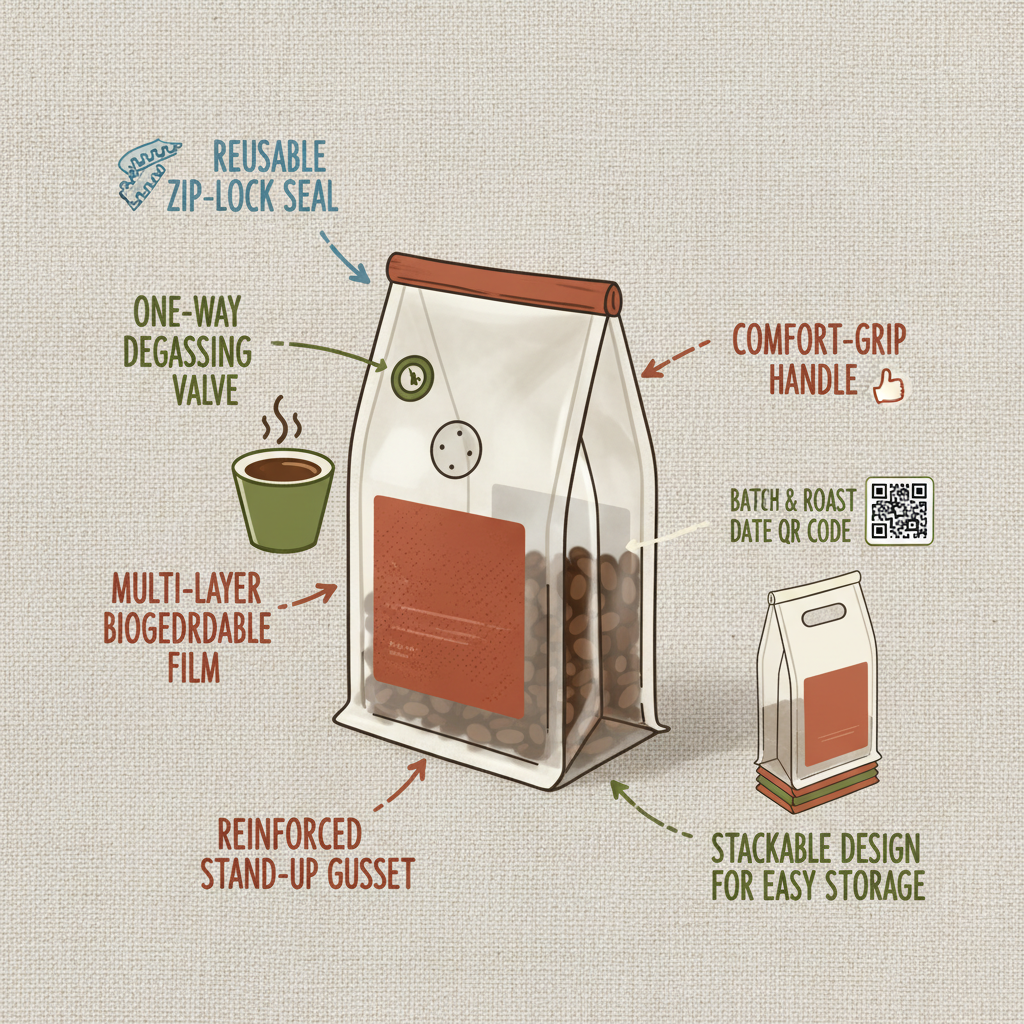
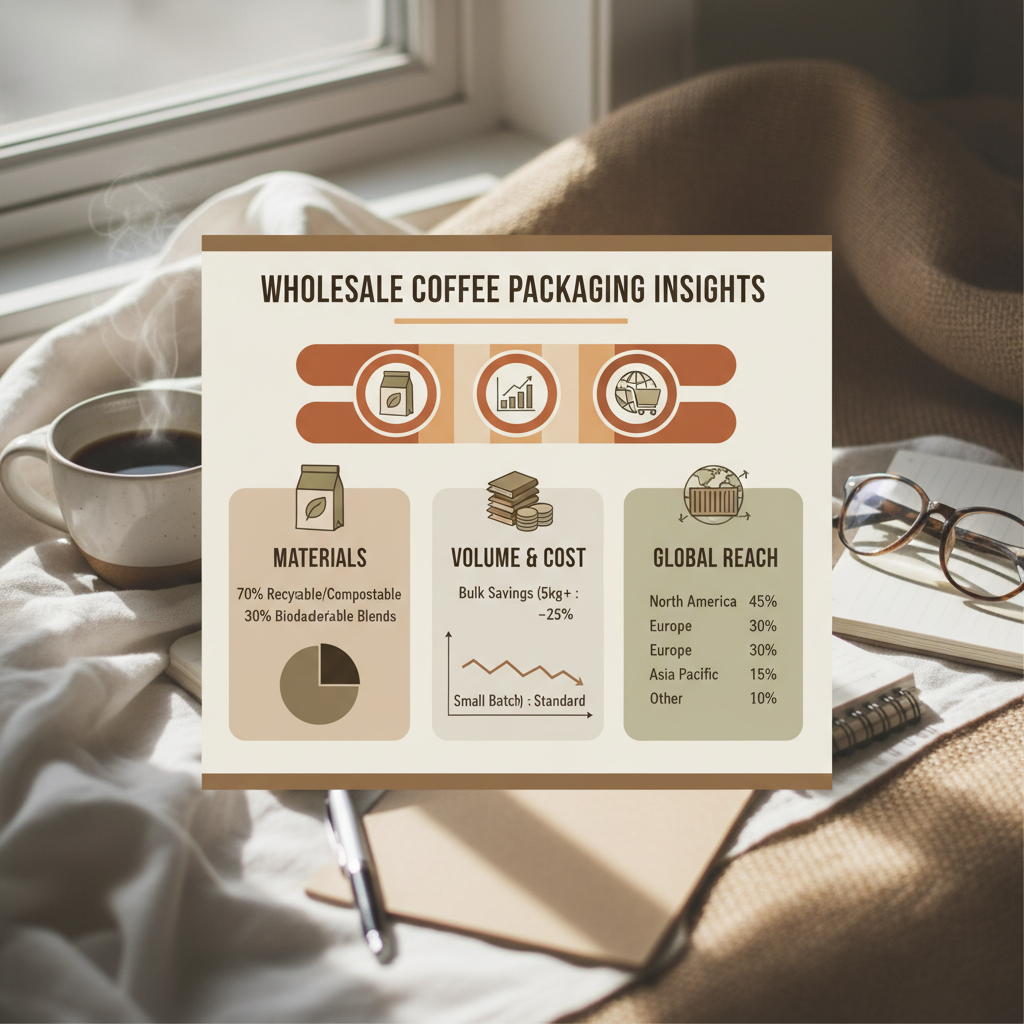
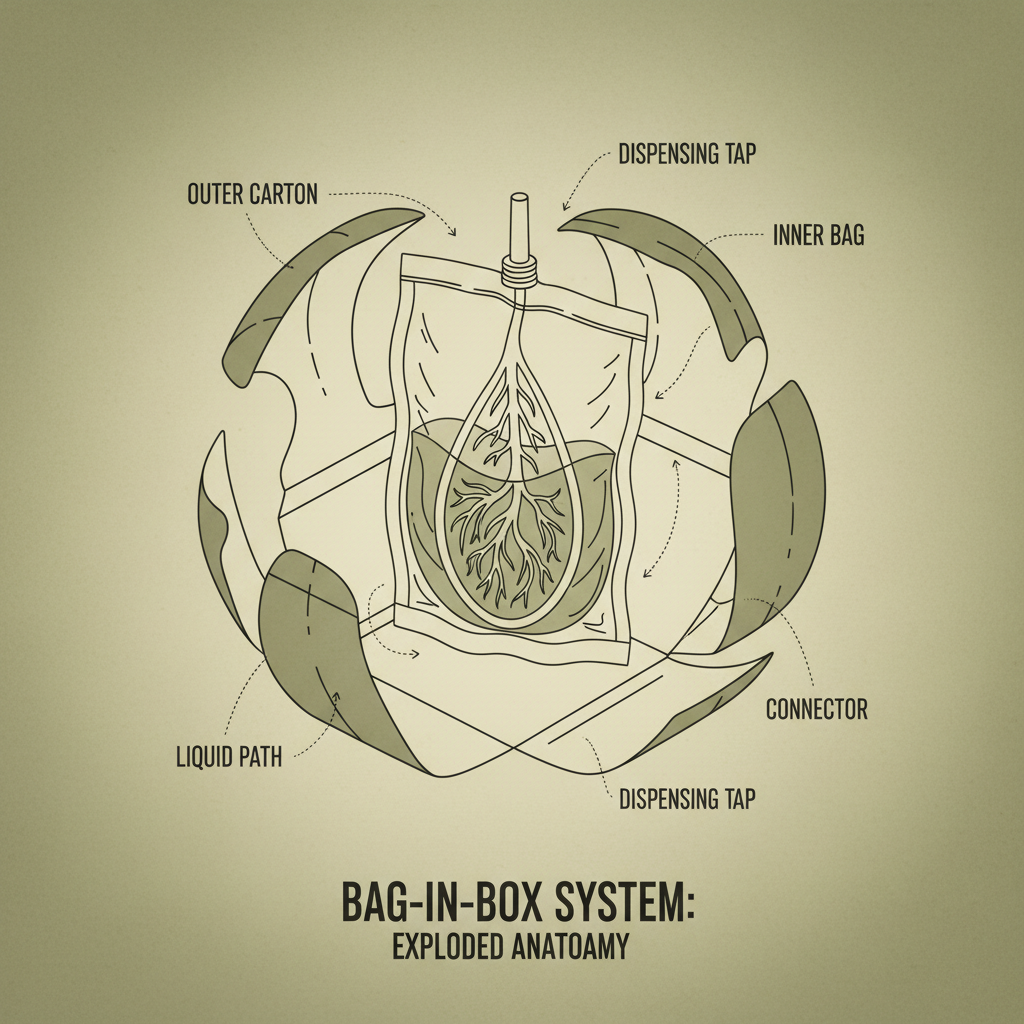
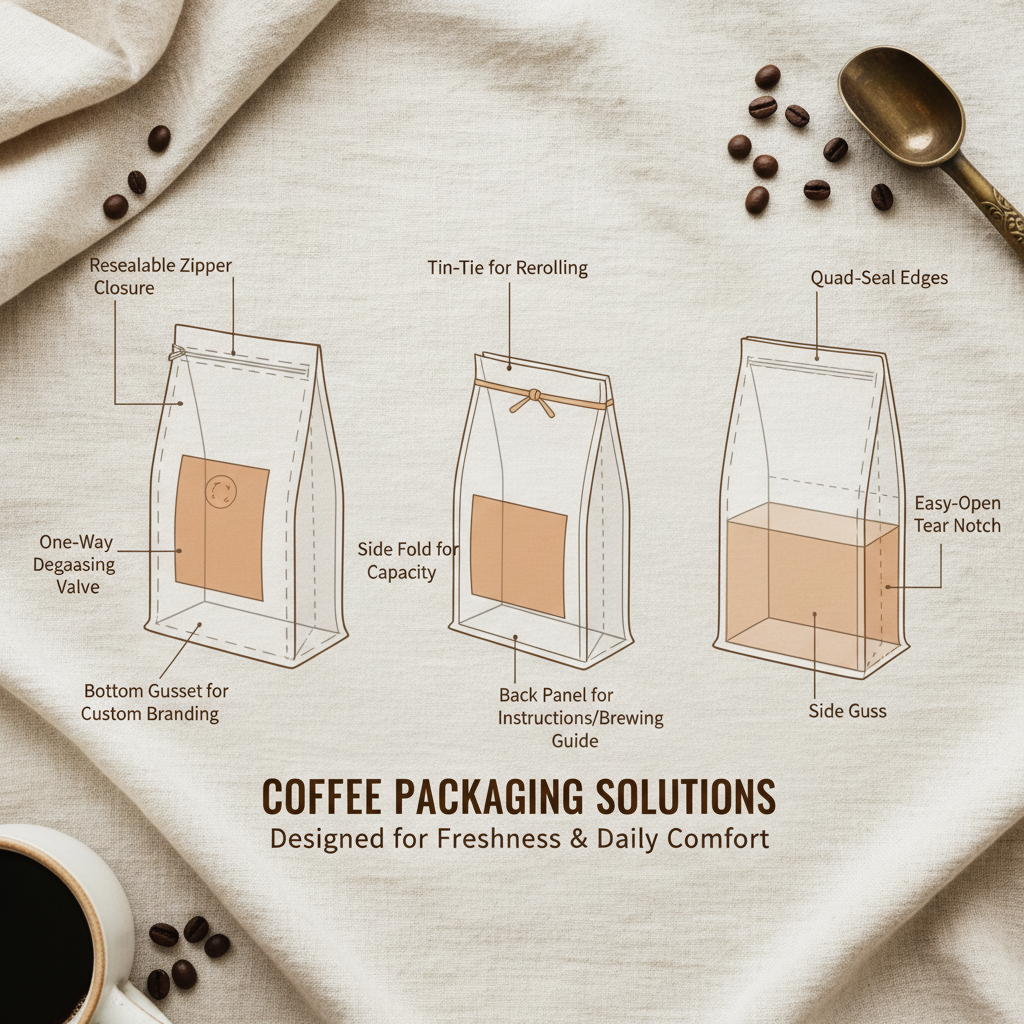
Wholesale coffee packaging encompasses a broad range of materials and methods employed to protect and present coffee beans or ground coffee in bulk quantities for commercial purposes. This includes everything from large fiberboard boxes with liner bags to valve-sealed, multi-layer plastic pouches designed to preserve freshness and aroma. The selection criteria are driven by factors such as bean type, shipping distance, storage conditions, and branding requirements.
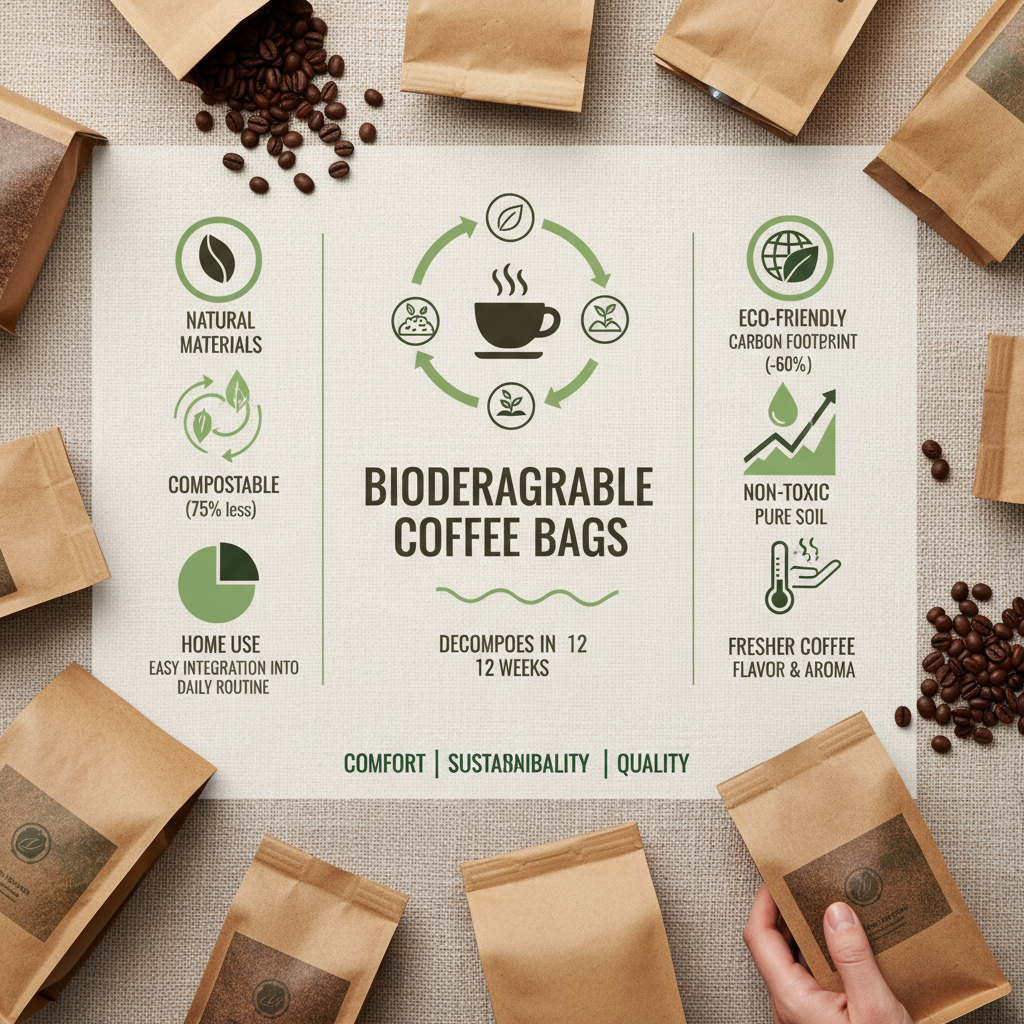
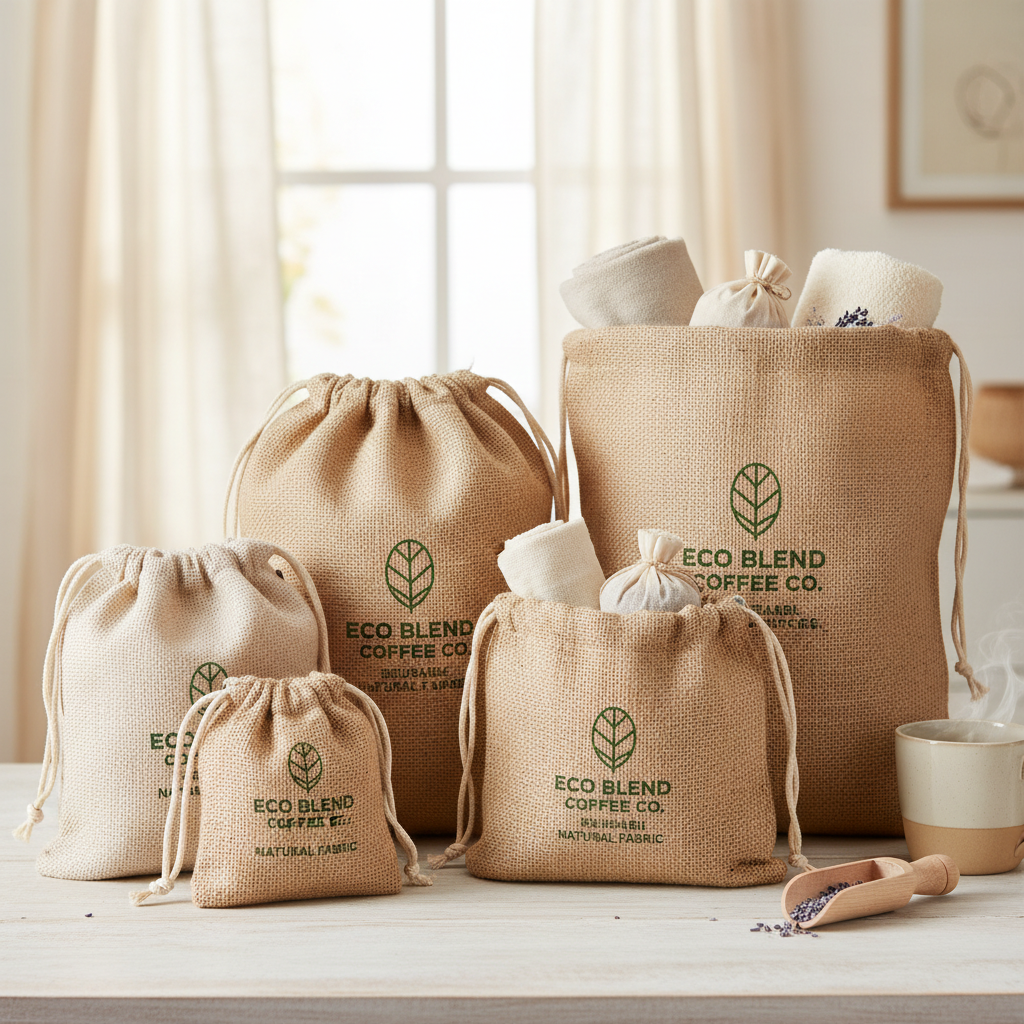
The market for wholesale coffee packaging is significantly influenced by the growing global demand for specialty coffee and the increasing emphasis on sustainability. Consumers are becoming more discerning about coffee origin and quality, and they expect packaging that reflects these values. This is driving innovation in biodegradable, compostable, and recyclable packaging solutions.
When shipping coffee long distances, several factors are critical. Prioritize packaging with excellent barrier properties to protect against moisture, oxygen, and temperature fluctuations. Ensure structural integrity to withstand handling and stacking. Consider utilizing internal liners or cushioning materials to further protect the beans. Cost-effectiveness and weight are also important to minimize shipping expenses. Finally, verify compliance with international shipping regulations.
Biodegradable options generally come at a higher upfront cost than traditional plastic packaging. However, they offer significant benefits in terms of environmental impact and brand perception. Performance-wise, newer biodegradable films are improving in terms of barrier properties, but may still not match the performance of multi-layer plastic. Careful consideration of the shelf life requirements and the target market is essential when choosing biodegradable options.
Valve bags are flexible packaging solutions featuring a one-way valve that allows carbon dioxide (CO2) to escape after roasting without letting oxygen enter. Roasted coffee naturally releases CO2, and allowing this gas to vent prevents the bag from bursting and helps maintain freshness. They are preferred because they preserve aroma, flavor, and prevent bag deformation during storage and transport.
Barrier films are crucial in wholesale coffee packaging as they protect against external elements that degrade coffee quality. They prevent oxygen from causing oxidation, moisture from leading to staleness, and light from affecting flavor. Common materials include aluminum foil, metallized PET, and specialized polymers, often combined in multiple layers to provide optimal protection. Choosing the right barrier film depends on the coffee's storage and transportation conditions.
Businesses should ensure their packaging materials comply with regulations like those set by the FDA (in the US) or EFSA (in Europe). This includes verifying that materials are food-grade, that inks are non-toxic, and that packaging meets labeling requirements regarding ingredients and allergen information. Regular audits of packaging suppliers and adherence to Good Manufacturing Practices (GMP) are also recommended.
Emerging trends in smart packaging include incorporating QR codes for traceability, allowing consumers to access information about the coffee's origin and processing. RFID tags are being explored for real-time tracking throughout the supply chain, improving inventory management and reducing losses. Sensors that monitor temperature and humidity within the package are also gaining traction, ensuring optimal storage conditions.
Wholesale coffee packaging is a multifaceted field that directly impacts the quality, shelf life, and sustainability of the coffee supply chain. From barrier protection and structural integrity to cost-effectiveness and environmental responsibility, the selection of appropriate packaging solutions is crucial for success in a competitive market. Embracing innovation and adapting to emerging trends, such as sustainable materials and smart packaging technologies, are key to ensuring long-term viability.
Looking ahead, a collaborative approach involving coffee producers, packaging manufacturers, and consumers will be vital to drive advancements in sustainable packaging solutions. Investing in research and development, promoting circular economy principles, and prioritizing transparency and traceability will ultimately lead to a more resilient and environmentally conscious wholesale coffee packaging industry. For premium wholesale coffee packaging solutions, visit our website: wholesale coffee packaging.