
Gusset Bag Packaging: Custom, Food-Safe & Eco Options
A Pragmatic Insider’s Take on Gusset Bag Packaging
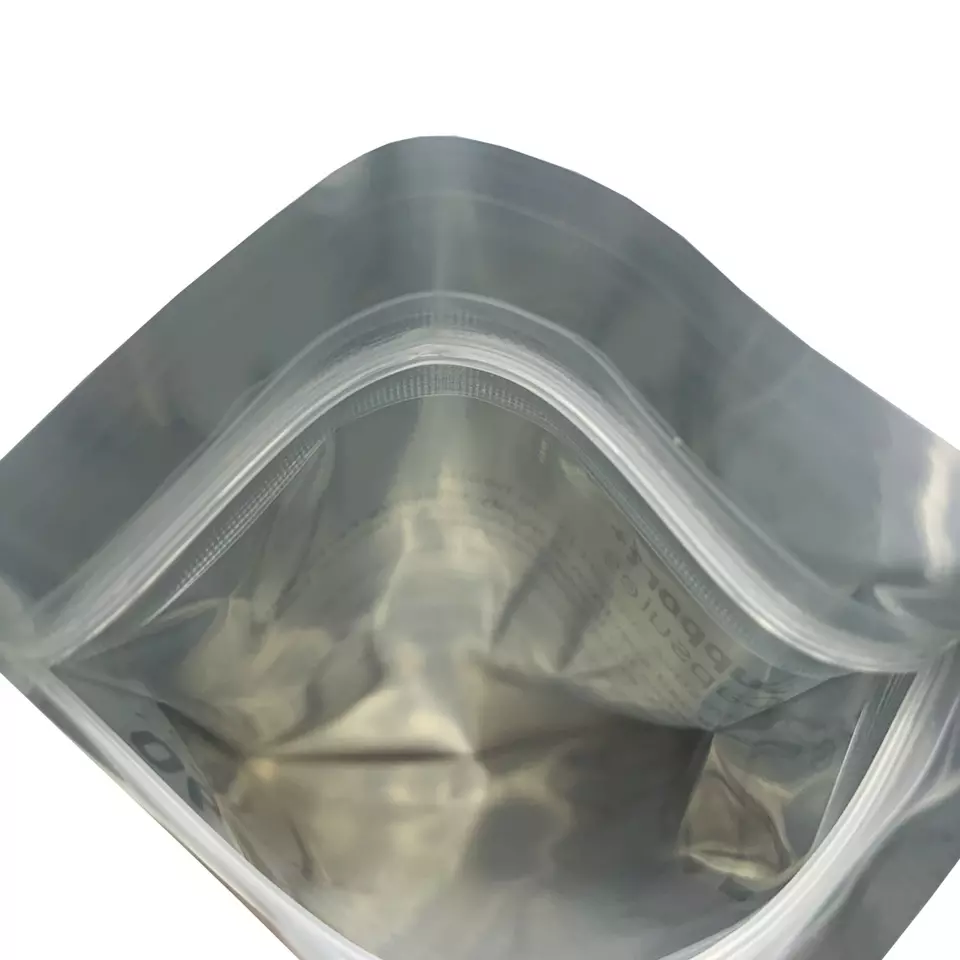
If you’ve handled coffee, spices, or nutraceuticals lately, you’ve noticed the quiet dominance of flexible formats. And, to be honest, Gusset Bag Packaging is the unsung workhorse—stackable, brandable, and surprisingly technical once you peek under the hood. I’ve toured lines that run millions of pouches a month; what wins isn’t just looks, it’s barrier science and process discipline.
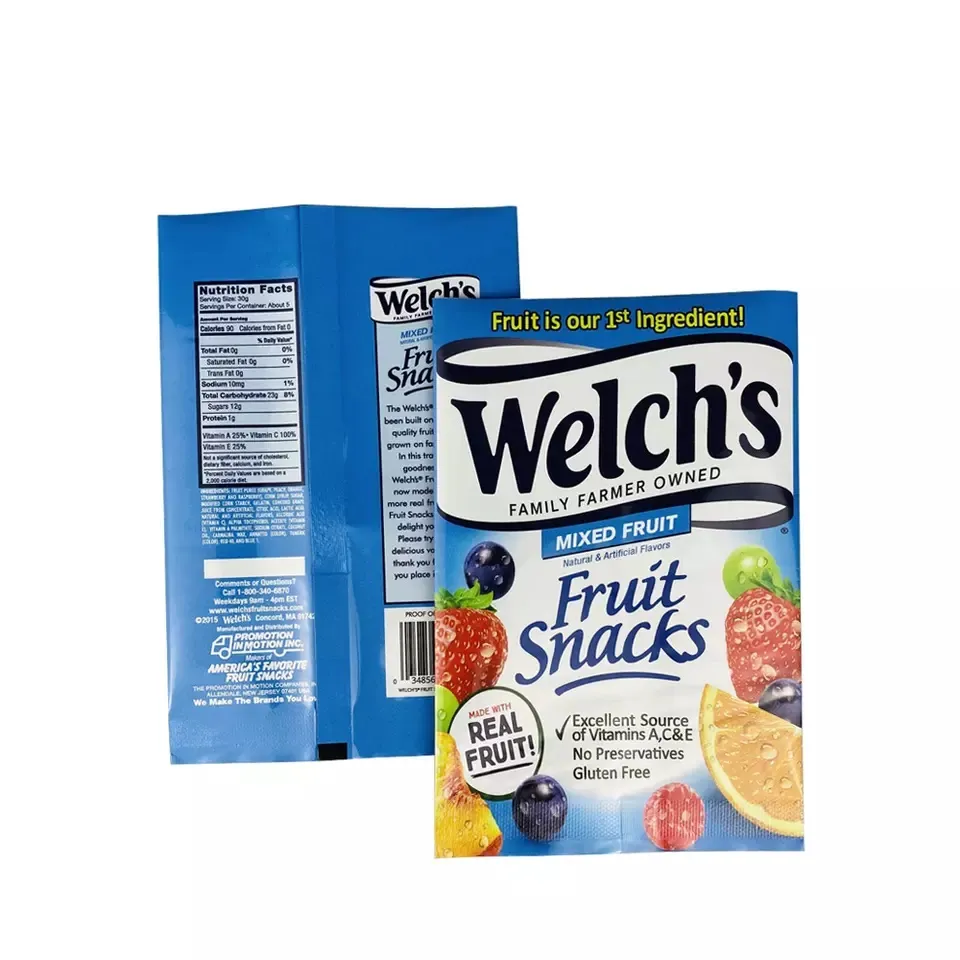
What’s trending (and why it matters)
- E‑commerce toughening: brands demand pouches that survive drop tests and porch heat.
- Sustainability pressure: downgauging films, mono-material trials, and solvent-free lamination (when feasible).
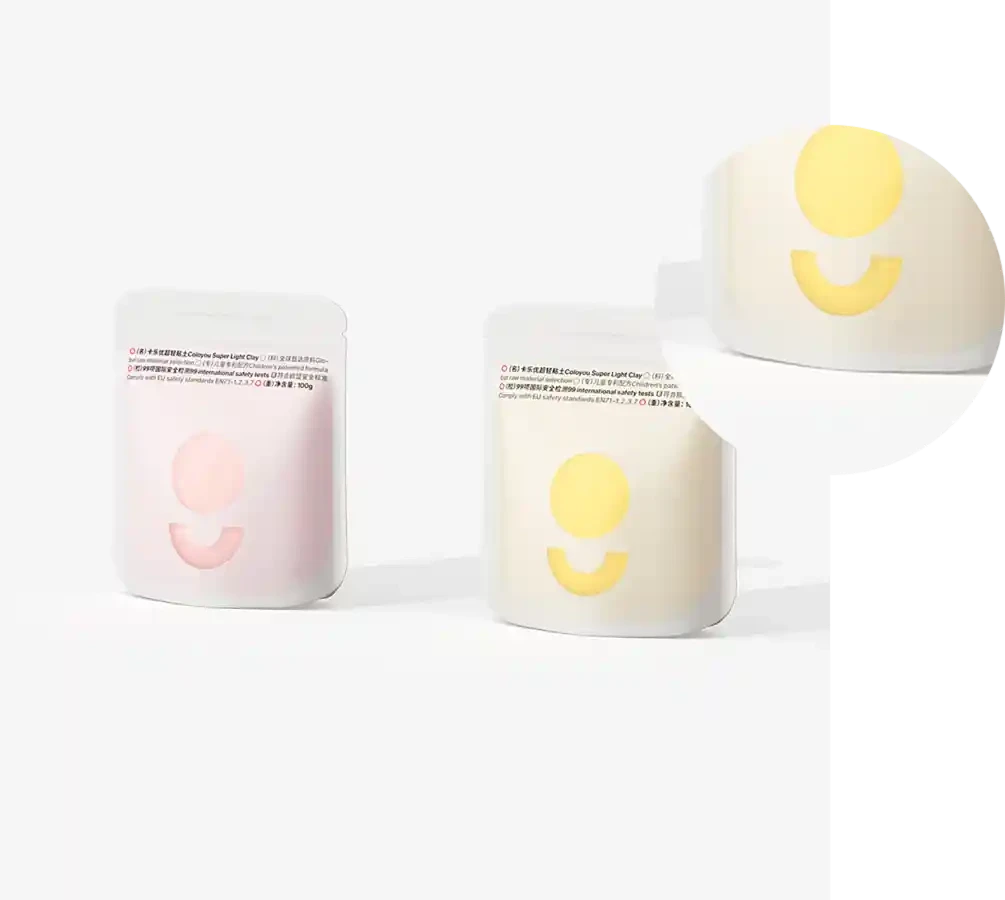
- Premium cues: matte varnish, spot gloss, and metallic windows—without compromising oxygen and moisture barriers.
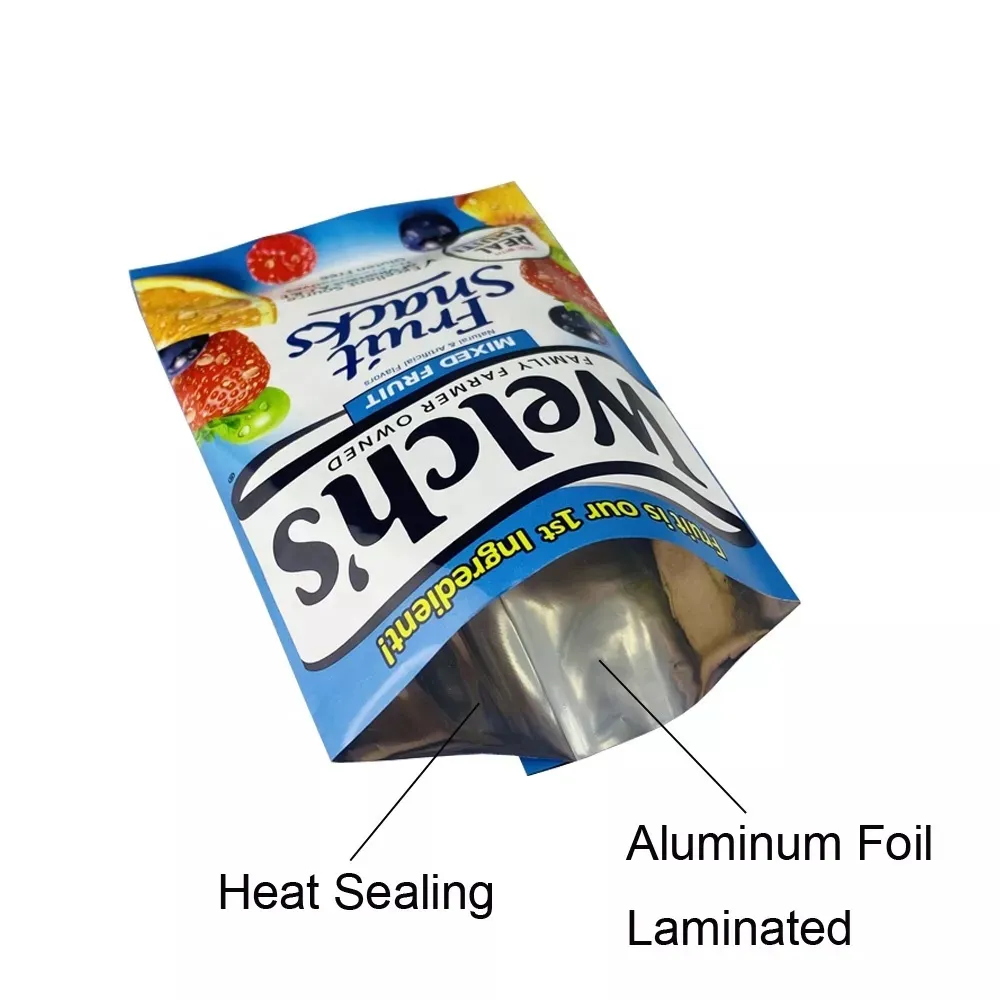
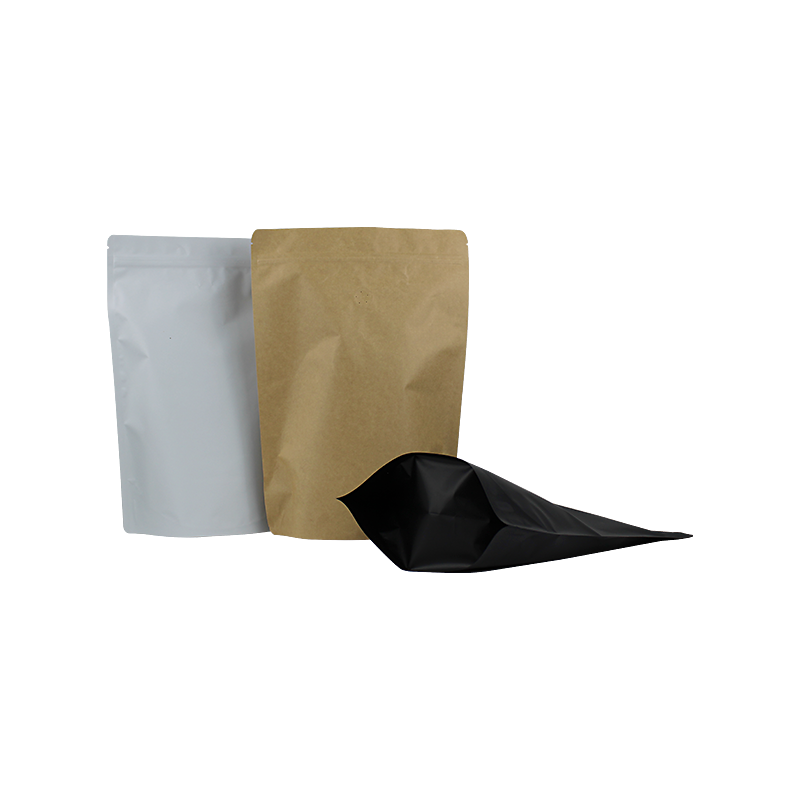
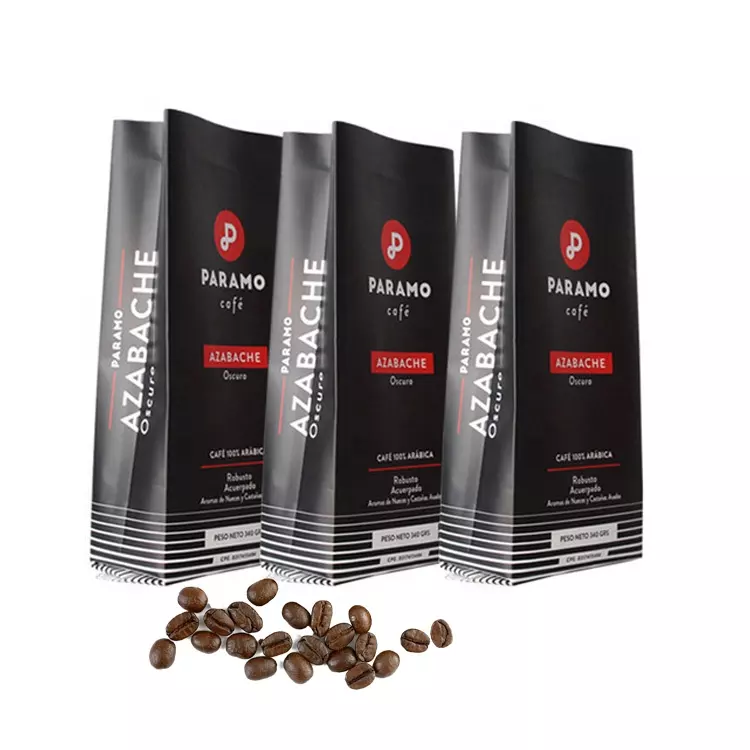
Product at a glance: Customized Printing 3 Side Seal & Fin Seal Bags
Origin: No. 6 Hefu Road, Hengjiang Industrial Zone, Gaoming District, Foshan, Guangdong Province, China. Materials include PET, PA, PE, BOPP, CPP, VMPET, Foil—food grade, with EU and FDA food-contact compliance. Up to 10 print colors; ideal for coffee, spices, herbs, and tea. Food-safe? Yes. Real-world results, in my experience, hinge on barrier stack-up and seal integrity.
| Spec | Typical Value (≈; may vary) |
|---|---|
| Structures | PET/AL/PE, PET/VMPET/PE, BOPP/CPP, PA/PE (others on request) |
| OTR (ASTM D3985) | ≈ 0.1–0.5 cc/m²·day (foil barrier); ≈ 0.5–2 for VMPET |
| WVTR (ASTM F1249) | ≈ 0.1–0.6 g/m²·day @38°C/90%RH (barrier dependent) |
| Seal Strength (ASTM F88) | ≈ 3–6 N/15mm for retail; higher on request |
| Rotogravure up to 10 colors; matte/gloss options | |
| Service Life | ≈ 12–24 months sealed, cool/dry storage |
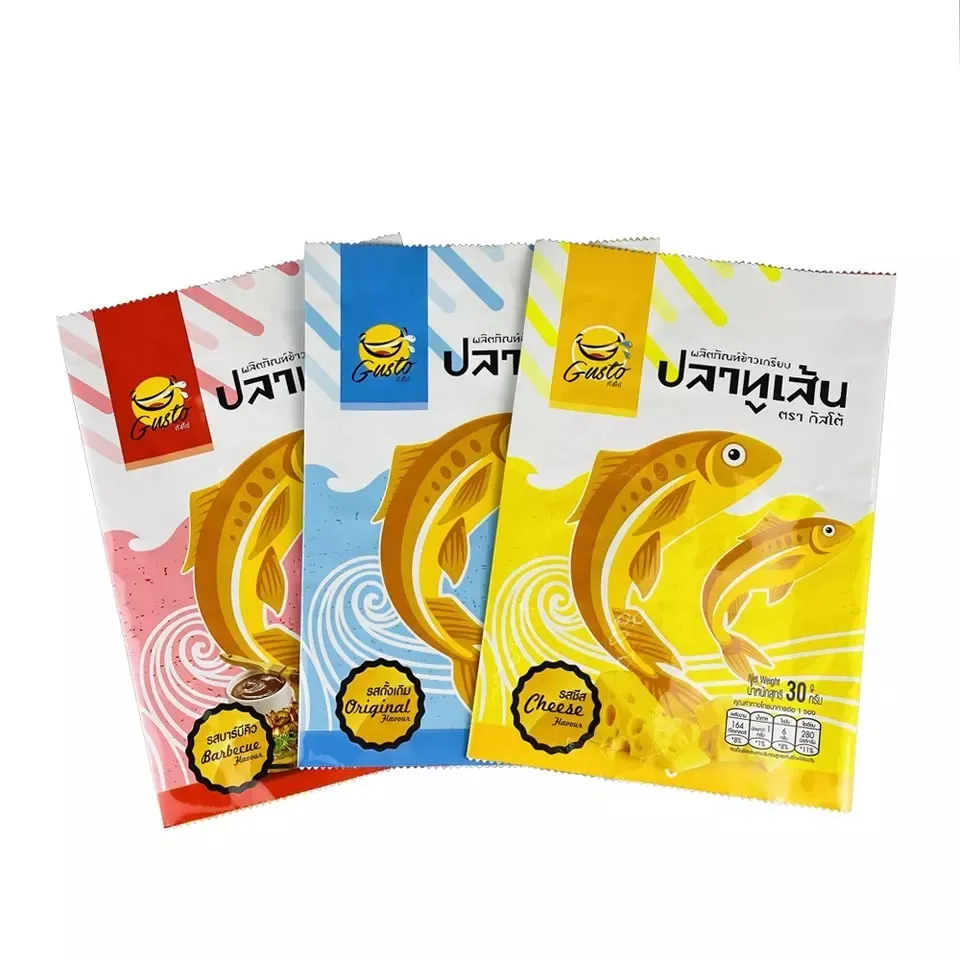
Process flow, testing, and certifications
Materials are laminated (solvent-based or solvent-free, depending), cured, then finished via 3-side seal or fin seal. Add-ons: zippers, tear notches, valves for coffee (yes, it helps aroma). QC typically runs film gauge checks, COF, seal strength (ASTM F88), tensile (ASTM D882), OTR/WVTR, and transit testing (ISTA 3A). Compliance targets: EU 10/2011 and relevant FDA 21 CFR food-contact regulations. Many customers say the difference is visible in seal consistency—no brittle edges, no fish-eyes.
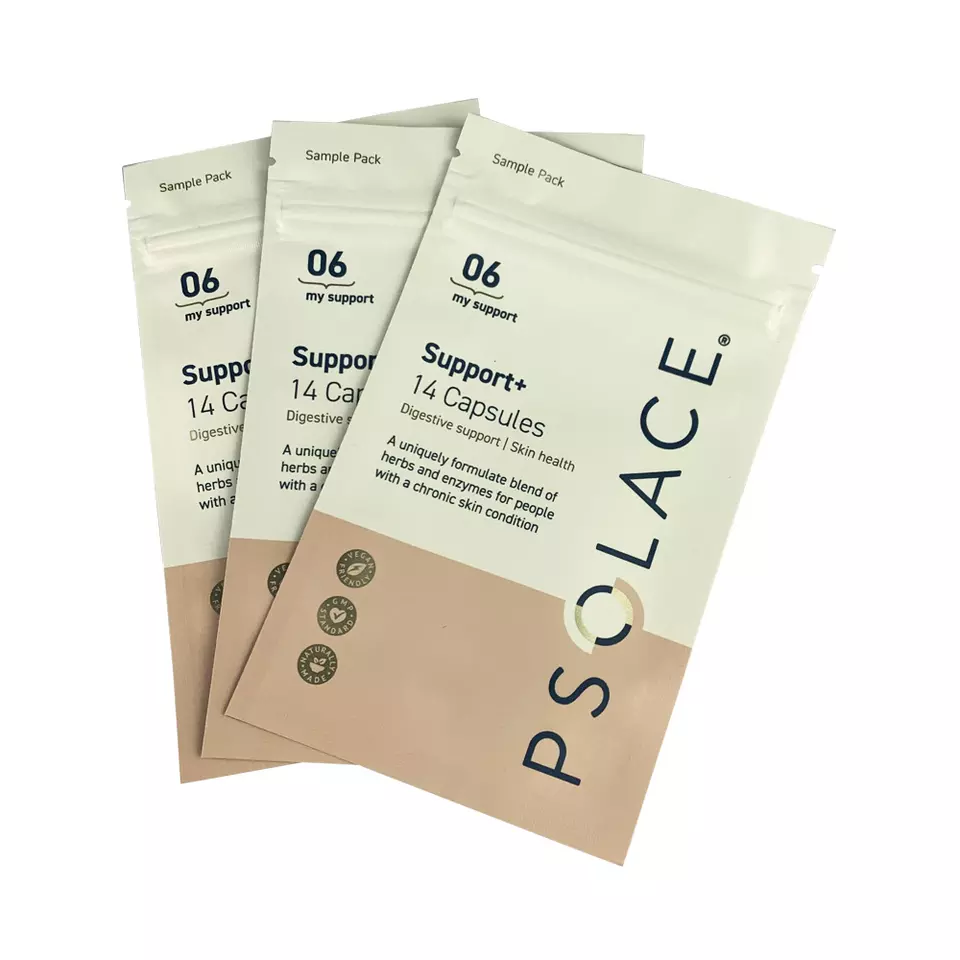
Where Gusset Bag Packaging shines
- Coffee and tea: degassing valves, rich aromas, clean pour.
- Spices/herbs: aroma retention with easy-open notches.
- Pet treats & nutraceuticals: reclosable convenience; child-resistant options on request.
Case snapshots: A boutique roaster cut returns by ≈18% after switching to foil-barrier pouches with improved seals. A spice brand reported shelf-life extension from 9 to 15 months (ambient) post migration to PET/VMPET/PE.
Vendor comparison (real-world buyer notes)
| Vendor | Certs/Compliance | Lead Time | Print Colors | MOQ | Price Index |
|---|---|---|---|---|---|
| DSL Packaging (Foshan) | EU 10/2011, FDA food-contact; ISO/food-safety systems typically available | ≈ 2–4 weeks after art approval | Up to 10 | Flexible, project-based | $$ (value-focused) |
| Vendor A (Generic) | FDA/EU stated; limited test reporting | ≈ 4–6 weeks | 8 | Higher | $ |
| Vendor B (Premium) | Robust ISO/BRCGS; extensive data packs | ≈ 5–7 weeks | 10+ | Strict | $$$ |
Customization tips (learned the hard way)
- For coffee, specify one-way valves and target OTR ≤ 1 cc/m²·day.
- Spices need aroma lock: consider PET/VMPET/PE; verify WVTR results.
- Transit matters: request ISTA 3A results and seal-strength data, not just pretty mockups.
In short, Gusset Bag Packaging wins by balancing barrier, sealing, and brand presence. Get the structure right, validate with standards, and your returns dashboard gets boring—in the best way.
Authoritative citations
- EU Regulation No. 10/2011 on plastic materials intended to come into contact with food.
- FDA 21 CFR (e.g., 177.1520, 177.1630) – food-contact polymers.
- ASTM D3985 (OTR) and ASTM F1249 (WVTR) barrier test methods.
- ASTM F88 (Seal Strength) and ISTA 3A (Packaged-Products for Parcel Delivery).




- No. 6 Hefu Road, Hengjiang Industrial Zone, Gaoming District, Foshan, Guangdong Province,China
- Tel: 86-133 3649 8096
- Email:enid@bc-pak.com
-


