
Recyclable Pouches | Eco-Friendly, Durable, Custom
What’s Really Happening With Recyclable Pouches in 2025
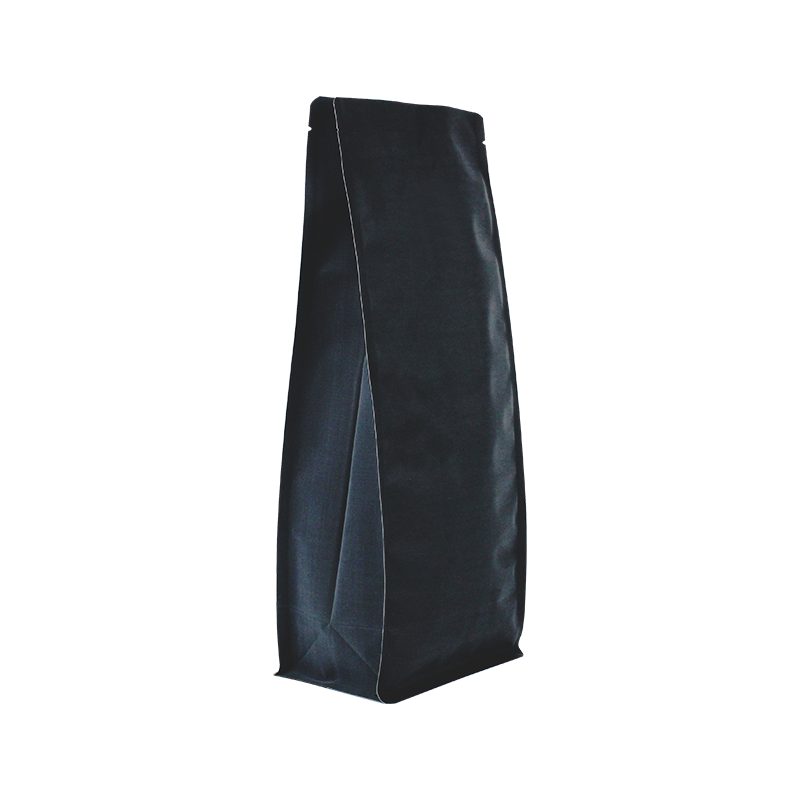
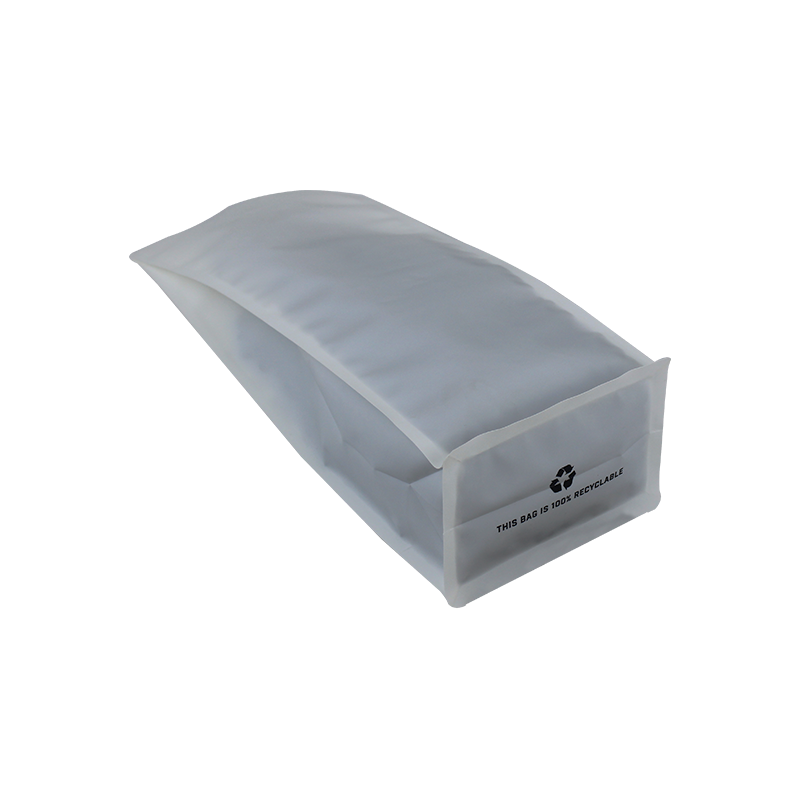
I spent last month touring flexible packaging lines in Foshan. One takeaway: the 100% Recyclable Flat Bottom Pouch isn’t a future promise—it’s on shelf now, and brands are quietly switching. To be honest, some specs still look old-school on paper, but the production recipes have caught up fast.
Industry pulse
Three currents drive adoption: retailer mandates, EPR fees, and consumers who are—surprisingly—reading disposal icons. Many customers say they’ll pick the pack that “goes in the right bin,” even if it costs a few cents more. Meanwhile, buyers ask me for mono-material PE or PP structures, APR/CEFLEX friendly, with real barrier and normal run speeds. That last part matters more than press releases.
Product snapshot: 100% Recyclable Flat Bottom Pouch
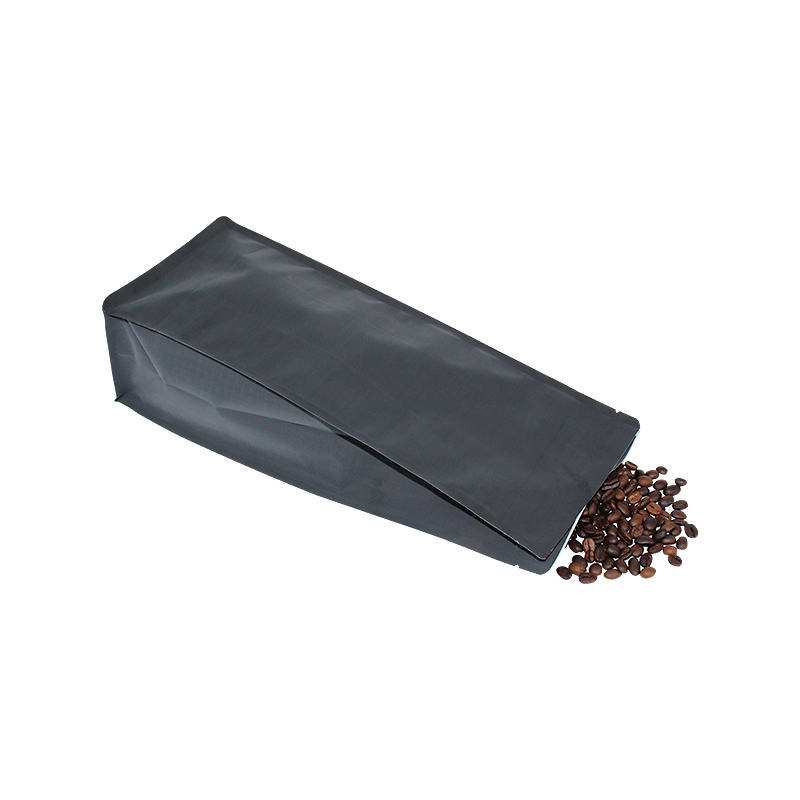
Origin: No. 6 Hefu Road, Hengjiang Industrial Zone, Gaoming District, Foshan, Guangdong Province, China. Item No. 00093. Food-safe materials, EU and FDA compliant. The headline claim is “100% recyclable,” which, in practice, means mono-PE (PE/PE with EVOH where needed) or mono-PP options; the catalog may still list legacy laminates (PET/PA/AL/PE) for non-recyclable specs, but the recyclable SKU ships in mono-material builds.
| Parameter | Spec (≈, real-world may vary) |
|---|---|
| Structure | Mono-PE/PE (optional EVOH); Mono-PP/PP (select SKUs); legacy PET/PA/AL/PE for non-recyclable lines. |
| Thickness | 80–160 μm depending on size/barrier |
| OTR (EVOH build) | ≈ 0.5–2 cc/m²·day (ASTM D3985, 23°C/0%RH) |
| WVTR | ≈ 1–3 g/m²·day (ASTM F1249, 38°C/90%RH) |
| Seal strength | ≈ 4–8 N/15 mm (ASTM F88) |
| Closure | Heat seal; optional PE zipper; valves for coffee |
| Printing | Gravure (up to 10 colors) or digital for short runs |
| Compliance | EU 10/2011; FDA 21 CFR 177.1520 food contact |
| Recycling stream | PE flexibles (EU market, check local); LDPE store drop-off (US), subject to APR guidance |
How it’s made (briefly)
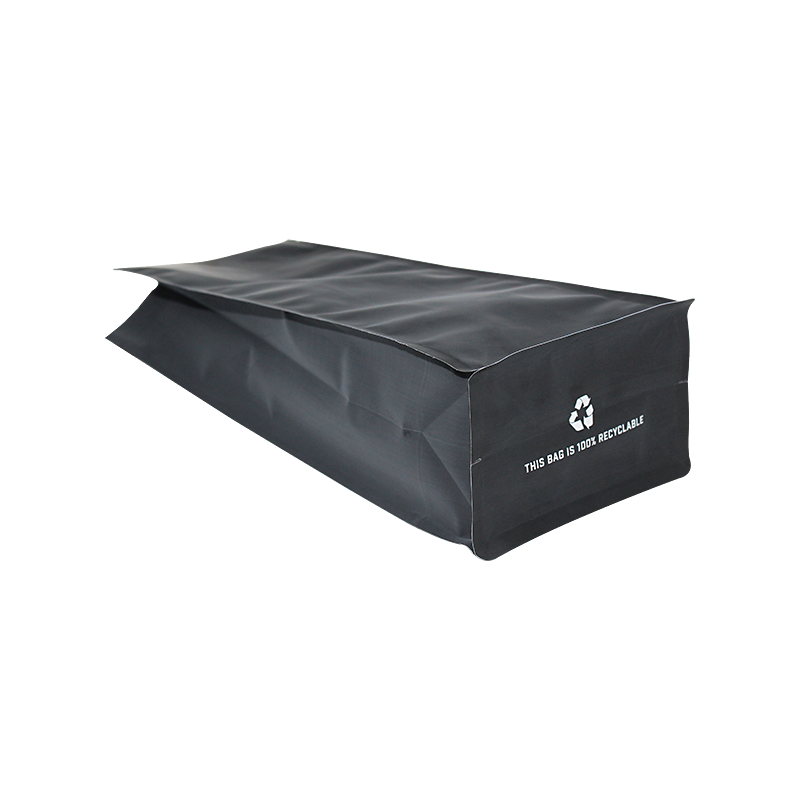
Design files → color proof → extrusion lamination (PE/EVOH/PE or PE/PE) → gravure printing → pouch conversion (Totani lines) → QC. Tests include thickness (ISO 4593), COF (ASTM D1894), dart impact (ASTM D1709), OTR/WVTR, and migration per EU 10/2011. Service life: around 12–18 months for dry goods; high-fat or flavored items may need enhanced barrier or nitrogen flushing—your mileage will vary.
Where they’re used
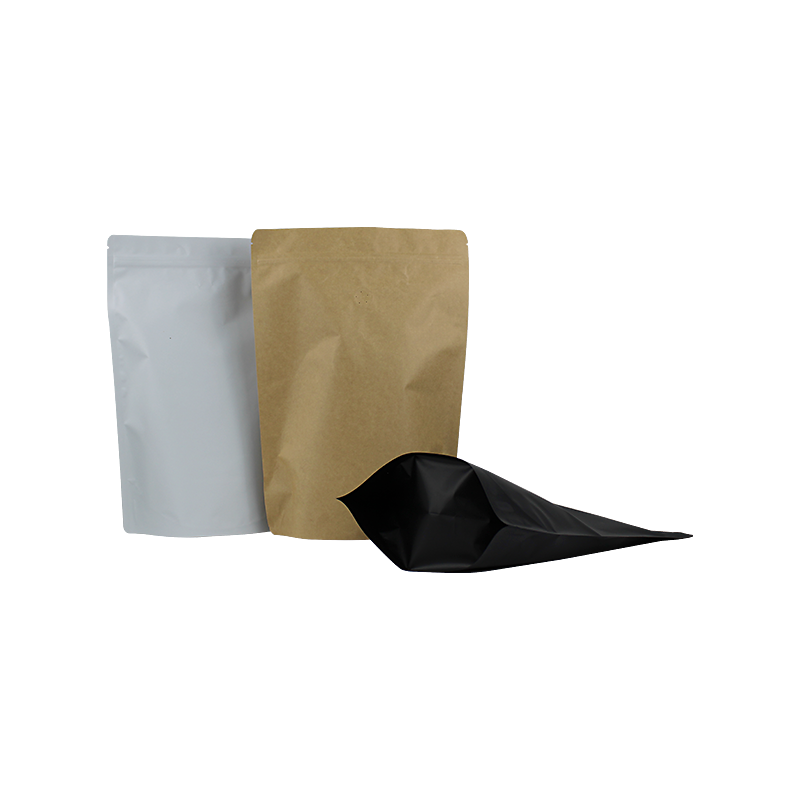
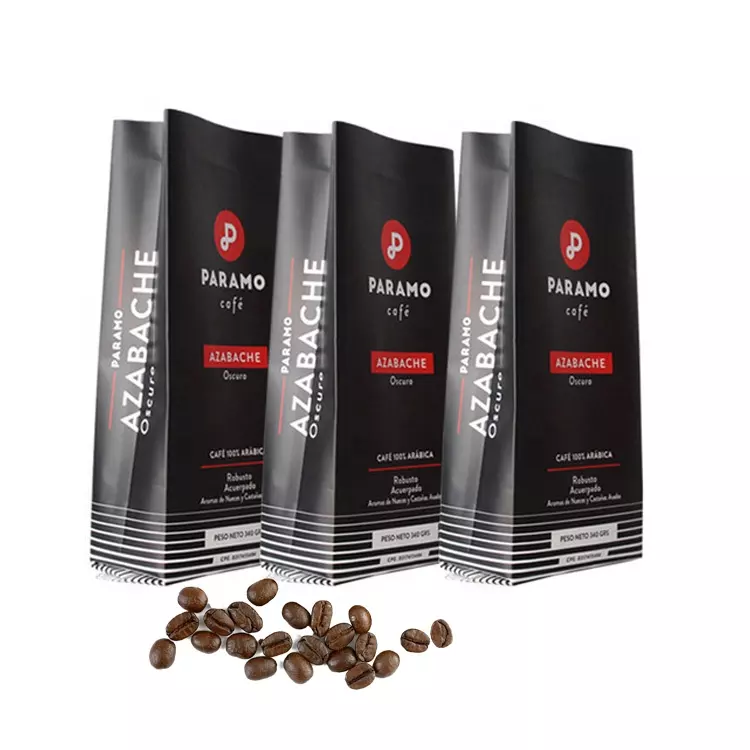
Recyclable Pouches are landing in coffee, pet food, snacks, powdered supplements, dry detergents, and refill formats for cosmetics. Stand-up presence plus flat-bottom stability—it’s a shelf-space win.
Vendor snapshot (buying realities)
| Vendor | MOQ | Lead time | Certs | Recyclability claim | Notes |
|---|---|---|---|---|---|
| DSL Packaging (Foshan) | ≈ 10k units | 15–25 days after artwork | EU 10/2011, FDA; internal QC ISO-like | Mono-PE/PP, APR/CEFLEX design-aligned | Strong on flat-bottom formats; competitive pricing |
| Vendor B (SE Asia) | 20k–30k | 25–35 days | BRCGS, ISO 22000 | Mono-PE; limited PP | Great print, higher plate costs |
| Vendor C (EU) | 5k–10k (digital) | 7–14 days | FSSC 22000, SMETA | PE/PE with EVOH | Fast for pilots; premium pricing |
Customization tips
Ask for matte/gloss hybrids, laser score for easy-open, and degassing valves for coffee. For graphics, digital helps sub-5k runs; gravure is cost-efficient above ~15k. If you need clear windows, confirm OTR impact—sometimes better to print faux window and keep barrier intact.
Mini case notes
Recyclable Pouches for a specialty coffee roaster: switched from PET/AL/PE to PE/EVOH/PE with PE zipper and valve. OTR dropped to ≈1.1 cc/m²·day; shelf life held at 10 months with nitrogen. Sell-through up 12% thanks to the flat-bottom billboard panel.
Recyclable Pouches for pet treats: mono-PE with matte finish, child-resistant zipper. Passed ASTM D1709 at 300 g; seal strength ≈6.5 N/15 mm. Retailer approved for front-of-store PE collection.
Reality check
Are Recyclable Pouches a silver bullet? Not quite. Local infrastructure varies, and EVOH levels must meet APR/CEFLEX thresholds. But if you want lower EPR fees and a credible sustainability story without wrecking your operations, this format is, in fact, working now.
Citations
- APR Design Guide for Plastics Recyclability
- CEFLEX “Designing for a Circular Economy” Guidelines
- RecyClass Recyclability Evaluation Criteria for Flexible PE
- EU 10/2011 on plastic materials intended to come into contact with food
- ASTM F88 Standard Test Method for Seal Strength of Flexible Barrier Materials



- No. 6 Hefu Road, Hengjiang Industrial Zone, Gaoming District, Foshan, Guangdong Province,China
- Tel: 86-133 3649 8096
- Email:enid@bc-pak.com
-


