
Comprehensive Guide to Gusseted Brown Paper Bags for Sustainable Packaging
Understanding Gusseted Brown Paper Bags: A Comprehensive Guide
Gusseted brown paper bags are a versatile packaging solution used across various industries, from retail and food service to manufacturing and agriculture. Their unique design, featuring side or bottom gussets, allows for increased capacity and stability compared to standard paper bags. This article will explore the benefits, types, applications, and considerations when choosing gusseted brown paper bags, providing a valuable resource for businesses seeking sustainable and functional packaging options. Choosing the right bag can significantly impact your product presentation and shipping efficiency.
The Benefits of Using Gusseted Brown Paper Bags
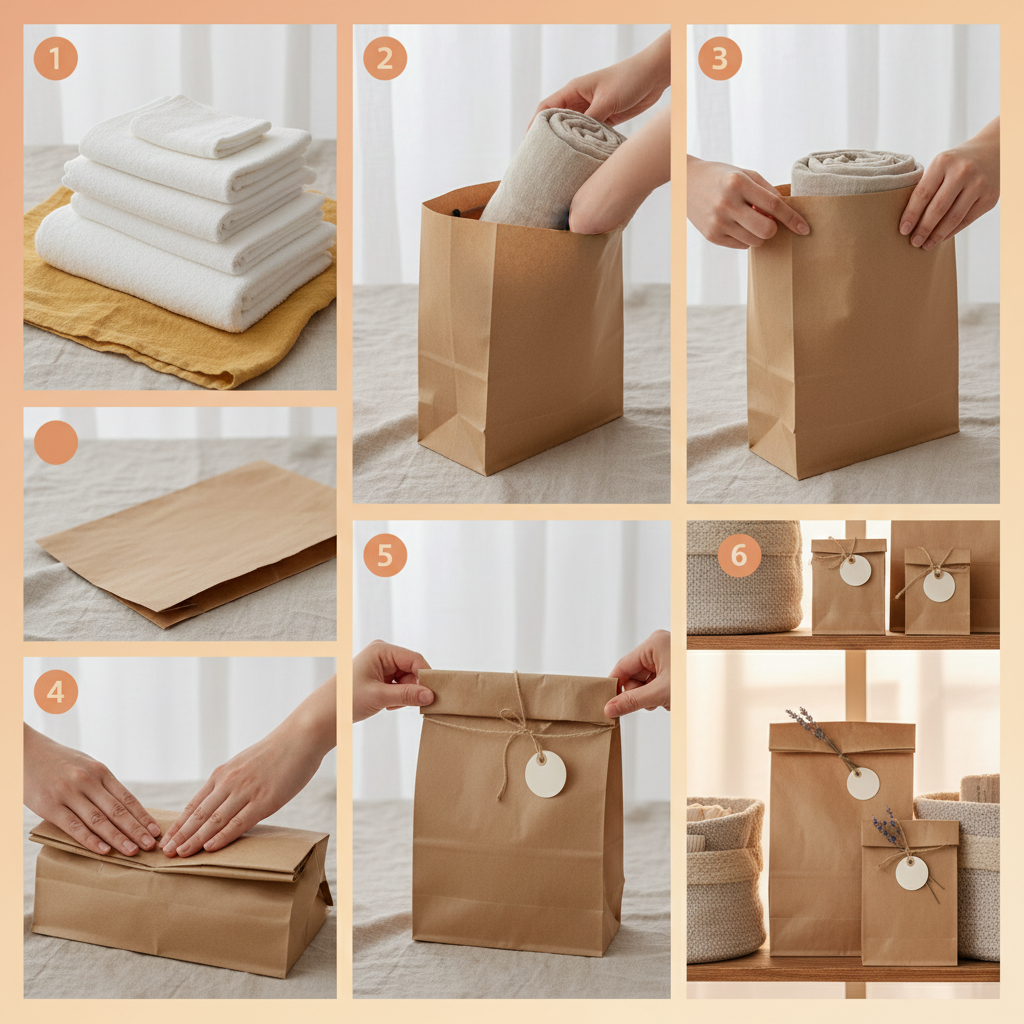
Gusseted brown paper bags offer a multitude of advantages. Firstly, the gussets – folds in the paper – create extra volume, enabling the bag to hold more product than a flat-bottomed bag of the same dimensions. This is particularly beneficial for irregularly shaped items or larger quantities. Secondly, they provide enhanced stability, reducing the risk of tipping or spilling during transport. Finally, these bags are an environmentally friendly alternative to plastic, being both recyclable and biodegradable. They present a natural, rustic aesthetic that is often favored by businesses aiming for an eco-conscious brand image. DSL Pack offers a variety of sizes and customization options to meet specific needs.
Key Highlights: Increased capacity thanks to gusseted design, enhanced stability, and environmentally friendly materials.
Types of Gusseted Brown Paper Bags
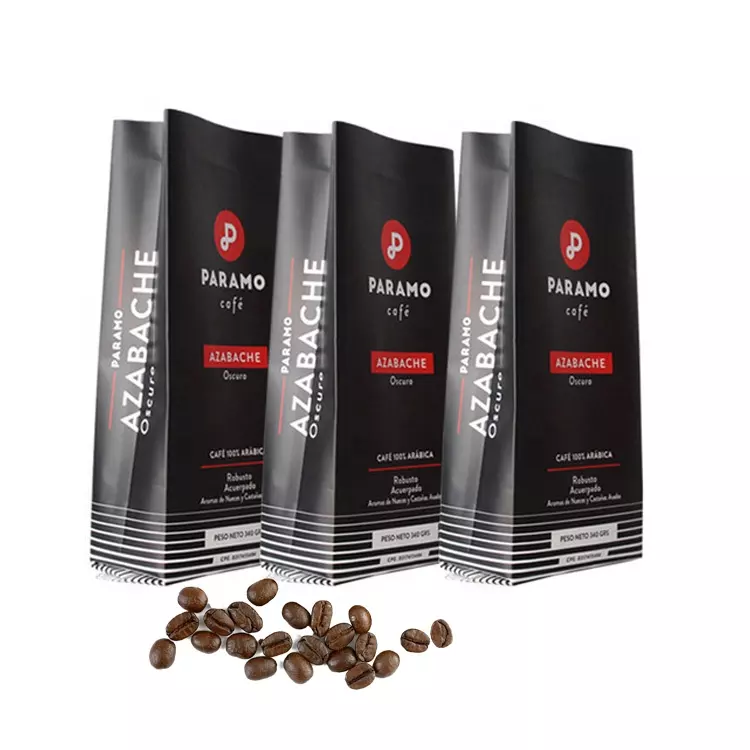
Gusseted brown paper bags come in several different configurations, each suited to specific applications. Side gusseted bags have folds on the sides, expanding the width of the bag. These are commonly used for groceries, baked goods, and clothing. Bottom gusseted bags have folds at the base, increasing the depth of the bag. This is ideal for products with height, such as coffee beans or pet food. There are also flat-bottom gusseted bags, which combine both side and bottom gussets for maximum volume and stability. Finally, bags can be equipped with twisted or flat handles, or no handles at all, depending on how they will be carried.
Gusseted Bag Types:
• Side Gusseted
• Bottom Gusseted
• Flat-Bottom Gusseted
Gusseted Brown Paper Bags: A Comparison with Standard Bags
Understanding the differences between gusseted and standard paper bags is crucial when making a packaging decision. Gusseted bags offer significantly more space for products, especially those with irregular shapes. Standard bags, while cost-effective for simple items, can struggle to accommodate bulky or oddly-shaped goods. The added stability of gusseted bags reduces the likelihood of spills or damage during transportation, which is a critical consideration for businesses dealing with fragile or valuable items. Furthermore, the enhanced presentation of gusseted bags can contribute to a more premium brand image.
Applications of Gusseted Brown Paper Bags Across Industries
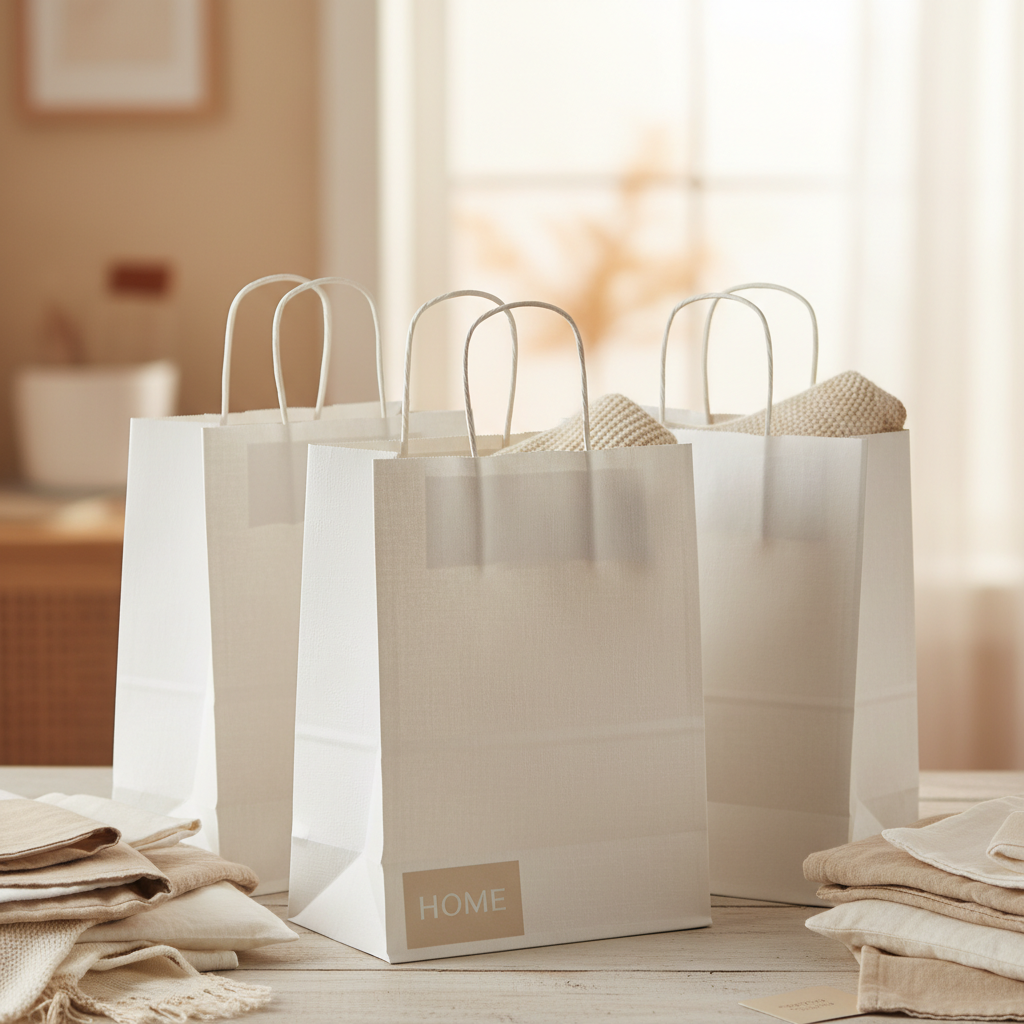
The adaptability of gusseted brown paper bags makes them ideal for a diverse array of industries. In the food service sector, they are commonly used for takeaway orders, sandwiches, pastries, and produce. Retail stores utilize them for clothing, books, and gift items. Agricultural businesses employ them for packaging seeds, fertilizer, and other bulk materials. Furthermore, they are becoming increasingly popular in e-commerce for shipping a variety of products, offering a sustainable and aesthetically pleasing packaging option. They can be customized with printing to showcase branding and product information.
Choosing the Right Gusseted Brown Paper Bag: Key Considerations
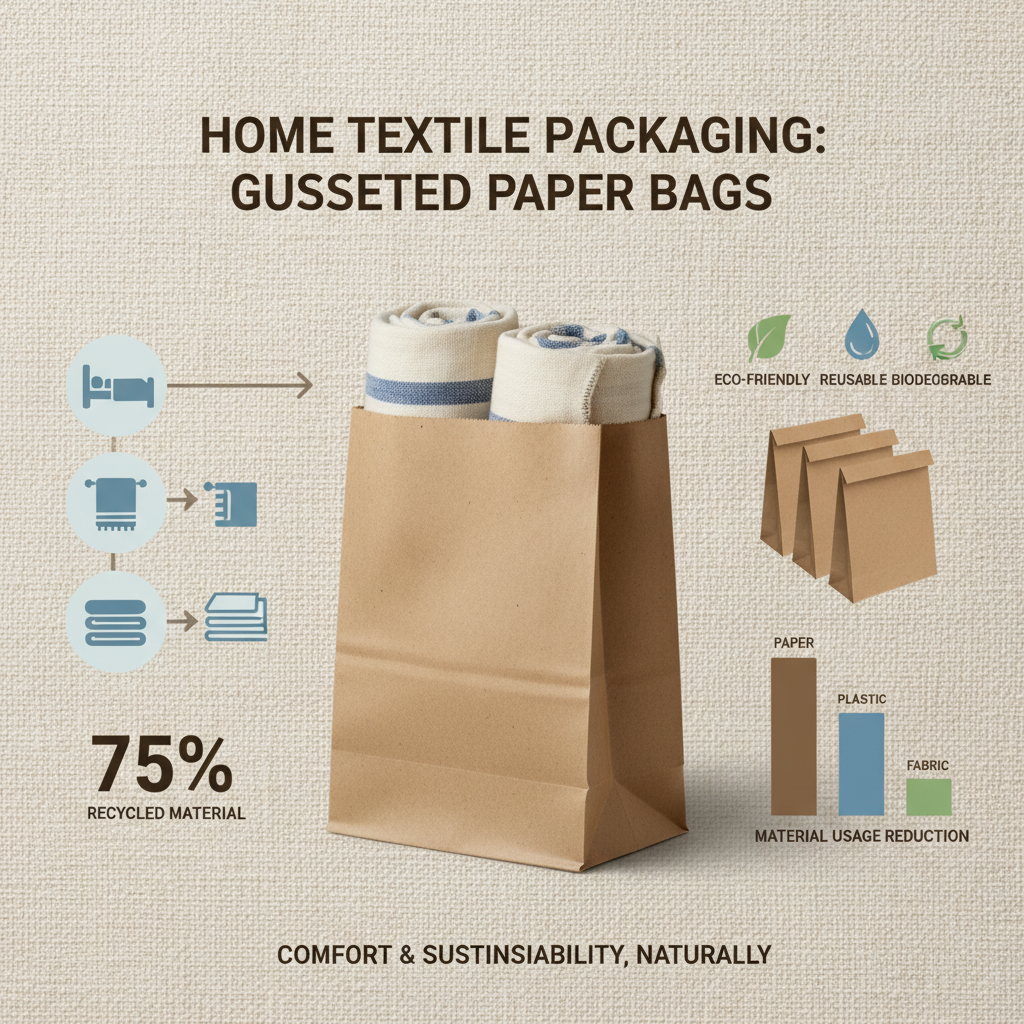
Selecting the optimal gusseted brown paper bag requires careful consideration of several factors. First, determine the weight and dimensions of the products you will be packaging. This will dictate the required bag size and strength. Next, consider the type of gusset – side, bottom, or flat-bottom – based on the shape and volume of your products. Also, think about the handle options – twisted paper, flat paper, or no handle – depending on how the bag will be carried. Finally, consider customization options, such as printing your logo or brand messaging, to enhance brand recognition. DSL Pack provides expert guidance to help you make the best choice for your specific needs.
Conclusion: A Sustainable and Versatile Packaging Solution
Gusseted brown paper bags offer a compelling combination of functionality, sustainability, and aesthetic appeal. Whether you're in the food service industry, retail, agriculture, or e-commerce, these bags provide a versatile packaging solution that can enhance your brand image and improve your operational efficiency. DSL Pack is your trusted partner for high-quality, customizable gusseted brown paper bags.
Frequently Asked Questions (FAQs)
Are gusseted brown paper bags truly eco-friendly?
Yes, gusseted brown paper bags are a significantly more sustainable option compared to plastic bags. They are made from a renewable resource – wood pulp – and are both recyclable and biodegradable. When disposed of properly, they break down naturally, reducing landfill waste. However, it’s important to note that the environmental impact of paper production includes energy and water consumption, so responsible sourcing and recycling are key to maximizing their eco-friendliness. Choosing bags made from recycled content further enhances their sustainability.
Can gusseted brown paper bags be customized with printing?
Absolutely! Gusseted brown paper bags can be readily customized with printing, allowing you to showcase your logo, brand messaging, and product information. DSL Pack offers a range of printing options, including one-color, multi-color, and full-color printing. Customization enhances brand recognition and creates a more professional and appealing packaging solution. Consider the size and complexity of your design when choosing a printing method.
What weight capacity should I look for in a gusseted brown paper bag?
The appropriate weight capacity depends on the products you’ll be packaging. Always check the bag’s specifications before use. As a general guideline, lighter-weight bags are suitable for pastries, sandwiches, and small retail items, while heavier-weight bags are recommended for bulk foods, heavier retail goods, and items that require extra durability. It’s always best to choose a bag with a weight capacity that exceeds the actual weight of the contents to ensure safe transport.
How should I store gusseted brown paper bags to maintain their quality?
To preserve the quality of your gusseted brown paper bags, store them in a cool, dry place away from direct sunlight and moisture. Avoid stacking them in damp environments, as this can cause the paper to weaken. Keeping them flat or loosely rolled is preferable to tightly compressing them. Proper storage ensures the bags remain strong and maintain their integrity for extended use.




- No. 6 Hefu Road, Hengjiang Industrial Zone, Gaoming District, Foshan, Guangdong Province,China
- Tel: 86-133 3649 8096
- Email:enid@bc-pak.com
-


