
Ultimate Guide to Using High Quality gusseted bread bags
Maximizing Freshness: The Ultimate Guide to Gusseted Bread Bags
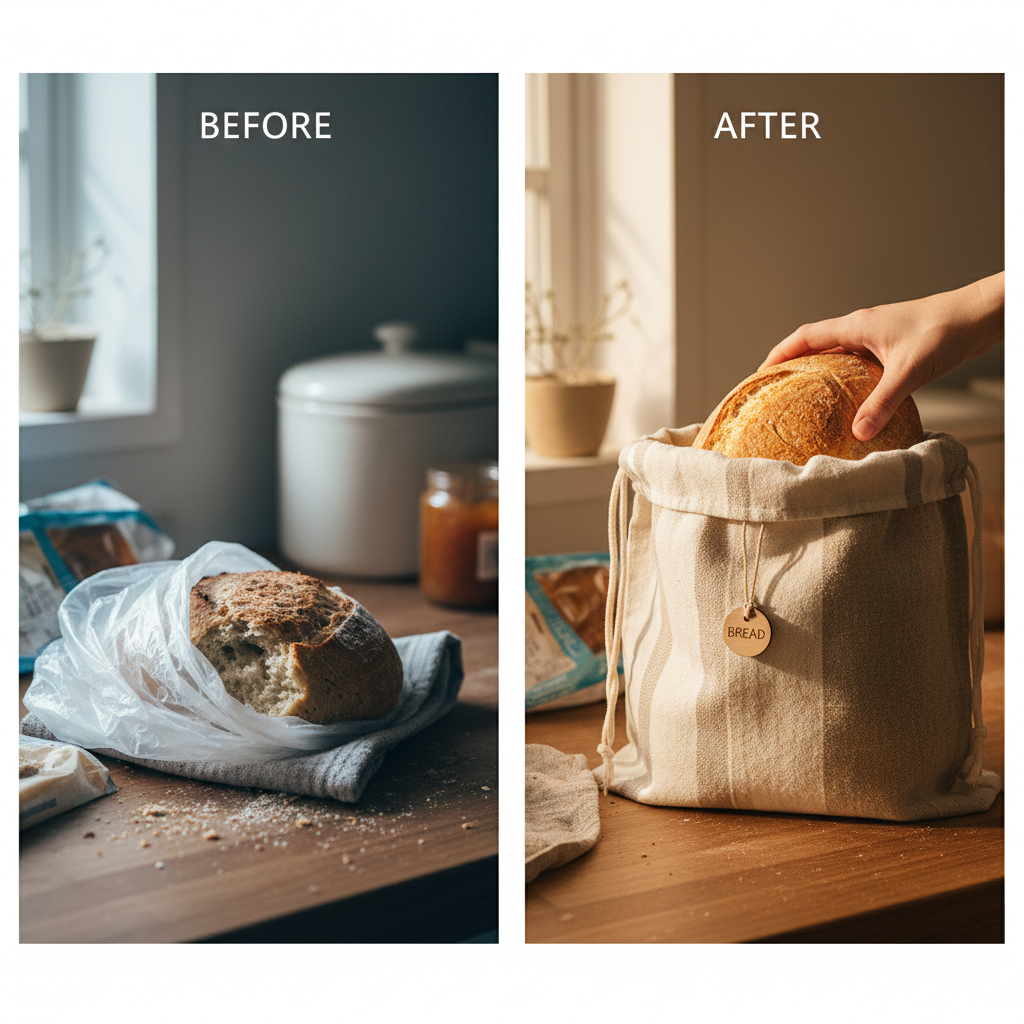
For bakeries and artisanal bread makers, presentation and preservation are the two pillars of success. Choosing the right packaging is not just about aesthetics; it is about maintaining the crust's integrity and the crumb's moisture. gusseted bread bags offer a superior structural advantage over flat bags, allowing bulky loaves to fit comfortably without compressing the delicate edges of the bread. Whether you are selling sourdough, baguettes, or brioche, understanding how these bags work can significantly reduce food waste and increase customer satisfaction. In this guide, we will explore why gusseted designs are the industry standard for high-quality bakery packaging.
What Exactly Are Gusseted Bread Bags?
A "gusset" is essentially an extra fold of material integrated into the sides or bottom of a bag. Unlike standard flat bags, gusseted bread bags expand when filled, creating a three-dimensional shape that mimics the dimensions of the loaf. This design prevents the bread from being squashed, which is critical for maintaining the visual appeal of artisanal products. These bags are typically available in various materials, including clear polypropylene for visibility or kraft paper for a rustic, organic feel. By providing more internal volume, they ensure that the packaging doesn't put undue pressure on the product, preserving the "oven-fresh" look for longer.
Pro Tip: Side-gusseted bags are ideal for tall, narrow loaves like baguettes, while bottom-gusseted bags are better for wider, heavier sourdough boules as they allow the bag to stand upright on shelves.
Key Benefits of Using Gusseted Bread Bags
The transition to gusseted bread bags provides several operational and marketing advantages. Firstly, they enhance shelf stability; bags with bottom gussets can stand vertically, maximizing retail space and improving visibility for the consumer. Secondly, they offer better protection; by eliminating the tight squeeze of flat packaging, the risk of the crust cracking or the bread tearing is minimized. Additionally, the increased volume allows for easier insertion, speeding up the packaging process in high-volume commercial bakeries. This efficiency leads to lower labor costs and a more streamlined production line.
Efficiency Gains:
• Reduced Product Damage: Less compression means fewer damaged crusts.
• Enhanced Branding: Better shape provides a more professional look.
• Improved Storage: Stand-up capabilities optimize shelf usage.
• Faster Packing: Wider openings make loading loaves effortless.
Comparing Gusseted vs. Flat Bread Packaging
When deciding between packaging types, it is essential to look at the practical impact on the product. Flat bags are often cheaper and sufficient for small rolls or thin slices. However, for whole loaves, the lack of depth in flat bags often leads to "corner crushing." In contrast, gusseted bread bags distribute the weight of the bread more evenly. This prevents the packaging from stretching or tearing under the pressure of a large loaf. The following table illustrates the stark differences in performance between these two common options.
Material Choices for Your Bread Bags
Selecting the right material for your gusseted bread bags depends on the type of bread and the desired shelf life. Polypropylene (PP) is highly favored for its crystal-clear transparency, allowing the golden crust of the bread to shine through, which triggers appetite and drives impulse purchases. For those pursuing an eco-friendly image, Kraft paper with a PE lining provides a rustic look while still offering a moisture barrier to prevent the bread from drying out. Additionally, some high-end bakeries use perforated films that allow a controlled amount of air exchange, preventing condensation that can make the crust soggy.
Technical Specifications of Bread Packaging
To ensure a perfect fit, you must match the bag dimensions to your specific loaf size. A standard gusseted bread bag specification includes the width, height, and the depth of the gusset. If the gusset is too small, you lose the benefits of the 3D shape; if it is too large, the bag may look empty. Quality bags also feature reinforced side seams to ensure they don't split during transport. Below are the typical specifications for various common bread types.
Sustainable Trends in Bread Packaging
The modern consumer is increasingly conscious of plastic waste. Consequently, the demand for biodegradable and compostable gusseted bread bags has skyrocketed. Many bakeries are now switching to PLA (polylactic acid) plastics, which are derived from corn starch rather than petroleum. These materials maintain the structural benefits of a gusseted design—such as the stand-up capability and volume—while ensuring that the packaging can be broken down in industrial composting facilities. By adopting sustainable packaging, brands not only help the environment but also build stronger loyalty with eco-conscious customers.
Conclusion: Elevate Your Bakery with the Right Packaging
Investing in high-quality gusseted bread bags is a simple yet powerful way to improve your product's perceived value. By preventing compression, enhancing shelf display, and offering material flexibility, gusseted bags ensure that your bread reaches the customer in the best possible condition. Whether you prioritize clarity, rustic appeal, or sustainability, the gusseted design provides the necessary space and support that flat bags simply cannot match. Choose a packaging partner that understands the science of freshness and the art of presentation.
Frequently Asked Questions (FAQs)
What is the main difference between side gussets and bottom gussets?
Side gussets are folds located on the left and right sides of the bag, which allow it to expand outward. These are typically used for longer, narrower items like baguettes or specialty loaves. Bottom gussets, on the other hand, are folds at the base of the bag. When opened, the bottom gusset creates a flat base, allowing the bag to stand upright on a retail shelf. This is ideal for round sourdough boules or square sandwich loaves, as it provides better stability and a more attractive vertical display for the consumer.
Do gusseted bread bags help in extending the shelf life of bread?
Yes, they do, primarily through the selection of materials and the fit. Because gusseted bread bags provide a more natural fit, they reduce the likelihood of the bag tearing or leaking air due to pressure. When paired with the right material—such as moisture-barrier plastics or perforated films—they can regulate humidity. This prevents the bread from drying out too quickly (staling) or becoming too moist (which leads to mold). Proper packaging is essential for maintaining the delicate balance of moisture and air.
Can I customize the printing on my gusseted bread bags?
Absolutely. Most professional packaging suppliers offer custom printing options for gusseted bags. Because these bags have a larger visible surface area when expanded, they provide an excellent canvas for your brand logo, nutritional information, and storytelling elements. You can choose between flexographic printing for high-volume runs or digital printing for smaller, artisanal batches. Adding a professional design to your bags not only helps with brand recognition but also allows you to communicate the quality and origin of your ingredients directly to the buyer.
Are these bags compatible with automatic packing machines?
Yes, gusseted bread bags are widely compatible with most modern automated bagging and sealing equipment. The expanding nature of the gusset actually makes them easier for machine grippers to handle and load compared to tight flat bags. However, it is always recommended to provide your packaging supplier with the specifications of your machinery to ensure the bag's dimensions and material thickness are optimized for your specific production line, ensuring a seamless and fast packaging process.



- No. 6 Hefu Road, Hengjiang Industrial Zone, Gaoming District, Foshan, Guangdong Province,China
- Tel: 86-133 3649 8096
- Email:enid@bc-pak.com
-


