
Gusset Bag Packaging: Food-Safe, Custom Printed, Eco Options
A Practical Insider’s Guide to Gusset Bag Packaging for Modern Brands
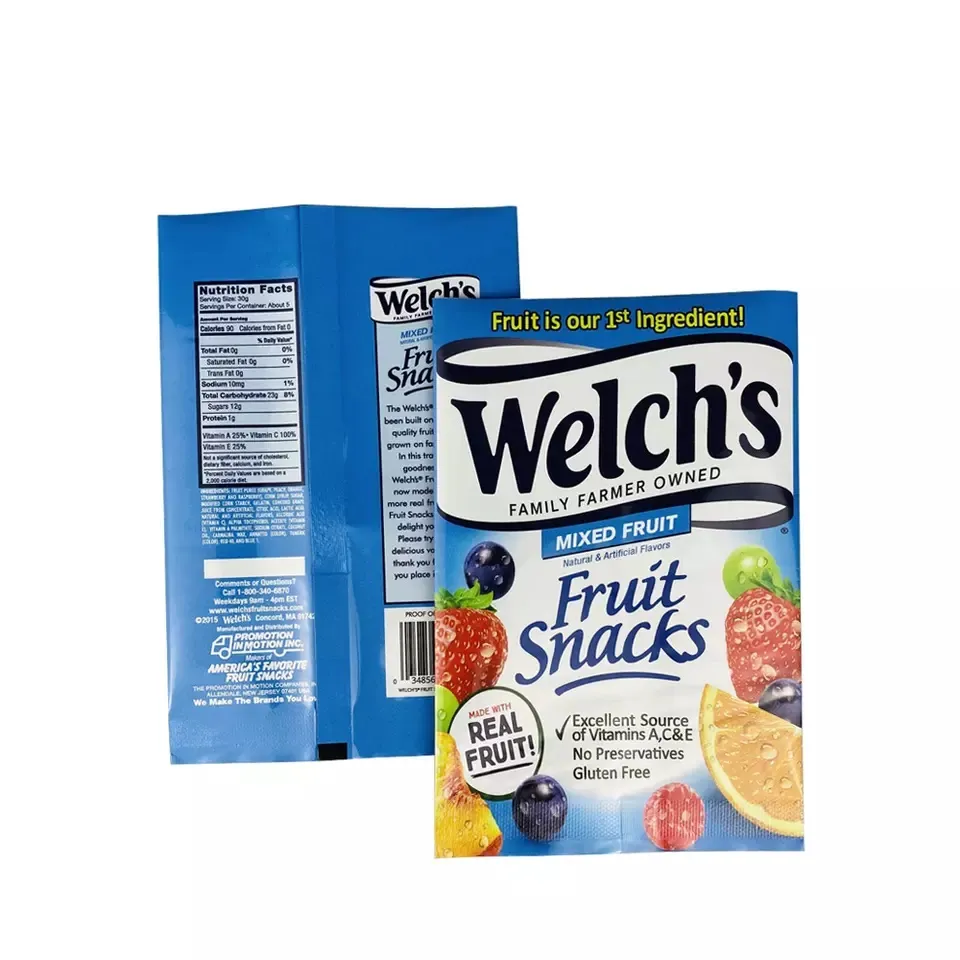
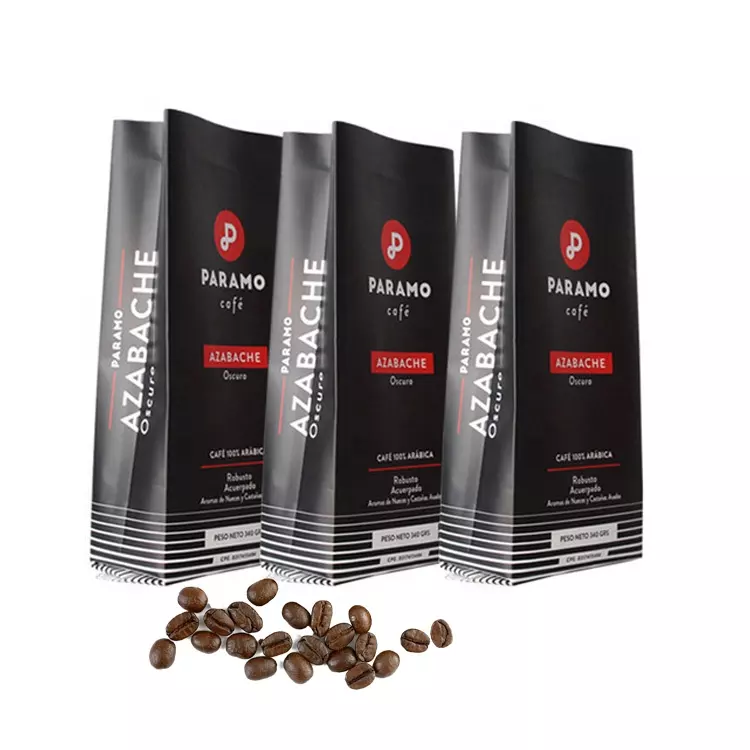
If you’ve spent time around roasters, nutraceutical co-packers, or spice blenders, you’ll know the quiet workhorse of the shelf is the unassuming pouch. And yes, Gusset Bag Packaging is still having a moment—because it protects, ships flat, looks great, and frankly, works.
What’s trending (and what actually matters)
Short story: barrier plus branding. Coffee and specialty foods want low OTR/WVTR and bold inks. Sustainability talk is real, though most brands still choose laminated structures that balance barrier and cost. Many customers say “we want recyclable,” but then specify a 12–18 month shelf life for coffee—so choices get… nuanced.
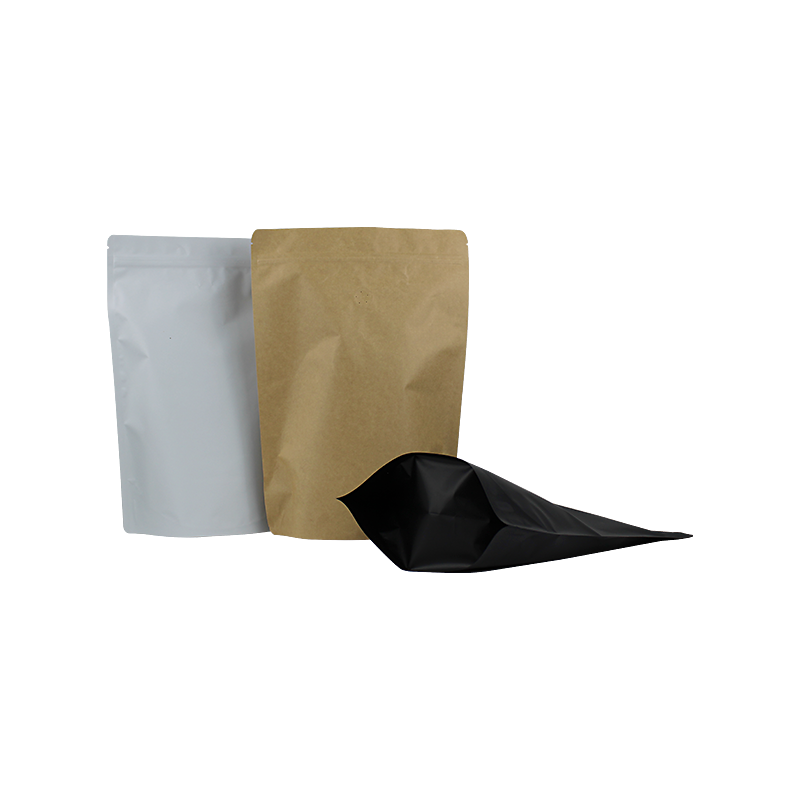
Product snapshot: Customized Printing 3 Side Seal & Fin Seal Bags
Item No. 00099, built around food-grade PET, PA, PE, BOPP, CPP, VMPET, and foil—EU and FDA compliant. Printed up to 10 colors. Often used alongside Gusset Bag Packaging formats when projects mix SKUs (sachets + gusseted stand-ups or side-gussets).
| Bag Styles | 3-side seal, Fin seal; optional side/bottom gussets for volume SKUs |
| Materials | PET/AL/PE, PET/VMPET/PE, BOPP/CPP, PA/PE (food-grade) |
| Thickness | ≈60–150 μm (real-world use may vary by fill weight) |
| Barrier | OTR ≈0–5 cc/m²·day; WVTR ≈0–2 g/m²·day (structure-dependent) |
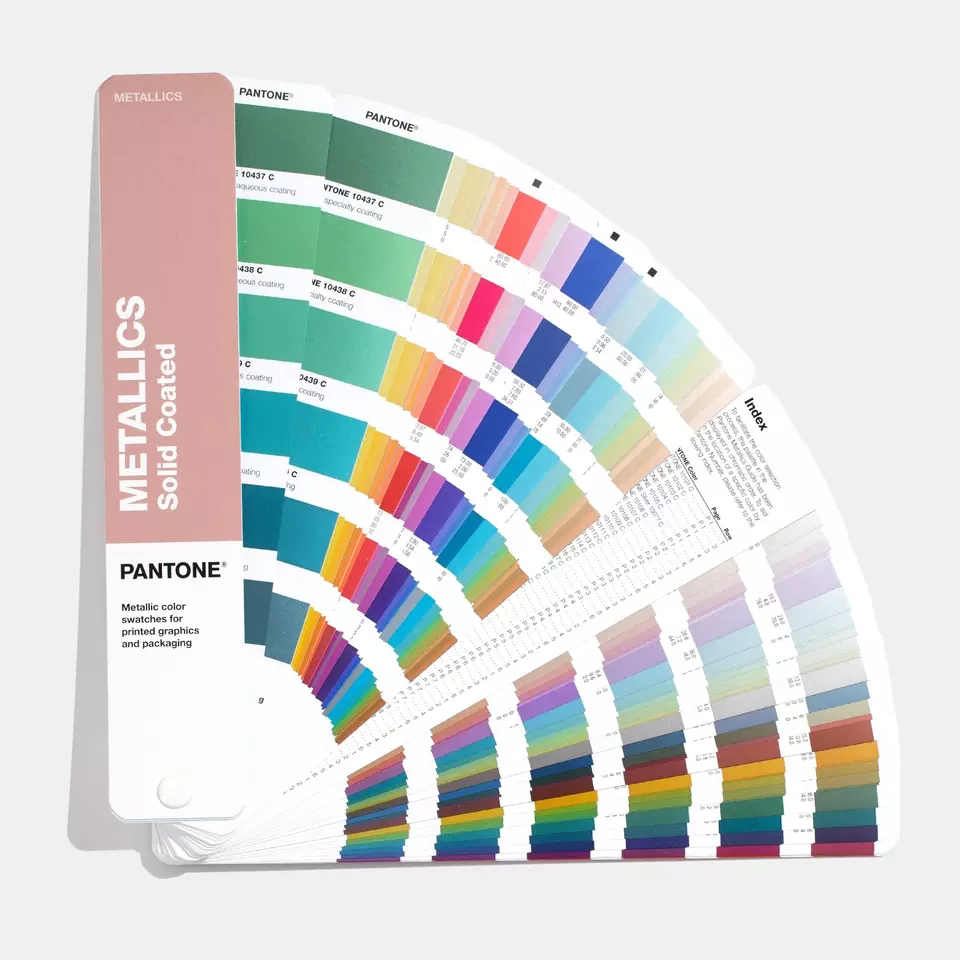
| Printing | Up to 10 colors, matte/gloss, spot metallic, registered window |
| Suitable for | Coffee, spices, herbs, tea |
| Food-safe & Compliance | Yes; EU 10/2011, FDA 21 CFR contact materials |
| Service life | Shelf life extension around 6–18 months (product-dependent) |
| Origin | No. 6 Hefu Road, Hengjiang Industrial Zone, Gaoming District, Foshan, Guangdong, China |
Process flow (how it’s actually made)
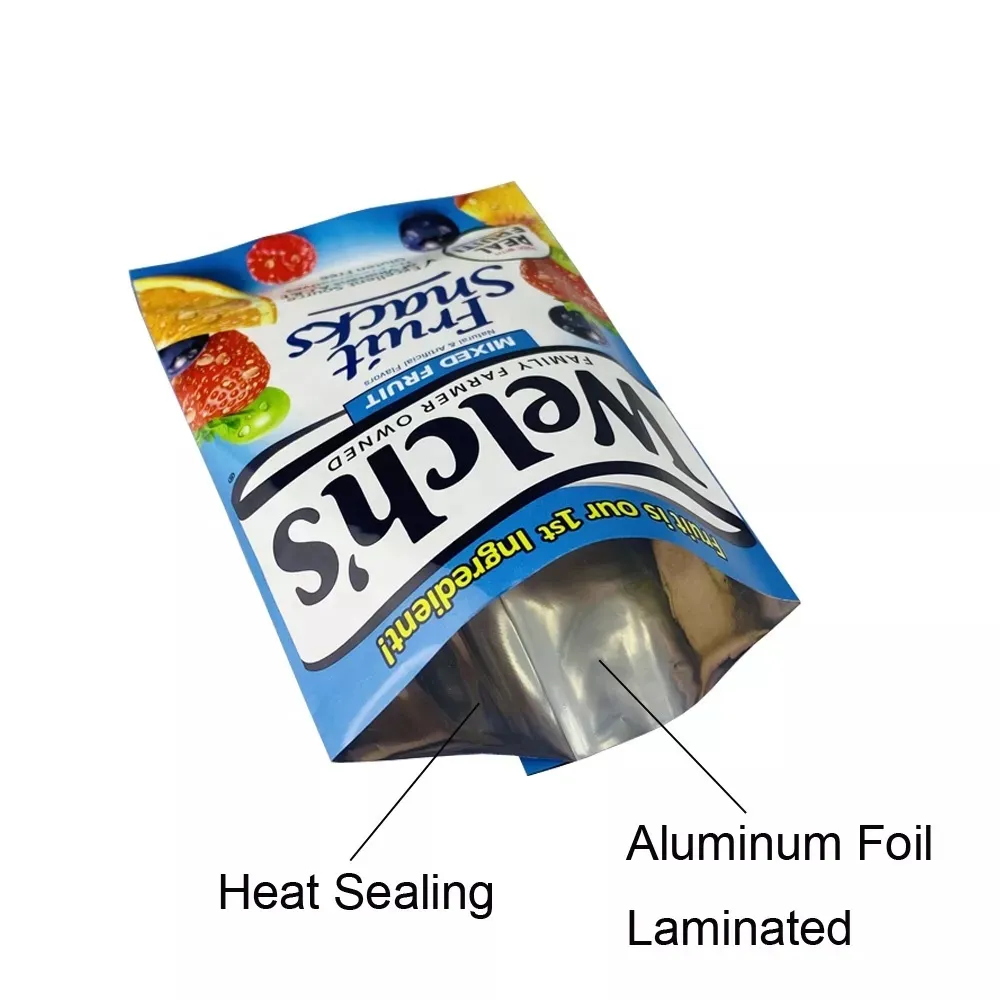
- Materials: select films (PET, PA, BOPP) + barrier layer (VMPET or foil) + sealant (PE/CPP).
- Printing: up to 10 colors, solvent or toluene-free inks; precise color targets.
- Lamination: adhesive or solventless; cure to achieve bond strength.
- Conversion: pouch making—3-side seal, fin seal; add degassing valves/zip as needed.
- QC & Testing: seal strength (ASTM F88), tensile (ASTM D882), WVTR (ASTM F1249), OTR (ASTM D3985), migration per EU/FDA.
Typical coffee data I’ve seen: OTR
Applications and advantages
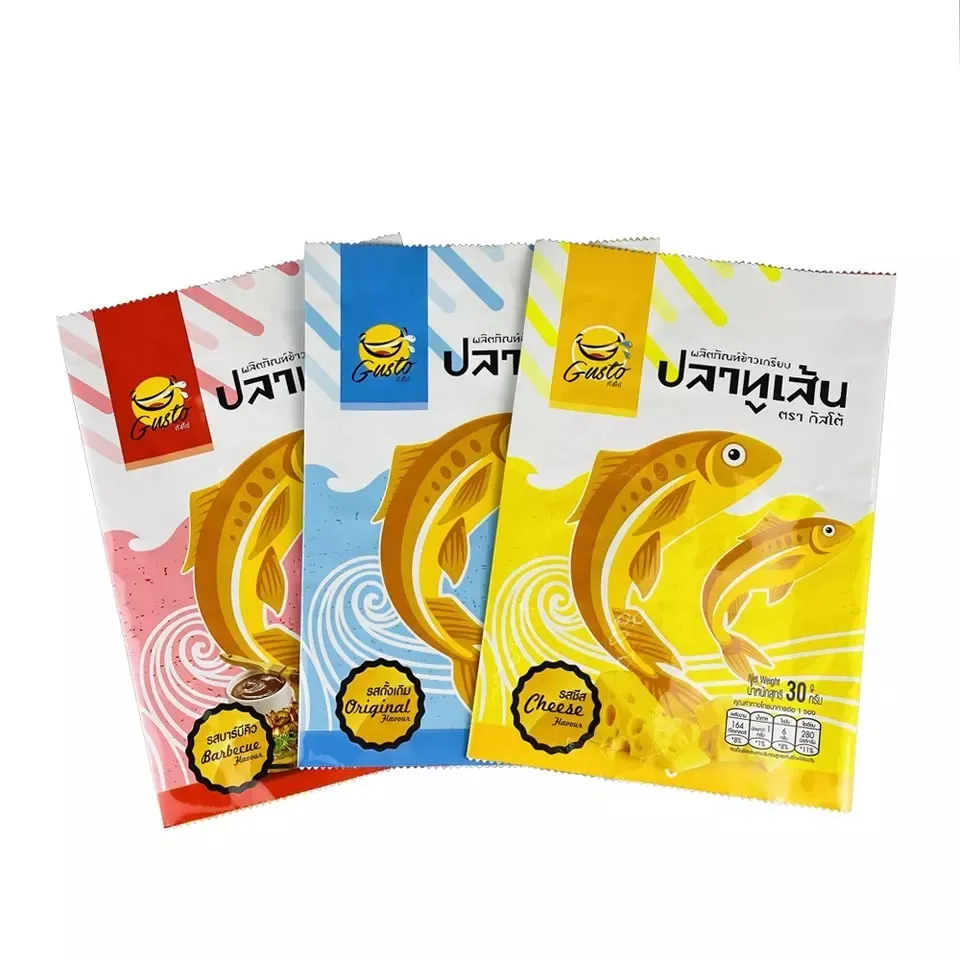
Coffee roasters, spice mills, tea brands, and nutraceuticals lean on Gusset Bag Packaging for upright shelf presence, flexible fill volumes, and stable palletizing. Advantages: strong barrier, flat shipping, high-impact print, and easy line changeovers.
Quick case notes
- Coffee roaster (12 oz): swapped to foil + valve; staling complaints dropped ≈23% in 90 days.
- Herb packer: moved from rigid jars to Gusset Bag Packaging; freight volume reduced around 60%.
Vendor landscape (real-world differences)
| Factor | DSL Pack (Item 00099) | Vendor A | Vendor B |
|---|---|---|---|
| Lead time | ≈15–25 days after artwork | ≈20–30 days | ≈25–35 days |
| Print colors | Up to 10 | Up to 8 | Up to 10 |
| QC & tests | F88, D882, F1249, D3985 documented | Basic seal checks | F88 + migration |
| Certs | EU/FDA food-contact; HACCP/ISO, typically | FDA only | EU only |
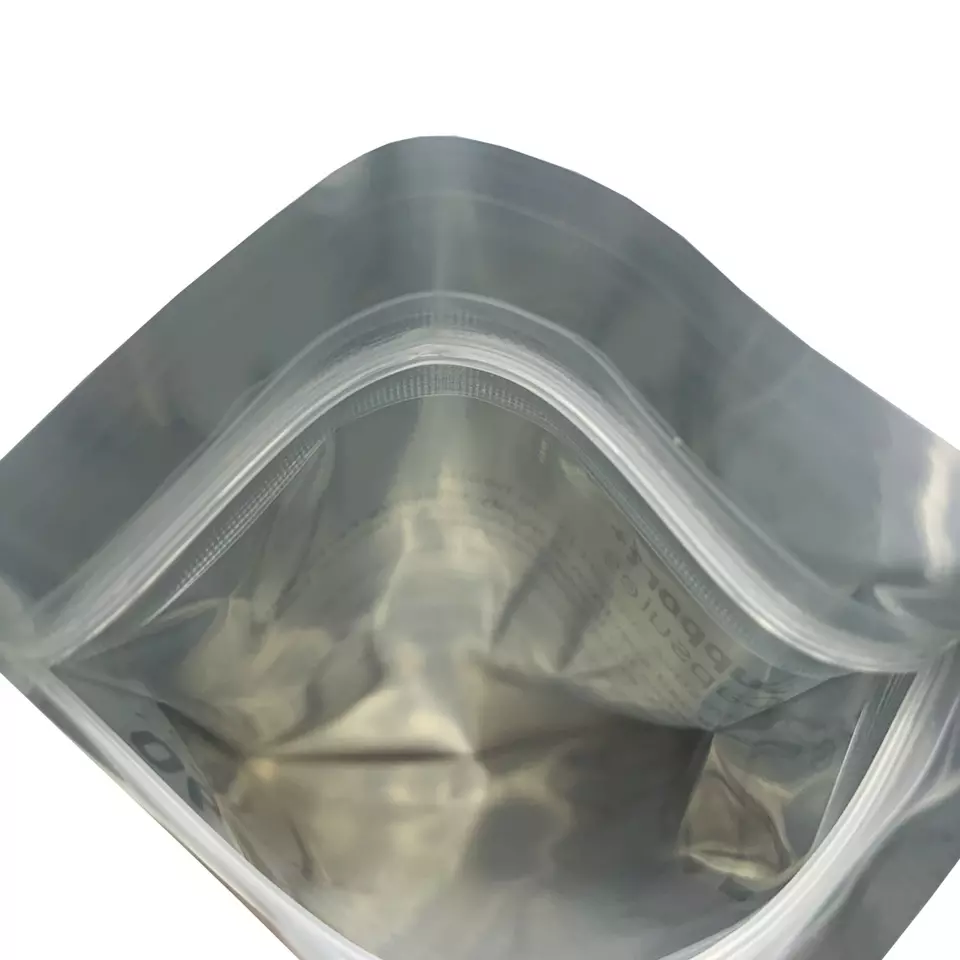
Customization tips
- Choose structure by product: foil for coffee oils; VMPET for dry spices.
- Consider add-ons: degassing valves, laser scoring, zip, euro hole.
- For Gusset Bag Packaging, confirm fill density to set gusset width and bottom geometry.
Origin matters for audits: production at No. 6 Hefu Road, Hengjiang Industrial Zone, Gaoming District, Foshan, Guangdong, China—handy when procurement asks “where exactly?”
Customer feedback, briefly
It seems that print consistency and zipper alignment are what people judge first. Surprisingly, many ops leads care more about case pack counts and pallet fit than anything else. Fair point.
- EU Regulation No 10/2011 on plastic materials intended to come into contact with food
- FDA 21 CFR 177 – Indirect food additives: polymers
- ASTM F88/F88M – Seal Strength of Flexible Barrier Materials
- ASTM F1249 – Water Vapor Transmission Rate through Plastic Film
- ASTM D3985 – Oxygen Gas Transmission Rate through Plastic Film




- No. 6 Hefu Road, Hengjiang Industrial Zone, Gaoming District, Foshan, Guangdong Province,China
- Tel: 86-133 3649 8096
- Email:enid@bc-pak.com
-


