
Aseptic Bag for Liquid Food | Sterile, High Barrier, Durable
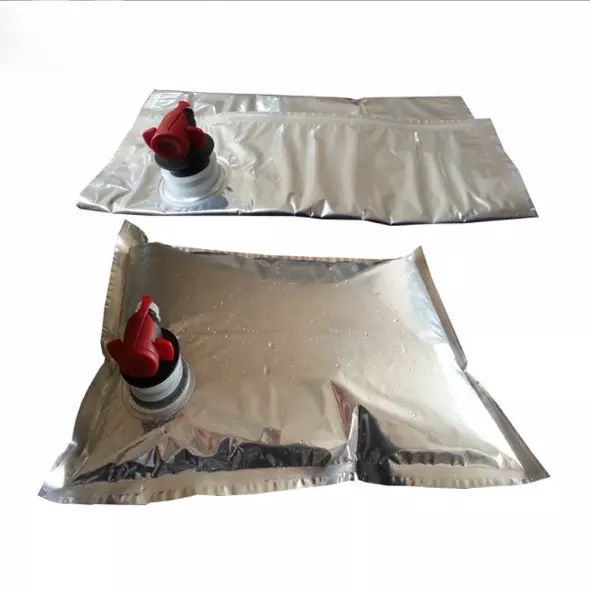
The quiet workhorse of sterile supply chains: Aseptic Bag technology in real life
If you’ve ever wondered how tomato paste, dairy bases, or fruit purees arrive tasting fresh months later, you’re not alone—I ask these questions for a living. The truth is, the humble Aseptic Bag is doing most of the heavy lifting. And lately, the industry is shifting fast: easier-peel laminates, higher barrier films, and smarter fitments are becoming standard. Many customers say the biggest surprise isn’t the sterility—it’s the reduction in product loss during filling and transport.
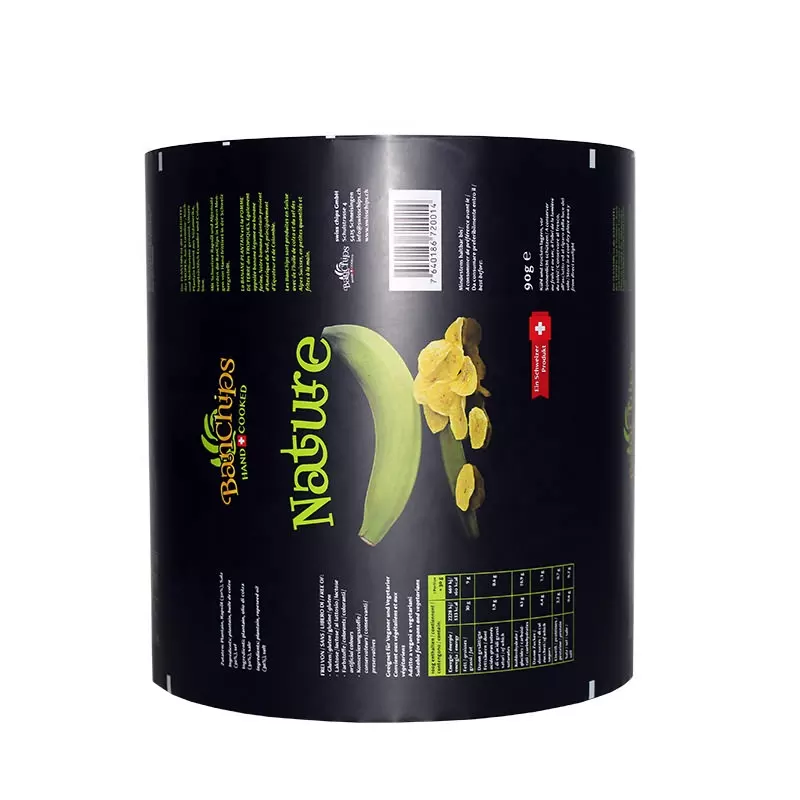
Why Easy-Peel films matter for Aseptic Bag systems
I recently toured a converter in Foshan, China (No. 6 Hefu Road, Hengjiang Industrial Zone, Gaoming District—yes, that one), where Easy Peel Roll Stock Film is laminated into liners and lidding for Aseptic Bag formats. The peelable top layer keeps seals dependable but, well, manageable—line operators aren’t wrestling with tear-prone seals anymore, and QA loves the consistency.
Typical product specifications (roll stock used to build Aseptic Bag laminates)
| Item | 00098 Easy Peel Roll Stock Film |
| Materials | PET / PA / PE / BOPP / CPP / VMPET / Foil (food-grade, EU & FDA compliant) |
| Thickness | Custom, typically 70–180 μm (≈ real-world varies by barrier target) |
| Peel strength | 0.8–2.5 N/15 mm (ASTM F88, line settings dependent) |
| Barrier | OTR ≈ 0.1–1.0 cc/m²·day (ASTM D3985); WVTR ≈ 0.2–1.5 g/m²·day (ASTM F1249), depending on foil/VMPET |
| Seal window | 110–160°C (equipment, dwell, and layer stack affect results) |
| Sizes | 0.5 oz to 30 kg equivalent formats; widths per order |
| Compliance | FDA 21 CFR; EU 10/2011; food-safe |
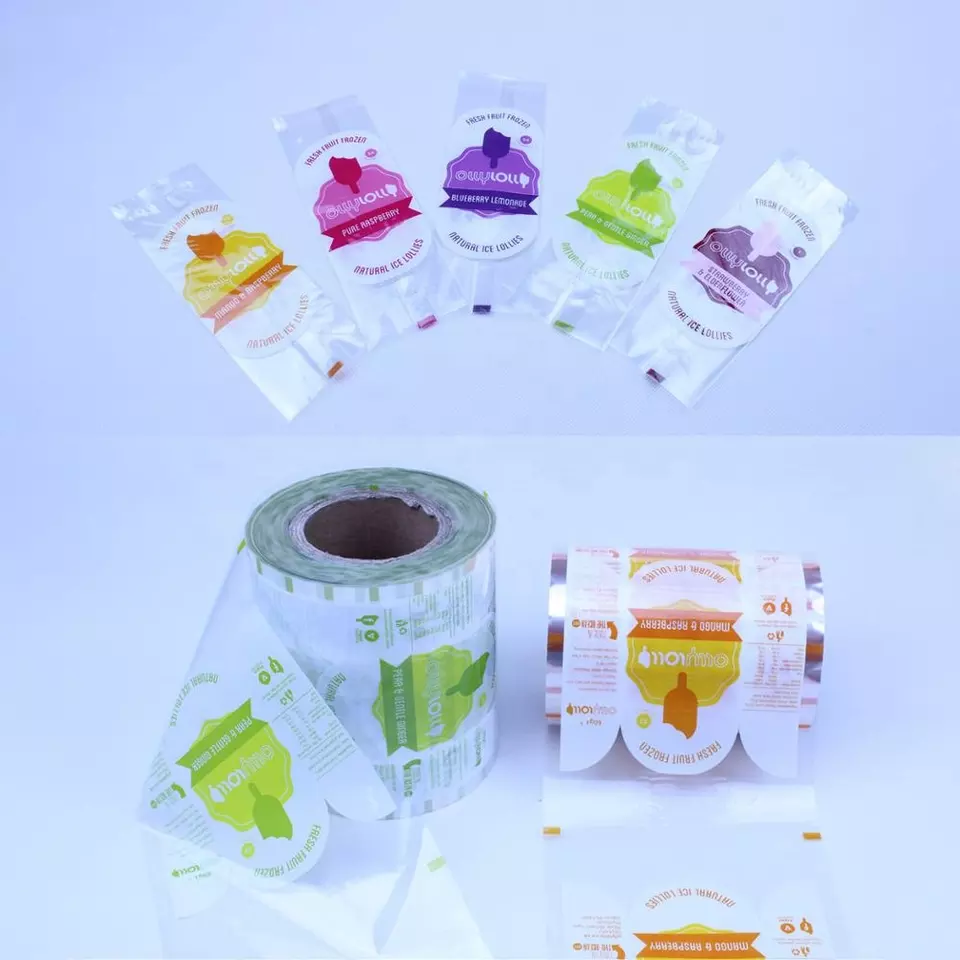
From resin to filled Aseptic Bag: the process (short version)
- Materials: PET for stiffness/print, PA for puncture, PE/CPP for seal, VMPET or Foil for barrier. PCR content is trending, to be honest, but availability still fluctuates.- Methods: Co-extrusion and solvent-free lamination; corona treatment for adhesion; easy-peel lacquer where applicable.
- Sterility: Bags and fitments are sterilized (e.g., H2O2, gamma, or E-beam as validated); filled in aseptic rooms with positive pressure and HEPA.
- Testing: ASTM F88 (seal), F1921 (burst), D3985 (OTR), F1249 (WVTR), EN 1186 (overall migration). Many plants run HACCP and ISO 22000 audits.
- Service life: Typically 6–18 months depending on product acidity, dissolved oxygen, and barrier stack—wine and tomato paste love foil layers.
- Industries: Dairy bases, UHT beverages, fruit puree, tomato paste, flavorings, nutraceutical slurries, even pharma intermediates (with extra validation).
Applications and real feedback
In bag-in-box or bag-in-drum lines, the Aseptic Bag reduces oxygen pickup during filling and transit. A beverage mixer told me their leaker rate dropped below 0.2% after switching to an easy-peel top web—surprisingly, the biggest gain was faster changeovers. Another packer claimed ±15% fewer burst events after tweaking seal dwell time and moving to a PA-reinforced laminate.
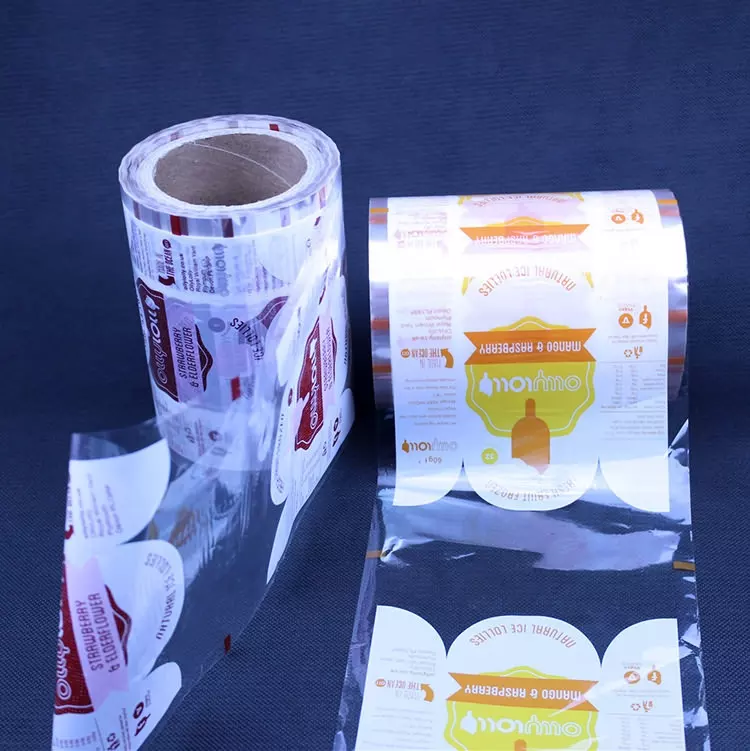
Vendor snapshot (around what buyers usually ask)
| DSL Packaging (Foshan) | Vendor B | Vendor C | |
| Core product | Easy Peel Roll Stock Film for Aseptic Bag laminates | Generic roll film | Pre-made bags + film |
| Certs | FDA/EU food-contact, ISO systems (per lot) | Varies | BRCGS claimed |
| Barrier options | VMPET, Foil, high-PEel seals | VMPET only | Foil, EVOH |
| Lead time | ≈ 2–4 weeks after artwork | 3–5 weeks | 4–6 weeks |
| Customization | Size/thickness/print to spec | Limited widths | Pre-set SKUs |
Customization checklist for your next Aseptic Bag order
- Fitments/spouts (38 mm dairy, 2” sanitary, tamper bands)- Gusset style and drop resistance (PA reinforcement helps)
- Peel curve (easy vs. medium peel), seal window, anti-delam targets
- Print and traceability (QR, laser coding), palletization plan
- Validation pack: run ASTM F88/F1921 plus ship tests before scale-up
Quick case study
A tomato processor exporting in 220 L bag-in-drum replaced a standard laminate with an easy-peel foil/PA/PE stack. Result: OTR down by ≈35%, burst failures cut by 18%, filling speed up 7% (real-world use may vary). Their words, not mine: “We finally stopped babysitting the top web.”
Citations
- ASTM D3985: Oxygen Transmission Rate of Plastic Film and Sheeting.
- ASTM F1249: Water Vapor Transmission Rate Through Plastic Film.
- ASTM F88/F88M: Seal Strength of Flexible Barrier Materials.
- EU 10/2011 on plastic materials intended to come into contact with food.
- FDA 21 CFR (e.g., 177.1520) for food-contact polymers.
- ISO 22000: Food safety management systems for food packaging operations.




- No. 6 Hefu Road, Hengjiang Industrial Zone, Gaoming District, Foshan, Guangdong Province,China
- Tel: 86-133 3649 8096
- Email:enid@bc-pak.com
-


