
Gusset Bag Packaging: Stable, Versatile & Reclosable Solutions
The Strategic Role of Gusset Bag Packaging in Modern Industries
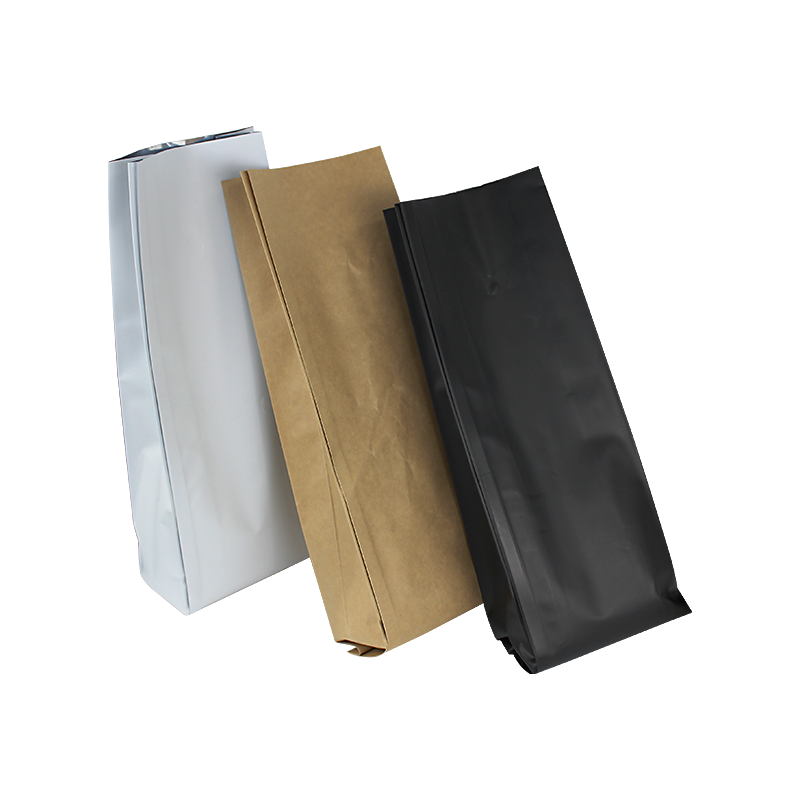
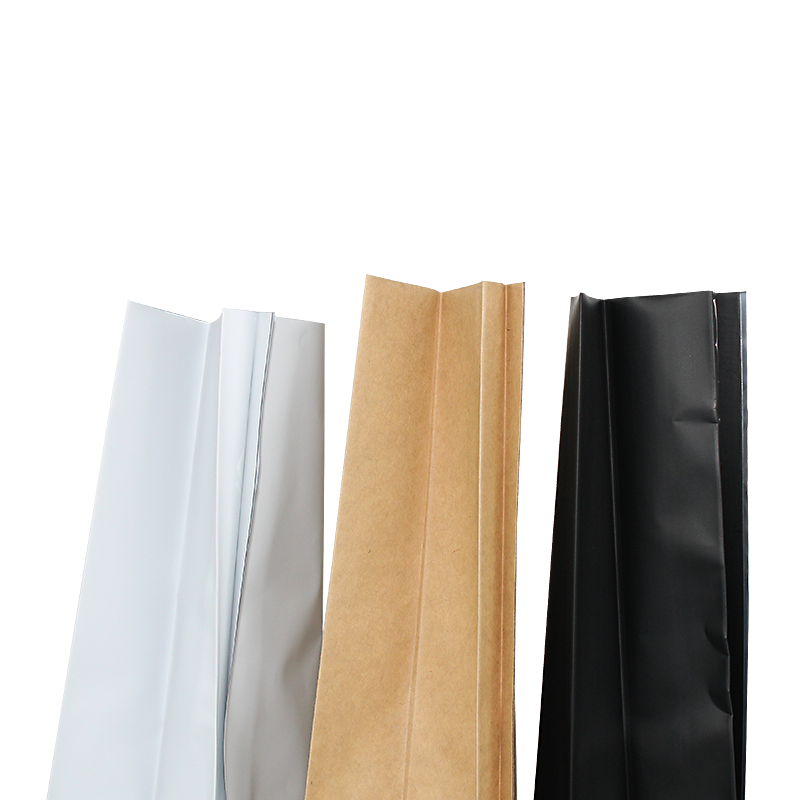
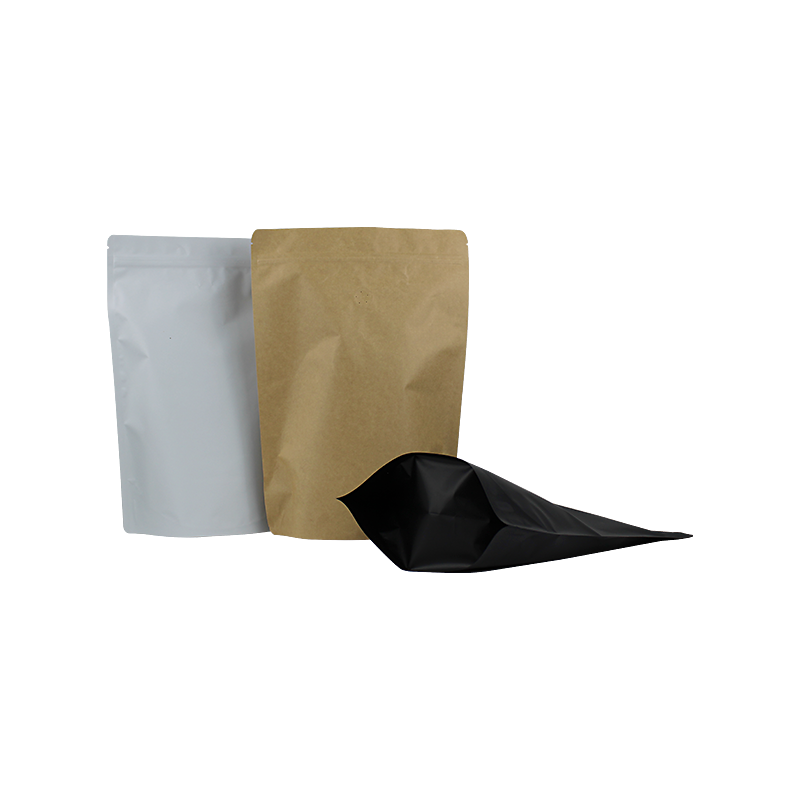
In the dynamic landscape of modern packaging, the strategic adoption of advanced solutions is paramount for brands seeking to optimize product integrity, extend shelf life, and enhance market appeal. Among the myriad options, gusset bag packaging stands out as a highly versatile and efficient choice, particularly the Side Gusset Pouch Packaging Bag. Characterized by its unique folds, or gussets, on the sides or bottom, this packaging format allows for increased volumetric capacity and stability, making it an ideal candidate for granular, powdered, or solid products. The inherent design of these bags facilitates better stacking and display on retail shelves, contributing significantly to visual merchandising. Current industry trends underscore a growing demand for packaging solutions that offer a blend of functional superiority, environmental responsibility, and cost-effectiveness. The shift towards lightweight, flexible packaging is driven by factors such as reduced transportation costs, lower material consumption, and evolving consumer preferences for convenience and portability. This includes a notable rise in demand for `gusseted paper bags` as part of sustainable initiatives and `gusseted reclosable bags` for consumer convenience, aligning with the broader movement towards eco-friendly and user-centric designs. The ability of modern flexible packaging to incorporate high-barrier films is revolutionizing product preservation, safeguarding contents against moisture, oxygen, and UV light, thereby significantly extending product freshness and quality.
This technological evolution has propelled `gusset bag packaging` to the forefront, offering a robust solution that balances aesthetic appeal with technical performance. For B2B decision-makers and technical personnel, understanding the intricate details of these packaging types, from material science to manufacturing precision, is crucial. The structural integrity provided by the gussets ensures that even when filled, the bag maintains a relatively rigid, block-like shape, distinguishing it from flat pouches. This design is particularly beneficial for products requiring a strong brand presence and efficient storage solutions. Furthermore, the integration of features like degassing valves for coffee or tear notches for easy access exemplifies the continuous innovation within this segment. As supply chains become more complex and consumer expectations higher, the adaptability and reliability of `gusset bag packaging` solutions become indispensable assets for businesses aiming to optimize their product delivery and market penetration. The focus remains on delivering packaging that is not only visually appealing but also technically proficient in protecting and preserving a diverse range of products, from specialty coffee beans to industrial chemicals, all while adhering to stringent safety and quality standards.
The Advanced Manufacturing Process of Gusset Bag Packaging
The production of high-quality gusset bag packaging involves a sophisticated, multi-stage manufacturing process that combines precision engineering with advanced material science. It begins with the meticulous selection of raw materials, primarily multi-layered barrier films engineered from polymers such as PET (Polyethylene Terephthalate), PE (Polyethylene), CPP (Cast Polypropylene), and specialized foil laminates (e.g., aluminum foil) or metallized films. The choice of material composition is critical, directly impacting the packaging's barrier properties against oxygen (OTR – Oxygen Transmission Rate), moisture (WVTR – Water Vapor Transmission Rate), light, and aroma, which are paramount for preserving product freshness and extending shelf life. For instance, coffee packaging often utilizes high-barrier foil laminates combined with PE for robust hermetic sealing and a one-way degassing valve to release CO2 while preventing oxygen ingress.
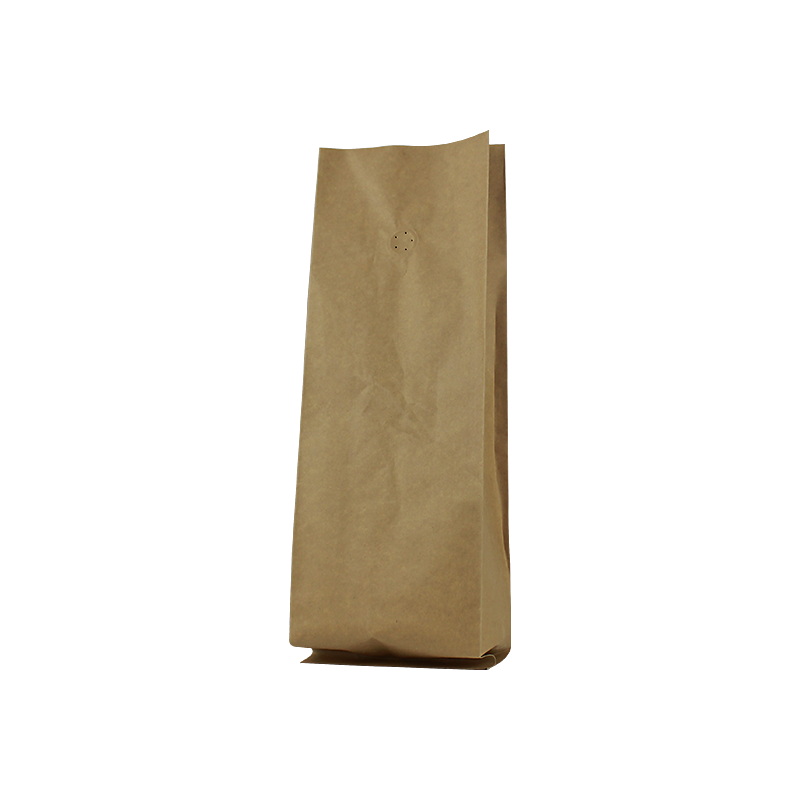
The manufacturing sequence typically involves several key stages. First, printing is executed using state-of-the-art techniques like rotogravure or flexography, which allow for high-resolution graphics and vibrant color reproduction, crucial for brand visibility and consumer appeal. Following printing, lamination bonds multiple film layers together, often using solvent-free or water-based adhesives, to create the desired barrier and structural properties. This laminated web then undergoes a curing process to ensure optimal bond strength and eliminate residual solvents. Subsequently, the cured film is precisely slit into narrower rolls suitable for the bag-forming machines. The actual bag forming process involves specialized machinery that folds the film to create the side or bottom gussets, seals the edges with heat to form strong, durable seams, and then cuts the individual bags to specification. Quality control is integrated throughout the entire process, with automated inspection systems scrutinizing print quality, seal integrity, and dimensional accuracy. Products are often subjected to burst tests and leak tests to ensure robust performance under various conditions. Compliance with international standards such as ISO 9001 for quality management and BRC Global Standard for Packaging Materials is critical, ensuring products meet stringent safety and quality benchmarks. The operational lifespan of these bags is directly linked to the quality of materials and precision of manufacturing, designed to safely contain and protect products from production to consumption, serving industries from food and beverage to chemicals and pet supplies.
Technical Parameters and Performance Attributes of Gusset Bag Packaging
Understanding the precise technical parameters and performance attributes of gusset bag packaging is fundamental for optimizing product preservation and market presentation. Key specifications include material composition, total film thickness, barrier properties, and printing capabilities. For instance, a common structure for premium coffee or food products might feature a multi-layer laminate such as PET/AL/PE (Polyethylene Terephthalate / Aluminum Foil / Polyethylene), offering superior oxygen and moisture barriers. The overall thickness, typically ranging from 90 to 180 microns (µm), dictates the bag's durability and puncture resistance. Oxygen Transmission Rate (OTR), measured in cm³/m²/24hr at standard conditions, is a critical metric, with lower values indicating better oxygen barrier performance, essential for preventing oxidation in sensitive products. Similarly, Water Vapor Transmission Rate (WVTR), expressed in g/m²/24hr, quantifies the packaging's ability to resist moisture ingress, crucial for maintaining product crispness or preventing clumping in powders.
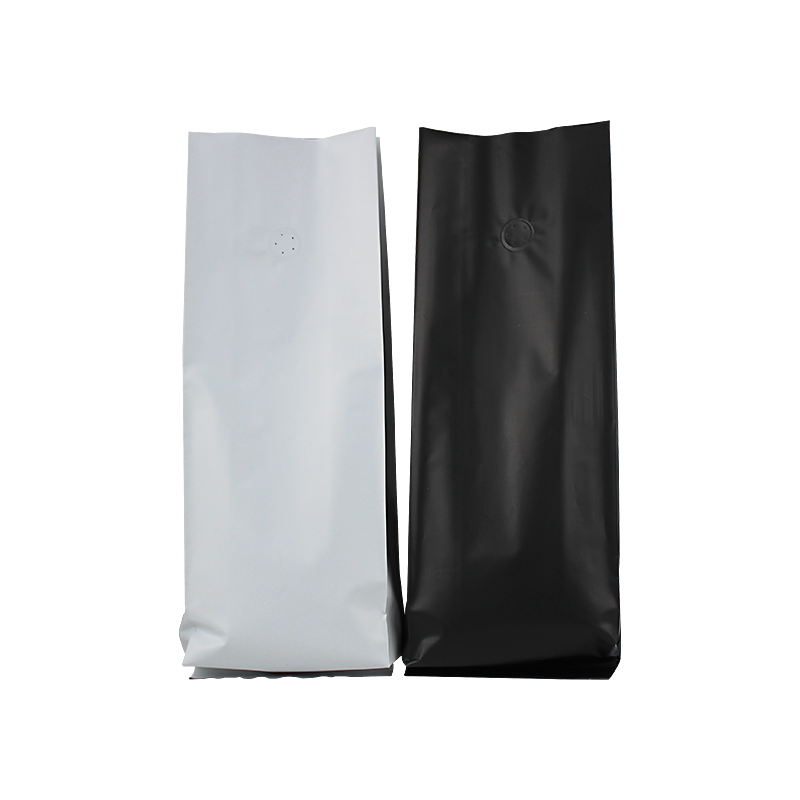
Beyond material science, the structural integrity and functional features are equally important. Side gusset bags, like the Side Gusset Pouch Packaging Bag, inherently offer excellent stability when filled, maximizing shelf presence and optimizing storage space. Features such as reclosable zippers (e.g., zip-lock, press-to-close) enhance consumer convenience, while tear notches ensure easy opening without the need for tools. Degassing valves, often made of specialized plastic, are vital for packaging roasted coffee, allowing CO2 to escape while preventing external air from entering, thus preserving aroma and preventing bag puffing. Printing capabilities, including up to 10-color rotogravure or flexographic printing, allow for complex graphic designs that boost brand recognition and aesthetic appeal. These technical advantages translate directly into extended product shelf life, reduced product spoilage, enhanced brand image, and improved consumer satisfaction. The versatility of gusset bag packaging allows it to accommodate diverse product requirements, from retort-ready pouches for pre-cooked meals to specialized chemical packaging requiring robust resistance to corrosive substances, underscoring its pivotal role across various industrial sectors.
Comparative Technical Specifications for Gusset Bag Packaging
| Parameter | Standard Gusset Pouch | High-Barrier Gusset Pouch (e.g., DSLPACK Premium) | Paper Gusset Bag (e.g., `gusseted paper bags`) |
|---|---|---|---|
| Typical Material Structure | PET/VMPET/PE, BOPP/CPP | PET/AL/PE, OPA/AL/CPP (Retort grade) | Kraft Paper/PE, Paper/PLA (Compostable options) |
| Film Thickness (µm) | 90-140 | 120-180 | 100-150 (multilayer equivalent) |
| Oxygen Transmission Rate (OTR, cm³/m²/24hr) | 2-10 | < 0.5 (often < 0.1) | 50-200 (without specialized barrier layer) |
| Water Vapor Transmission Rate (WVTR, g/m²/24hr) | 2-8 | < 0.5 (often < 0.05) | 50-150 (without specialized barrier layer) |
| Sealing Method | Heat Seal | Heat Seal (stronger, wider seams) | Heat Seal / Adhesive |
| Print Capability | Up to 10 colors, Flexo/Rotogravure | Up to 10 colors, Rotogravure (superior detail) | Up to 8 colors, Flexo/Offset |
| Typical Applications | Snacks, Pet Food, Granulated Coffee | Specialty Coffee, Pharmaceuticals, Retort Food | Dry Goods, Coffee (with inner liner), Sustainable Products |
Application Scenarios and Strategic Case Studies for Gusset Bag Packaging
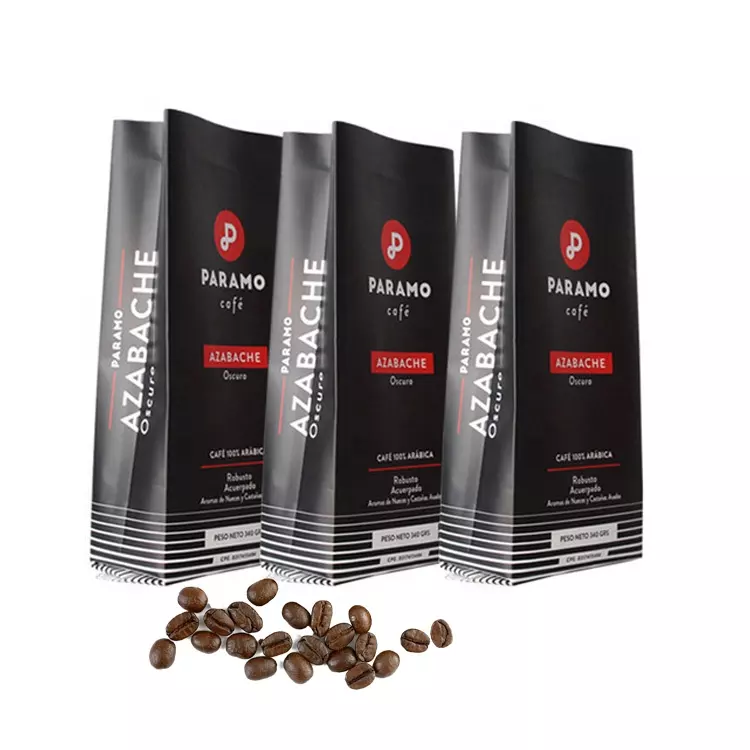
The versatility of gusset bag packaging, particularly `gusseted pouch packaging`, has led to its widespread adoption across a diverse array of industries, each benefiting from its unique design and performance attributes. In the specialty coffee industry, for example, `square bottom gusseted bags` with one-way degassing valves are indispensable. These bags allow freshly roasted coffee beans to release carbon dioxide without letting oxygen in, thereby preserving the rich aroma and extending the shelf life of the product significantly. A major coffee roaster, "Aroma Roast Co.," reported a 15% reduction in product returns due to freshness issues after transitioning to premium `gusset bag packaging` from standard flat pouches, directly impacting their brand reputation and customer loyalty. This is a testament to the specialized barrier properties and functional features inherent in these designs.
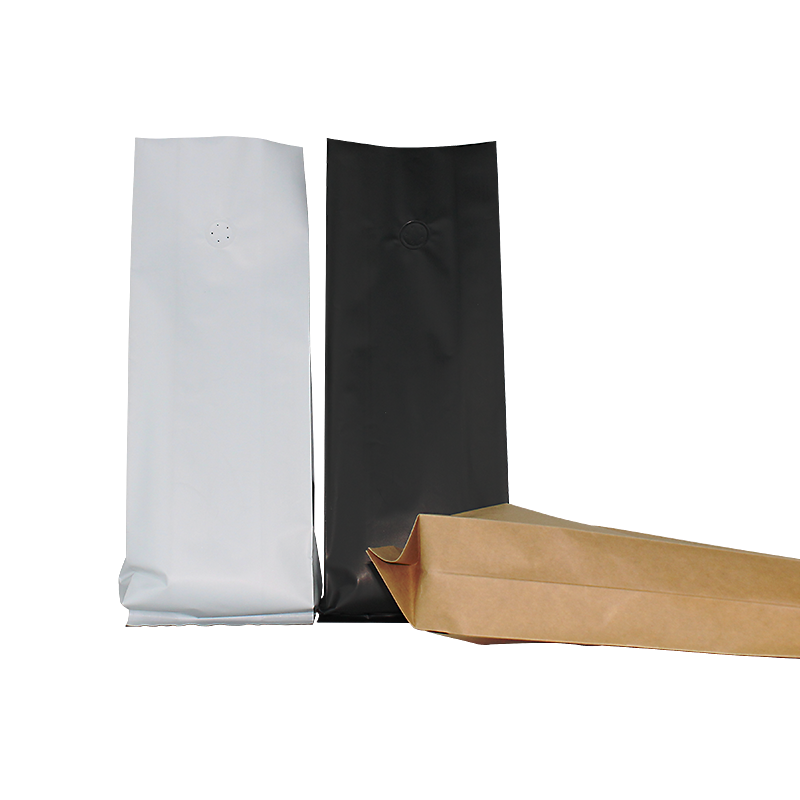
In the pet food sector, gusset bag packaging offers robust solutions for packaging kibble and treats. The structural stability of the side gussets enables bags to stand upright, enhancing their visual appeal on shelves and making them easier for consumers to store at home. "PetPal Foods," a leading pet food manufacturer, implemented large-format `gusseted reclosable bags` for their bulk pet food products. This transition not only improved product freshness with integrated resealable zippers but also yielded a 20% improvement in logistics efficiency due to better stacking capabilities compared to rigid container111s. The ability to customize bag sizes and incorporate high-definition graphics through rotogravure printing allows brands to create compelling shelf presence, which is crucial in competitive retail environments. For powders and granular products in the chemical or construction industry, durable `gusset bag packaging` manufactured with robust multi-layer films provides superior resistance to tearing, moisture, and chemical exposure, ensuring product integrity during transit and storage in challenging environments. Customizable solutions, including specific film laminates for enhanced chemical resistance or UV protection, are readily available, showcasing the adaptability of this packaging format to niche industrial requirements.
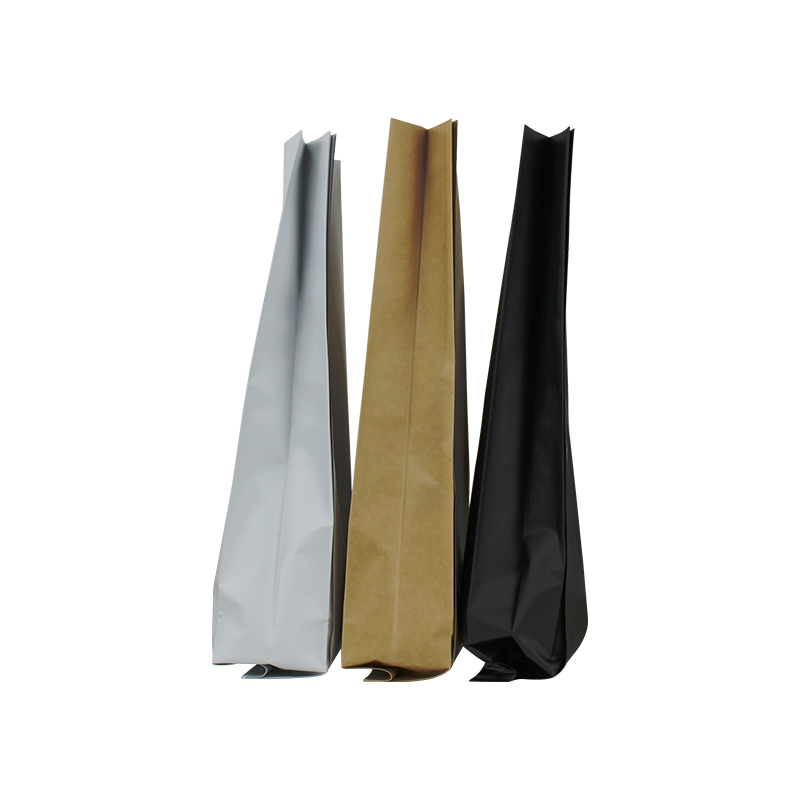
Furthermore, the pharmaceutical and nutritional supplement industries leverage gusset bag packaging for portioned powders and capsules, demanding stringent quality control and material certifications like FDA compliance. The precise sealing capabilities ensure product sterility and prevent contamination, critical for consumer safety. A pharmaceutical company, "MediSupplies," opted for tamper-evident `gusseted pouch packaging` for their probiotic powders, reducing instances of product tampering and enhancing consumer trust. The ability to integrate specific features such as anti-static properties or child-resistant zippers further underscores the adaptability of these packaging solutions to highly regulated sectors. The ongoing innovation in material science also supports the development of more sustainable `gusseted paper bags` and pouches made from recyclable or compostable materials, aligning with corporate sustainability goals and consumer demand for eco-friendly packaging alternatives, reinforcing their relevance in future market landscapes.
Strategic Manufacturer Selection and Quality Assurance for Gusset Bag Packaging
Selecting the right manufacturer for gusset bag packaging is a critical strategic decision that impacts product quality, supply chain reliability, and ultimately, brand reputation. Key factors to consider extend beyond mere cost, encompassing technical expertise, operational scale, quality certifications, and commitment to innovation. Reputable manufacturers, such as DSLPACK, typically hold international certifications like ISO 9001:2015 for quality management systems and BRC Global Standard for Packaging Materials, ensuring adherence to rigorous manufacturing practices and food safety standards. Verification of these certifications provides a baseline assurance of product quality and process control. Furthermore, assessing a manufacturer's experience in similar product categories and their R&D capabilities for developing customized solutions—such as specialized barrier films for `gusseted reclosable bags` or unique structures for `square bottom gusseted bags`—is crucial. A manufacturer with deep industry knowledge can offer invaluable insights into material selection, design optimization, and regulatory compliance, directly contributing to the success of a packaging project.
The trustworthiness of a supplier is also reflected in their transparency regarding delivery cycles, typically ranging from 15 to 25 working days for custom orders, depending on complexity and order volume. Clear communication channels, responsive customer support, and comprehensive after-sales service are indicators of a reliable partner. A strong warranty commitment, covering manufacturing defects and material integrity for a specified period, further reinforces trust. For instance, reputable manufacturers often provide a 12-month quality assurance period for their gusset bag packaging under normal storage conditions. When comparing different manufacturing approaches, consider the level of automation and precision utilized in production; highly automated facilities often lead to more consistent quality and reduced lead times. For example, some manufacturers specialize in sustainable `gusseted paper bags` using innovative bio-degradable liners, while others excel in high-barrier `gusseted pouch packaging` for sensitive products requiring extreme protection. Understanding these specializations helps in aligning with a manufacturer whose core competencies match specific product needs.
Frequently Asked Questions (FAQs) on Gusset Bag Packaging
-
Q: What is the typical lead time for custom gusset bag orders?
A: Standard lead times for custom gusset bag packaging orders typically range from 15 to 25 business days after artwork approval and deposit, varying based on order volume, complexity, and specific material requirements. Rush orders may be accommodated at an additional cost, subject to production schedule availability.
-
Q: What quality certifications should I look for in a gusset bag manufacturer?
A: Essential certifications include ISO 9001 (Quality Management System) and BRC Global Standard for Packaging Materials (for food-grade packaging). Additional relevant certifications might include FDA compliance for specific applications or compostability certifications for eco-friendly options. These indicate robust quality control and safety protocols.
-
Q: Can gusset bags be designed for specific barrier properties (e.g., oxygen, moisture)?
A: Absolutely. The multi-layer structure of gusset bag packaging is highly customizable. Manufacturers can combine different film layers (e.g., PET, AL, PE, EVOH) to achieve precise oxygen and moisture barrier properties (low OTR and WVTR values) required for extending the shelf life of sensitive products like coffee, nuts, or pharmaceuticals.
Conclusion: The Future of Gusset Bag Packaging
The evolution of gusset bag packaging continues to redefine industry standards for product preservation, brand presentation, and consumer convenience. From sophisticated multi-layer laminates designed to extend shelf life for specialty foods and pharmaceuticals to increasingly sustainable options like `gusseted paper bags` and compostable films, this packaging format demonstrates unparalleled adaptability. Its inherent structural advantages, allowing for enhanced volumetric capacity and stable shelf display, combined with advanced printing capabilities, empower brands to effectively differentiate their products in a competitive market. The integration of functional features such as resealable zippers, degassing valves, and tear notches further elevates the user experience, driving consumer preference and loyalty. As industries navigate complex supply chains and stringent regulatory landscapes, the reliability and performance of `gusseted pouch packaging` become non-negotiable assets.
Looking ahead, the trajectory of gusset bag packaging is strongly influenced by advancements in material science, automation, and sustainable practices. Innovations in biodegradable and recyclable film technologies are rapidly expanding the eco-friendly portfolio, meeting rising consumer demand for environmentally responsible choices and helping companies achieve their sustainability targets. Simultaneously, the advent of smart packaging features, such as QR codes for traceability or NFC tags for consumer engagement, suggests a future where `gusset bag packaging` not only protects but also interacts and informs. For businesses seeking a packaging solution that combines robust technical performance with strategic market advantages, Side Gusset Pouch Packaging Bag and its variants represent a forward-thinking investment. Its continuous development ensures it remains at the forefront of packaging innovation, ready to meet the evolving demands of diverse global markets.
References
- Robertson, G. L. (2016). Food Packaging: Principles and Practice. CRC Press.
- Siracusa, V. (2012). Biodegradable Polymers for Food Packaging: A Review. Journal of Polymers and the Environment, 20(3), 719-728.
- Han, J. H. (2014). Innovations in Food Packaging. Academic Press.
- ASTM International. (Latest Editions). Various standards for barrier properties (e.g., ASTM F1249, ASTM D3985) and seal strength.




- No. 6 Hefu Road, Hengjiang Industrial Zone, Gaoming District, Foshan, Guangdong Province,China
- Tel: 86-133 3649 8096
- Email:enid@bc-pak.com
-


