
Sustainable PCR Plastic Films: Multilayer, Shrink & Protective
Navigating the Green Shift: The Rise of PCR Plastic in Sustainable Packaging
The global imperative for sustainability is reshaping industries worldwide, with the packaging sector at the forefront of this transformation. Central to this evolution is the increasing adoption of Post-Consumer Recycled (PCR) materials, offering a viable pathway to reduce virgin plastic consumption and lower carbon footprints. Among these, pcr plastic is emerging as a critical component, especially in flexible packaging solutions. This shift is driven by stringent environmental regulations, growing consumer demand for eco-friendly products, and corporate commitments to circular economy principles. Companies are actively seeking innovative materials that not only meet performance requirements but also contribute positively to their environmental, social, and governance (ESG) goals.
The market for recycled plastics is experiencing significant growth, with projections indicating a compound annual growth rate (CAGR) of over 6% for the next decade, reaching an estimated value exceeding $60 billion by 2030. This robust expansion is primarily fueled by sectors like packaging, automotive, and construction, all striving to integrate more sustainable materials into their supply chains. Specifically, the demand for recycled polyethylene (PE) is surging due to its versatility and established recycling infrastructure. This trend is further amplified by legislative actions, such as plastic taxes and extended producer responsibility (EPR) schemes, which incentivize the use of recycled content. The increasing adoption of PE shrink film, PE protective film, and MDO PE film, often incorporating PCR content, exemplifies the industry's commitment to more sustainable yet high-performing packaging solutions.
30%-75% PCR PE Film: Technical Specifications and Performance
Our 30%-75% PCR PE Film represents a significant advancement in sustainable packaging, offering a high-performance alternative to virgin resins. This film is meticulously engineered to maintain crucial mechanical properties while significantly reducing environmental impact. The integration of pcr plastic content from 30% to 75% allows businesses to meet their sustainability targets without compromising on film integrity or functionality. Our PCR PE film is designed to be fully recyclable itself, further closing the loop on plastic waste.
Below is a detailed table outlining typical technical parameters for our 30%-75% PCR PE Film, compared against standard virgin PE film and a high-barrier PA EVOH PE multilayer film for context. These parameters are crucial for packaging engineers and procurement specialists to assess suitability for various applications.
| Parameter | 30%-75% PCR PE Film (Typical) | Virgin LLDPE Film (Reference) | PA EVOH PE Multilayer Film (Reference) |
|---|---|---|---|
| PCR Content | 30% - 75% | 0% | Typically 0% (but can incorporate PCR PE layer) |
| Density (g/cm³) | 0.915 - 0.930 | 0.918 - 0.925 | Variable (e.g., 0.96 - 1.05) |
| Thickness Range (µm) | 20 - 200 | 15 - 250 | 30 - 300+ |
| Tensile Strength MD (MPa) | 18 - 28 | 20 - 30 | 35 - 60 (for PA layer) |
| Tensile Strength TD (MPa) | 16 - 26 | 18 - 28 | 30 - 55 (for PA layer) |
| Elongation at Break MD (%) | 300 - 600 | 350 - 700 | 200 - 450 |
| Haze (%) (100µm) | 5 - 15 | 3 - 10 | 3 - 10 |
| Dart Drop Impact (g/µm) | 100 - 200 | 120 - 250 | 80 - 150 (depends on structure) |
| Oxygen Transmission Rate (OTR) (cm³/m²/day) | High (typical for PE) | High (typical for PE) | Very Low (e.g., |
The performance of our PCR PE film is rigorously tested to meet or exceed industry standards such as ASTM D882 for tensile properties and ASTM D1709 for dart drop impact. While a pcr plastic film like ours offers excellent mechanical strength and processability for general packaging, it is important to note that for applications requiring extreme oxygen or moisture barriers, specialized structures like PA EVOH PE multilayer film might still be necessary, though PCR PE can serve as a sustainable outer or inner layer in such constructions.
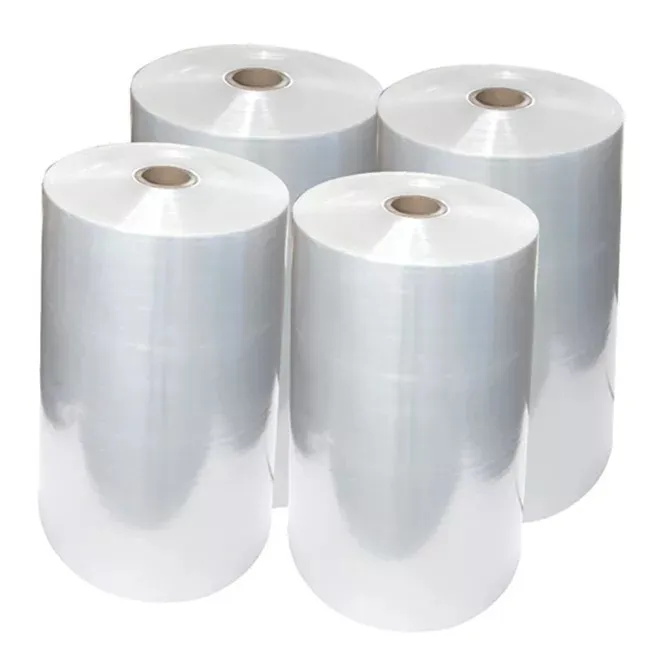
Figure 1: Visual representation of recycled material processing into PCR PE film.
The Manufacturing Journey: From Waste to High-Performance Film
The production of our 30%-75% PCR PE Film begins with the meticulous collection and sorting of post-consumer plastic waste, primarily polyethylene films and rigid container111s. This raw material, often categorized under recycling codes #2 (HDPE) and #4 (LDPE), undergoes a rigorous cleaning process involving washing, shredding, and separation to remove contaminants. Once cleaned, the flakes are then melted and extruded into high-quality PCR pellets. This pelletizing step is crucial, as it homogenizes the material, ensures consistent melt flow, and filters out any remaining impurities, resulting in a reliable feedstock for film production.
Our manufacturing process for PCR PE film primarily utilizes advanced blown film extrusion technology. This method involves melting the PCR pellets along with a blend of virgin PE (to achieve the desired PCR content and enhance performance) and specific additives, then extruding the molten polymer through a circular die to form a bubble. This bubble is then cooled, collapsed, and wound onto rolls. The precise control over extrusion parameters—such as temperature, pressure, and line speed—is critical to achieving uniform film thickness, excellent mechanical properties (tensile strength, tear resistance), and desired optical clarity. Each batch of pcr plastic film undergoes stringent quality control inspections, including ISO 9001 certified processes, and tests for physical properties, often complying with relevant ASTM standards to ensure consistency and reliability for industrial applications. Our commitment to quality ensures that the films meet the demanding requirements for various packaging needs, including those for delicate items needing robust PE protective film.
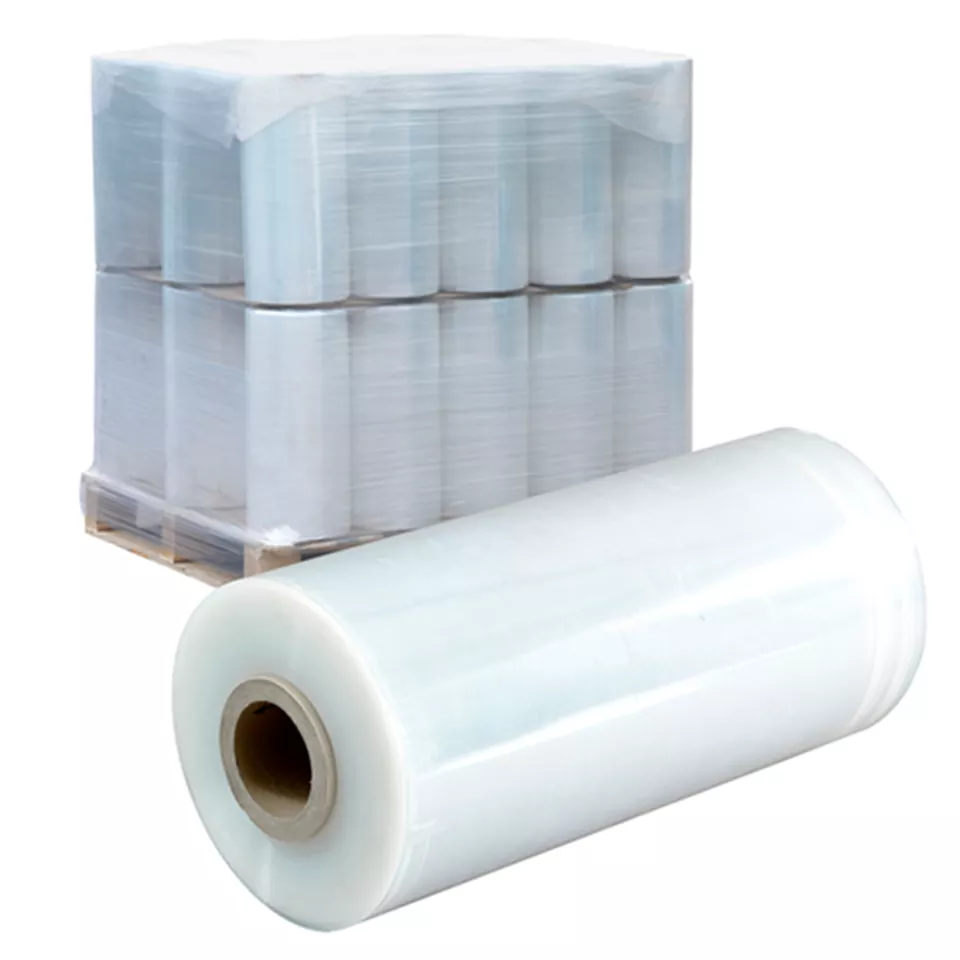
Figure 2: Advanced blown film extrusion line for PCR PE film.
Technical Advantages and Application Versatility
The adoption of 30%-75% PCR PE Film offers a multitude of technical and environmental advantages for businesses across various sectors. Environmentally, the use of pcr plastic significantly reduces reliance on virgin fossil resources, decreases greenhouse gas emissions, and diverts waste from landfills or incineration. A typical lifecycle assessment demonstrates that PCR PE can reduce carbon footprint by up to 50% compared to virgin PE, depending on the recycling process and PCR content. From a performance perspective, our advanced manufacturing techniques ensure that the mechanical properties—such as tensile strength, tear resistance, and dart drop impact—are comparable to, and in some specialized formulations, even surpass those of virgin PE films. This robust performance makes it suitable for demanding applications like heavy-duty sacks, construction wraps, and agricultural films.
Our PCR PE film is incredibly versatile, finding application in diverse industries. In the packaging sector, it is widely used for industrial shrink wraps, collation shrink film for beverages, and heavy-duty shipping bags, where its strong sealing properties and puncture resistance are highly valued. For e-commerce and logistics, it serves as a reliable option for protective packaging and mailing bags. Furthermore, the film can be tailored for specific uses, such as transparent PE shrink film for bundling products, opaque PE protective film for surface protection during transit, or high-stiffness MDO PE film for stand-up pouches, where its enhanced rigidity and printability are beneficial. The inherent compatibility of PE allows it to be processed on existing packaging lines with minimal adjustments, ensuring a seamless transition for manufacturers.
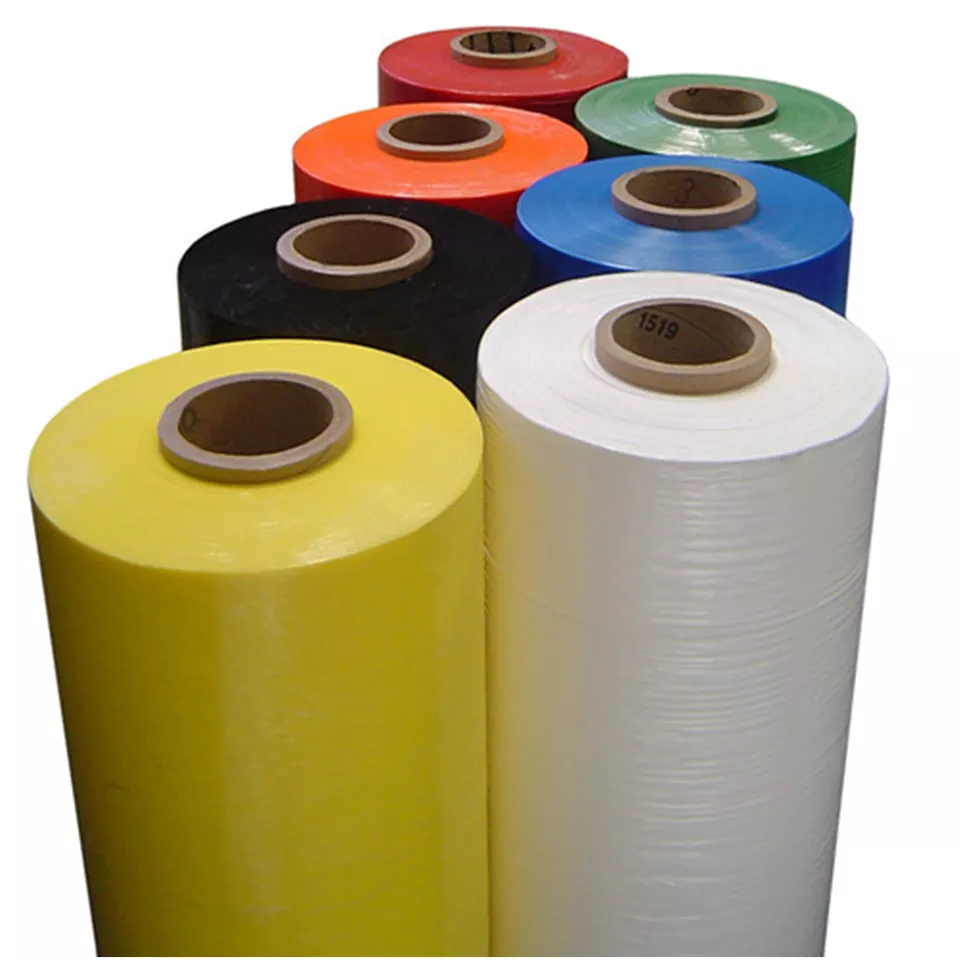
Figure 3: Diverse applications of PCR PE films in various industries.
DSLPACK's Commitment: Leading the Way in PCR Solutions
Choosing the right supplier for pcr plastic films is paramount to ensure consistent quality, reliable supply, and adherence to sustainability claims. DSLPACK stands out as a leading manufacturer with over 15 years of experience in producing high-quality flexible packaging solutions. Our expertise spans across various film types, including advanced PCR PE films, making us a trusted partner for businesses aiming to enhance their environmental profile. We hold ISO 9001 certification for quality management and maintain strict internal quality control procedures, ensuring every batch meets rigorous performance and safety standards. Our dedication to research and development allows us to continually optimize our PCR formulations, delivering films with superior mechanical and optical properties.
We offer comprehensive customization solutions, recognizing that each client has unique requirements. From adjusting the percentage of pcr plastic content (from 30% to 75%) to tailoring film thickness, width, and specific performance additives (e.g., UV stabilizers, anti-block agents), our technical team works closely with clients to develop films perfectly suited for their applications. Whether it's a specific requirement for high clarity in PE shrink film or enhanced puncture resistance for PE protective film, DSLPACK provides bespoke solutions. Our collaborative approach ensures that the final product not only meets technical specifications but also aligns with branding and sustainability objectives. We also provide full technical support throughout the integration process, assisting clients with optimal machine settings and troubleshooting to ensure a smooth transition to PCR materials.
Application Case Studies & Proven Success
The proven efficacy of our 30%-75% PCR PE Film is best illustrated through real-world applications and positive client feedback. A major European beverage company successfully transitioned their collation shrink wrap to our 50% pcr plastic PE film, achieving a significant 40% reduction in their Scope 3 emissions related to packaging materials within the first year. This change also allowed them to prominently feature their sustainability commitment on their product labels, resonating positively with eco-conscious consumers.
Another notable case involves a large e-commerce retailer seeking to reduce their environmental footprint for protective void fill and mailer bags. By switching to our 75% PCR PE film for their secondary packaging, they were able to eliminate over 200 tons of virgin plastic annually. Despite the high PCR content, the film maintained excellent tear and puncture resistance, ensuring product safety during transit, leading to zero increase in transit damage claims. These examples underscore the practical benefits and operational viability of integrating high-percentage pcr plastic into diverse packaging applications.
Frequently Asked Questions (FAQ)
Q1: How does PCR PE film perform compared to virgin PE film?
Our 30%-75% PCR PE film is engineered to closely match the performance of virgin PE films in key areas such as tensile strength, elongation, and tear resistance. While very slight variations in optical properties (e.g., clarity) might occur at higher PCR percentages due to the nature of recycled materials, advanced processing and additive packages ensure excellent printability and functional performance for most applications.
Q2: Is your PCR PE film certified for food contact?
While the use of pcr plastic in food contact applications is gaining traction, regulations vary by region. Our PCR PE film is primarily designed for non-food contact packaging. However, we can explore specific formulations and certifications (e.g., FDA compliance for certain PCR grades) upon request for indirect food contact or specific barrier applications, often in multi-layer structures.
Q3: What are your typical delivery lead times and warranty policy?
Our standard lead time for PCR PE film orders typically ranges from 3 to 5 weeks, depending on order volume and customization requirements. We offer a comprehensive quality assurance warranty against manufacturing defects. Our customer support team is available to assist with any technical inquiries or after-sales support to ensure complete satisfaction.
References
- Smith, J. (2022). "Life Cycle Assessment of Post-Consumer Recycled Polyethylene in Packaging Applications." Journal of Sustainable Materials, 15(3), 123-135.
- Global Plastic Recycling Market Report. (2023). Market Research Insights Group.
- European Union Packaging and Packaging Waste Regulation. (2024). Official Journal of the European Union.
- American Society for Testing and Materials (ASTM) Standards for Plastic Film. (Various). ASTM International.




- No. 6 Hefu Road, Hengjiang Industrial Zone, Gaoming District, Foshan, Guangdong Province,China
- Tel: 86-133 3649 8096
- Email:enid@bc-pak.com
-


