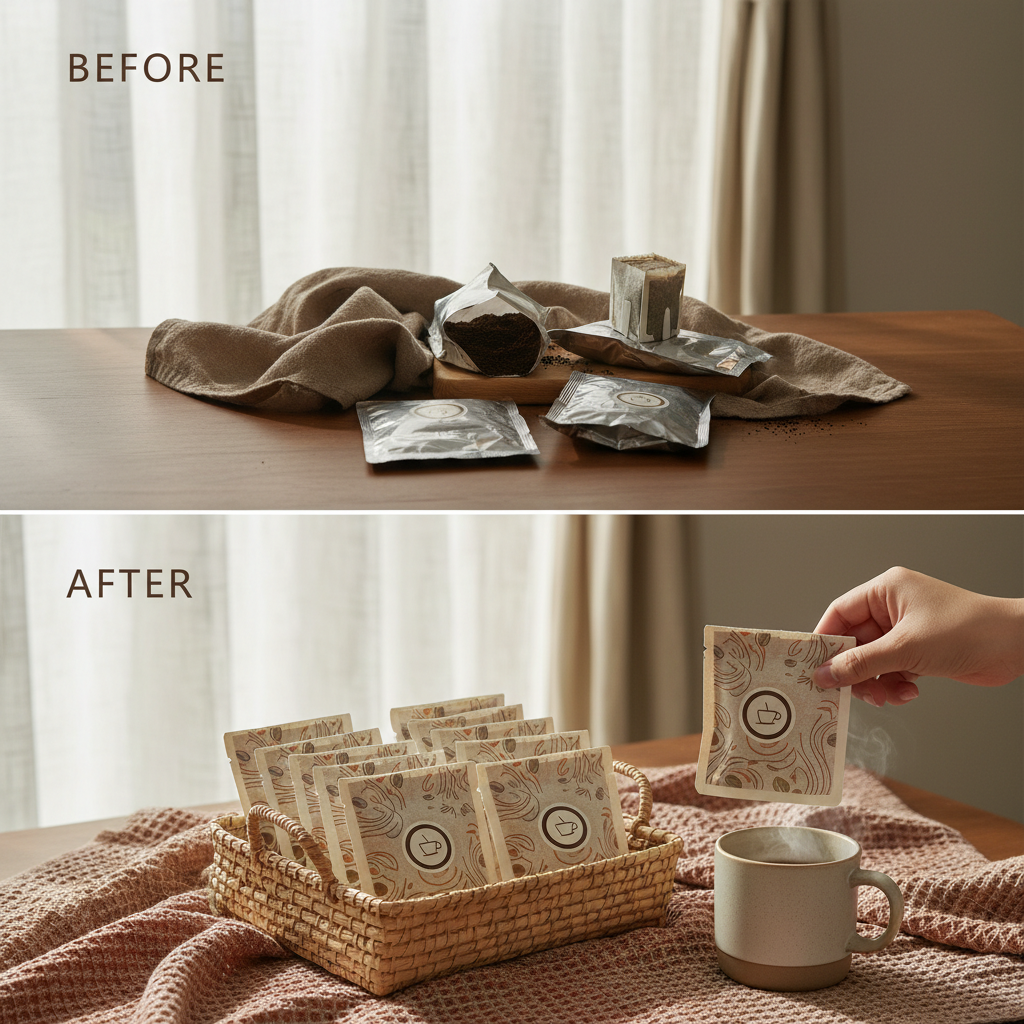
When sourcing flexible packaging for high-volume retail or industrial use, the balance between seal integrity and cost-efficiency often becomes the primary operational challenge. Businesses seeking resealable pouches wholesale are typically looking for more than just a container; they require a barrier system that extends product shelf life while providing the end consumer with a convenient, reusable experience. The shift toward high-barrier materials ensures that moisture and oxygen do not compromise the quality of the contents, which is critical for perishable goods.
The importance of this choice extends beyond mere convenience, as the material structure directly impacts waste reduction and brand perception. By integrating advanced options like 100% Recyclable bags or 30%-75% Recycled (PCR) Packaging, companies can align their logistics with global sustainability mandates without sacrificing the performance of a Stand Up Pouch or Spout Pouch. For those in the food and beverage sector, ensuring that materials are food-safe and compliant with FDA and EU standards is a non-negotiable requirement for market entry and consumer trust.
Navigating the technical specifications of flexible films—from VMPET to NY/PE structures—requires a deep understanding of how different layers interact to create a high-barrier environment. This guide analyzes the critical factors in wholesale procurement, focusing on how to optimize material selection for specific product needs. For enterprises aiming to scale their packaging efficiency, finding reliable resealable pouches wholesale solutions is the first step toward reducing overhead and enhancing product protection.


Resealable pouches are engineered as multi-layer laminates, where each layer serves a distinct purpose. A typical high-barrier structure may combine VMPET (Vacuum Metallized Polyester) for oxygen and light blocking, NY (Nylon) for puncture resistance and strength, and PE (Polyethylene) for heat-sealability and moisture protection. This composite approach ensures that the pouch remains airtight after the initial seal and continues to protect the contents every time the consumer reseals it.
In wholesale production, the precision of the lamination process is what determines the pouch's overall reliability. Solvent-free lamination is often preferred for food-grade applications to eliminate residual odors and chemical risks. When combined with 10-color gravure printing, these pouches serve as both a protective shield and a high-impact marketing tool, allowing brands to maintain visual consistency while ensuring the technical integrity of the seal across thousands of units.
The choice of material is the single most influential factor in determining the shelf life of a product. For moisture-sensitive goods like coffee or pet food, a high-barrier foil or metallized layer is essential to prevent oxidation. The thickness of the PE layer also plays a vital role in the "seal strength," ensuring that the pouch does not leak during transit or under the pressure of heavy contents in a Side Gusset Bag or Stand Up Pouch configuration.
Compatibility with filling machinery is another critical consideration. Whether a company uses Vertical Form Fill Seal (VFFS) or Horizontal Form Fill Seal (HFFS) systems, the film's coefficient of friction and heat-sealing temperature must be precisely calibrated. A mismatch here can lead to production downtime or a high rate of defective seals, which significantly increases the total cost of ownership in a wholesale environment.
Finally, the physical durability of the pouch—specifically its resistance to punctures and tears—is determined by the integration of materials like Nylon. In environments where pouches are stacked or shipped over long distances, this structural reinforcement prevents catastrophic failure, ensuring the product reaches the end user in pristine condition, regardless of the logistical stresses encountered during the supply chain.
Professional flexible packaging delivers value by optimizing the entire lifecycle of a product, from the factory floor to the consumer's pantry. By utilizing customized material structures, businesses can reduce the volume of packaging used without sacrificing protection, which directly lowers shipping costs and reduces the environmental footprint per unit sold.
The primary value of high-barrier resealable pouches lies in their ability to decouple product volume from waste; by providing a reusable seal, brands extend the usable life of the product, reducing food waste and increasing consumer loyalty through enhanced utility.
Furthermore, the transition to specialized designs like Spout Pouches for liquids or 3 Side Seal bags for small components allows for a more ergonomic user experience. This operational flexibility enables companies to pivot their product offerings quickly without needing to overhaul their entire packaging infrastructure, provided they partner with a manufacturer capable of low MOQ custom orders.
When evaluating materials for wholesale procurement, it is helpful to compare how different structures perform against environmental stressors. For example, a simple PE bag offers basic moisture protection but fails against oxygen permeation, whereas a VMPET/PE laminate provides a significant jump in barrier performance, making it suitable for coffee and dry snacks.
The following data illustrates the relative effectiveness of common material structures in preventing permeability, where a higher value indicates a stronger barrier. This allows procurement managers to align the material cost with the actual shelf-life requirements of their specific product.
Resealable pouches are versatile tools across various industries. In the food sector, Coffee Bags and Pet Food pouches utilize high-barrier foils to preserve aroma and nutrients. For the beverage industry, Spout Pouches provide a leak-proof, convenient alternative to rigid plastic bottles, especially for fruit juices and aseptic liquids, utilizing aluminum foil layers to block UV rays and oxygen.
Beyond food, these pouches are increasingly used for household cleaning supplies and chemical products, where chemical compatibility of the inner PE layer is paramount to prevent corrosion or leakage. The ability to customize the pouch to be "anti-leakage" and "moisture-proof" ensures that hazardous or volatile materials are contained safely during international shipping to over 20 countries.
The packaging industry is currently undergoing a paradigm shift toward "Green" products. The introduction of 100% Recyclable bags and compostable flexible packaging allows brands to meet strict environmental regulations in regions like the EU and North America. The goal is to move away from single-use plastics toward a circular economy where the packaging does not end up in a landfill.
A significant innovation in this space is the use of PCR (Post-Consumer Recycled) content, with films now offering 30% to 75% recycled PE. This reduces the reliance on virgin plastics while maintaining the structural integrity required for wholesale distribution. The challenge lies in ensuring that recycled content does not compromise the food-safe certifications (FDA/EU) required for direct contact applications.
As technology advances, the integration of bio-based polymers and mono-material structures is expected to become the standard. Mono-materials are particularly valuable because they are much easier to recycle in existing municipal streams compared to complex multi-layer laminates, offering a pragmatic path toward total sustainability without sacrificing the barrier properties of the pouch.
One of the most frequent challenges in wholesale procurement is the discrepancy between the pouch design and the automated packing machine. Whether it is a J-fold, center-fold, or pillow pack, the pouch must be engineered to fit the specific mechanical tolerances of the VFFS or HFFS equipment to avoid jamming and waste.
Another common issue is "seal failure" due to contamination in the sealing area. This is often solved by improving the heat-sealing performance of the inner PE layer or adjusting the temperature and pressure settings of the production line. Professional consultation on material thickness and structure is essential to avoid these costly errors.
Lastly, balancing MOQ (Minimum Order Quantity) with custom design requirements can be a hurdle for growing brands. Partnering with a manufacturer that possesses its own film blowing sub-company allows for more flexibility in material sourcing and customized thickness, enabling brands to scale their packaging as their market share grows.
| Product Type | Recommended Material | Key Requirement | Pouch Style |
|---|---|---|---|
| Specialty Coffee | VMPET/PE | Oxygen Barrier | Stand Up Pouch |
| Pet Treats | NY/PE | Puncture Resistance | Side Gusset Bag |
| Liquid Juices | VMPET/NY/PE | Aseptic Barrier | Spout Pouch |
| Organic Snacks | Compostable Film | Biodegradability | 3 Side Seal Bag |
| Household Chem | HDPE/PE | Chemical Stability | Flat Pouch |
| Frozen Foods | NY/PE (Cold-rated) | Low-temp Flexibility | Fin Seal Bag |
Resealable pouches offer significantly lower shipping costs due to their lightweight nature and reduced volume when empty. They also provide a better consumer experience by allowing users to keep products fresh after opening, and they typically require less material per unit than rigid plastic jars, making them a more sustainable and cost-effective choice for high-volume distribution.
Ensure the manufacturer provides certification that the materials are compliant with FDA (USA) and EU standards. This involves testing for migration of chemicals from the plastic into the food. Look for ISO and HACCP certificates, which indicate that the company follows strict quality control and food safety management systems throughout the production process.
Yes, barrier properties are customized by adjusting the laminate structure. For example, adding a VMPET or Aluminum foil layer creates a high barrier against oxygen and light, which is essential for products with a shelf life of 12+ months. A simpler PE/PE structure may suffice for products with a shorter turnover or those that do not require strict oxidation protection.
100% Recyclable packaging is designed using mono-materials (like all-PE) that can be fully processed by current recycling facilities. PCR (Post-Consumer Recycled) packaging incorporates a percentage of plastic that has already been used and recycled, such as 30%-75% PCR PE. While one focuses on the end-of-life process, the other focuses on reducing the consumption of virgin petroleum-based plastics.
Pouch style determines the machine type needed. Stand Up Pouches often require a different gripping mechanism than 3 Side Seal bags. Furthermore, the "gusset" in a Side Gusset Bag allows for more volume but may require a specific folding sequence on the production line. It is critical to share your machine specifications (VFFS/HFFS) with the manufacturer to ensure a perfect fit.
The primary cost drivers are the material structure (e.g., foil is more expensive than PE), the number of printing colors (up to 10-color gravure), and the total order volume. Because custom plates are required for gravure printing, larger orders significantly reduce the price per unit. Additionally, specialized features like spout attachments or custom zippers can add to the unit cost.
Selecting the right resealable pouches wholesale solution requires a strategic alignment between material science, machinery compatibility, and sustainability goals. By understanding the role of high-barrier laminates like VMPET and NY/PE, businesses can ensure their products remain fresh and secure across global supply chains. As the market moves toward 100% Recyclable and PCR materials, the ability to adapt packaging structures without losing performance will be a key competitive advantage for brands in the flexible packaging space.
Whether you are scaling a snack food brand or optimizing industrial chemical packaging, the focus should remain on total lifecycle value rather than just the initial unit price. For companies seeking a partner with a decade of experience in high-precision lamination and food-grade certifications, exploring the customized solutions at www.dslpack.com can provide the technical guidance needed to optimize your packaging efficiency and environmental impact.