Selecting the right flexible packaging often comes down to a balance between shelf presence and product longevity. For businesses scaling their distribution, the shift toward high-barrier, resealable formats is no longer a luxury but a requirement for maintaining freshness and reducing waste.
The industrial demand for wholesale resealable stand up pouches has surged as brands move away from rigid plastics toward lightweight, sustainable alternatives that offer superior oxygen and moisture barriers. This transition is driven by both consumer preference for convenience and a global push toward circular economy materials.
Navigating the complexities of material structures—from VMPET layers to PCR (Post-Consumer Recycled) resins—requires a technical understanding of how different films interact with specific product chemistries. This guide examines the critical factors in selecting wholesale packaging that ensures food safety and operational efficiency.


Historically, bulk packaging relied on heavy-duty rigid containers or simple poly-bags that required external sealing. The introduction of the stand-up pouch revolutionized the retail landscape by combining the space-saving benefits of flexible film with the display advantages of a box.
The integration of high-performance zippers and heat-sealable closures allowed brands to offer "portion-controlled" usage, significantly extending the shelf life of perishables like coffee and dried snacks. This shift reduced shipping costs due to lower weight and minimized the carbon footprint associated with logistics.
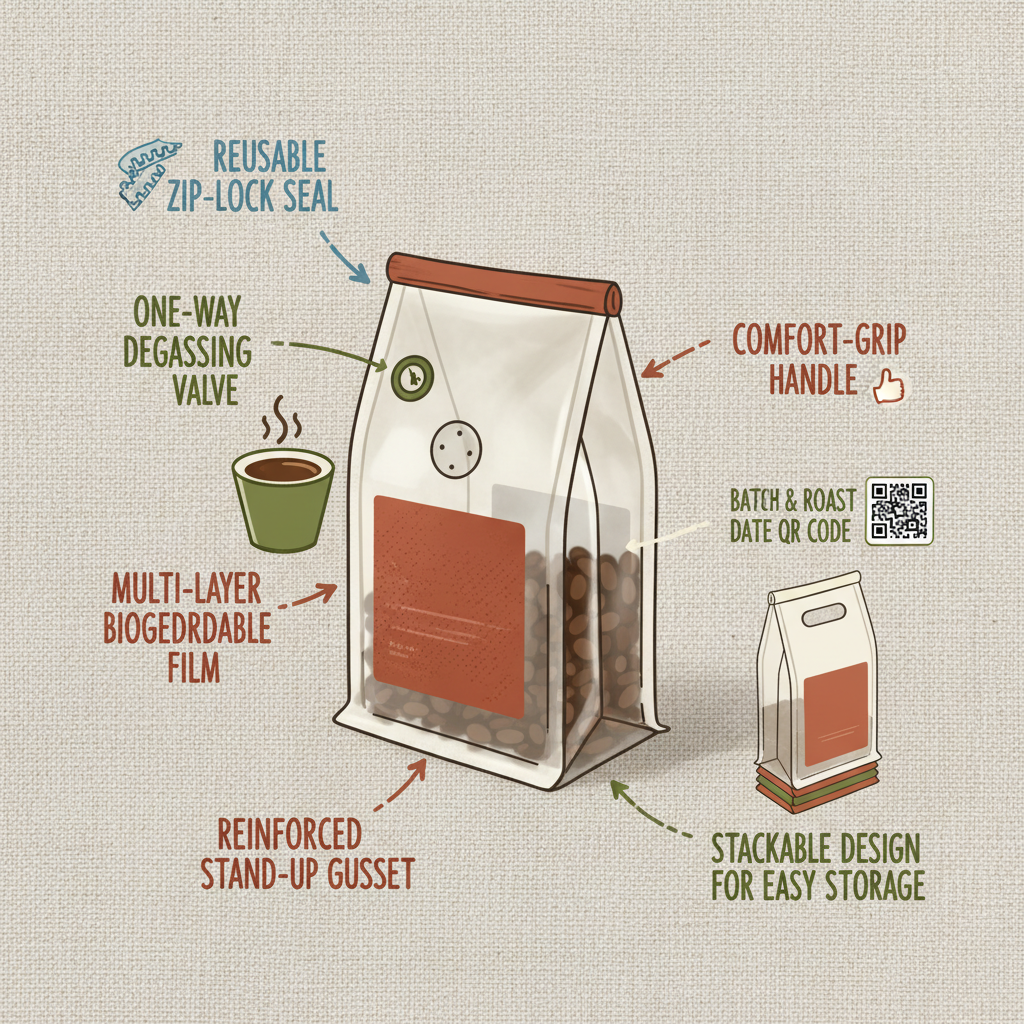
The structural integrity of a stand-up pouch depends on the synergy between the gusset design and the material thickness. A well-engineered bottom gusset allows the bag to support the weight of the contents without tipping, which is critical for retail shelf stability. This is often paired with side-seal or fin-seal constructions depending on the filling method.
From a technical standpoint, the "resealable" aspect is achieved through precision-extruded zipper tracks. These must be calibrated to ensure a consistent seal without requiring excessive force from the consumer, while remaining robust enough to prevent accidental leakage during transit.
Advanced pouches now incorporate multi-layer laminates. For instance, combining VMPET (Metallized Polyester) for light and oxygen blocking with PE (Polyethylene) for moisture resistance and heat-sealability creates a composite that protects sensitive ingredients from oxidation and humidity.
In the food and medical packaging sectors, material purity is non-negotiable. The selection of polymers must be strictly compliant with international standards to prevent chemical migration from the packaging into the product.
Food-grade certification, specifically compliance with FDA and EU standards, ensures that materials like VMPET, NY, and PE are processed without contaminants, maintaining the chemical stability of the contents across varying storage temperatures.
Beyond safety, functionality is tailored through customized additives. UV block layers are integrated for light-sensitive products, while moisture-proof barriers are essential for powders. High-barrier aluminum foil layers remain the gold standard for aseptic storage of liquids and oils, offering nearly absolute protection against external atmospheric influence.
Different product categories require varying levels of protection. For example, coffee requires a high oxygen barrier to prevent the degradation of aromatic oils, whereas pet food focuses more on moisture exclusion to prevent clumping and spoilage.
When evaluating wholesale options, procurement managers often use a relative index to compare the efficacy of different material structures against specific environmental threats like humidity, UV light, and oxygen permeability.
The efficiency of a packaging line depends on how well the pouch format aligns with the filling equipment. For high-volume producers, the choice between Vertical Form Fill Seal (VFFS) and Horizontal Form Fill Seal (HFFS) determines whether the manufacturer should procure roll stock film or pre-made pouches.
Customization extends to the pouch's physical dimensions and opening style. For automated lines, specific tolerances in the "lay flat" or "J-fold" configurations are necessary to prevent jams. Ensuring the heat-seal surface is optimized for the machine's temperature and pressure settings is critical to avoiding seal failure and subsequent product contamination.
The flexible packaging industry is facing a paradigm shift toward sustainability. Traditional multi-material laminates, while effective, are difficult to recycle. This has led to the development of mono-material structures and the integration of Post-Consumer Recycled (PCR) content.
Current advancements allow for PCR content ranging from 30% to 75% without significantly compromising the tensile strength or the barrier properties of the film. The goal is to create a "circular" lifecycle where the packaging can be collected and reprocessed into new pouches.
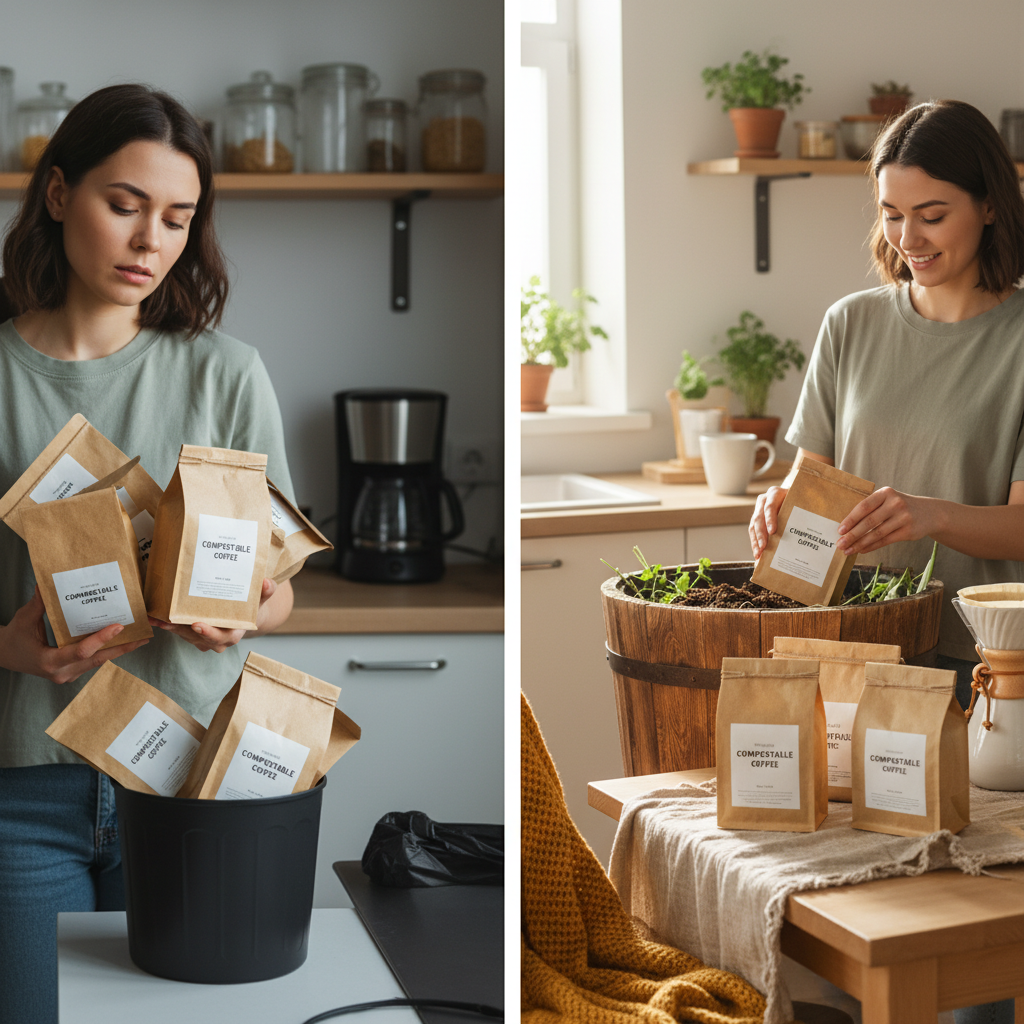
Furthermore, compostable flexible packaging is emerging for short-shelf-life products. These materials break down under industrial composting conditions, providing a viable alternative for organic brands looking to eliminate permanent plastic waste from their supply chain.
Procuring wholesale resealable stand up pouches requires a systematic evaluation of trade-offs. A lower-cost film may save money upfront but increase spoilage rates, while an over-engineered barrier may add unnecessary cost and weight.
The decision process should begin with the product's sensitivity to oxygen and light, followed by the intended shelf life and the available filling infrastructure. For example, a brand utilizing 10-color gravure printing for luxury aesthetics must ensure the ink is food-safe and does not interfere with the heat-sealing process.
Ultimately, the value is found in a customized material structure that meets the minimum required barrier while maximizing recyclability and machine compatibility.
| Product Category | Key Requirement | Recommended Material | Suitability Index |
|---|---|---|---|
| Premium Coffee | Oxygen/Aroma Barrier | VMPET/PE or AL Foil | High |
| Dried Snacks | Moisture Resistance | PET/PE | Medium |
| Organic Powders | Sustainability | Compostable/PCR | High |
| Liquid Juices | Aseptic/Leak-proof | NY/PE/AL Foil | Critical |
| Pet Treats | Durability/Puncture | NY/PE | High |
| Household Chem | Chemical Stability | Custom High-Barrier | Medium |
The primary difference is the bottom gusset. A stand-up pouch is designed with a foldable bottom that expands when filled, allowing the package to stand vertically on retail shelves. This increases visibility and provides a more professional presentation compared to flat bags, which lay horizontal and are typically used for internal storage or secondary packaging.
Assess your product's sensitivity to three factors: oxygen, moisture, and light. For high-oxygen sensitivity (like coffee), VMPET or Aluminum foil is necessary. For moisture-sensitive products (like salts or powders), a PE inner layer is standard. If the product is light-sensitive, opaque materials or UV-blocking additives are required to prevent oxidation and color fading.
Modern PCR (Post-Consumer Recycled) films, particularly those with 30%-75% content, are engineered to mimic the mechanical properties of virgin resins. While extremely high percentages of PCR can sometimes affect transparency or tensile strength, professional grade PCR packaging maintains the necessary seal integrity and puncture resistance for most commercial applications.
Wholesale procurement allows for significant economies of scale, reducing the unit cost per bag. More importantly, it ensures batch consistency in color and material thickness, which is critical for automated filling lines. Wholesale orders also typically allow for more extensive customization in terms of printing (e.g., 10-color gravure) and tailored material structures.
Yes, provided the pouch design matches the machine's requirements. Most automated systems require a specific opening width and a stable "mouth" to allow the filler nozzle to enter. Options like "lay flat" or "center fold" pouches are designed specifically for VFFS or HFFS machines to ensure a seamless, high-speed filling and sealing process.
Check for certifications such as FDA (USA) or EU food-grade compliance. A reputable manufacturer should provide a Certificate of Analysis (COA) confirming that the raw materials used—such as VMPET, NY, or PE—are free from prohibited chemicals and that the lamination process uses food-safe adhesives that prevent migration into the product.
The shift toward specialized flexible packaging represents a broader industry move toward efficiency and environmental responsibility. By integrating high-barrier materials with resealable functionality, businesses can simultaneously enhance the consumer experience and extend product viability.
As the market continues to embrace PCR and compostable materials, the key to successful procurement lies in the technical alignment between product needs, machine capabilities, and sustainability goals. Investing in a tailored packaging solution is not just about protection—it is about optimizing the entire supply chain for the modern global market.