
Sustainable Bulk Packaging Solutions for Eco-Friendly Businesses
Introduction: Why Sustainable Bulk Packaging Matters in a Green Economy
In the fast-evolving world of packaging, sustainability has moved from a buzzword to an industry imperative. Increasing regulations, shifting consumer expectations, and urgent environmental concerns are fueling rapid growth and innovation in sustainable bulk packaging. Key expressions such as recyclable packaging bags, recyclable packaging, sustainable packaging materials, and sustainable food packaging dominate both industry discussions and online searches. In this comprehensive guide, we will explore major trends, critical technical data, application scenarios, and emerging technologies shaping the future of bulk packaging sustainability.
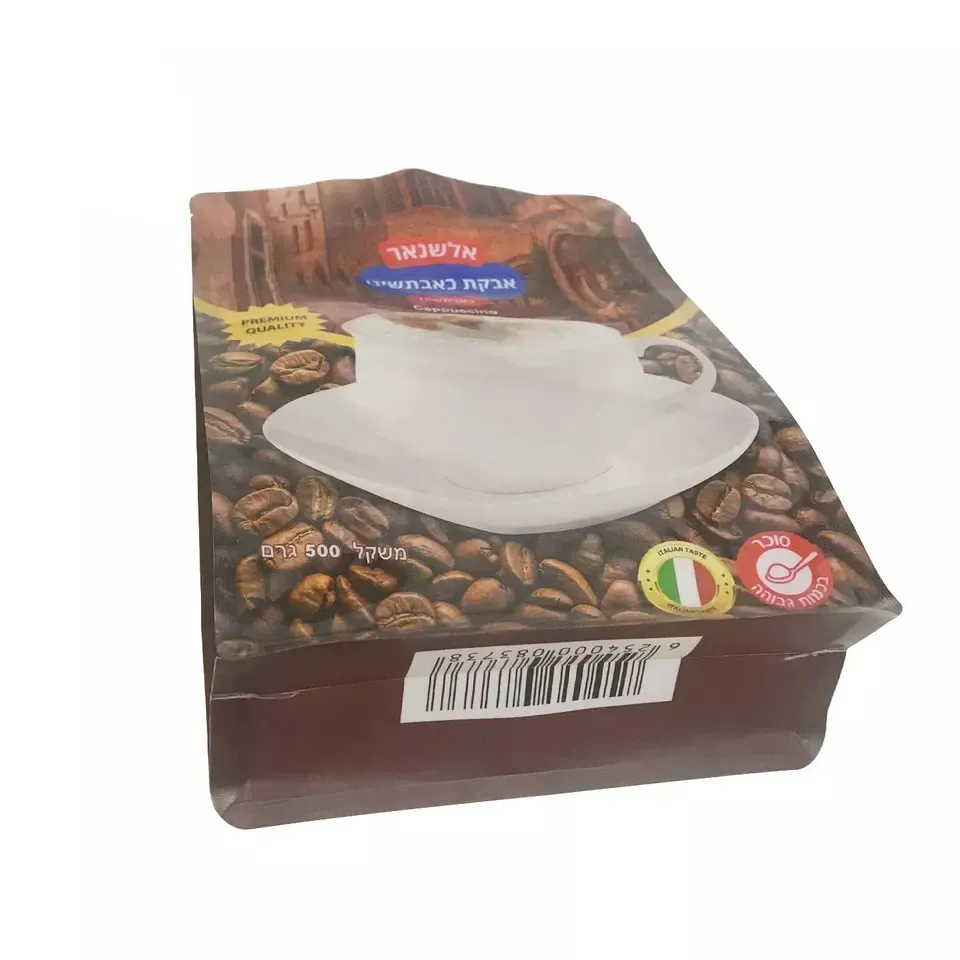
DSLPACK: Authority in Sustainable Bulk Packaging
DSLPACK Established CO., LTD. stands as a pioneer in green packaging innovation, holding years of expertise in custom flexible packaging for industries ranging from food & beverage to industrial applications. All our products strictly adhere to global standards, including FDA and EU regulations, and are developed with sustainability at their core.
Phone: 86-133 3649 8096
Mobile: 86-757- 88811186
Email: enid@bc-pak.com
Address: No. 6 Hefu Road, Hengjiang Industrial Zone, Gaoming District, Foshan, Guangdong Province, China
Global Trends in Sustainable Bulk Packaging
The market size for sustainable bulk packaging is expected to reach USD 256.6 billion by 2028, growing at a CAGR of 5.7% (Ref: MarketsandMarkets ). Demand is fueled by increasing government regulations on packaging waste, a surge in e-commerce, and mounting consumer environmental awareness. Notably, recyclable packaging bags and sustainable food packaging solutions command the highest growth rates within this sector.
| Parameter | Typical Value/Range | Description | Impact on Sustainability |
|---|---|---|---|
| Material Composition | PET, PE, PA, BOPP, Compostable PLA, Paper, Foil | Types of sustainable/substitutable packaging materials | Directly affects recyclability and environmental impact |
| Barrier Properties | 0.1–1.5 g/m²/24h (WVTR) | Water vapor transmission rates for long shelf-life | Vital for food safety/reduction in food waste |
| Recyclability Rate | 60%–95% | Ease of recycling in end-markets | Key measure of sustainable packaging effectiveness |
| Biodegradability | 6 months–2 years | Decomposition time in industrial composting | Minimizes landfill load |
| Certifications | FDA, EU 10/2011, FSC, OK Compost | Compliance to safety/sustainable standards | Legitimizes sustainability claims |
| CO₂ Footprint | 10%–40% lower than conventional | Relative to standard plastic packaging | Reduction of environmental harm |
Product Profile: Customized Printing Coffee Bags—A Sustainable Bulk Packaging Solution
- Item No.: 00097
- Product Name: Customized Printing Coffee Bags
- Materials: PET, PA, PE, BOPP, CPP, VMPET, Foil, etc.
- Certifications: Food-grade (EU, FDA compliant)
- Food-safe: Yes
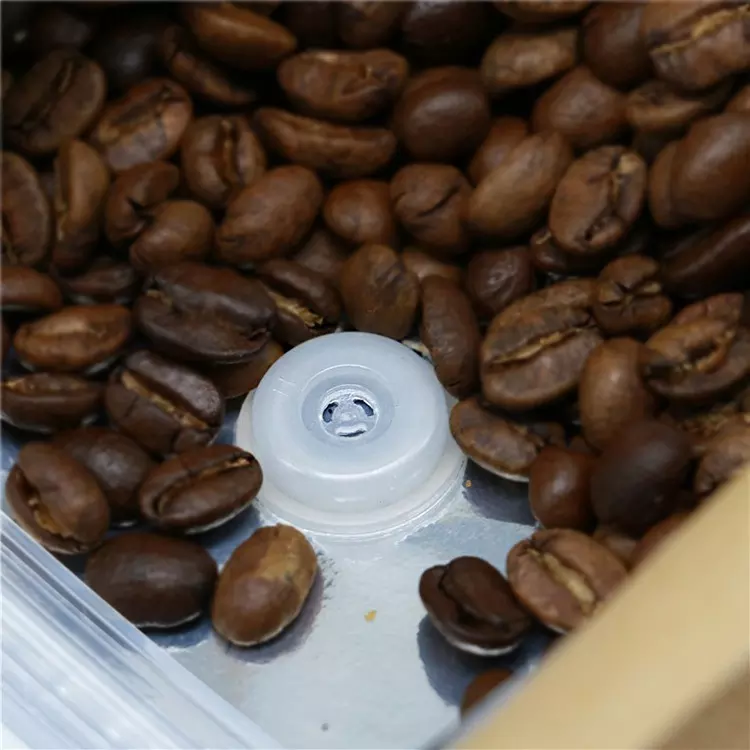
- Valve Types: WIPF/China valve
- Applications: Coffee, Spices, Herbs, Tea
- Product URL: View Product
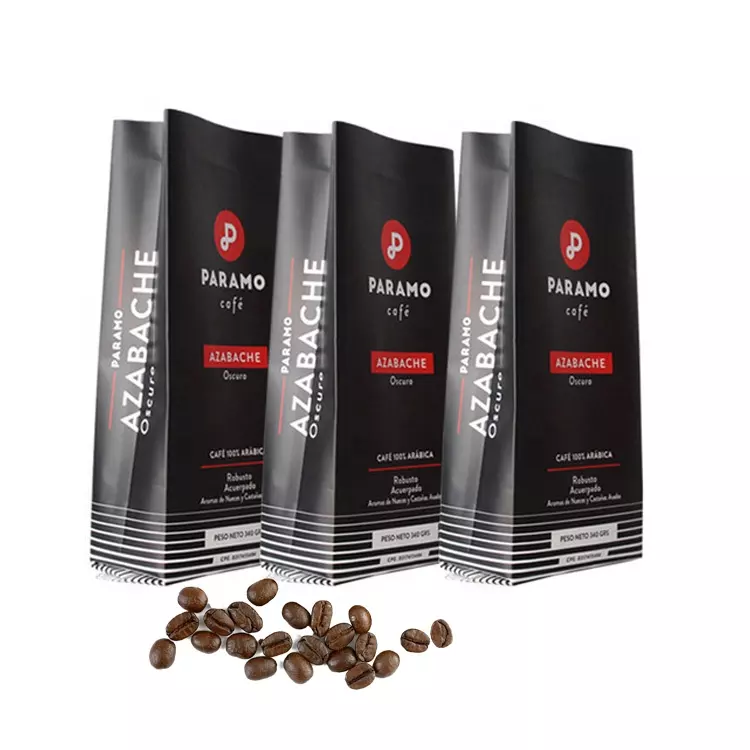
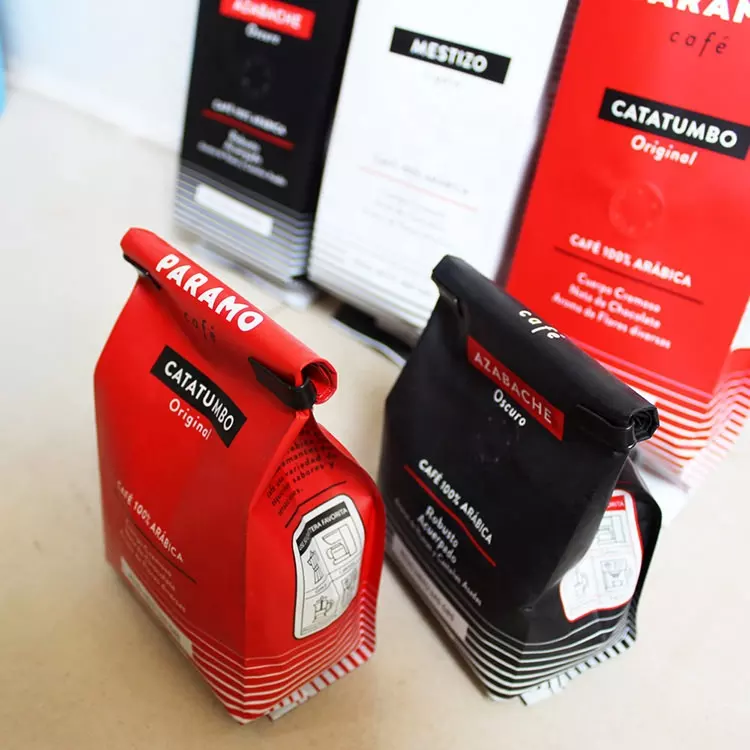
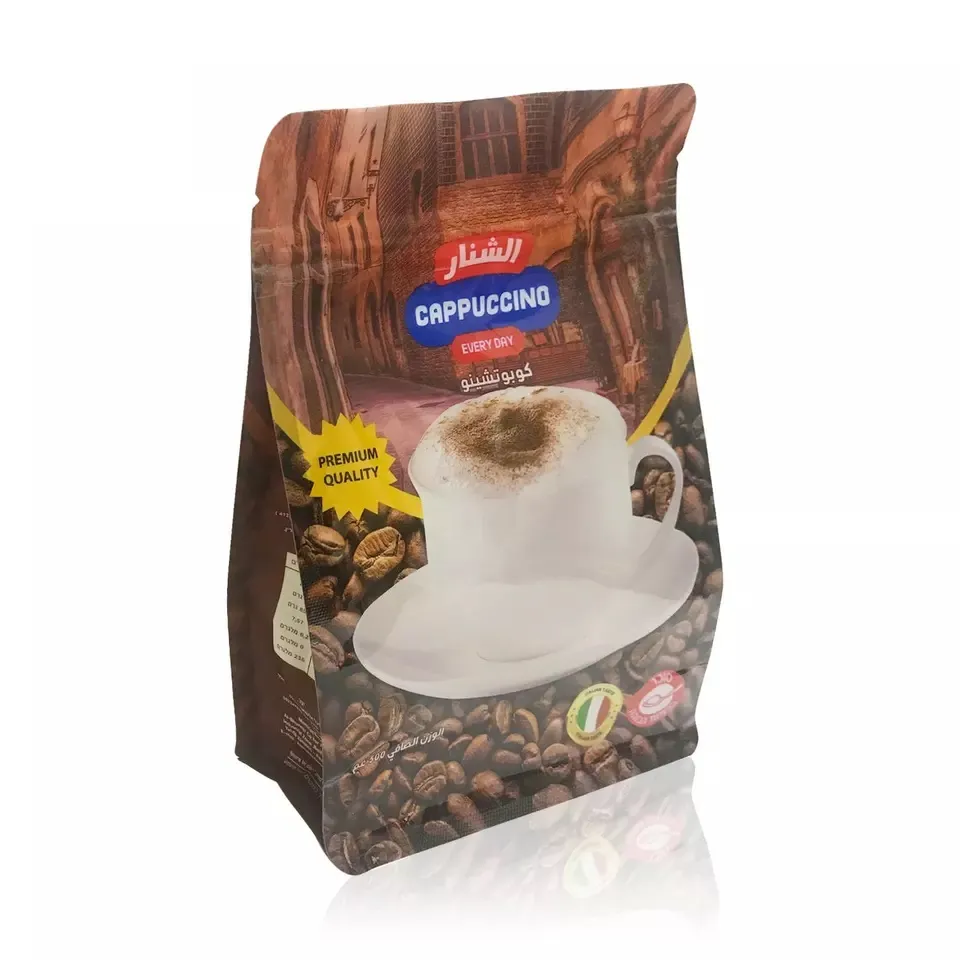
DSLPACK’s Customized Printing Coffee Bags not only guarantee optimal protection for premium coffee, but also represent a cutting-edge step in sustainable bulk packaging for food. Built from carefully selected high-barrier, recyclable packaging materials, these bags offer outstanding performance in aroma retention, moisture protection, and shelf-life extension—all while fulfilling the highest ecological criteria.
Main Technical Indicators: Customized Printing Coffee Bags
Application Scenarios for Sustainable Bulk Packaging
- Food & Beverages: Coffee, tea, spices, grains, nuts, and snacks. Using recyclable packaging bags ensures food safety and reduces contamination risk.
- Industrial Goods: Chemicals, powders, resins packed at bulk scale with advanced barrier packaging materials to shield from moisture and oxygen.
- E-commerce & Retail Distribution: Bulk shipments of goods in sustainable packaging reduce transportation emissions and comply with green logistics strategies.
- Pharmaceutical & Healthcare: Safe and contamination-proof bulk bags designed to meet medical application standards.
- Agro-products & Seeds: Sustainable bulk packaging increases storage stability and reduces seed degradation losses.
By integrating high-recyclability materials, smart valves, and customizable printing, modern sustainable bulk packaging can meet specific demands of nearly every bulk packaging niche.
Expert FAQ: Unpacking the Technology of Sustainable Bulk Packaging
1. What are the main materials used in sustainable bulk packaging?
Answer: The main materials include recyclable plastics like PET, PE, BOPP, compostable PLA, paper laminates, and aluminum foil. Selection depends on the needed barrier, strength, and end-of-life recyclability (Ref: Journal of Polymers and the Environment).
2. How do recyclable packaging bags differ from traditional plastic bags?
Answer: Recyclable packaging bags are engineered for easy collection, separation, and reprocessing in recycling streams. They avoid multilayer structures difficult to recycle and often include eco-certifications (Ref: PlasticsToday).
3. What is WVTR and why is it important in sustainable food packaging?
Answer: WVTR (Water Vapor Transmission Rate) is the amount of moisture penetrating packaging per area in 24h. Superior WVTR performance preserves product quality and extends shelf-life, crucial to sustainable food packaging (Ref: ScienceDirect).
4. Which certifications ensure sustainable bulk packaging meets food safety standards?
Answer: Important certifications include FDA, EU 10/2011, FSC for paper sources, and OK Compost for compostability. DSLPACK products comply with these global standards.
5. How do valves (like WIPF or China valve) enhance packaging performance?
Answer: Valves enable the one-way release of gases (CO₂), preserving aroma and preventing oxidation in bulk coffee, spices, and tea—Essential for high-barrier, food-safe packaging.
6. What role does customized printing play in sustainable packaging?
Answer: Customized printing improves brand communication while utilizing food-safe inks and low-energy curing, aligning marketing objectives with ecological requirements (Ref: Packaging Digest).
7. How should businesses choose the right bulk packaging specification?
Answer: Key factors include product sensitivity, volume/weight, logistics, regional recycling infrastructure, and regulatory requirements. Consulting experienced packaging engineers (like those at DSLPACK) helps in optimizing choices for sustainability and performance.
The Path Forward for Sustainable Bulk Packaging
The intersection of policy shifts, consumer advocacy, and advanced materials science is accelerating the global adoption of sustainable bulk packaging. To succeed, brands need to partner with trusted, reputable manufacturers such as DSLPACK Established CO., LTD. for expert solutions in recyclable packaging bags, sustainable packaging materials, and custom-branded sustainable food packaging. The future belongs to those who prioritize both eco-values and technical excellence—delivering safe, reliable, and truly green packaging options at scale.
Explore DSLPACK’s Customized Printing Coffee Bags
References & Further Reading
- MarketsandMarkets. (2024). Sustainable Packaging Market.
- Springer (2023), Journal of Polymers and the Environment
- ScienceDirect (2022), Moisture Barrier Properties in Food Packaging
- PlasticsToday (2021), Understanding Recyclable Flexible Packaging
- Packaging Digest (2023), Printing for Sustainable Packaging
- Flexible Packaging Association, Industry Statistics
- Packaging Europe, Sustainability in Packaging
- Packaging Forum, Environmental Sustainability


- No. 6 Hefu Road, Hengjiang Industrial Zone, Gaoming District, Foshan, Guangdong Province,China
- Tel: 86-133 3649 8096
- Email:enid@bc-pak.com
-


