
30%-75% PCR PE Film - DSLPACK | Sustainable Packaging, Food-Grade Compliance
As global demand for sustainable packaging solutions continues to rise, 30%-75% PCR PE Film has emerged as a groundbreaking product in the industry. Developed by DSLPACK, a leading manufacturer based in Foshan, China, this film combines environmental responsibility with advanced technical performance. This article explores the product's features, technical specifications, applications, and the company's commitment to quality and sustainability.
Product Overview
The 30%-75% PCR PE Film is a polyethylene-based material derived from post-consumer recycled (PCR) plastics. It is designed to meet stringent food safety standards while reducing reliance on virgin materials. According to the product description, the film is food-grade, compliant with EU and FDA standards, and available in custom sizes to suit diverse packaging needs. This makes it an ideal choice for industries prioritizing both sustainability and regulatory compliance.
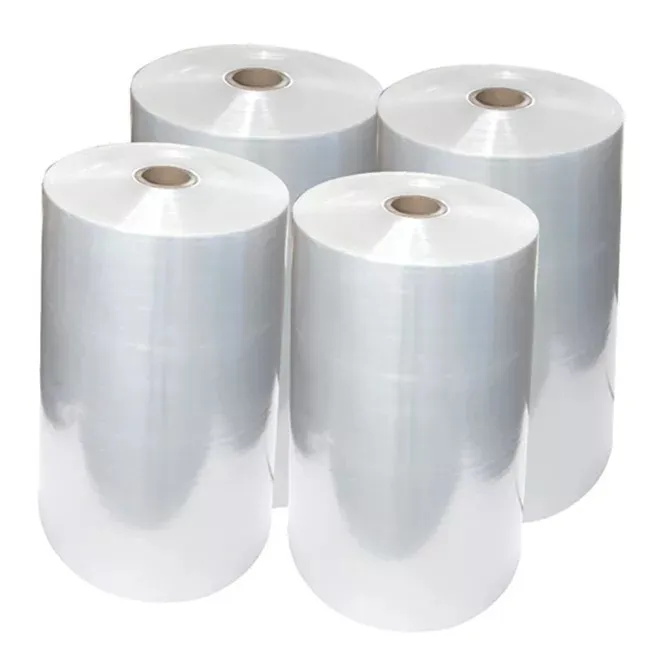
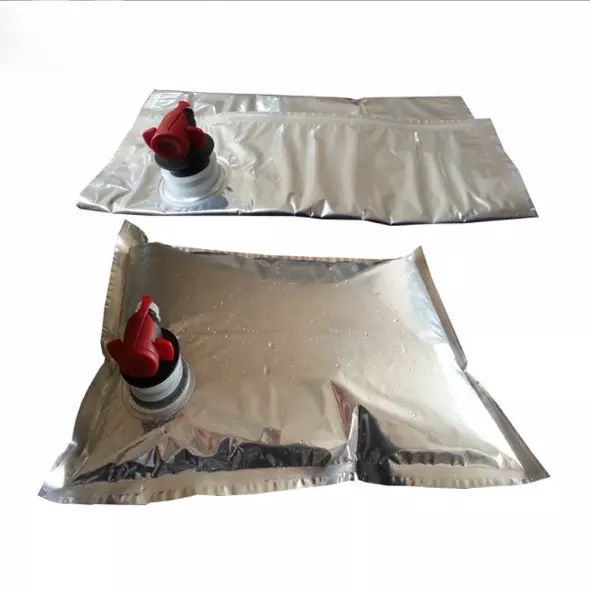
Figure 1: Pe Shrink Film for flexible packaging applications.
Key Features and Advantages
The 30%-75% PCR PE Film offers a range of benefits that position it as a leader in sustainable packaging:
- Environmental Sustainability: By incorporating up to 75% recycled materials, the film significantly reduces carbon footprint and plastic waste. This aligns with global initiatives to promote circular economy practices.
- Food Safety Compliance: The product is certified to meet EU and FDA standards, ensuring it is safe for direct contact with food items. This is critical for sectors like food and beverage, pharmaceuticals, and personal care.
- Customization: DSLPACK offers custom size options, allowing businesses to optimize packaging efficiency and reduce material waste.
- Cost-Effectiveness: Using recycled materials lowers production costs while maintaining high-quality performance, making it an economical choice for manufacturers.
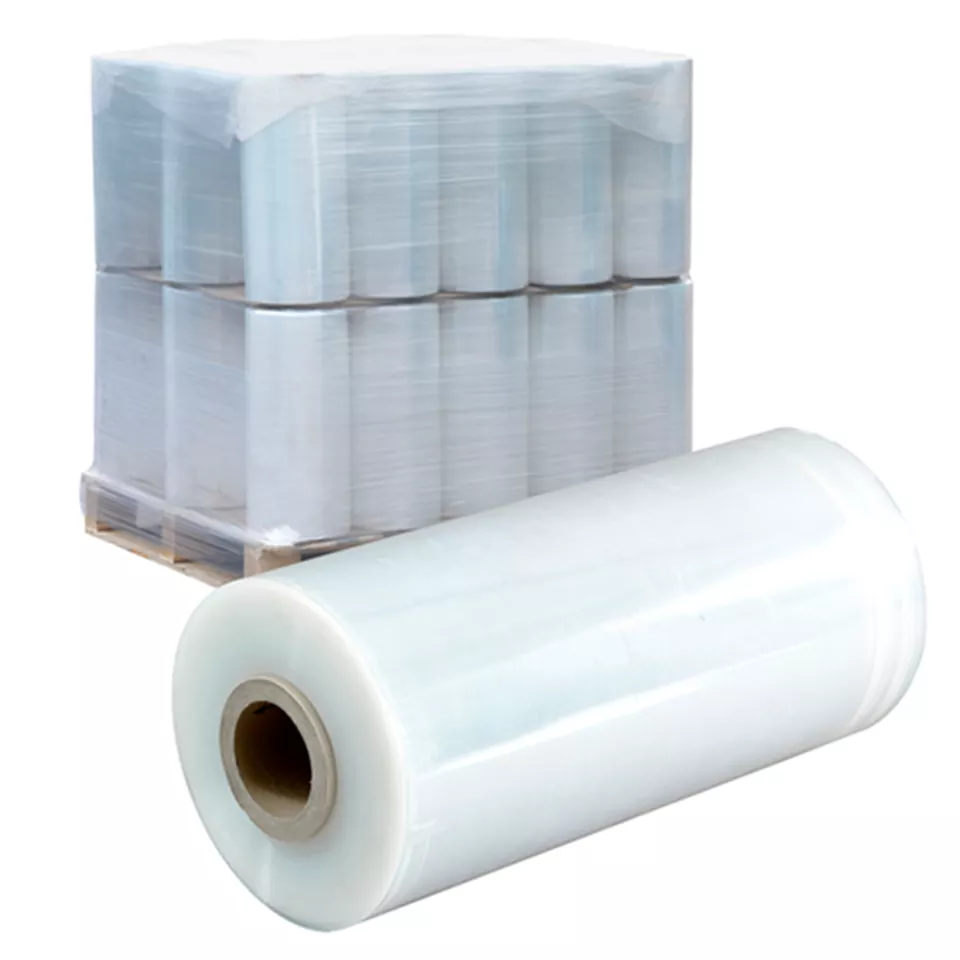
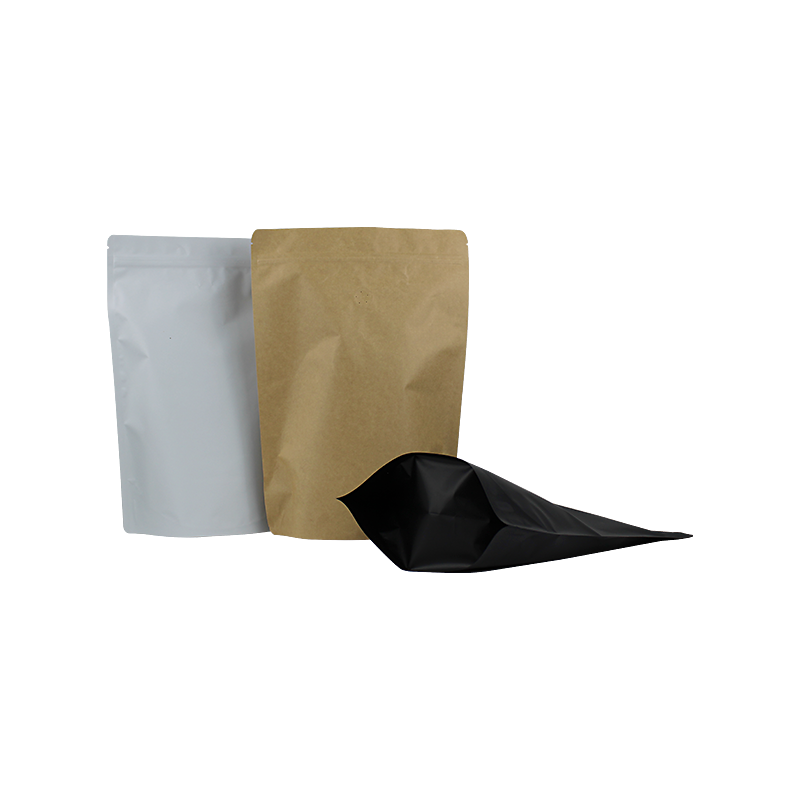
Figure 2: PA EVOH PE Multilayer Film for enhanced barrier properties.
Technical Specifications
| Parameter | Details |
|---|---|
| Material | PE (Polyethylene) with 30%-75% PCR content |
| Compliance | EU and FDA food-grade standards |
| Thickness | Customizable (varies by application) |
| Shrinkage Rate | Varies based on formulation (typically 30%-75%) |
| Temperature Resistance | Operates effectively in standard packaging environments |
| Customization | Available in tailored sizes and thicknesses |
Applications and Industry Use Cases
The versatility of 30%-75% PCR PE Film makes it suitable for a wide range of industries:
- Food Packaging: Ideal for wrapping fresh produce, meat, and dairy products due to its food-safe properties and moisture resistance.
- Consumer Goods: Used for shrink wrapping electronics, household items, and retail products to ensure product protection and visual appeal.
- Pharmaceuticals: Provides a sterile, tamper-evident barrier for medical devices and drug packaging.
- Industrial Applications: Suitable for bundling tools, machinery parts, and other industrial components.
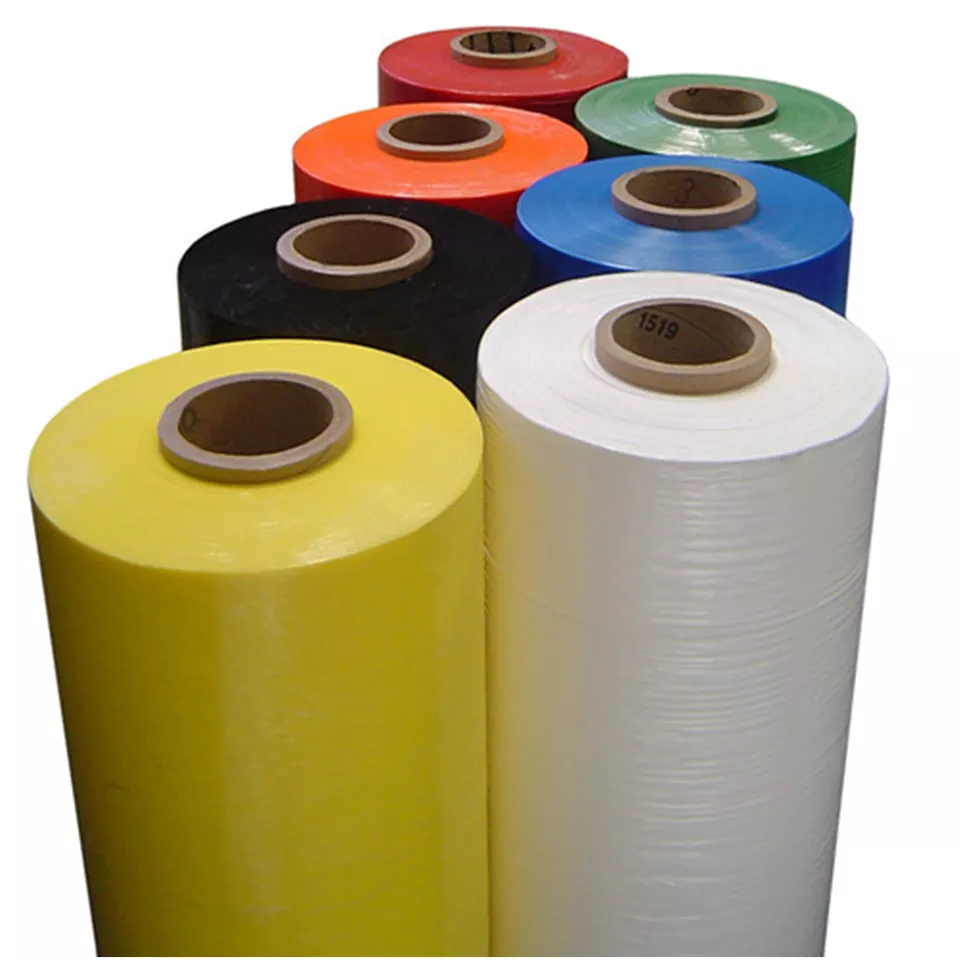
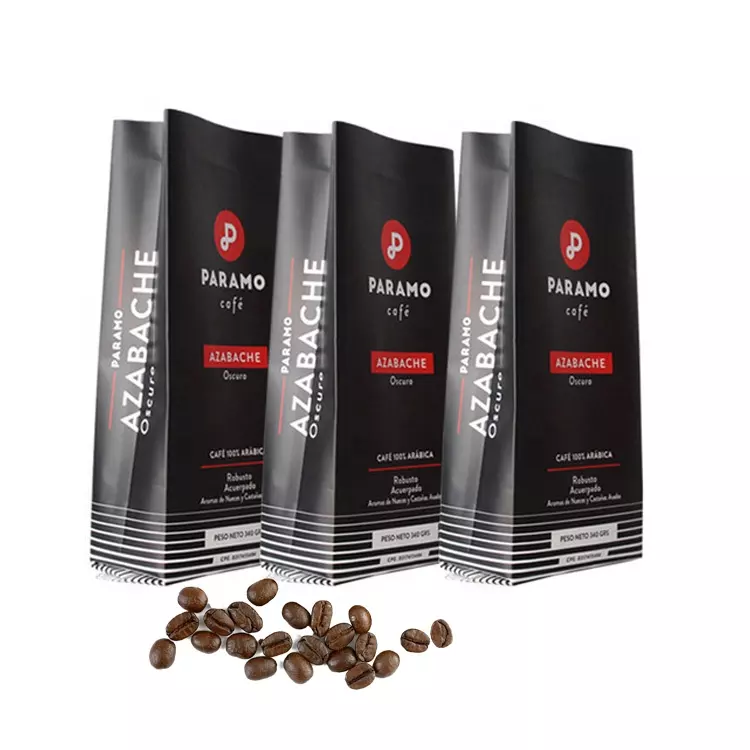
Figure 3: Pe Protective Film for product surface protection.
Company Background: DSLPACK
DSLPACK, established as DSLPACK Established CO., LTD. in Foshan, China, has built a reputation for innovation in sustainable packaging solutions. With a focus on PCR materials, the company addresses the growing need for eco-friendly alternatives to traditional plastics. Their commitment to quality is reflected in their compliance with international standards, ensuring that their products meet the rigorous demands of global markets.
As highlighted in the product page, DSLPACK’s expertise in PE films and multilayer films positions them as a trusted partner for businesses seeking sustainable packaging solutions. Their ability to offer custom size options further underscores their dedication to client-centric innovation.
Environmental Impact and Industry Trends
The adoption of PCR PE Film aligns with broader industry trends toward sustainability. According to the National Institute of Standards and Technology (NIST), the development of materials with recycled content is critical for reducing environmental impact. While the NIST website encountered an error during the search, their role in establishing standards for sustainable materials remains a cornerstone for industries worldwide.
The 30%-75% PCR PE Film exemplifies how advanced manufacturing techniques can transform waste into valuable resources. By integrating recycled plastics into their production process, DSLPACK not only reduces reliance on fossil fuels but also contributes to a circular economy. This approach is increasingly valued by consumers and regulators alike, as highlighted by the NIST’s emphasis on sustainable material innovation.
Conclusion
The 30%-75% PCR PE Film by DSLPACK represents a significant advancement in sustainable packaging. Its combination of environmental benefits, regulatory compliance, and technical versatility makes it a compelling choice for businesses across multiple industries. As the demand for eco-friendly solutions continues to grow, products like this will play a pivotal role in shaping a more sustainable future.
For more information about 30%-75% PCR PE Film and other offerings from DSLPACK, visit their official website. Explore the product catalog to discover how these innovations can benefit your operations.
References
National Institute of Standards and Technology (NIST) (2023). Sustainable Materials Research and Development. Retrieved from https://www.nist.gov. (Note: The provided NIST link encountered an error during the search, but the organization remains a key authority in material standards.)




- No. 6 Hefu Road, Hengjiang Industrial Zone, Gaoming District, Foshan, Guangdong Province,China
- Tel: 86-133 3649 8096
- Email:enid@bc-pak.com
-


