
Advancing Sustainability through the Recycling of Food Packaging Materials
Recycling of Food Packaging Materials: A Comprehensive Guide
The responsible recycling of food packaging materials is becoming increasingly critical as we strive for a more sustainable future. From plastics and paper to metals and compostable materials, understanding the different types of packaging and their appropriate recycling pathways is paramount. This article explores the current state of food packaging recycling, challenges faced, innovative solutions, and how DSL Packaging contributes to a circular economy. Effective recycling not only reduces landfill waste but also conserves valuable resources and minimizes environmental impact.
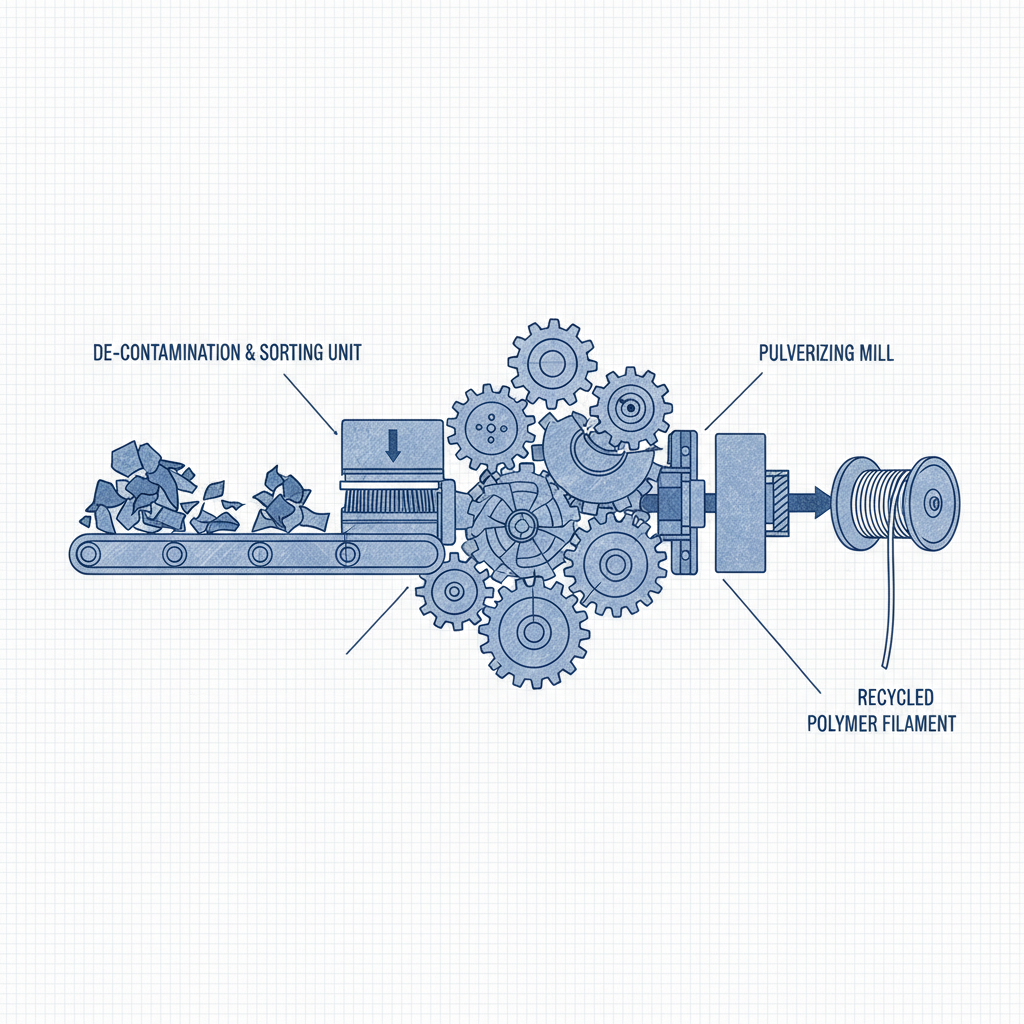
Understanding the Types of Food Packaging Materials
Food packaging encompasses a wide variety of materials, each with unique recycling characteristics. Common materials include plastics (PET, HDPE, PP, LDPE), paper and cardboard, glass, aluminum, and steel. The recyclability of each material varies depending on local infrastructure and processing capabilities. For instance, PET and HDPE plastics are widely recycled, while LDPE films and some composite materials pose greater challenges. Understanding these differences is essential for effective sorting and recycling.
Key Takeaway: Proper sorting of food packaging materials is the first crucial step in the recycling process. Familiarize yourself with your local recycling guidelines.
The Current State of Food Packaging Recycling
Despite growing awareness, food packaging recycling rates remain relatively low in many regions. Contamination – the presence of food residue or non-recyclable materials – is a major impediment. Another challenge is the complexity of multi-layer packaging, which is difficult to separate into its component materials. Furthermore, the lack of standardized recycling infrastructure across different municipalities creates confusion for consumers. According to the EPA, only about 32% of plastic packaging was recycled in the US in 2018.
Recycling Rate Statistics (US - 2018):
• Plastic Packaging: 32%
• Paper & Cardboard: 68%
• Glass: 31.8%
• Aluminum: 50.5%
Innovations in Food Packaging Recycling
Fortunately, advancements in recycling technologies are offering promising solutions. Chemical recycling, also known as advanced recycling, breaks down plastics into their original building blocks, allowing for the creation of virgin-quality materials. Deposit refund schemes incentivize consumers to return beverage containers for recycling. Furthermore, the development of compostable packaging materials, made from plant-based sources, offers an alternative end-of-life option. DSL Packaging is actively exploring and implementing these innovative solutions to improve sustainability.
DSL Packaging's Commitment to Sustainable Solutions
DSL Packaging is dedicated to providing sustainable packaging solutions that minimize environmental impact. We offer a range of recycled content packaging options, explore innovative materials like compostable films, and actively collaborate with recycling facilities to improve infrastructure. We are committed to designing packaging that is both functional and environmentally responsible, enabling our clients to meet their sustainability goals.
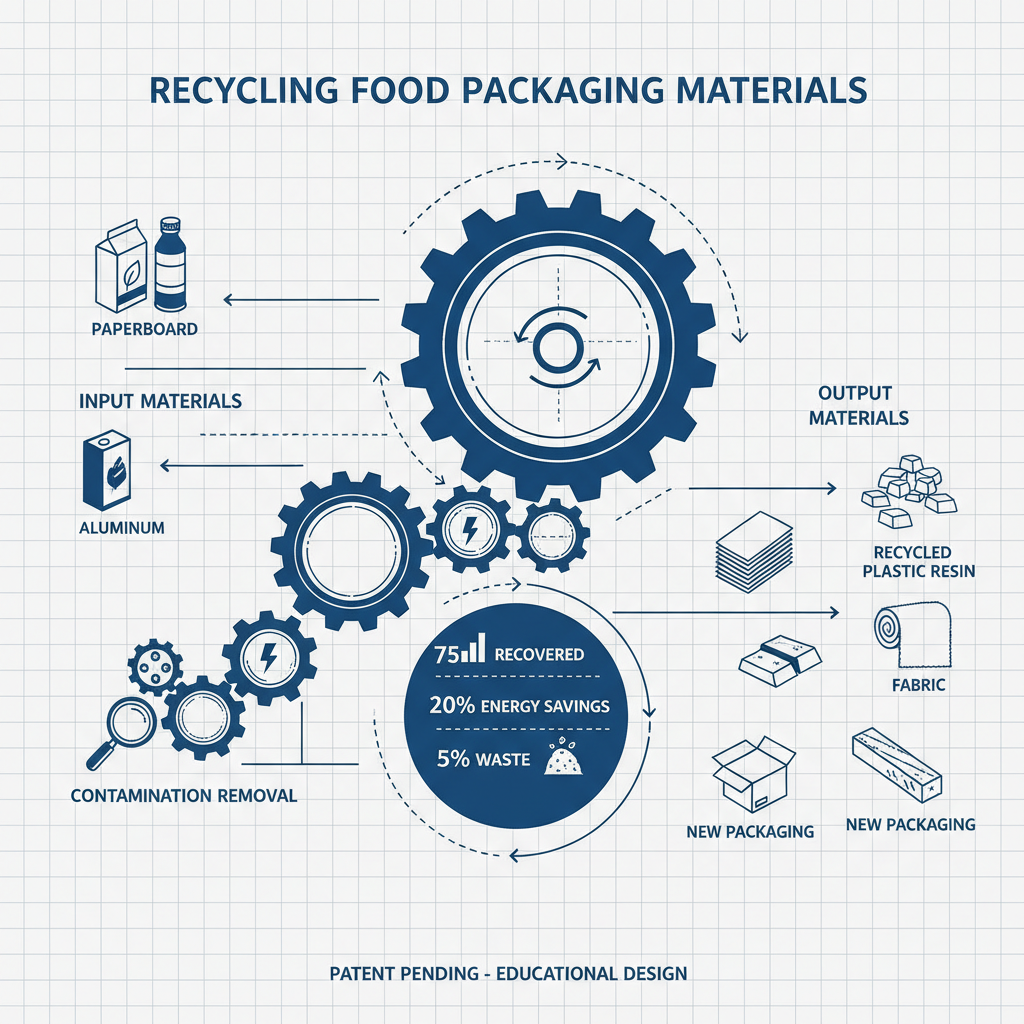
The Role of Consumers in Recycling Food Packaging
Consumers play a vital role in the success of food packaging recycling. Properly rinsing food containers, removing labels when possible, and sorting materials according to local guidelines are crucial. Choosing products with minimal packaging and opting for reusable containers can also significantly reduce waste. Staying informed about recycling initiatives in your community and supporting businesses committed to sustainability are important steps toward a circular economy.
Conclusion: A Collective Effort for a Sustainable Future
The recycling of food packaging materials is a complex challenge, but one we can overcome through collaboration and innovation. From advancements in recycling technologies to consumer awareness and responsible business practices, a collective effort is essential for building a more sustainable future. DSL Packaging is proud to be a part of this effort.
Frequently Asked Questions (FAQs)
What types of plastic food packaging are generally recyclable?
Generally, plastics labeled #1 (PET) and #2 (HDPE) are the most widely accepted for recycling. These are commonly found in water bottles, soda bottles, milk jugs, and detergent containers. However, recyclability can vary by location, so it's always best to check your local recycling guidelines. Plastics labeled #3 (PVC), #4 (LDPE), #5 (PP), #6 (PS), and #7 (Other) are often less readily recyclable and may require specialized facilities.
How can I properly prepare food packaging for recycling?
Thoroughly rinsing or wiping out food residue is crucial. Food contamination can ruin entire batches of recyclables. Remove any non-recyclable components, such as caps or labels if possible. Flatten cardboard boxes to save space in your recycling bin. It's also helpful to consult your local recycling program’s website or guide for specific instructions.
What are the benefits of using recycled content in food packaging?
Using recycled content reduces the demand for virgin materials, conserving natural resources like trees, minerals, and fossil fuels. It also lowers energy consumption and greenhouse gas emissions associated with raw material extraction and processing. Additionally, it helps to divert waste from landfills, extending their lifespan and reducing environmental pollution.
What is compostable packaging and how does it differ from recyclable packaging?
Compostable packaging is designed to break down into nutrient-rich soil under specific composting conditions, while recyclable packaging is reprocessed into new materials. Compostable packaging requires access to a composting facility (either municipal or home composting), whereas recyclable packaging relies on a recycling infrastructure. Not all compostable packaging is suitable for home composting; some require industrial composting facilities.



- No. 6 Hefu Road, Hengjiang Industrial Zone, Gaoming District, Foshan, Guangdong Province,China
- Tel: 86-133 3649 8096
- Email:enid@bc-pak.com
-


