
Are Stand Up Pouches Recyclable A Comprehensive Guide To Sustainability
Are Stand Up Pouches Recyclable? A Comprehensive Guide
The rise of sustainable packaging is a major trend in the food and beverage, personal care, and various other industries. Stand up pouches, known for their convenience and shelf appeal, are increasingly scrutinized for their end-of-life options. A key question consumers and businesses alike are asking is: are stand up pouches recyclable? This article dives deep into the recyclability of stand up pouches, exploring the materials used, current recycling infrastructure, and innovative solutions to improve their sustainability. We'll cover everything you need to know to make informed packaging decisions.
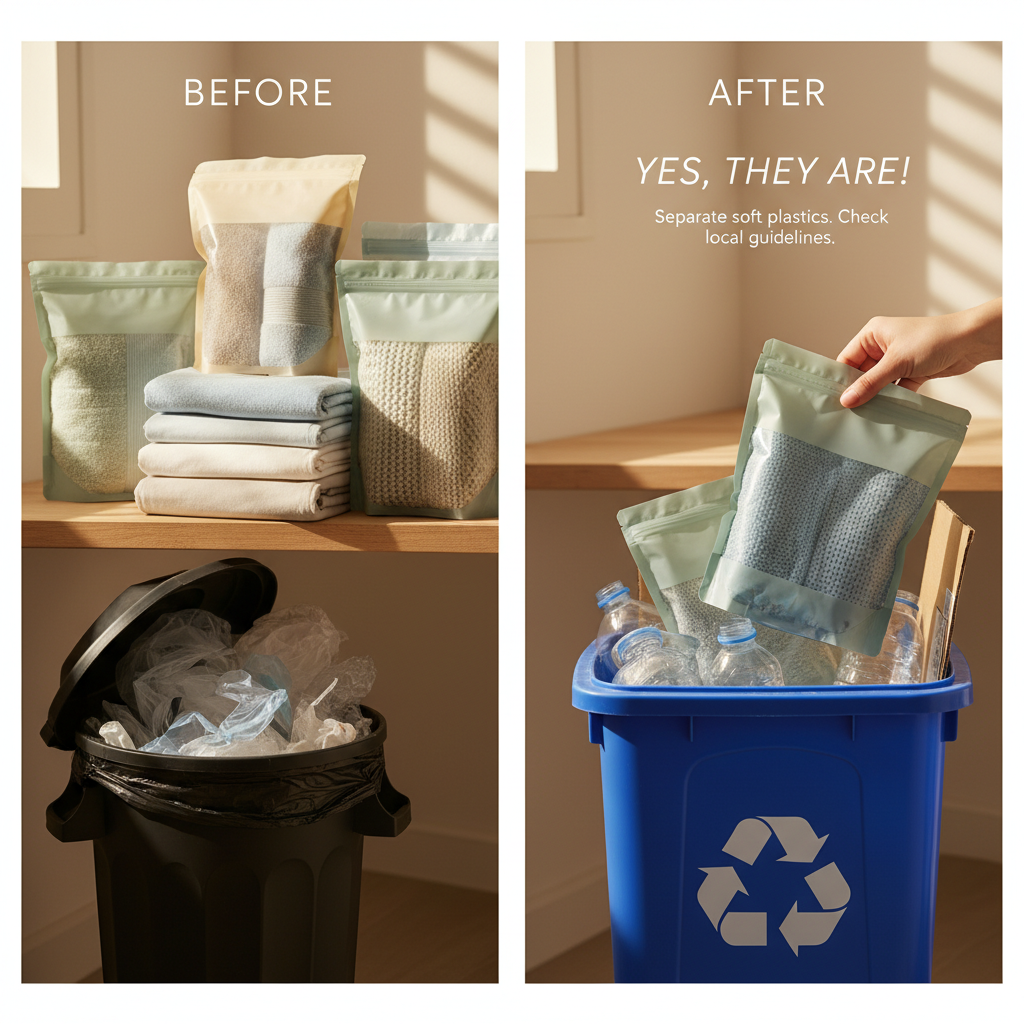
Understanding the Materials in Stand Up Pouches
The recyclability of a stand up pouch hinges on the materials used in its construction. Traditionally, these pouches are made from multiple layers of different plastics – often a combination of polyethylene (PE), polypropylene (PP), polyester (PET), and aluminum foil. This multi-material construction is designed to provide essential barrier properties like moisture resistance, oxygen protection, and aroma retention, crucial for preserving product freshness. However, this complexity poses a significant challenge to traditional recycling processes, as separating these layers is often difficult and costly. DSL Packaging specializes in creating innovative and recyclable pouch solutions.
Key Takeaway: The more materials a pouch contains, the lower its chances of being recycled using existing infrastructure.
The Challenges of Recycling Multi-Layer Pouches
The main hurdle in recycling stand up pouches lies in the difficulty of separating the different materials. Most Material Recovery Facilities (MRFs) aren't equipped to handle these complex structures. The various plastic films and aluminum layers are often tightly bonded, making it difficult to separate them efficiently. As a result, many stand up pouches end up in landfills, contributing to plastic waste accumulation. Furthermore, contamination with food residue can further complicate the recycling process, rendering the pouch unsuitable for reprocessing.
Recycling Barriers:
• Difficulty in separating mixed materials
• Lack of infrastructure at many MRFs
• Contamination from food residue
• High cost of separation technologies
Are Stand Up Pouches Recyclable? Current Status and Regional Variations
The recyclability of stand up pouches varies significantly depending on the region and the specific pouch composition. Currently, pouches made from 100% polyethylene (PE) are the most readily recyclable, as PE is a widely recycled plastic. However, even with PE pouches, acceptance at MRFs isn't universal. Some municipalities and retailers offer drop-off programs specifically for flexible packaging, including stand up pouches. In areas with advanced recycling infrastructure, chemical recycling is emerging as a promising solution for breaking down mixed plastic waste into its original components, allowing for the creation of virgin-quality plastic.
Innovative Solutions for Recyclable Stand Up Pouches
The industry is actively developing solutions to improve the recyclability of stand up pouches. These include designing pouches with mono-material structures (using a single type of plastic, like polypropylene), utilizing specialized adhesives that facilitate separation, and developing chemical recycling technologies. DSL Pack is at the forefront of these innovations, offering pouches designed for recyclability and collaborating with recycling facilities to improve infrastructure.
What Can You Do to Promote Stand Up Pouch Recyclability?
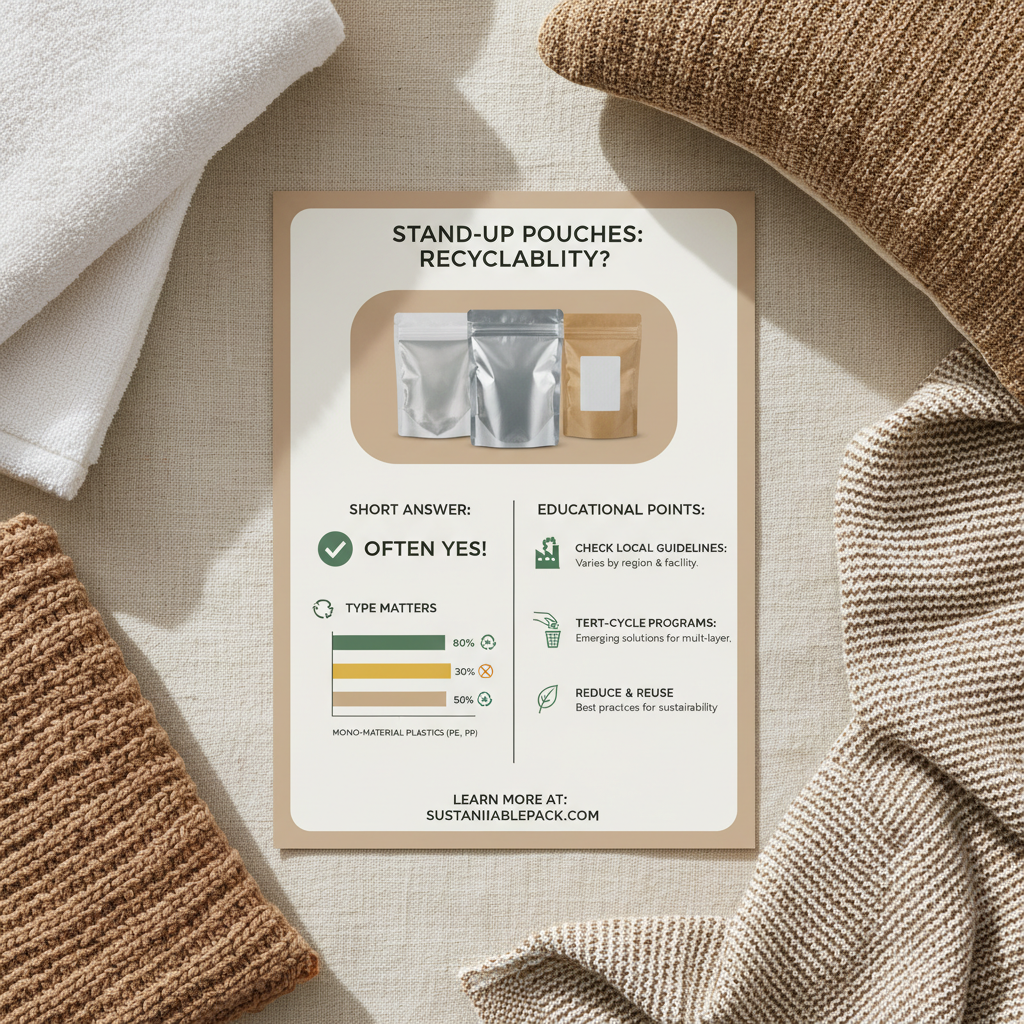
As a consumer or business, you can play a vital role in increasing the recyclability of stand up pouches. Look for pouches labeled as recyclable, check with your local recycling facility to see if they accept flexible packaging, and ensure pouches are empty and clean before recycling. Businesses should prioritize sourcing recyclable pouch materials and work with packaging suppliers like DSL Packaging to explore sustainable packaging options.
Conclusion: The Future of Stand Up Pouch Recycling
While the recyclability of stand up pouches presents challenges, significant progress is being made. With advancements in materials, recycling technologies, and infrastructure, we can move towards a more circular economy for flexible packaging. Choosing recyclable pouch options and actively participating in recycling programs are crucial steps in minimizing waste and protecting the environment.
Frequently Asked Questions (FAQs)
What does "store drop-off" mean for stand up pouch recycling?
"Store drop-off" refers to designated collection points at retail locations where you can bring your used stand up pouches and other flexible packaging for recycling. These programs are often run in partnership with recycling companies like TerraCycle. Because MRFs often can’t process these materials, store drop-off provides a dedicated pathway for them to be properly recycled. Check online resources like the TerraCycle website or search for local participating retailers to find a convenient drop-off location near you. This ensures your pouches don’t end up in landfills.
Are pouches with a metallized layer recyclable?
Pouches with a metallized layer (like aluminum) are generally more difficult to recycle than those made solely of PE or PP. The metallic layer complicates the separation process. However, advancements in recycling technology, particularly chemical recycling, are showing promise for processing metallized pouches. Currently, some recycling programs might accept these pouches, but it's crucial to check with your local facility or a store drop-off program to confirm. Mono-material pouches are the preferable option when possible.
What is chemical recycling and how does it apply to stand up pouches?
Chemical recycling, also known as advanced recycling, breaks down plastic polymers into their basic building blocks. This allows for the creation of virgin-quality plastic from waste materials, even from complex, multi-layer structures like stand up pouches. Unlike mechanical recycling, which relies on physically reprocessing the plastic, chemical recycling can handle contaminated or mixed plastic waste. While still developing, chemical recycling offers a potential solution for recycling pouches that aren’t currently accepted in traditional recycling streams.
How can businesses ensure their stand up pouches are as recyclable as possible?
Businesses should prioritize designing pouches with recyclability in mind. This includes choosing mono-material structures, using compatible adhesives, and minimizing the use of metalized layers. Partnering with a sustainable packaging supplier like DSL Packaging can provide expert guidance on recyclable materials and design options. Clear labeling indicating recyclability and instructions for proper disposal are also crucial for consumer participation.





- No. 6 Hefu Road, Hengjiang Industrial Zone, Gaoming District, Foshan, Guangdong Province,China
- Tel: 86-133 3649 8096
- Email:enid@bc-pak.com
-


