
Aseptic Bag - High-Barrier, Sterile Storage for Liquids
What’s Really Inside an aseptic bag (and why converters are buzzing)
A few years ago, only the big juice and tomato paste players cared about high-barrier liners. Now I’m hearing from mid-size coffee concentrates, oat-milk startups, even specialty breweries. They want the same performance, but simpler ops: easy-open seals, compliant materials, and traceable quality. To be honest, that’s where modern roll stock films earn their keep.
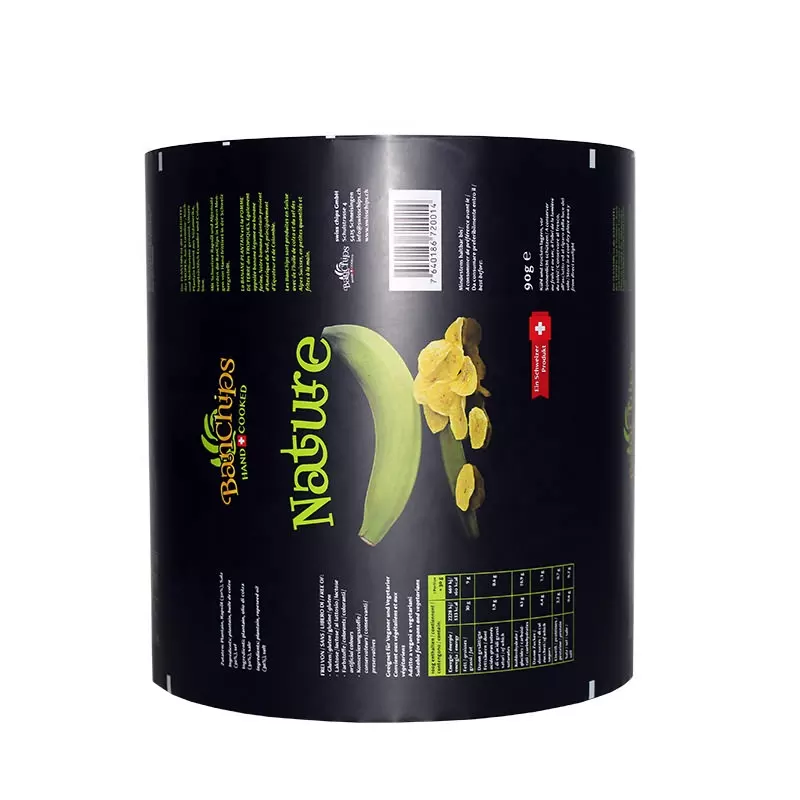
From film to finished liner
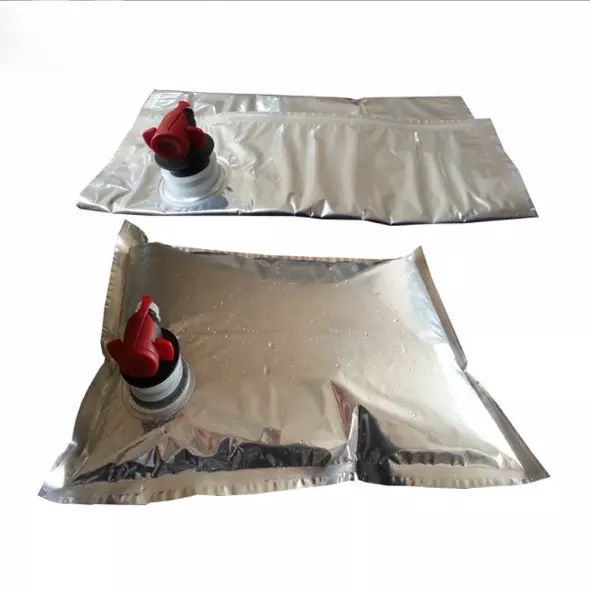
At the core, an aseptic bag is a multilayer structure tuned for oxygen, moisture, and light barrier—then converted in clean conditions and validated with merciless tests. I’ve been on factory floors where operators run thermal sealing windows back-to-back just to dial in consistency across bag mills. One brand I’ve followed is “Easy Peel Roll Stock Film” (Item No. 00098), coming out of Foshan, Guangdong (No. 6 Hefu Road, Hengjiang Industrial Zone, Gaoming District). Materials include PET, PA, PE, BOPP, CPP, VMPET, and Foil—food-grade, EU/FDA compliant, which matters more than marketing ever will.
Typical layer stack and key specs
| Item | Spec (≈, real-world use may vary) |
| Layer example | PET/VMPET/PA/PE or PET/AL/PA/PE, tailored per fill |
| Thickness | 70–150 μm (customizable); 0.5 oz to 30 kg formats |
| OTR | ≤ 0.5 cc/m²·day (ASTM D3985) |
| WVTR | ≤ 0.5 g/m²·day (ASTM F1249) |
| Seal strength | ≥ 12 N/15 mm (ASTM F88); easy-peel window tuned to filler |
| Compliance | EU 10/2011; FDA food-contact; HACCP, ISO/FSSC 22000 |
| Service life | 12–18 months sealed, ≤25°C, away from UV |
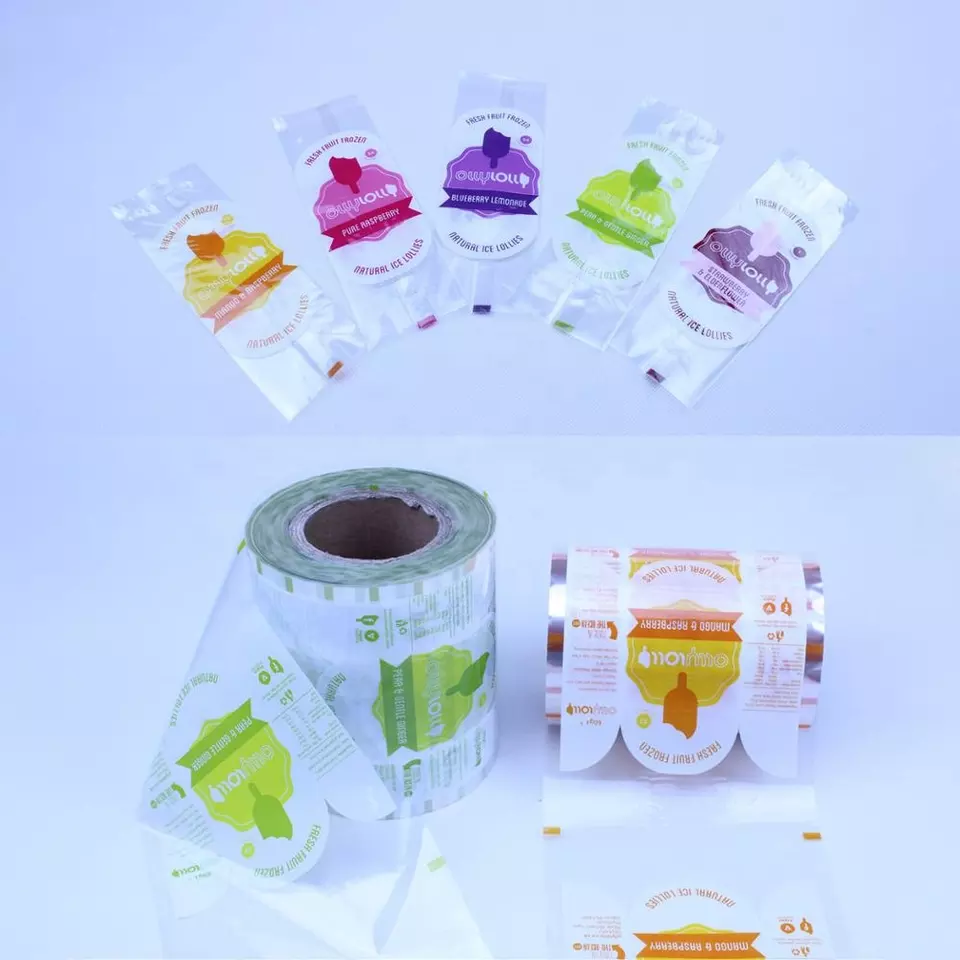
Process flow (how converters really run it)
- Material selection: food-grade PET/PA/PE/BOPP/CPP; optional VMPET or Foil for barrier.
- Extrusion/lamination: solventless adhesive, corona treatment, controlled curing.
- Print (optional): low-migration inks, E2E traceability codes.
- Slitting and bag making: high-precision gusseting, spout/fitment insertion.
- Clean handling: ISO 14644-compliant areas; bioburden control pre-packout.
- Sterility prep: H2O2 sterilant compatibility for fillers; residue targets ≤ 0.5 ppm.
- QA testing: burst, drop, peel curve, migration, OTR/WVTR, pinhole via E-test.
Where a strong aseptic bag earns its keep
- Bag-in-box juices, purees, tomato paste, dairy bases, coffee and tea extracts. - Liquid egg and flavor concentrates. - Sometimes dry-flowables that hate humidity. Many customers say the easy-peel feature reduces line slowdowns during cap or fitment QC—small thing, big ROI.
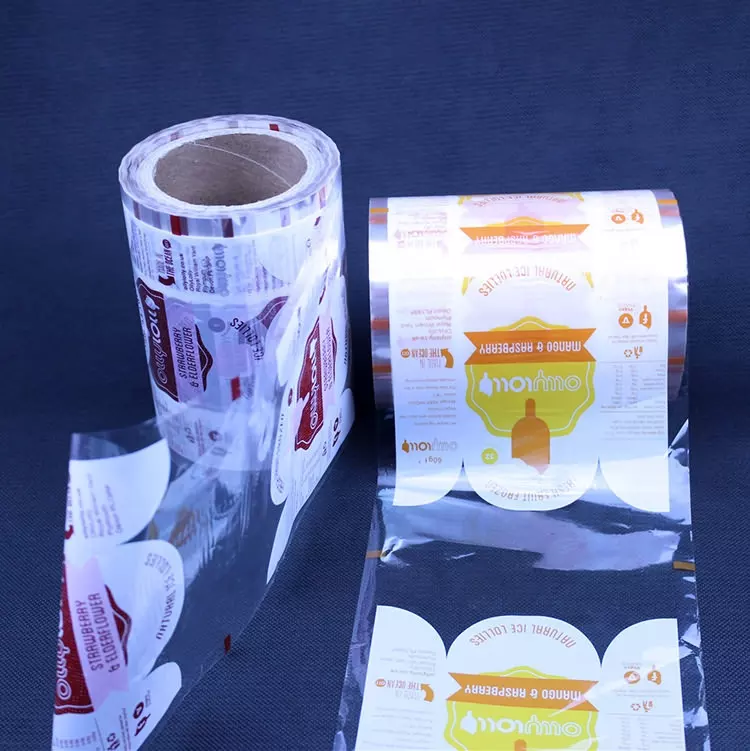
Vendor landscape (quick take)
| Vendor | Strengths | Watch-outs |
| DSLPACK (Foshan, China) | EU/FDA compliant materials; easy-peel window control; custom sizes 0.5 oz–30 kg; strong lamination QC | Lead-time planning needed during peak harvest seasons |
| Vendor A (Global) | Broad fitment library; North America warehousing | Higher MOQs for specialty barrier |
| Vendor B (EU) | Premium AL laminates; robust documentation | Cost premium; extended onboarding |
Customization, testing data, and what users report
- Customization: film recipe, peel force (≈3–8 N/15 mm), fitment geometry, print, antistatic.
- Test snapshots: seal strength ≥12 N/15 mm; burst ≥200 N; migration below EU 10/2011 SML; OTR/WVTR per table.
- Certs: ISO 22000/FSSC-22000, HACCP; FDA/EU food-contact declarations; BRCGS Packaging.
- Service life: validated up to 18 months for shelf-stable fills; refrigerated dairy bases often target 6–12 months.
Case in point: a Southeast Asia coffee concentrate line shaved 11% downtime after switching to an easy-peel spec; operators stopped over-heating seals just to avoid stick—surprisingly, waste fell with it.
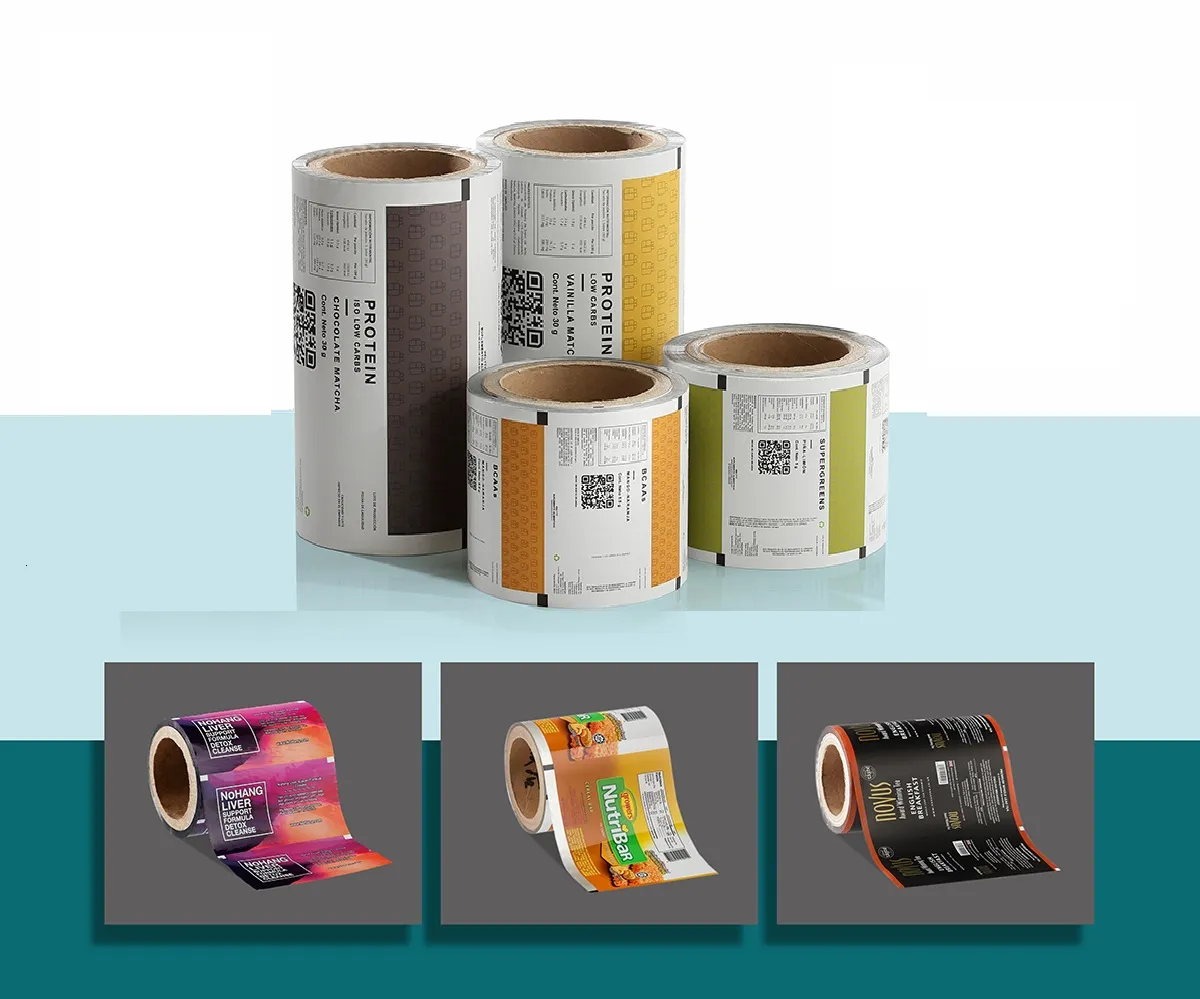
Final thoughts
If you’re qualifying a new aseptic bag, ask for peel-force curves across temperature, full OTR/WVTR reports, and seal microleak data after vibration. And, yes, confirm origin and traceability—here, that’s Foshan, Guangdong—before you scale.
References
- FDA 21 CFR 177.1520 – Olefin polymers (food contact)
- EU Regulation No 10/2011 – Plastic materials and articles intended to come into contact with food
- ASTM F88/F88M – Seal Strength of Flexible Barrier Materials
- ASTM D3985 – Oxygen Transmission Rate through Plastic Film
- ASTM F1249 – Water Vapor Transmission Rate through Plastic Film
- ISO 22000 / FSSC 22000 – Food Safety Management Systems; ISO 14644 – Cleanrooms




- No. 6 Hefu Road, Hengjiang Industrial Zone, Gaoming District, Foshan, Guangdong Province,China
- Tel: 86-133 3649 8096
- Email:enid@bc-pak.com
-


