
Aseptic Bag with High Barrier for Food & Pharma Safety
Aseptic Bag Packaging in 2025: film choices, test data, and what buyers actually ask
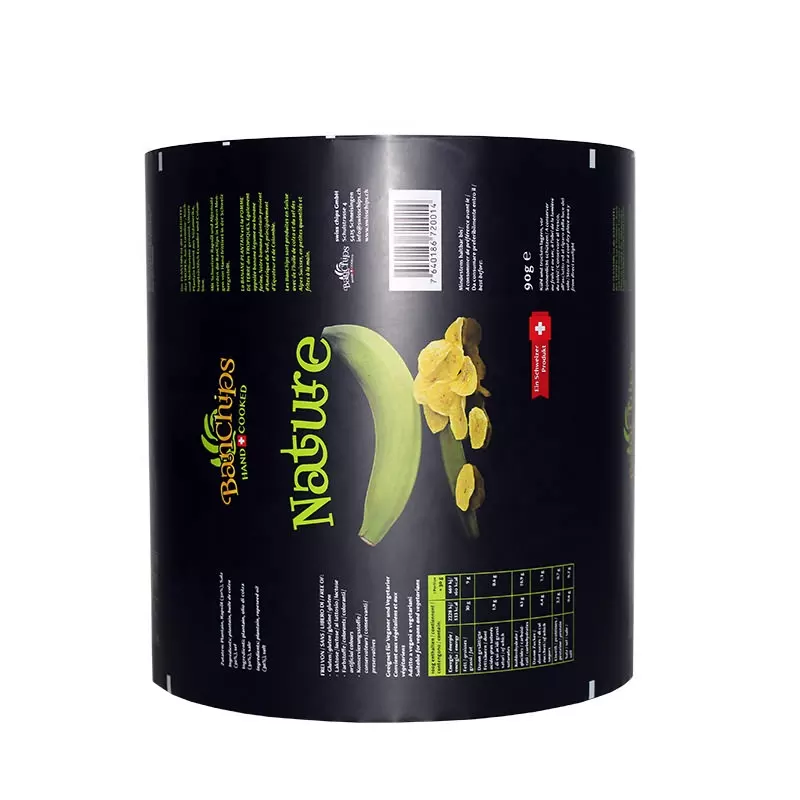
If you’re evaluating an aseptic bag program, you’re really choosing its “skin” first: the roll stock. I’ve toured plants from Foshan to Fresno and, to be honest, the quiet hero is the easy-peel sealant layer that lets fillers run faster and operators open packs without a fight.
Why it’s trending
Three forces: shelf-stable growth (UHT dairy, coffee concentrates, premium tomato), sustainability pressure (down-gauging, mono-PE), and a talent crunch that favors packaging that “just works.” Many buyers tell me the switch to an easy-peel liner cut changeover snags and reduced scrap—small wins that add up.
The film behind a aseptic bag
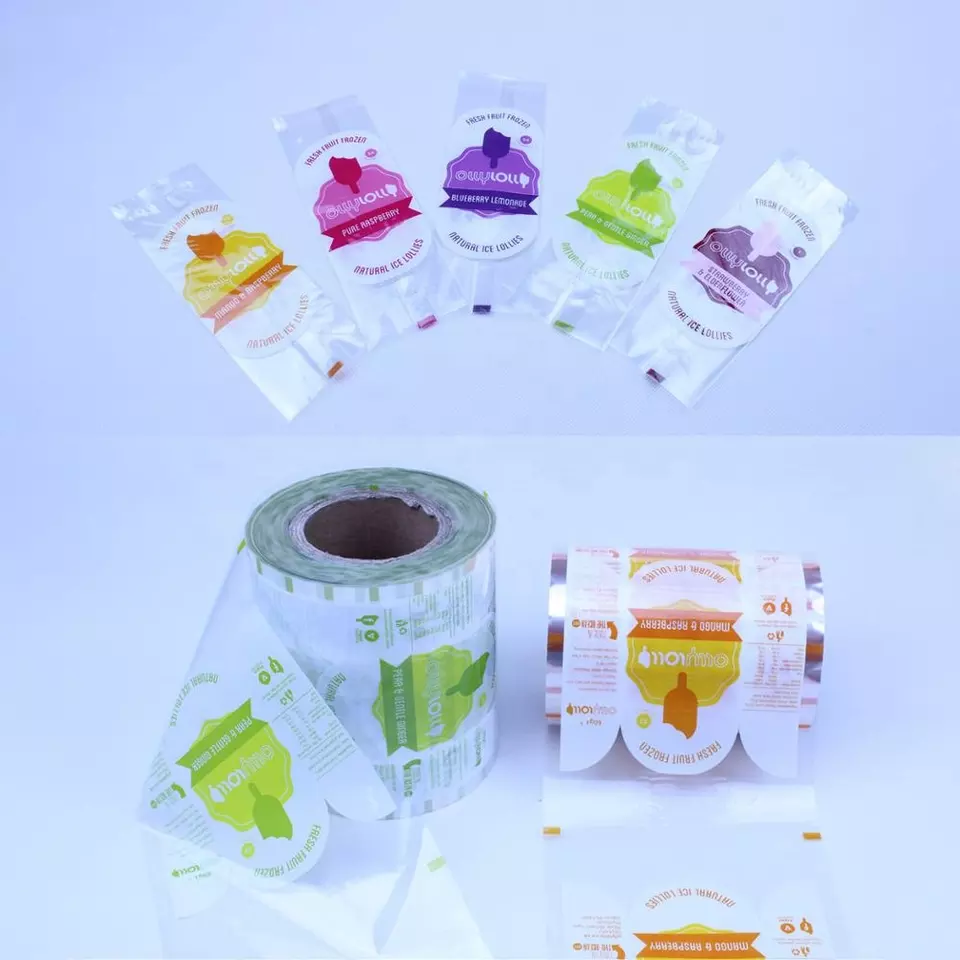
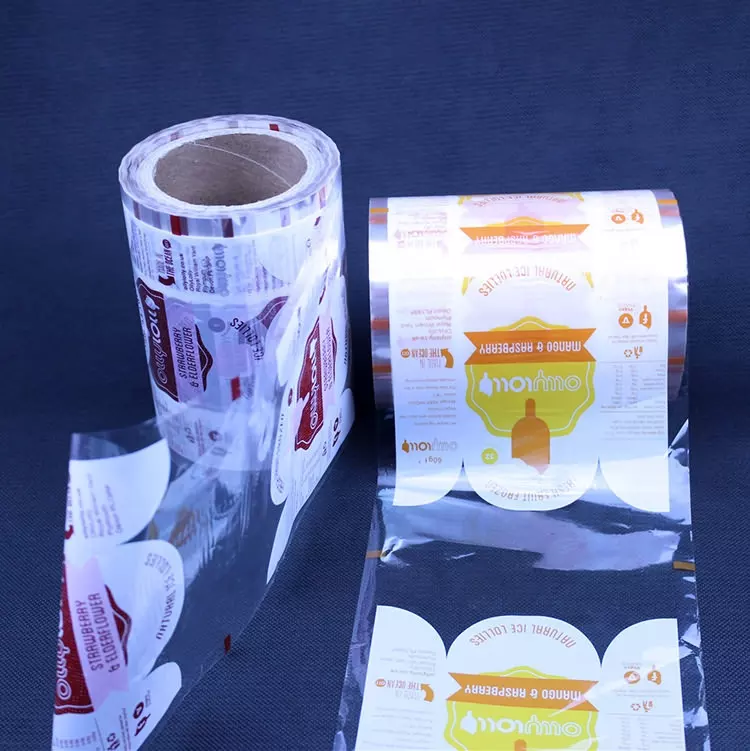
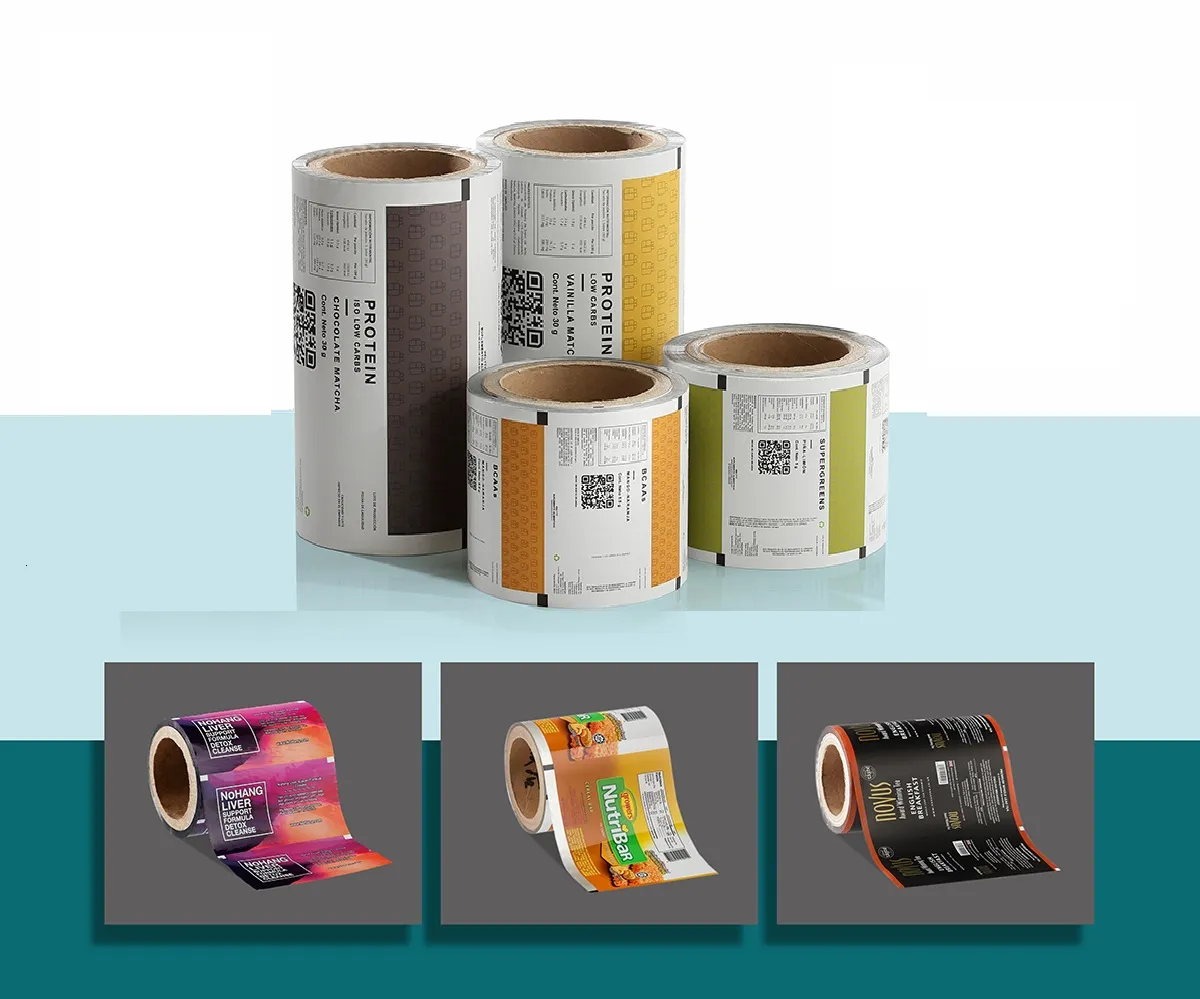
DSL Packaging’s Easy Peel Roll Stock Film (Item No. 00098) is one example I keep seeing in RFQs. Materials: PET, PA, PE, BOPP, CPP, VMPET, Foil—food grade, EU and FDA compliant. Origin: No. 6 Hefu Road, Hengjiang Industrial Zone, Gaoming District, Foshan, Guangdong Province, China. Sizes and thickness are customized (from tiny sachets ≈0.5 oz up to heavy 30 kg formats). Actually, real-world use may vary depending on fill product and line speeds.
Process flow (how a aseptic bag comes together)
- Film design: multilayer structures (e.g., PET/AL/PA/PE or PET/VMPET/PE) for barrier + puncture resistance; easy-peel sealant engineered for consistent opening.
- Lamination/co-ex: solvent or solventless lamination; corona treatment for print adhesion; roll conditioning.
- QC: COF, thickness, gel count; barrier checks (OTR/WVTR) per ASTM methods.
- Bag making: slitting, pouch forming, fitment insertion in controlled area (often ISO 8 cleanroom for aseptic grade).
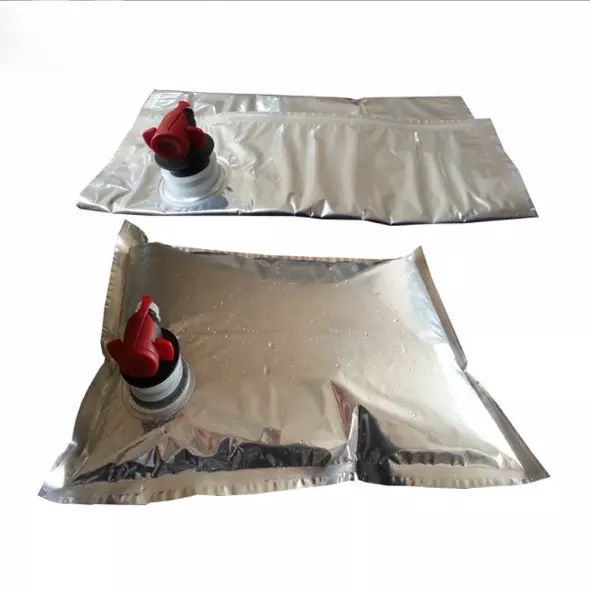
- Sterility: supplier irradiation (gamma/e-beam) or in-line H2O2 sterilization on the aseptic filler—depends on your process.
- Validation: seal strength, burst, leak, and aging studies; then site HACCP sign-off.
| Parameter | Typical spec (≈, real-world may vary) |
|---|---|
| Structure options | PET/AL/PA/PE; PET/VMPET/PE; PA/PE; BOPP/CPP (easy-peel sealant) |
| Thickness range | 70–150 μm for aseptic bag liners; heavier for drums |
| OTR (23°C, 0% RH) | Foil: <0.1 cc/m²·day; VMPET: ≈0.5–1.0 cc/m²·day (ASTM D3985) |
| WVTR (38°C, 90% RH) | Foil: <0.1 g/m²·day; VMPET: ≈0.5–1.5 g/m²·day (ASTM F1249/F1927) |
| Seal window | ≈130–160°C; peel strength 4–8 N/15 mm (ASTM F88) |
| Testing | Burst (ASTM F2054), Leak (ASTM F2096), Tensile (ASTM D882) |
| Compliance | EU 10/2011; FDA 21 CFR food-contact; ISO 22000 support |
Where it’s used (and why it wins)
- Tomato paste, fruit preps, UHT dairy, plant-based beverages, wine, coffee concentrates, medical nutrition.
- Advantages: longer ambient shelf life (often 9–18 months), strong puncture resistance, clean easy-open, lighter logistics vs. rigid.
- Service life: depends on barrier and product; I often see 12 months for UHT beverages; up to 18 months for high-brix tomato with foil barrier.
Customer feedback? “Fewer micro-leaks after transit,” “easier tear without scissors,” and, surprisingly, faster operator training on new lines.
Vendor landscape (quick take)
| Vendor | Highlights | Cleanroom/Certs | Lead time (≈) |
|---|---|---|---|
| DSL Packaging (Foshan) | Easy-peel customization; PET/PA/PE, VMPET, Foil; food-safe EU/FDA | ISO 22000 support; aseptic-grade production (site dependent) | 2–5 weeks, configuration dependent |
| SIG (Scholle IPN) | Global BIB/fitment ecosystem; high barrier portfolio | BRC/ISO at many sites (public info) | 3–6 weeks typical |
| Liquibox / Rapak | Aseptic fitment range; drum liners; global footprint | Food safety certifications vary by plant | 3–6 weeks typical |
Note: Features and timings vary by region and plant; confirm current data with each supplier.
Mini case study
A tomato processor in Southern Europe switched to a foil-based aseptic bag liner with easy-peel. Result (three months): burst failures dropped from ≈1.1% to 0.3% (ASTM F2054 spot checks), OEE +3.5%, and fewer box returns after seafreight. Anecdotal, yes—but consistent with what I’ve heard elsewhere.
Customization checklist
- Barrier: foil vs. VMPET vs. mono-PE (recyclability)
- Thickness and bag volume: 0.5 oz samples up to 30 kg/drum liners
- Seal profile: peel force target and sealing window
- Fitment and spout: compatibility with your aseptic filler
- Certs & testing: EU 10/2011, FDA 21 CFR, ASTM F88/F2054/F2096 reports
Authoritative references




- No. 6 Hefu Road, Hengjiang Industrial Zone, Gaoming District, Foshan, Guangdong Province,China
- Tel: 86-133 3649 8096
- Email:enid@bc-pak.com
-


