
Coffee Drip Bag Supplier – Custom, Wholesale Packaging
What I Look For In a Coffee Drip Bag Supplier (and why high‑barrier pouches win)
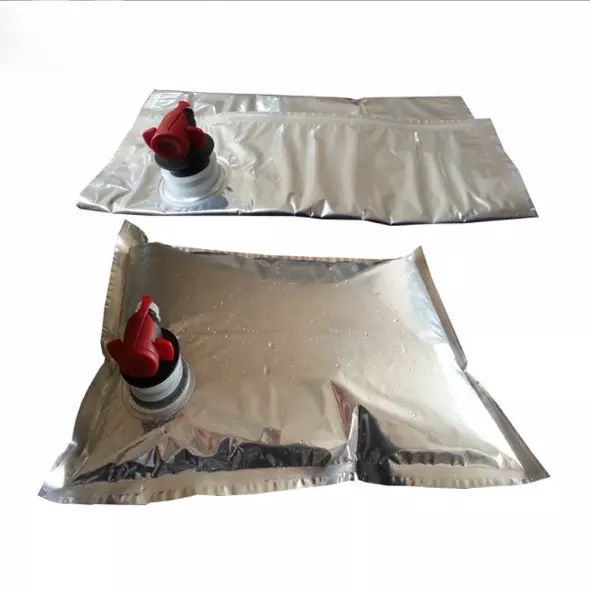
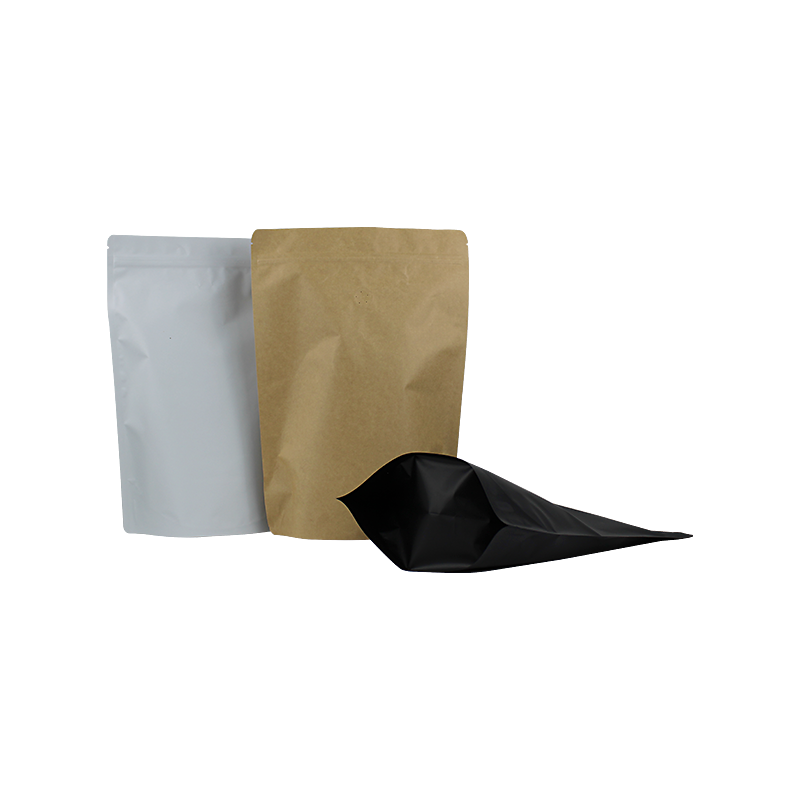
If you roast, co-pack, or run a café brand, chances are you’ve wrestled with oxygen, aroma, and that awkward gap between “looks premium” and “survives parcel shipping.” Over the past year I’ve spent time on factory floors—Foshan, Wuxi, even a short detour in Taichung—watching how drip-bag and pouch converters do their magic. One consistent standout: hybrid laminates with aluminum foil or VMPET layers. The Wine Juice Fruit Storage Aseptic High Barrier Aluminum Foil Reusable Coffee Bags Pouch—bit of a mouthful, yes—has become a quiet workhorse for specialty coffee.
Industry trends I’m seeing
Single-serve pour-over is booming—hotel amenities, airlines, office micro-kitchens, and subscription boxes. Brands want shelf-stable, low-OTR pouches with print that pops. And, to be honest, procurement teams want predictable lead times and realistic MOQs. A solid Coffee Drip Bag Supplier now acts more like a technical partner than a vendor.
Product snapshot: High-barrier pouch for drip kits
| Product Name | Wine Juice Fruit Storage Aseptic High Barrier Aluminum Foil Reusable Coffee Bags Pouch (Item No. 00104) |
| Typical Structure | VMPET/NY/PE/PE; food-grade, EU/FDA compliant |
| Thickness | ≈ 90–140 μm (real-world use may vary by SKU) |
| Barrier | OTR ≈ 0.1–0.3 cc/m²·day (ASTM D3985); WVTR ≈ 0.1–0.3 g/m²·day (ASTM F1249) |
| Options | One-way degassing valve, tear notch, zipper, hang hole; 8–10 color rotogravure |
| Use Cases | Drip coffee kits, ground coffee, milk/sugar sets, olive oil testers, wine/juice samplers |
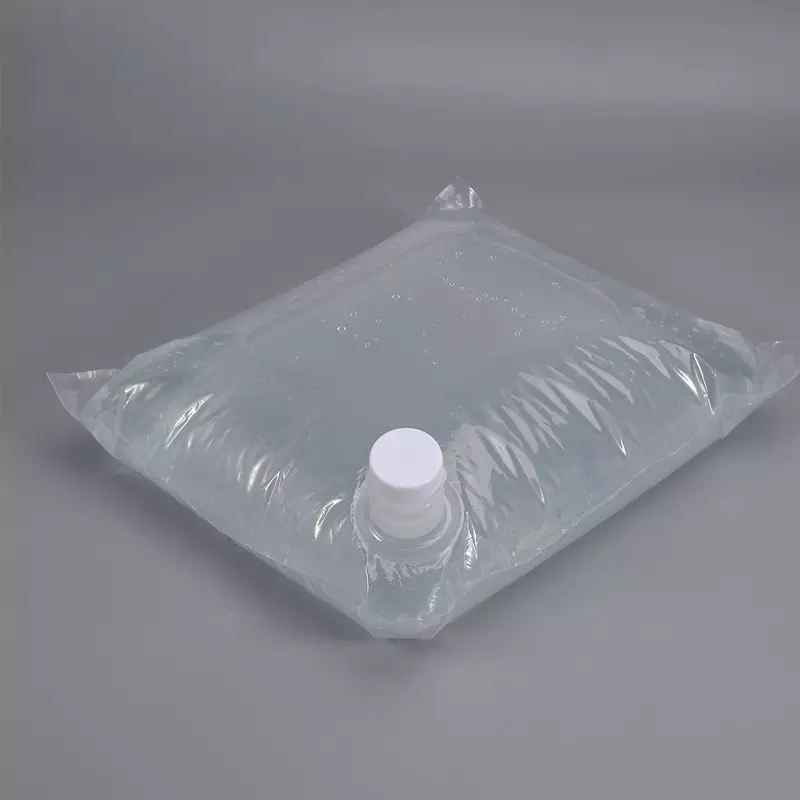
How it’s made (short version)
- Materials: VMPET, nylon (PA/NY), PE inner seal layer—each food-grade, sourced against EU 10/2011 and FDA 21 CFR specifications.
- Lamination: solvent-free adhesive; corona treatment ≥38 dynes; curing 24–48h.
- Conversion: slitting, bag-making, heat sealing; valve or spout insertion if needed.
- QA/Testing: OTR (ASTM D3985), WVTR (ASTM F1249), seal strength (ASTM F88), burst (ASTM F2054), drop (ASTM D5276), migration (EN 1186/EU 10/2011).
- Service life: roasted ground coffee ≈ 12–18 months; drip sachets often 9–12 months depending on grind, roast, and valve use.
- Industries: specialty coffee, RTD sampling, hotel amenities, airline catering, e‑commerce kits.
Typical internal QC data I’ve seen shows seal strength ≥ 3.5 N/15 mm and low pinhole rates—surprisingly good consistency for the price tier, honestly.
Vendor snapshot (what buyers usually compare)
| Criteria | This Coffee Drip Bag Supplier | Supplier A (Trading) | Supplier B (Regional) |
|---|---|---|---|
| Barrier performance | High (foil/VMPET) | Mixed | Medium–High |
| MOQ | Around 10k–20k | Varies | 20k+ |
| Lead time | ≈ 15–25 days | Unclear | 20–30 days |
| Certs/Compliance | EU/FDA materials; ISO/BRCGS often available | Claims only | Formal but pricier |
Customization and real-world use
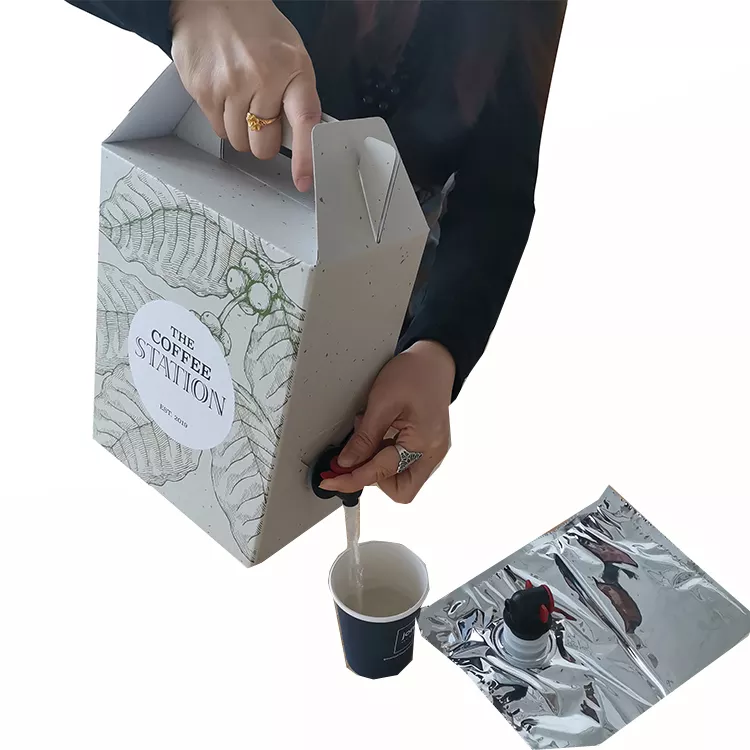
Common tweaks: matte/gloss combos, window stripes, laser scoring, nitrogen-flushable valves, and pouch formats sized to house inner filter drip-bags (7–15 g dose). Many customers say unboxing matters more than they expected—print registration and tactile varnishes get compliments.
Case 1: US West Coast roaster moved to foil/VMPET laminate; OTR dropped to ≈0.2 cc/m²·day, returns for staling fell by 38% over two quarters. Case 2: SEA juice brand used the same platform for sampler kits; drop-test pass rate improved to 99% at 1.2 m, cutting freight damage claims noticeably.
Compliance, origin, and a quick note on audits
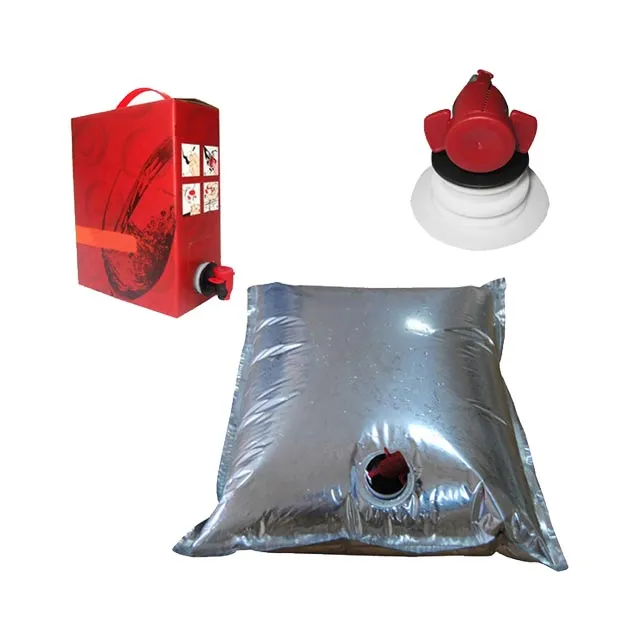
Materials are stated food-safe against EU and FDA frameworks, with migration testing per EN 1186. For programs selling into grocery, ask for ISO 22000 or BRCGS Packaging certificates and batch-level OTR/WVTR reports. Factory origin: No. 6 Hefu Road, Hengjiang Industrial Zone, Gaoming District, Foshan, Guangdong Province, China. It seems that audit transparency is improving; still, I always request recent ASTM and migration lab reports—saves headaches later.
References
- EU Regulation No 10/2011 on plastic materials for food contact: https://eur-lex.europa.eu
- FDA 21 CFR 177.1520 (Olefin polymers): https://www.ecfr.gov
- ASTM D3985 – Oxygen Transmission Rate: https://www.astm.org/d3985
- ASTM F88 – Seal Strength of Flexible Barrier Materials: https://www.astm.org/f0088
- ISO 22000:2018 Food safety management systems: https://www.iso.org




- No. 6 Hefu Road, Hengjiang Industrial Zone, Gaoming District, Foshan, Guangdong Province,China
- Tel: 86-133 3649 8096
- Email:enid@bc-pak.com
-


