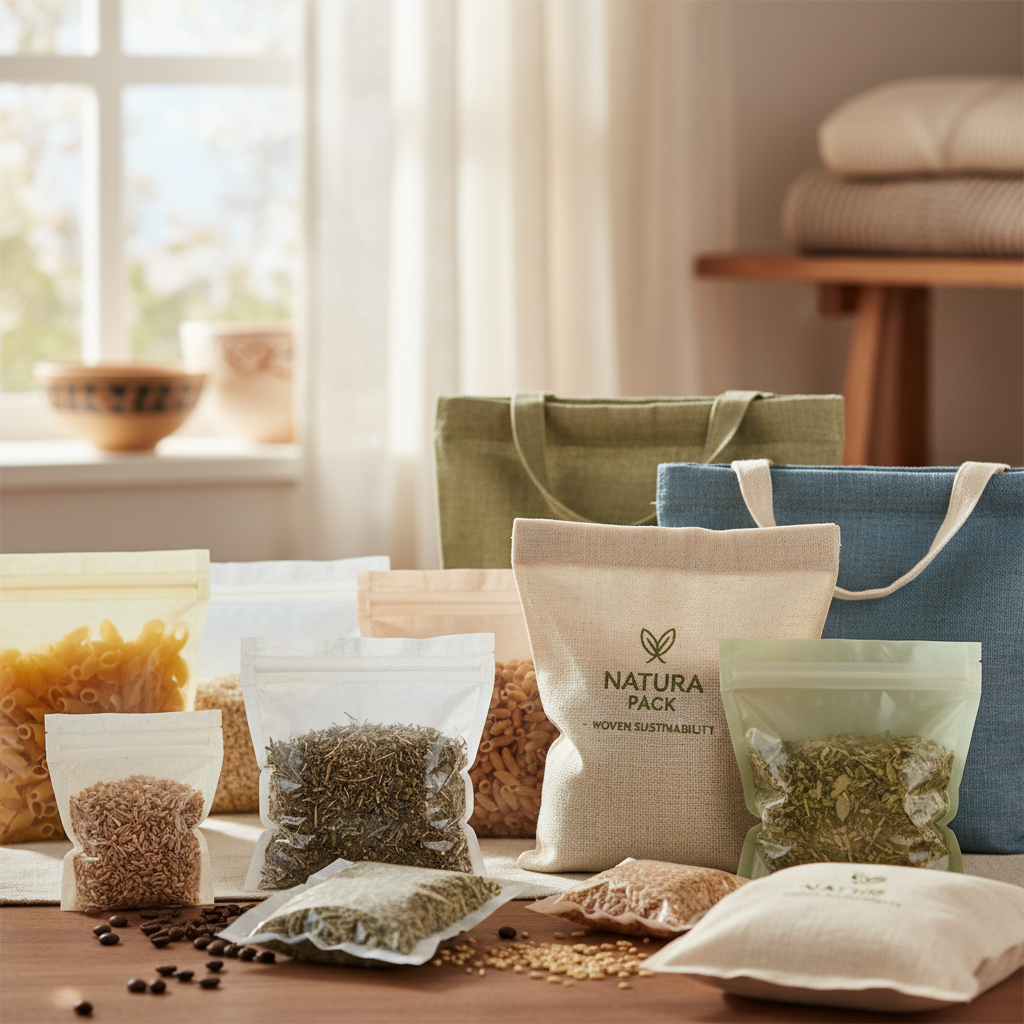
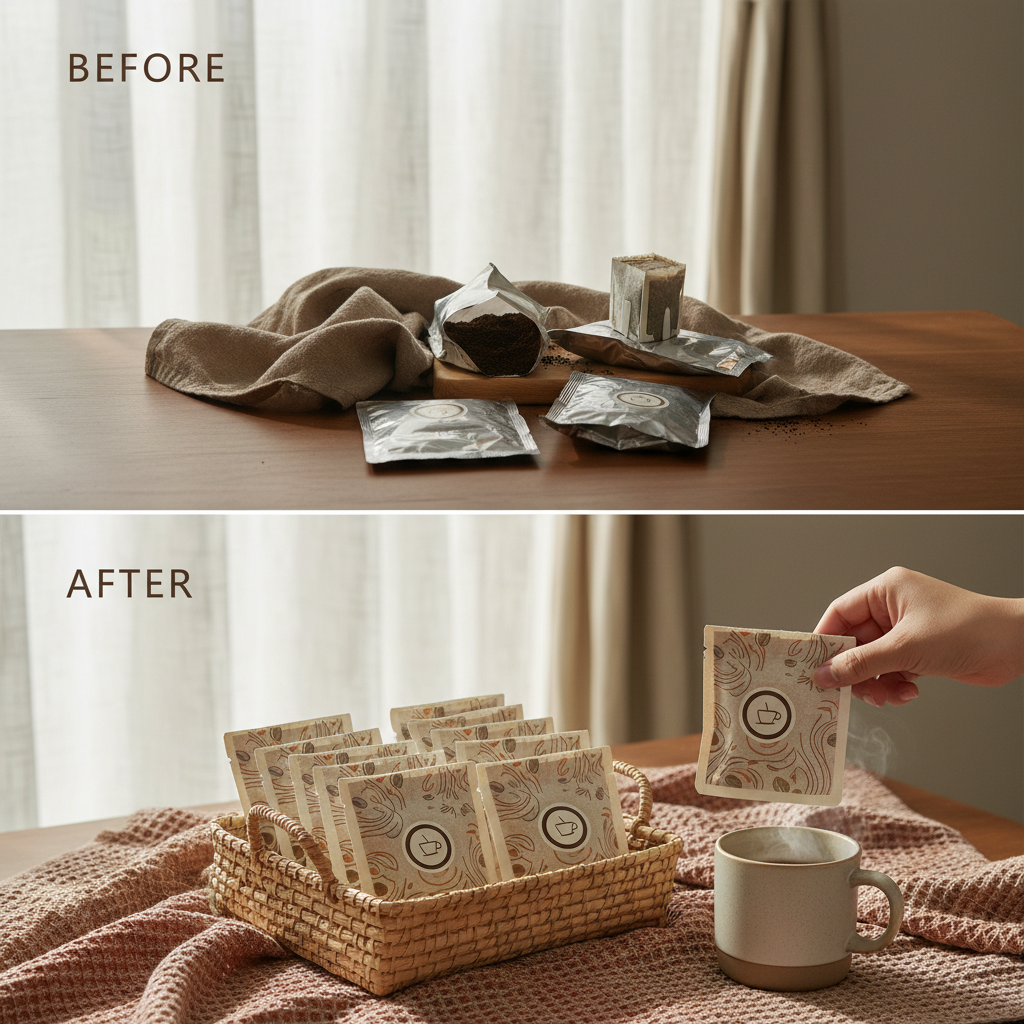
Food packaging bags manufacturers play a critical role in the global food supply chain, ensuring product safety, extending shelf life, and reducing waste. These manufacturers aren’t simply producing containers; they're innovating solutions that impact everything from farm to table, and increasingly, sustainability initiatives worldwide. The demand for sophisticated food packaging is constantly evolving, driven by factors like changing consumer preferences, stringent regulations, and a growing emphasis on convenience and traceability.
Globally, the food packaging market is a multi-billion dollar industry. According to recent reports, the market is projected to reach \$439.4 billion by 2028, growing at a CAGR of 3.3% from 2021. This growth is particularly strong in developing economies where increasing populations and rising disposable incomes are driving demand for packaged foods. The efficiency and reliability of food packaging bags manufacturers directly impact the availability and affordability of food for billions of people.
The challenge lies in balancing functionality with sustainability. Consumers are increasingly aware of the environmental impact of packaging and are demanding eco-friendly alternatives. This puts pressure on food packaging bags manufacturers to develop innovative materials and designs that minimize waste and reduce their carbon footprint. Meeting this challenge requires continuous investment in research and development, coupled with a commitment to responsible manufacturing practices.
The Importance of Food Packaging Bags Manufacturers
Food packaging bags manufacturers are fundamental to preserving food quality and safety throughout the supply chain. They protect against contamination, physical damage, and environmental factors like moisture and oxygen, all of which can lead to spoilage. Without effective packaging, significant amounts of food would be wasted, contributing to food insecurity and environmental problems. food packaging bags manufacturers understand these critical needs and consistently strive to deliver superior protection.
Beyond preservation, modern food packaging also plays a vital role in branding and marketing. Attractive and informative packaging can influence consumer purchasing decisions and enhance brand recognition. Leading food packaging bags manufacturers work closely with food producers to create packaging solutions that not only protect the product but also communicate its value and appeal to the target audience.
Defining Food Packaging Bags Manufacturers
Food packaging bags manufacturers specialize in the design, production, and distribution of flexible packaging solutions specifically tailored for the food industry. This encompasses a wide range of materials, including plastics (polyethylene, polypropylene, polyester), laminates, and increasingly, bio-based and compostable materials. These manufacturers cater to diverse needs, producing bags for everything from snack foods and frozen meals to fresh produce and industrial food ingredients.
They go beyond simply producing bags; many offer comprehensive services, including custom printing, graphic design support, and quality control testing. Modern food packaging bags manufacturers employ advanced technologies like flexographic printing, extrusion lamination, and automated bag-making machinery to ensure efficiency and consistency in their products.
The connection to modern industry and humanitarian needs is undeniable. Efficient food packaging extends shelf life, enabling wider distribution and reducing food waste – critical for both commercial viability and addressing global hunger challenges.
Key Factors in Food Packaging Bag Production
Several key factors influence the quality and effectiveness of food packaging bags. Durability is paramount, as bags must withstand the rigors of transportation, handling, and storage without tearing or leaking. Manufacturers achieve this through careful material selection and robust construction techniques.
Barrier Properties are also critical. Different foods require different levels of protection from oxygen, moisture, light, and odors. Food packaging bags manufacturers employ various barrier materials and laminations to ensure optimal preservation for each specific product. This often involves multilayer films with specialized coatings.
Compliance & Safety is a non-negotiable aspect. Packaging materials must meet stringent regulations set by food safety authorities (like the FDA in the US and EFSA in Europe) to ensure they don't contaminate the food. Food packaging bags manufacturers invest heavily in quality control and testing to guarantee compliance. Other important factors include Cost-Effectiveness, Printability/Branding, and Sustainability.
Global Applications & Industries Served
Food packaging bags manufacturers serve a diverse range of industries, including processed foods, fresh produce, bakery goods, confectionery, frozen foods, and beverages. They are essential for food retailers, wholesalers, and food service providers worldwide. In post-disaster relief operations, durable and sealed food packaging bags are crucial for distributing emergency food supplies to affected populations.
In remote industrial zones, where access to refrigeration and reliable transportation is limited, robust food packaging extends the shelf life of perishable goods, ensuring availability for workers and communities. The agriculture sector relies heavily on these manufacturers for packaging produce during harvest and transportation, minimizing spoilage and waste.
Geographically, demand is highest in regions with large populations and growing economies like Asia-Pacific, North America, and Europe. However, there’s also increasing demand in emerging markets in Africa and South America as food processing and retail sectors develop.
Food Packaging Bag Manufacturing Methods - Efficiency Ratings
Advantages and Long-Term Value Proposition
The advantages of utilizing high-quality food packaging bags extend far beyond simple containment. Cost efficiency is a significant benefit – optimized packaging reduces waste, minimizes spoilage, and lowers transportation costs. This translates to increased profitability for food producers and more affordable food for consumers.
Sustainability is becoming increasingly vital. Innovations in bio-based and compostable materials offer eco-friendly alternatives to traditional plastics, reducing environmental impact. Reliability in maintaining product integrity inspires trust with consumers, safeguarding brand reputation and fostering long-term loyalty.
Emerging Trends and Innovations
The food packaging industry is undergoing rapid transformation, driven by technological advancements and growing sustainability concerns. Active packaging, incorporating technologies that release or absorb substances to extend shelf life, is gaining traction. Digital printing allows for greater customization and shorter production runs, catering to niche markets and personalized branding.
Furthermore, advancements in barrier films and coatings are enhancing protection against oxygen and moisture, enabling longer shelf life and reducing food waste. The integration of smart packaging technologies, such as QR codes and RFID tags, provides traceability and real-time monitoring of product conditions throughout the supply chain.
Challenges and Sustainable Solutions
One of the primary challenges facing food packaging bags manufacturers is the environmental impact of plastic waste. Developing effective and scalable recycling infrastructure for flexible packaging remains a significant hurdle. Another challenge is maintaining cost-competitiveness while transitioning to sustainable materials.
Solutions include investing in research and development of bio-based and compostable materials, promoting closed-loop recycling systems, and implementing extended producer responsibility schemes. Collaboration between manufacturers, retailers, and consumers is essential to drive meaningful change and create a more sustainable food packaging ecosystem. food packaging bags manufacturers can lead the way by prioritizing eco-friendly innovations.
Ultimately, overcoming these challenges requires a holistic approach that considers the entire lifecycle of packaging materials, from production and use to end-of-life management.
Summary of Food Packaging Bag Manufacturing Challenges and Solutions
| Challenge |
Impact Area |
Severity (1-10) |
Potential Solutions |
| Plastic Waste Generation |
Environmental |
9 |
Bio-based Materials, Recycling Infrastructure |
| Cost of Sustainable Materials |
Economic |
7 |
Economies of Scale, Government Incentives |
| Recycling Infrastructure Gaps |
Logistical |
8 |
Investment in Recycling Facilities, Standardized Systems |
| Maintaining Barrier Properties with Alternatives |
Technical |
6 |
Material Innovation, Coating Technologies |
| Consumer Acceptance of New Materials |
Social |
5 |
Education Campaigns, Clear Labeling |
| Regulatory Compliance Complexity |
Legal |
7 |
Harmonized Standards, Industry Collaboration |
FAQS
Food packaging bags manufacturers typically utilize a variety of materials, including polyethylene (PE), polypropylene (PP), polyester (PET), and nylon. These materials are chosen for their barrier properties, strength, and cost-effectiveness. Increasingly, manufacturers are incorporating bio-based plastics, like PLA, and compostable materials to reduce environmental impact. Laminations combining multiple layers of these materials are common to achieve specific performance characteristics. The selection is determined by the specific food product being packaged and its required shelf life.
Food safety is a paramount concern. Food packaging bags manufacturers adhere to strict quality control measures and comply with regulations set by agencies like the FDA and EFSA. This includes using food-grade materials, implementing hygienic manufacturing processes, and conducting rigorous testing to ensure that the packaging doesn’t contaminate the food. They also ensure that inks and adhesives used in printing are food-safe and don’t migrate into the food product.
Key considerations include the manufacturer’s experience, quality certifications (like ISO 9001), production capacity, customization options, and commitment to sustainability. It's also crucial to assess their ability to meet specific barrier requirements, printing needs, and delivery timelines. Furthermore, a strong emphasis on communication and collaboration is vital to ensure a successful partnership.
Barrier properties refer to a packaging material’s ability to prevent the transmission of gases (like oxygen), moisture, light, and odors. These properties are critical for maintaining food quality, extending shelf life, and preventing spoilage. Different foods require different levels of barrier protection, and food packaging bags manufacturers tailor materials and laminations accordingly. For example, oxygen-sensitive foods require packaging with excellent oxygen barrier properties.
Food packaging bags manufacturers are actively addressing sustainability through several initiatives. These include developing bio-based and compostable materials, increasing the use of recycled content, optimizing packaging design to reduce material usage, and investing in recycling infrastructure. They are also exploring innovative technologies like mono-material packaging to improve recyclability.
Flexible packaging, like food packaging bags, is made from materials that can be easily bent or folded, while rigid packaging, such as bottles or cans, maintains its shape. Flexible packaging generally uses less material, is lighter in weight, and offers greater design flexibility. Rigid packaging provides greater protection for certain products and is often preferred for beverages and some processed foods. Food packaging bags manufacturers specialize in the flexible packaging sector.
Conclusion
In conclusion, food packaging bags manufacturers are integral to the global food system, ensuring product safety, extending shelf life, reducing waste, and enabling efficient distribution. Their ongoing innovations in materials, technologies, and sustainable practices are crucial for addressing the evolving challenges of the food industry and meeting the growing demands of consumers. The industry’s commitment to quality, compliance, and environmental responsibility is paramount.
Looking ahead, the future of food packaging will be defined by sustainability, digitalization, and a focus on consumer convenience. Food packaging bags manufacturers who embrace these trends and invest in research and development will be best positioned to thrive in a dynamic and competitive market. For reliable and innovative packaging solutions, visit our website today: www.dslpack.com