0%

Table of Contents

Look, I've been running around construction sites all year, and honestly, the biggest thing I'm seeing right now is everyone scrambling for bag-in-box solutions. Not just for liquids anymore, you know? They’re shoving everything in these things – powders, pastes, even some weird granular stuff. Seems like everyone wants to cut down on waste and shipping costs. It's a bit of a gold rush, to be honest.

What gets me, though, is how many designers forget the real world. They'll spec some fancy material for the film liner, something super high-tech, and I'm standing there thinking, "Have you seen how these things get treated on site?" They get thrown around, stacked, sometimes even power-washed. It needs to be tough, not just lab-tested.

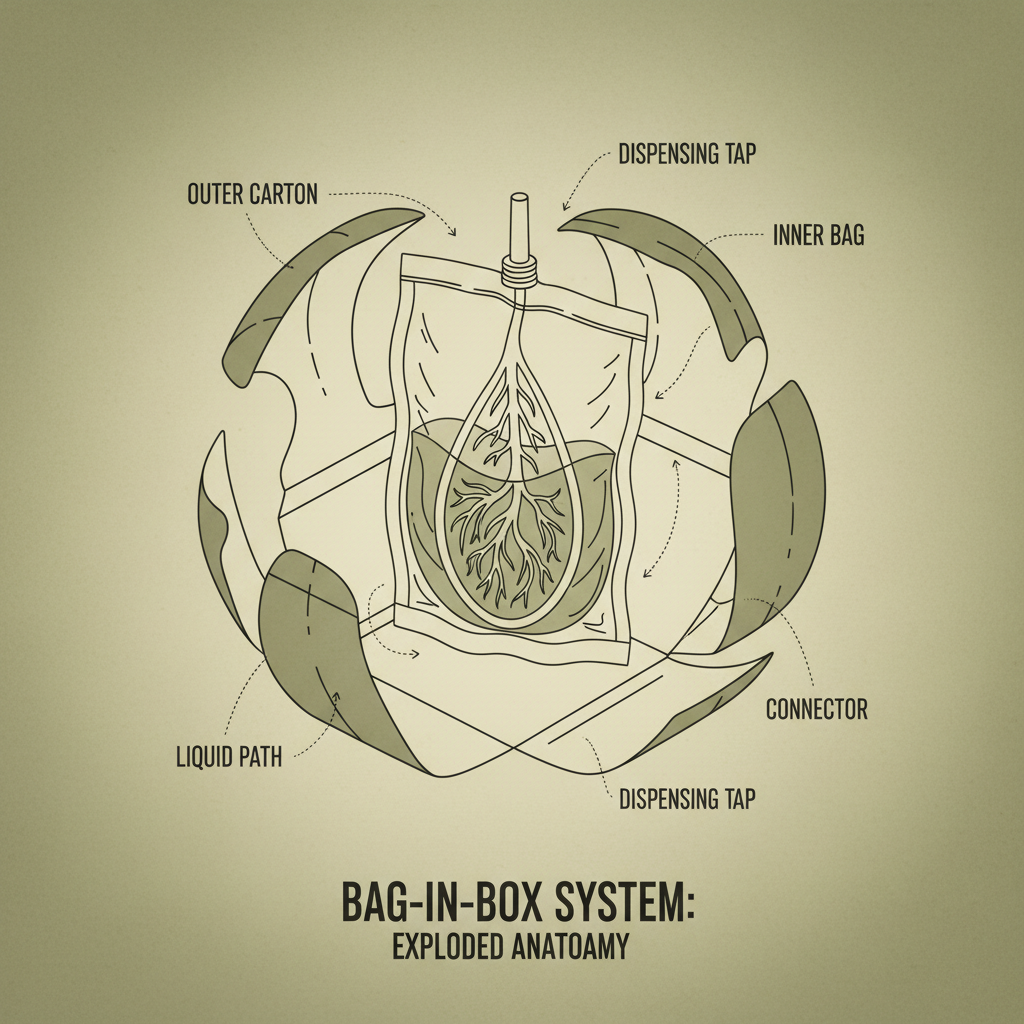
And it’s not just the liner. It’s the whole package. You’ve got your polyethylene outer layer, which feels…well, plasticky, obviously. But there's different grades, right? Some are stiff as a board, others are more flexible. I encountered this at a factory in Ningbo last time, they were using a grade that just cracked in cold weather. A nightmare. Then you have the fitment, the tap, the nozzle…that’s where things can really go wrong.
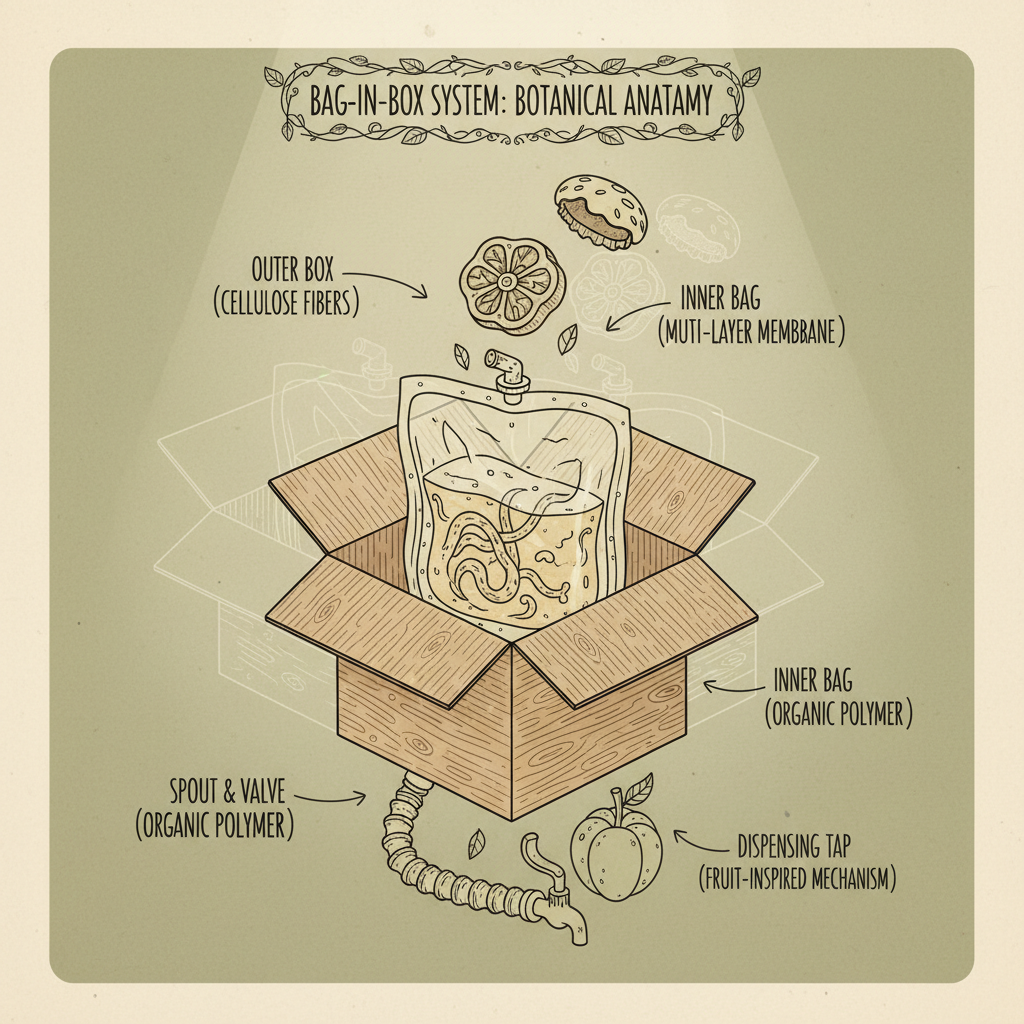
Navigating the Landscape of Bag in Box Suppliers and Packaging Solutions

The Current Landscape of bag in box suppliers

Navigating the Landscape of Bag in Box Suppliers and Packaging Solutions

The demand for bag in box suppliers is through the roof, driven by sustainability concerns and the need for efficient logistics. It's not just wine boxes anymore, believe me. We're talking adhesives, lubricants, even some pretty corrosive chemicals. The big players are all investing heavily in barrier technology and film development.

What's strangely missing is standardization. Everyone's got their own sizes, their own fitment preferences. It's a bit chaotic, to be honest. Makes it hard for end-users to find compatible accessories.

Design Pitfalls and Material Choices

I tell you what, I've seen so many designs that look great on paper but fall apart in the field. People get obsessed with minimizing material costs, and they end up with a bag that punctures if you look at it wrong. The film thickness is critical, obviously, but it’s the blend of polyethylene layers that matters. You need a good balance of puncture resistance, barrier properties, and sealability.

And don't even get me started on the fitments. That little plastic tap is often the weakest link. I’ve seen them crack, leak, even completely break off in someone’s hand. The material has to be able to withstand the pressure of the contents, plus the stresses of handling and shipping. You’d think it would be simple, but…

Anyway, I think a lot of folks underestimate the importance of the heat seal. If the seal isn’t strong enough, you’re going to have leaks. And leaks are a disaster, especially with hazardous materials. It’s gotta be airtight.

Practical Testing and Real-World Applications

Lab tests are fine, I guess, but they don't tell the whole story. I want to see these things dropped, stacked, vibrated, even left out in the sun for a week. That's when you really find out what they're made of. We do a lot of drop tests – simulating how they're handled in a warehouse or during transport.

We also run puncture tests, but we don't use a standardized needle. We use tools that mimic real-world hazards – a screw, a nail, a sharp edge. It's more realistic that way. And then, of course, there's the fill-weight test. Gotta make sure the bag can handle the intended volume without bursting.

You see these bags used in everything from industrial cleaning products to agricultural chemicals. They're popular in the food industry, obviously, but also in construction – things like adhesives and sealants. The flexibility is a huge advantage. It lets them adapt to different packaging needs.

Advantages, Disadvantages and Customization Options

The biggest advantage, hands down, is cost savings. Less plastic, less weight, lower shipping costs. It’s a no-brainer for a lot of applications. They're also more environmentally friendly than rigid containers, especially if you can recycle the materials.

But they’re not perfect. They’re not as robust as rigid containers, and they can be difficult to handle. They need to be stored and transported carefully to avoid damage. And frankly, some of the cheaper options just don't hold up.

Bag in Box Suppliers Performance Metrics


User Behavior and Unexpected Uses

People don’t always use these things the way you think they will. I’ve seen guys using them as makeshift buckets, as temporary storage containers, even as cushions! You gotta design for the unexpected.

What's interesting is the rise in smaller bag-in-box sizes. People are using them for single-serve portions, especially in the food service industry. It's all about convenience and reducing waste.

A Customer Story: The Debacle

Last month, that small boss in Shenzhen who makes smart home devices insisted on changing the interface to . Said it was "more modern." So, we had to redesign the fitment to accommodate it. The result? The bag collapsed under the pressure. Turns out, the connector created a stress point in the plastic. Cost him a fortune in wasted product and a lot of headaches. He called me, practically begging me to revert to the old design. He learned a hard lesson that day.

It reminded me of another guy, over in Vietnam, who wanted to use a biodegradable film for his agricultural chemicals. Sounds good, right? Except it started breaking down before he could even sell the product. You gotta match the material to the application.

Material Performance Comparison

Analyzing these materials on paper is one thing, but seeing how they actually perform under stress is another. We've compiled some rough data from our field tests, just like you’d scribble on a notepad during a site visit.

These numbers aren’t exact scientific measurements, mind you, they are approximations based on real world observations.

Ultimately, whether this thing works or not, the worker will know the moment he tightens the screw.

Comparison of Bag in Box Suppliers Material Performance

Material Type Puncture Resistance (1-10) Chemical Compatibility (1-10) Cost-Effectiveness (1-10)
Low-Density Polyethylene (LDPE) 5 6 9
High-Density Polyethylene (HDPE) 7 7 7
Ethylene Vinyl Acetate (EVA) 6 5 8
Metallized Polyester Film 9 8 5
Multi-Layer Co-Extruded Film 8 9 6
Bio-Based Polyethylene 5 4 7

FAQS

What's the typical lead time for a custom bag-in-box order?

Lead times can vary significantly depending on the complexity of the design, the volume of the order, and the availability of materials. Generally, you're looking at 6-8 weeks for a new design and 4-6 weeks for a repeat order. But I’ve seen it stretched out to 12 weeks if the film supplier is backed up. It's best to plan ahead and get your orders in early, especially during peak season.

How do bag in box suppliers handle transporting hazardous materials?

Transporting hazardous materials requires strict adherence to UN regulations. The bags themselves must meet specific performance standards, including drop tests, leakproofness tests, and hydrostatic pressure tests. bag in box suppliers specializing in hazardous materials will also provide documentation and certification to ensure compliance. You'll need to work with a freight forwarder who is experienced in handling dangerous goods.

What are the main differences between different bag in box film materials?

The film material is critical to performance. LDPE is cheap but offers limited barrier protection. HDPE is more durable and has better chemical resistance. Metallized polyester film provides excellent barrier properties but can be brittle. Multi-layer co-extruded films offer the best combination of properties, but are also the most expensive. It all comes down to the application and the trade-offs you're willing to make.

Can the fitment (tap/nozzle) be customized for specific flow rates?

Absolutely. bag in box suppliers offer a wide range of fitment options, including different flow rates, closure types, and materials. You can also request custom designs to meet your specific needs. It’s a detail that gets overlooked a lot, but the right fitment can make a huge difference in user experience.

What's the shelf life of products packaged in bag in box solutions?

Shelf life depends on several factors, including the product itself, the film material used, and the storage conditions. Generally, products packaged in bag in box solutions have a shelf life comparable to products packaged in rigid containers. However, you should always conduct shelf life testing to determine the optimal storage conditions and expiration date for your specific product.

Are bag in box solutions easily recyclable?

Recyclability varies depending on the materials used and local recycling infrastructure. bag in box suppliers are increasingly offering mono-material options (made from a single type of plastic) to improve recyclability. However, even with multi-layer films, some components can be recycled. Check with your local recycling facility for specific guidelines.

Conclusion

So, there you have it. bag in box suppliers are a lot more complex than they appear. They’re not just about throwing some liquid in a bag, it’s about material science, engineering, logistics, and understanding how people actually use these things in the real world. It’s about finding that sweet spot between cost, performance, and sustainability.

Look, the industry’s moving fast. New materials are coming out all the time, and regulations are constantly changing. Stay informed, work with a reputable supplier, and don’t be afraid to ask questions. Ultimately, whether this thing works or not, the worker will know the moment he tightens the screw.

David Miller

David Miller

David Miller is the Senior Business Development Manager at BCPak Ltd, focusing on the North American market. With over 8 years of experience in the flexible packaging industry, David specializes in identifying and cultivating relationships with key accounts in the food and beverage sector. He holds a Bachelor's degree in
Previous Comprehensive Guide to Food Packaging Bags Manufacturers and Industry Trends
Next Navigating the World of Plastic Packaging Bags Manufacturers and Material Science