
Comprehensive Guide to Gusseted Bags for Food Packaging Solutions
Gusseted Bags for Food: A Comprehensive Guide
When it comes to preserving freshness, ensuring safety, and optimizing shelf appeal, the right packaging is critical. Gusseted bags for food are a versatile and increasingly popular solution for a wide range of food products. This article will explore the benefits, applications, materials, and key considerations when choosing gusseted bags to meet your specific packaging needs. From stand-up pouches to flat-bottom bags, we'll cover everything you need to know to make the right choice for your business.
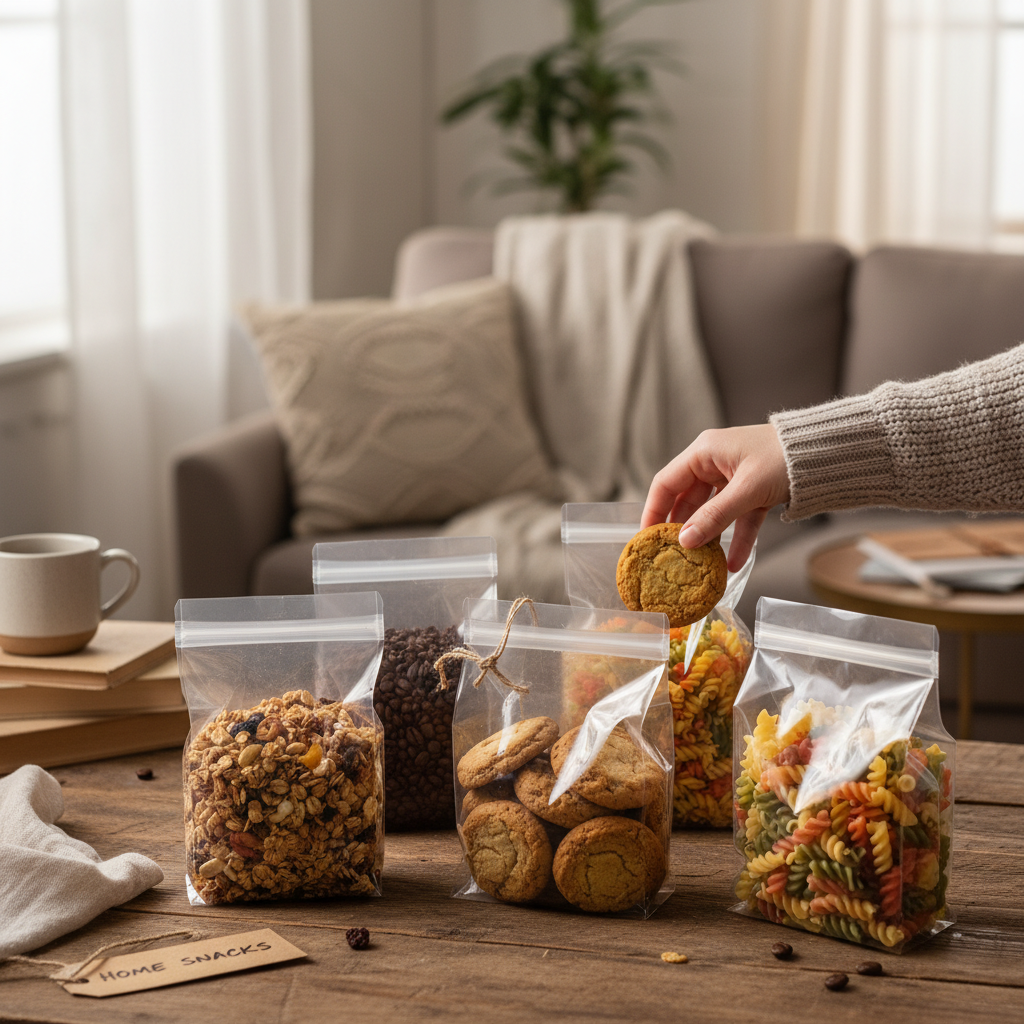
What are Gusseted Bags and Why Choose Them for Food?
Gusseted bags are characterized by side or bottom folds – these "gussets" – that expand to create more space within the bag. This expanded volume allows for packaging larger quantities of product, or for creating a more visually appealing, stable package that stands upright on shelves. Unlike traditional flat bags, gusseted options provide a more premium look and feel, enhancing brand perception. Choosing gusseted bags for food offers numerous advantages including extended product shelf life, reduced shipping costs (due to efficient stacking), and improved consumer convenience. They’re particularly well-suited for irregularly shaped or bulky foods.
Key Benefits: Extended product shelf life, Reduced shipping costs, Improved consumer convenience, Enhanced brand appeal, Versatility for various food types.
Types of Gusseted Bags for Food Packaging
There are several types of gusseted bags, each offering unique benefits depending on the food product and packaging requirements. The most common types include:
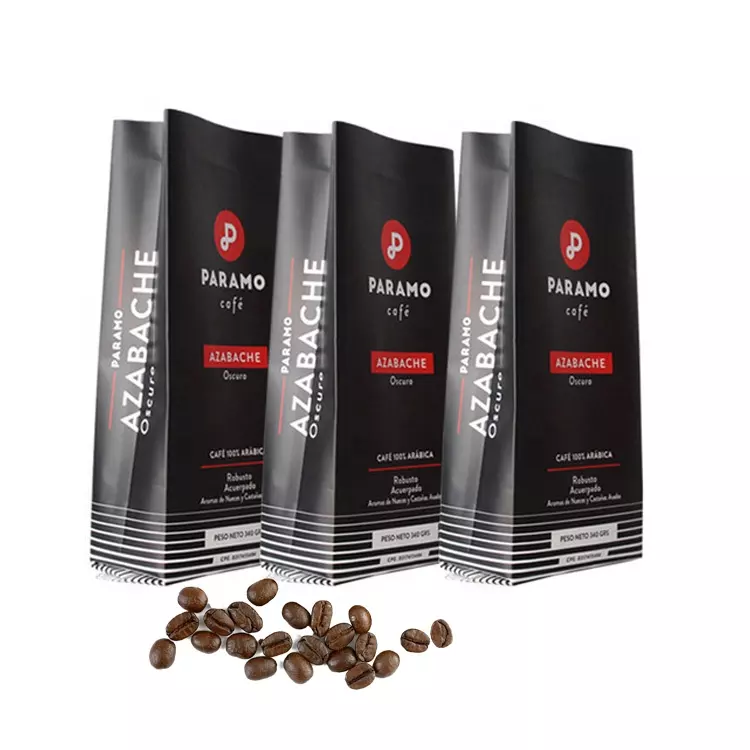
- Side Gusseted Bags: Feature gussets on both sides, creating a flat bottom. Ideal for coffee, snacks, and pet food.
- Bottom Gusseted Bags: Have a gusset at the bottom, allowing the bag to stand upright. Commonly used for coffee, tea, and powdered mixes.
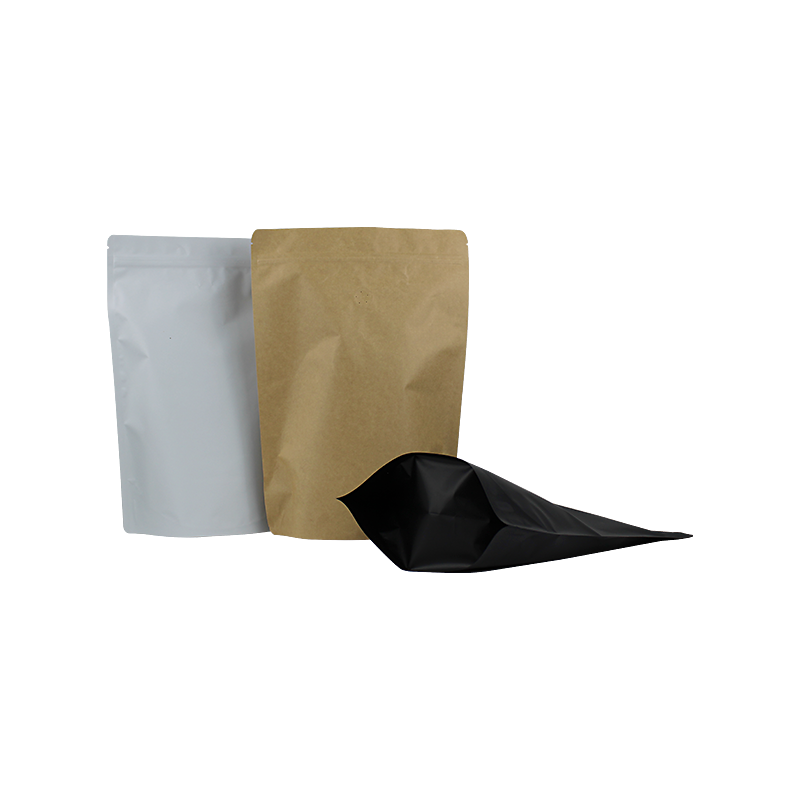
- Stand-Up Pouches (SUPs): A type of bottom gusseted bag with a wider, more stable base. Excellent for showcasing products and offering convenient reclosable features.
- Flat Bottom Gusseted Bags: Offer maximum stability and a premium look, often used for gourmet foods and larger quantities.
Gusseted Bag Types at a Glance:
• Side Gusseted: Coffee, Snacks, Pet Food
• Bottom Gusseted: Coffee, Tea, Powders
• Stand-Up Pouches: Convenient, Reclosable
• Flat Bottom: Gourmet Foods, Larger Quantities
Materials Used in Gusseted Bags for Food
The choice of material is crucial for maintaining food quality and safety. Common materials used in gusseted bags for food include:
- Polyethylene (PE): Cost-effective and suitable for dry goods.
- Polypropylene (PP): Offers good clarity and moisture resistance.
- Polyethylene Terephthalate (PET): Provides excellent strength and barrier properties.
- Laminated Films (e.g., PET/PE, PET/MPET): Combine the benefits of multiple materials for superior protection against moisture, oxygen, and light.
- Biodegradable/Compostable Materials: Eco-friendly options for environmentally conscious brands.
Key Considerations When Choosing Gusseted Bags
Selecting the right gusseted bag requires careful consideration of several factors. These include the type of food being packaged, the required shelf life, the need for barrier protection (oxygen, moisture, light), and desired branding aesthetics. Consider features like resealable zippers, degassing valves (for coffee), and custom printing options. Working with a reputable packaging supplier like DSL Pack ensures you receive high-quality bags tailored to your specific requirements. Don't underestimate the importance of material certifications (e.g., FDA compliance) for food safety.
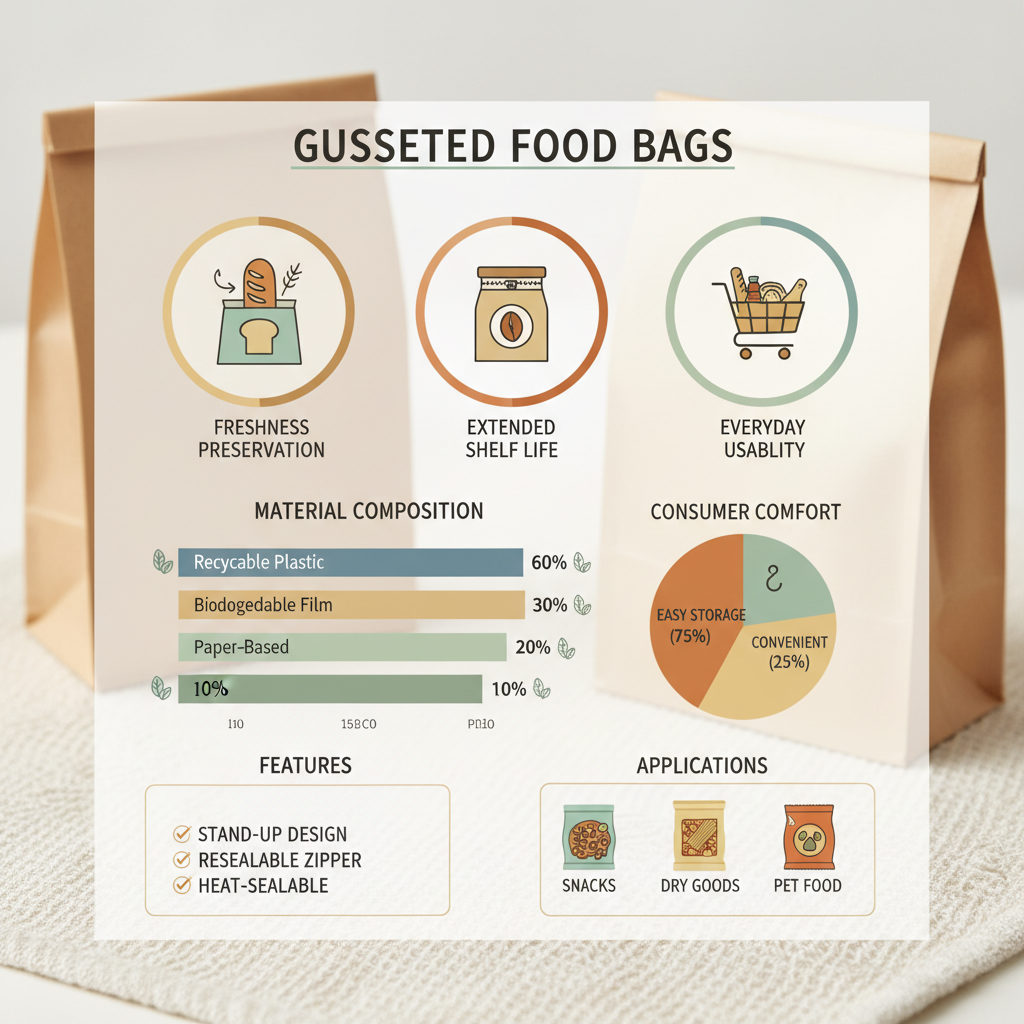
The Future of Gusseted Food Packaging
The food packaging industry is constantly evolving, with a growing focus on sustainability and convenience. Expect to see continued innovation in biodegradable and compostable materials for gusseted bags, as well as advancements in barrier technology to extend product shelf life. Smart packaging features, such as QR codes for traceability and freshness indicators, are also gaining traction. DSL Pack is committed to staying at the forefront of these trends, offering our clients cutting-edge packaging solutions that meet the demands of today’s market.
Conclusion: Elevate Your Food Packaging with Gusseted Bags
Investing in high-quality gusseted bags for food is a smart move for any business looking to enhance product presentation, extend shelf life, and build brand loyalty. From selecting the right materials to considering sustainability options, careful planning is key to achieving optimal results. Partner with a trusted supplier like DSL Pack to ensure your packaging meets your specific needs and exceeds your expectations.
Frequently Asked Questions (FAQs)
What is the minimum order quantity (MOQ) for custom-printed gusseted bags?
The MOQ varies depending on the bag type, material, and printing requirements. Generally, we work with clients on quantities starting around 5,000-10,000 bags, but this can be flexible based on project specifics. Contacting us directly allows for a precise quote and assessment of your needs. We aim to accommodate businesses of all sizes, offering both standard and customized packaging solutions. It’s always best to discuss your project with our sales team to determine the most cost-effective approach for your volume.
Can gusseted bags be used for liquids or semi-liquids?
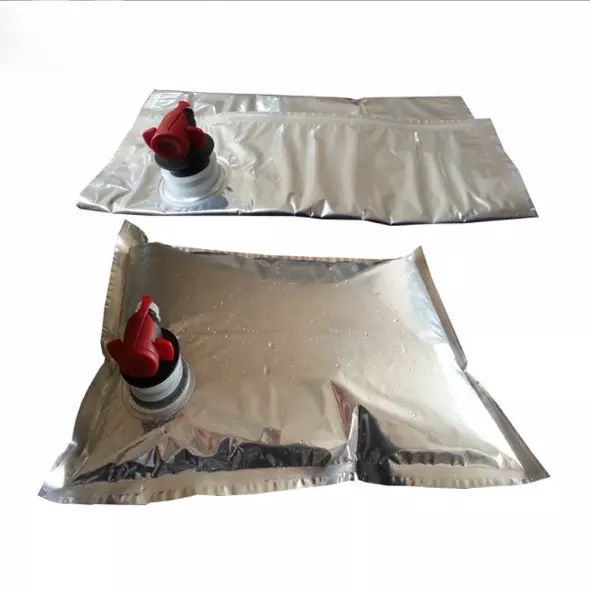
Yes, gusseted bags can be used for liquids and semi-liquids, but it's crucial to choose the right materials and sealing options. We offer bags with liquid-proof liners and robust sealing methods, such as induction sealing or spouts, to prevent leaks and maintain product integrity. The specific material composition will depend on the viscosity and chemical properties of the liquid being packaged.
Are biodegradable gusseted bags truly compostable?
While many bags are marketed as “biodegradable,” true compostability requires specific certifications and conditions. We offer gusseted bags made from certified compostable materials, such as PLA or PBAT, that will break down in industrial composting facilities. It’s important to note that these bags may not compost effectively in home composting systems. We provide clear labeling and information on the proper disposal methods for our compostable bag options.
What are degassing valves and why are they important for coffee packaging?
Degassing valves are one-way valves incorporated into gusseted bags, primarily used for coffee packaging. Freshly roasted coffee releases carbon dioxide (CO2), which can cause bags to swell and compromise the seal. Degassing valves allow CO2 to escape while preventing oxygen from entering, preserving the coffee’s aroma and flavor. Without degassing valves, coffee’s quality degrades rapidly due to oxidation and loss of volatile compounds.



- No. 6 Hefu Road, Hengjiang Industrial Zone, Gaoming District, Foshan, Guangdong Province,China
- Tel: 86-133 3649 8096
- Email:enid@bc-pak.com
-


