
Comprehensive Guide to Types of Plastic for Packaging and Their Applications
Types of Plastic for Packaging: A Comprehensive Guide
The world of packaging relies heavily on plastics, offering versatility, durability, and cost-effectiveness. However, not all plastics are created equal. Choosing the right type of plastic is crucial for ensuring product safety, extending shelf life, and minimizing environmental impact. This article dives into the most common types of plastic for packaging, their properties, and ideal applications. Understanding these distinctions will help businesses make informed decisions about their packaging needs.
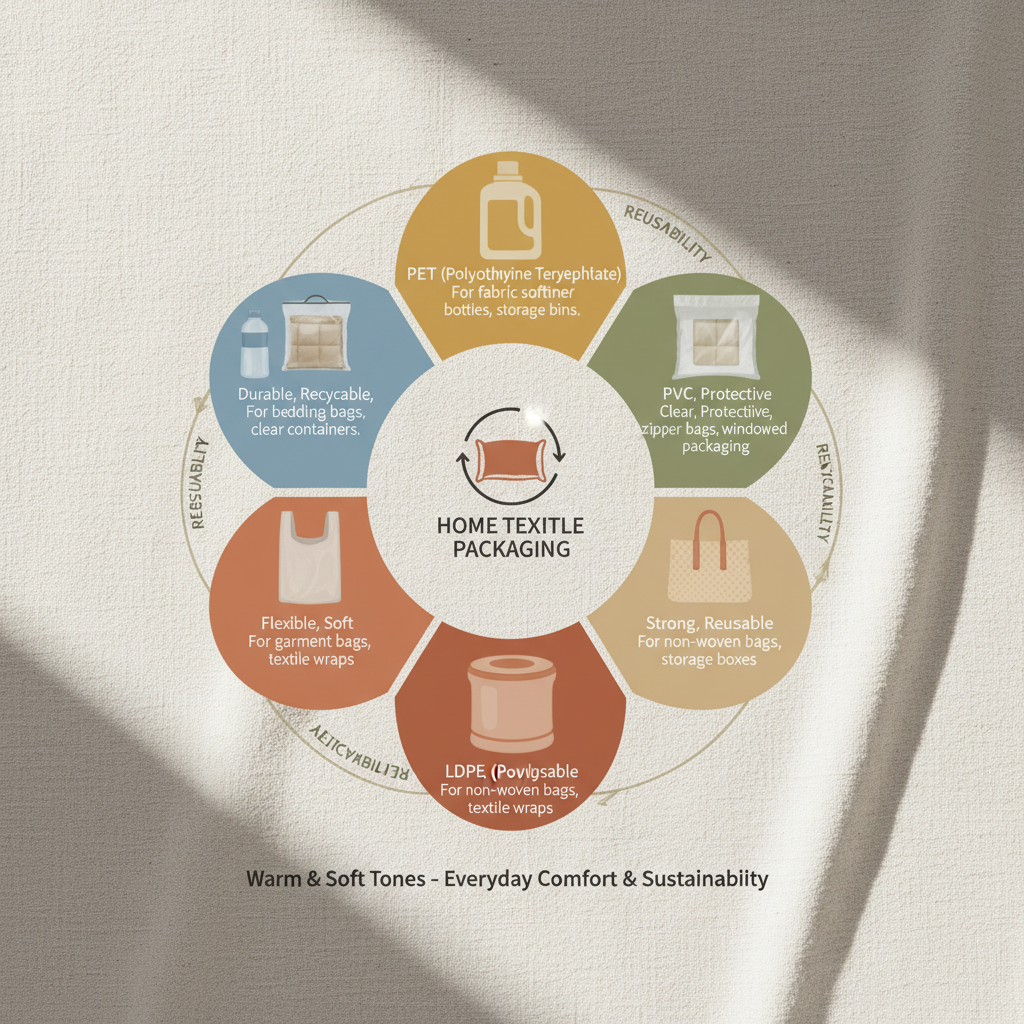
Understanding Plastic Packaging: A Quick Overview
Plastics are polymers, large molecules composed of repeating structural units. The type of monomer (the repeating unit) determines the plastic’s properties. Different types of plastics offer varying levels of rigidity, flexibility, clarity, and barrier properties (resistance to gases, moisture, and odors). Furthermore, their recyclability differs significantly, an increasingly important consideration for environmentally conscious brands. The packaging industry utilizes several key types, each suited for specific purposes. From food and beverage containers to industrial packaging, the right plastic choice impacts product preservation, transportation safety, and overall consumer experience.
Key Considerations: When selecting plastic packaging, evaluate product requirements (weight, sensitivity to light/oxygen), transportation conditions, regulatory compliance, and sustainability goals.
Polyethylene Terephthalate (PET or PETE) – The Versatile Choice
PET is one of the most widely used plastics for packaging, particularly for beverages, food, and personal care products. Known for its clarity, strength, and lightweight nature, PET is ideal for bottles, jars, and clamshell containers. It’s also highly recyclable, contributing to its popularity. While it provides a good barrier against moisture, it isn't ideal for highly sensitive products requiring oxygen barriers. DSL Pack offers a wide range of PET packaging solutions tailored to diverse industries.
High-Density Polyethylene (HDPE) – Strength and Durability
HDPE is renowned for its high strength-to-density ratio, making it suitable for rigid containers like milk jugs, detergent bottles, and industrial drums. It offers excellent resistance to chemicals and moisture, making it a reliable choice for storing various substances. HDPE is also readily recyclable and commonly used in applications requiring impact resistance. Its opaque nature makes it less suitable for products where visibility is desired.
Polyvinyl Chloride (PVC) – A Specialized Plastic
PVC is a versatile plastic used in a variety of packaging applications, including blister packs for pharmaceuticals and clamshell packaging. It’s known for its rigidity and clarity, but its recyclability is limited, and it can release harmful chemicals during production and disposal. Due to environmental concerns, its use in food packaging is declining. It’s often used where durability and resistance to weathering are paramount.
Comparing Common Plastic Packaging Types
Here's a comparative overview of the key plastics discussed, highlighting their strengths and weaknesses:
The Future of Plastic Packaging
The packaging industry is undergoing a transformation driven by sustainability concerns. Innovations include bio-plastics (derived from renewable resources), compostable plastics, and increased focus on designing for recyclability. Reducing plastic usage through lightweighting (using less material) and exploring alternative materials are also key trends. DSL Pack is committed to providing sustainable packaging solutions that meet evolving industry demands. We're actively researching and implementing eco-friendly materials and processes.
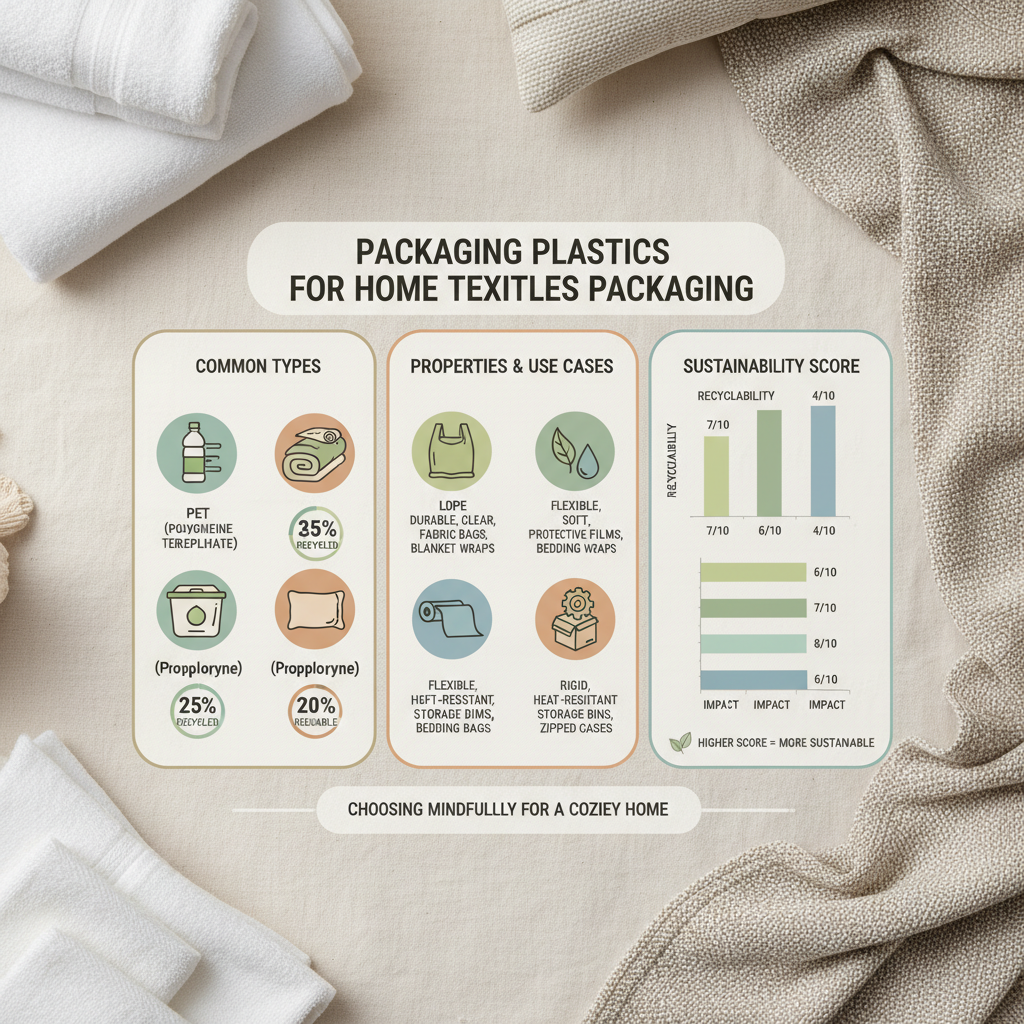
Conclusion: Choosing the Right Plastic for Your Needs
Selecting the optimal plastic for packaging requires careful consideration of product characteristics, environmental impact, and cost-effectiveness. By understanding the properties of different plastic types, businesses can make informed decisions that enhance product protection, extend shelf life, and align with sustainability goals. DSL Pack is dedicated to providing customized packaging solutions and expert guidance to help clients navigate this complex landscape.
Frequently Asked Questions (FAQs)
What are the recycling codes on plastic packaging?
The recycling codes (numbers 1-7 within a triangle) indicate the type of plastic resin used. However, recycling availability varies by location. Code 1 (PET) and 2 (HDPE) are widely recyclable, while codes 3-7 have limited recycling infrastructure. It’s crucial to check with your local recycling facility to determine which plastics they accept. Just because a plastic has a recycling code doesn't guarantee it will be recycled.
Are bio-plastics a truly sustainable alternative?
Bio-plastics are derived from renewable sources like corn starch or sugarcane, offering a potential reduction in reliance on fossil fuels. However, their sustainability depends on the entire lifecycle, including land use, water consumption, and end-of-life management. Some bio-plastics are compostable, but require specific industrial composting facilities to break down effectively. They are not a universally perfect solution and require careful evaluation.
What is the difference between PLA and other bio-plastics?
PLA (Polylactic Acid) is a specific type of bio-plastic made from fermented plant starch. It’s compostable under industrial conditions, making it a popular choice for food packaging. However, unlike some other bio-plastics, PLA doesn’t perform as well in high-heat applications and has limited flexibility. Its properties make it suitable for cold-drink cups and food containers, but less ideal for durable goods.
How can I reduce my packaging’s environmental impact?
Several strategies can minimize your packaging’s footprint. These include utilizing recycled content, designing for recyclability (using mono-materials), reducing packaging weight (lightweighting), and exploring bio-based or compostable alternatives. Working with a packaging provider like DSL Pack can help you identify the most effective solutions for your specific needs and optimize your packaging for sustainability.



- No. 6 Hefu Road, Hengjiang Industrial Zone, Gaoming District, Foshan, Guangdong Province,China
- Tel: 86-133 3649 8096
- Email:enid@bc-pak.com
-


