
Durable Recyclable Pouches: Sustainable Packaging Solutions
The Imperative Shift to Sustainable Product Packaging: Spotlight on Recyclable Pouches
The global packaging industry is undergoing a profound transformation, driven by escalating environmental concerns, stringent regulatory frameworks, and an increasingly eco-conscious consumer base. Businesses across all sectors are actively seeking innovative solutions that balance product protection, brand appeal, and ecological responsibility. Central to this paradigm shift is the rise of recyclable pouches, a packaging format that offers a compelling blend of performance, sustainability, and economic viability. These advanced pouches are designed not only to preserve product integrity but also to seamlessly integrate into existing recycling streams, significantly reducing landfill waste and minimizing carbon footprint.
Industry trends unequivocally point towards a future dominated by sustainable solutions. Regulatory bodies worldwide are implementing extended producer responsibility (EPR) schemes, mandating that companies take responsibility for the entire lifecycle of their products, including packaging. Concurrently, consumers are demonstrating a strong preference for brands that actively champion environmental stewardship, often willing to pay a premium for `sustainable product packaging`. This dual pressure from both regulatory bodies and market demand is accelerating the adoption of materials and designs optimized for circularity. `Recyclable shipping bags` and pouches are emerging as frontrunners in this evolution, offering versatile applications across a multitude of industries.
According to a report by Grand View Research, the global flexible packaging market size was valued at USD 260.6 billion in 2022 and is expected to grow at a compound annual growth rate (CAGR) of 4.8% from 2023 to 2030, with sustainable options driving a significant portion of this growth. This trajectory underscores the critical need for businesses to integrate `sustainable custom packaging` solutions like advanced pouches into their operational strategies to maintain competitiveness and meet evolving market expectations.
Technical Specifications and Advanced Materials for Recyclable Pouches
The efficacy and recyclability of modern recyclable pouches stem from sophisticated material science and engineering. Unlike traditional multi-material laminates which are notoriously difficult to recycle due to their disparate polymer layers, state-of-the-art recyclable pouches are predominantly constructed from mono-material structures. The most common recyclable material families include:
- Mono-Polyethylene (PE): This is the most prevalent choice, comprising layers of PE with varying densities (e.g., LLDPE, HDPE, EVOH for barrier). PE is widely accepted in curbside recycling programs globally, particularly in Categories 2 and 4.
- Mono-Polypropylene (PP): While less common than PE for flexible pouches, advancements in PP film technology are making it a viable option for certain applications, offering excellent heat resistance and clarity. PP falls under Category 5 recycling.
- Bio-based or Biodegradable Polymers: While distinct from simply recyclable, certain advanced bio-based plastics are entering the market that are either designed for industrial composting or can be mechanically recycled if suitable infrastructure exists. Their adoption is still maturing.
A critical aspect of pouch design is barrier performance. For many products, particularly food, pharmaceuticals, and sensitive chemicals, protection against oxygen, moisture, light, and aroma scalping is paramount. This is achieved through:
- EVOH (Ethylene Vinyl Alcohol): A high-performance oxygen barrier often incorporated into PE structures in a way that does not impede recyclability (e.g., through advanced compatibilizers or very thin layers).
- AlOx (Aluminum Oxide) or SiOx (Silicon Oxide) Coatings: These ultra-thin, transparent ceramic coatings provide excellent barrier properties against gases and moisture without using metallic foils, thus maintaining recyclability.
- PE-based Barrier Resins: Innovative PE co-extrusion technologies can create multi-layer PE films where different PE grades provide inherent barrier properties.
Typical Product Specifications: 100% Recyclable Flat Bottom Pouch
| Parameter | Specification | Technical Detail |
|---|---|---|
| Material Composition | Mono-Polyethylene (PE) | Typically comprised of LLDPE, MDPE, and EVOH (if barrier required), all designed to be compatible within PE recycling streams. |
| Thickness Range | 80 - 180 microns | Optimized for durability, product protection, and material efficiency; dependent on product weight and application. |
| Oxygen Transmission Rate (OTR) | Typically < 5 cc/m²/day at 23°C, 0% RH (with barrier) | Measures oxygen ingress, crucial for shelf-life of oxygen-sensitive products (e.g., coffee, nuts). ISO 15105-2 tested. |
| Water Vapor Transmission Rate (WVTR) | Typically < 5 g/m²/day at 38°C, 90% RH (with barrier) | Measures moisture ingress, vital for hygroscopic products (e.g., powdered foods). ASTM E96 tested. |
| Heat Seal Strength | > 20 N/15mm | Ensures robust seals, preventing leaks and contamination during handling and shipping. ASTM F88 tested. |
| Printability | Gravure, Flexographic, Digital | High-resolution graphics up to 10 colors, allowing for vibrant brand presentation. |
| Recycling Stream | #2 (HDPE) or #4 (LDPE) Film | Designed for compatibility with existing PE recycling infrastructure (e.g., store drop-off programs, specialized facilities). Certified by RecyClass where applicable. |
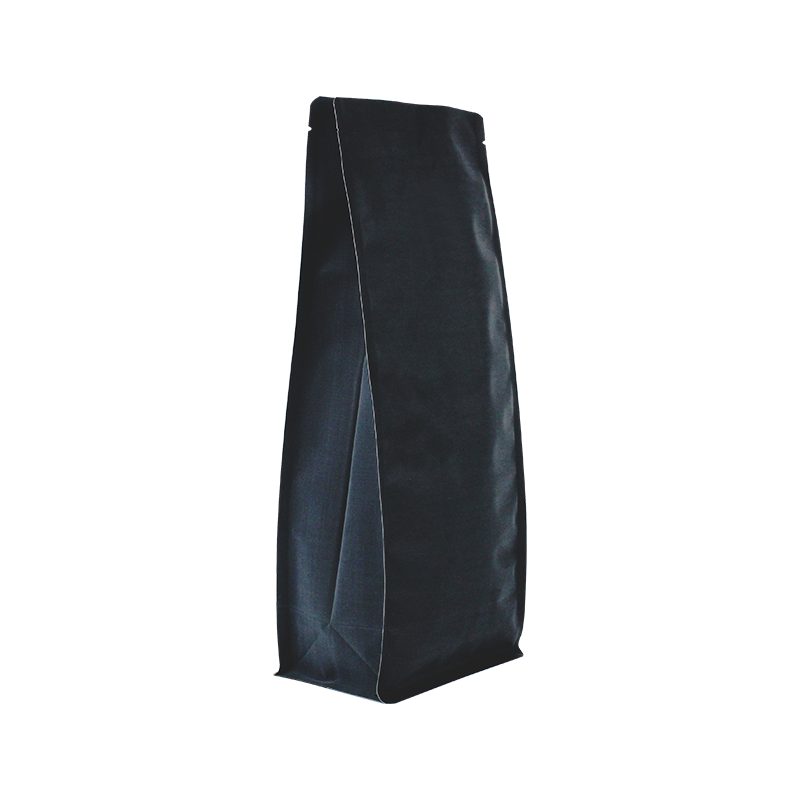
Figure 1: Advanced mono-material structures designed for recyclable pouches.
Manufacturing Process Flow for High-Performance Recyclable Pouches
The production of high-quality recyclable pouches involves a meticulously controlled process flow, integrating advanced material science with precision manufacturing techniques. While traditional metal component manufacturing might involve casting or CNC machining, flexible packaging focuses on extrusion, printing, lamination, and converting. The goal is to create a robust, barrier-rich, and consumer-friendly package that also meets stringent recyclability criteria.
Detailed Process Steps:
- Material Selection and Preparation:
Careful selection of virgin or post-consumer recycled (PCR) mono-material resins, typically specialized grades of PE. These resins are chosen for their specific properties: rigidity, flexibility, barrier capabilities, and compatibility within a single polymer stream. Materials undergo quality checks for purity and consistency.
- Film Extrusion/Co-Extrusion:
Polymer pellets are melted and extruded through a die to form a thin film. For barrier recyclable pouches, this often involves a multi-layer co-extrusion process where different PE grades, along with potential barrier layers like EVOH, are simultaneously extruded and bonded without adhesives. This creates a multi-functional film that remains mono-material by composition. The film's thickness and consistency are continuously monitored.
- Printing (Gravure or Flexographic):
The extruded film is then fed into high-speed printing presses. Gravure printing (rotogravure) offers exceptional print quality and consistency for large runs, while flexographic printing is versatile for varying run sizes. Environmentally friendly, low-VOC (Volatile Organic Compound) inks are used, ensuring they do not compromise the recyclability of the finished pouch. Precise color registration is crucial for brand integrity.
- Lamination (if applicable & recyclable):
While the goal is mono-material, some advanced recyclable pouches may involve lamination using solvent-free adhesives that are designed to be compatible with PE recycling, or by utilizing barrier coatings directly applied to the film. This step further enhances barrier properties or mechanical strength if required. This is a critical point where recyclability can be compromised if not carefully managed.
- Pouch Forming (Converting):
The printed and/or laminated film rolls are fed into advanced pouch-making machines. These machines cut the film to size, fold it, and apply heat seals to form the desired pouch structure (e.g., flat bottom, stand-up, three-side seal). For flat bottom pouches, precise scoring and sealing create the distinctive flat base, offering excellent shelf stability. Features like zippers, spouts, and tear notches are integrated during this stage.
- Quality Control and Testing:
Throughout the process, rigorous quality control measures are in place. This includes visual inspections, seal strength testing (ASTM F88), burst pressure testing (ASTM F1140), material thickness measurements, and barrier property verification (OTR, WVTR per ISO 15105-2, ASTM E96). Compliance with international standards such as ISO 9001 (Quality Management) and ISO 14001 (Environmental Management) is paramount. For food contact applications, adherence to FDA or EU food safety regulations is mandatory, ensuring the packaging materials are safe and non-leaching. Service life of these pouches, when properly stored and used, is typically several years, though product shelf life dictates the functional requirement.
- Packaging and Shipment:
Finished pouches are inspected, counted, and carefully packed for shipment to clients. The target industries for these pouches span diverse sectors, including Food & Beverage (e.g., pet food, coffee, snacks), Personal Care (e.g., shampoo refills, detergents), Home & Garden, and even select industrial chemical applications where corrosion resistance and energy efficiency during transport are key advantages.
In typical application scenarios, the advantages are clear: enhanced barrier properties prevent product spoilage, leading to less food waste and energy savings in the cold chain. Their lightweight nature also significantly reduces fuel consumption and carbon emissions during transportation compared to rigid packaging. Moreover, the inherent corrosion resistance of plastic films protects sensitive contents from environmental degradation, ensuring product integrity from factory to consumer.
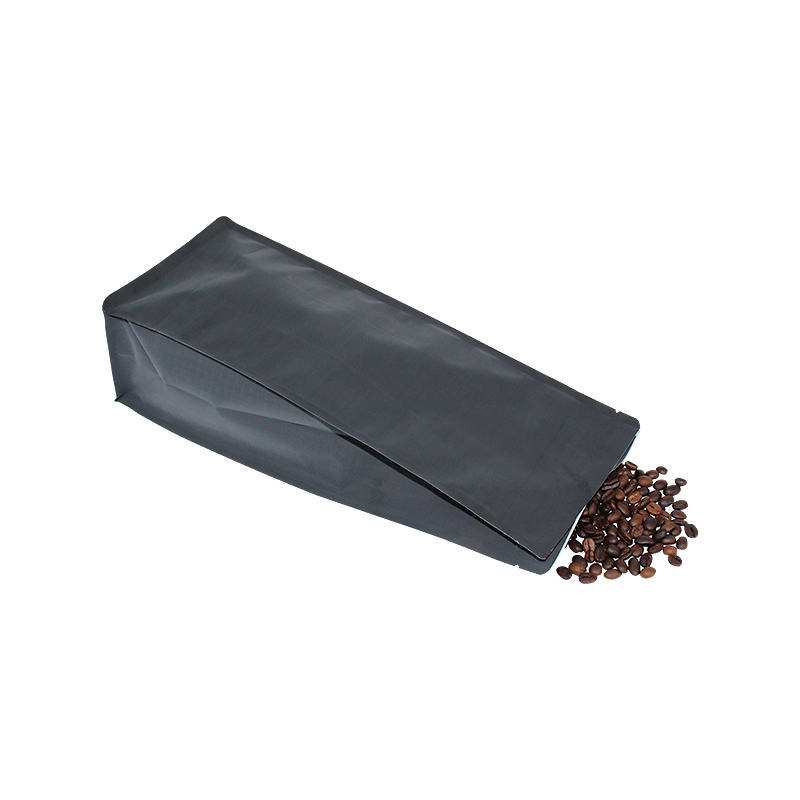
Figure 2: Schematic representation of the flexible packaging manufacturing process.
Technical Advantages and Performance Comparison
The technical advantages of recyclable pouches extend beyond their environmental credentials, offering tangible benefits in terms of product performance, operational efficiency, and supply chain logistics. Compared to conventional multi-layer laminates or rigid packaging, these pouches provide a superior value proposition for B2B stakeholders.
Key Advantages:
- Enhanced Recyclability: Designed for mono-material streams, significantly improving the likelihood of being recycled and reprocessed into new products, directly supporting the circular economy. This contrasts sharply with mixed-material packaging that often ends up in landfills.
- Reduced Carbon Footprint: The lightweight nature of flexible packaging, especially recyclable pouches, translates to lower material usage and reduced transportation emissions. Less energy is consumed during production and disposal compared to glass, metal, or rigid plastic container111s.
- Superior Barrier Properties: Advanced mono-material designs, often incorporating EVOH or ceramic coatings (AlOx/SiOx), offer excellent protection against oxygen, moisture, and UV light, extending product shelf life and preventing spoilage.
- Cost-Effectiveness: Lower material costs, reduced shipping weights and volumes (empty pouches take up minimal space), and increased production line efficiency contribute to significant cost savings across the supply chain.
- Durability and Protection: Despite being lightweight, these pouches are engineered for strength and puncture resistance, safeguarding contents during transit and handling.
- Brand & Consumer Appeal: High-definition print capabilities allow for vibrant branding. Features like reclosable zippers, spouts, and easy-tear notches enhance user convenience, contributing to a positive brand perception aligned with sustainability.
Product Comparison: Recyclable Flat Bottom Pouch vs. Traditional Laminate Pouch
| Feature | 100% Recyclable Flat Bottom Pouch (Mono-PE) | Traditional Multi-Layer Laminate Pouch (e.g., PET/Alu/PE) |
|---|---|---|
| Material Composition | Mono-Polyethylene (PE) with functional barriers | Multiple dissimilar layers (e.g., PET, Aluminum, PE) |
| Recyclability | Yes, compatible with PE film recycling streams (e.g., #2, #4) | No, layers cannot be separated; typically landfilled or incinerated. |
| Barrier Performance | Excellent OTR/WVTR (with EVOH/AlOx/SiOx) | Excellent OTR/WVTR (especially with aluminum foil) |
| Environmental Impact | Significantly reduced carbon footprint, less landfill waste, supports circular economy. | Higher carbon footprint, contributes to landfill, linear economy model. |
| Weight per Unit | Very low | Low, but often slightly heavier due to more layers. |
| Printing Quality | High-definition gravure/flexo. | High-definition gravure/flexo. |
| End-of-Life Scenario | Mechanical recycling, potential for chemical recycling. | Landfill, incineration (energy recovery). |
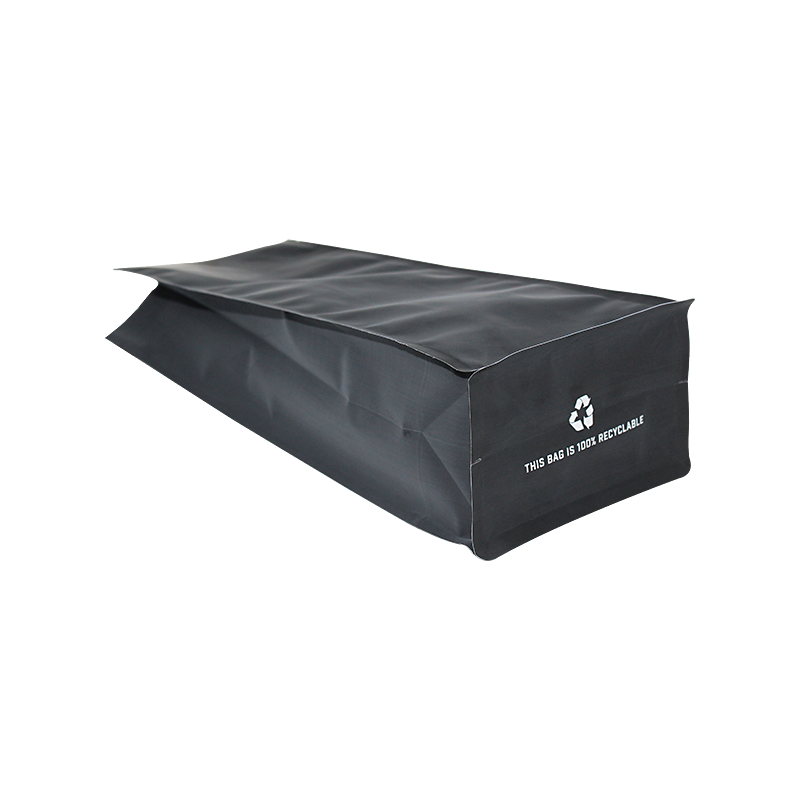
Figure 3: Visual comparison of pouch structures and their end-of-life implications.
Application Scenarios and Target Industries for Recyclable Pouches
The versatility and functional attributes of recyclable pouches make them ideal for a wide array of application scenarios across numerous target industries. From consumer goods to industrial solutions, their adaptability, coupled with sustainability benefits, positions them as a preferred packaging choice.
Key Application Areas:
- Food & Beverage: This is one of the largest segments. Recyclable pouches are extensively used for coffee, snacks (e.g., nuts, chips, dried fruit), pet food, spices, sauces, and ready-to-eat meals. Their barrier properties are crucial for maintaining freshness, aroma, and extending shelf life, while the flat-bottom design ensures stable display on shelves.
- Personal Care & Cosmetics: Increasingly, brands are adopting recyclable pouches for liquid refills (shampoo, conditioner, body wash), hand soaps, and even powdered beauty products. This significantly reduces plastic waste from rigid bottles and jars.
- Household & Cleaning Products: Detergent refills, cleaning concentrates, and even some gardening products are transitioning to flexible `sustainable custom packaging`. The durability and chemical resistance of PE films are highly advantageous here.
- Nutraceuticals & Supplements: Powders, gummies, and liquid supplements benefit from the protective barriers and convenient reclosable features of recyclable pouches, ensuring product potency and consumer ease of use.
- E-commerce & `Recyclable Shipping Bags`: Beyond the primary product packaging, the demand for `recyclable shipping bags` is surging in the e-commerce sector. These flexible mailers, also often made from mono-PE, offer lightweight, durable, and sustainable alternatives to traditional poly mailers or cardboard boxes for non-fragile items, reducing shipping costs and environmental impact.
- `Sustainable Takeaway Packaging`: The food service industry is under pressure to adopt more sustainable practices. Recyclable pouches can serve as innovative `sustainable takeaway packaging` for items like soups, sauces, meal kits, or even beverages, offering convenience and reducing the footprint of single-use container111s.
Benefits in Specific Scenarios:
- Energy Saving (Cold Chain): For frozen or refrigerated foods, the efficient barrier properties help maintain temperature and product quality, reducing energy expenditure in cold storage and transport. The thinner material also chills faster.
- Corrosion Resistance: For chemical or certain food products (e.g., acidic sauces), the inert nature of PE materials provides excellent chemical resistance, preventing package degradation and potential product contamination.
- Reduced Breakage: Unlike glass or rigid plastic, flexible pouches are inherently shatterproof, leading to less product loss from breakage during transit and handling, especially critical in bustling distribution networks.
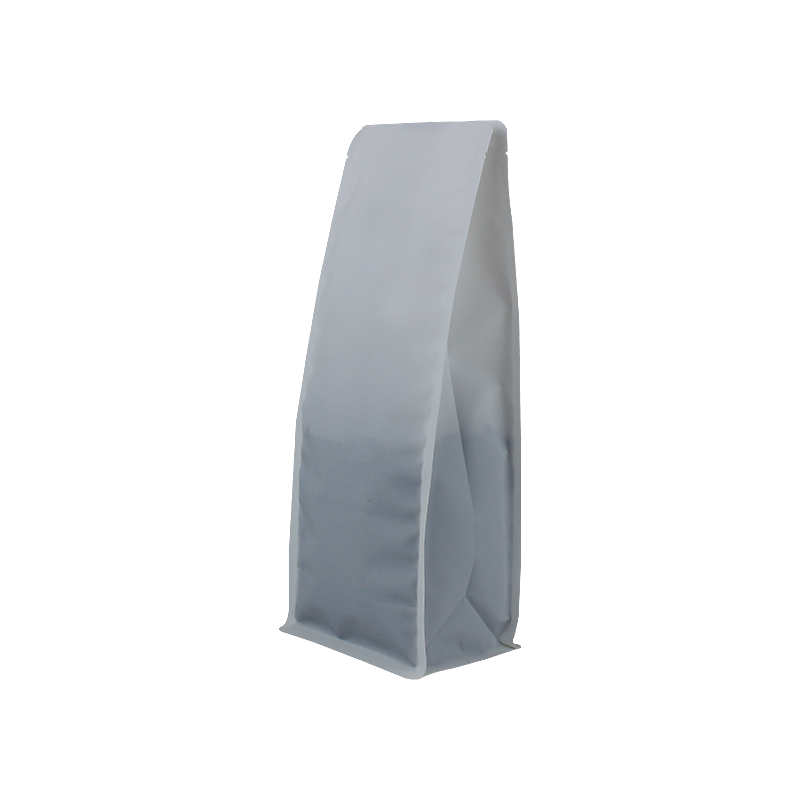
Figure 4: Diverse applications of recyclable pouches across various industries.
Customized Solutions, Vendor Comparison, and Case Studies
Selecting the right partner for recyclable pouches involves more than just material specification; it requires evaluating a vendor's ability to provide comprehensive, customized solutions, backed by robust experience and technical expertise. A thorough vendor comparison should consider several critical factors to ensure successful implementation and long-term sustainability goals.
Customized Solutions: Tailoring Recyclable Pouches to Your Brand
True value in recyclable pouches often lies in their capacity for customization. Brands require packaging that reflects their unique identity and meets specific product requirements. Customization options include:
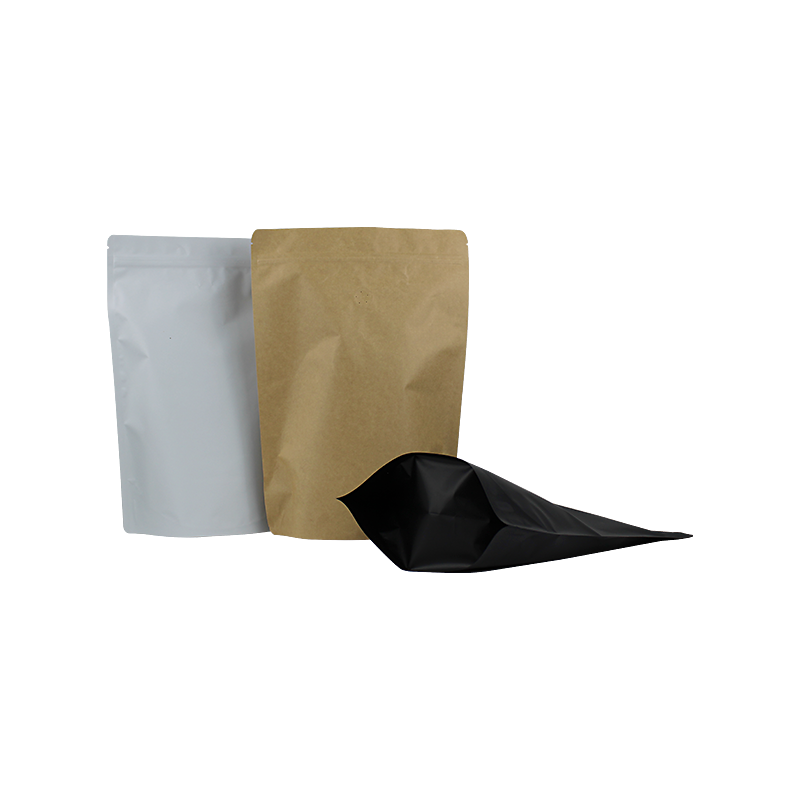
- Size and Shape: From small single-serve sachets to large bulk `sustainable custom packaging` formats, custom dimensions and pouch styles (stand-up, flat-bottom, 3-side seal, spouted) are essential.
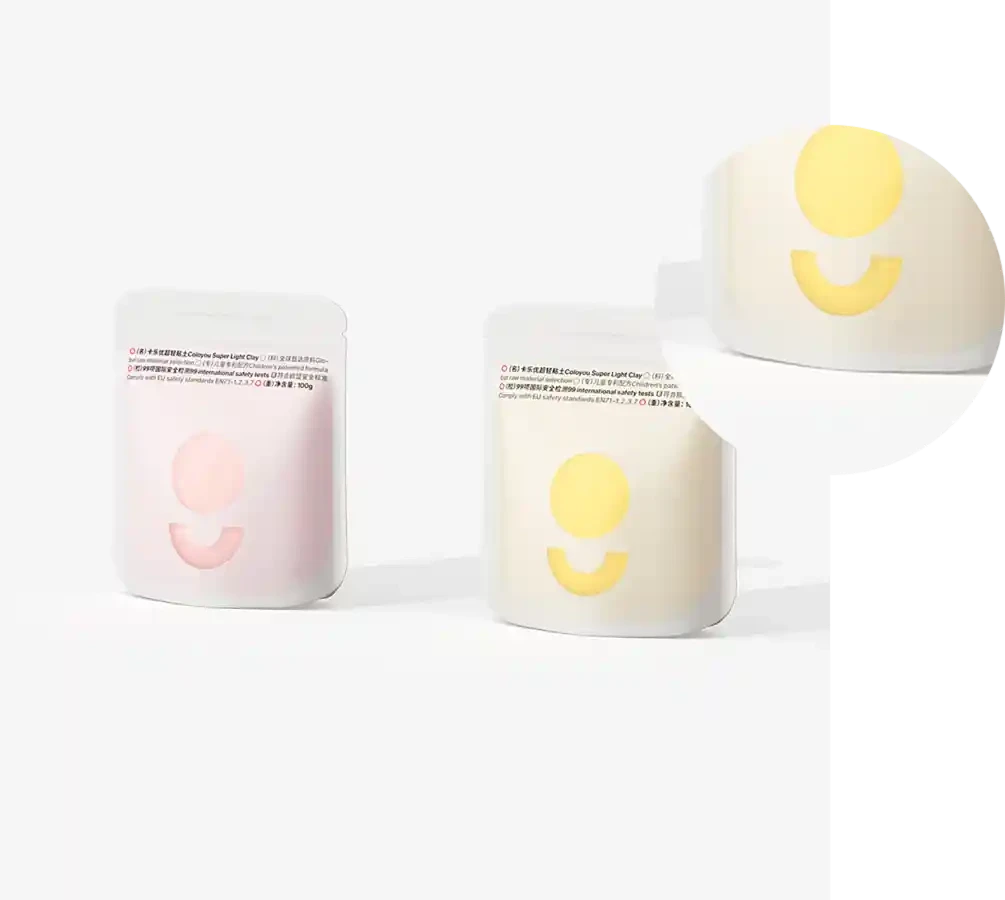
- Printing and Graphics: High-definition digital, gravure, or flexographic printing allows for intricate designs, vibrant colors (up to 10+ colors), matte or glossy finishes, and tactile effects to create a premium brand experience.
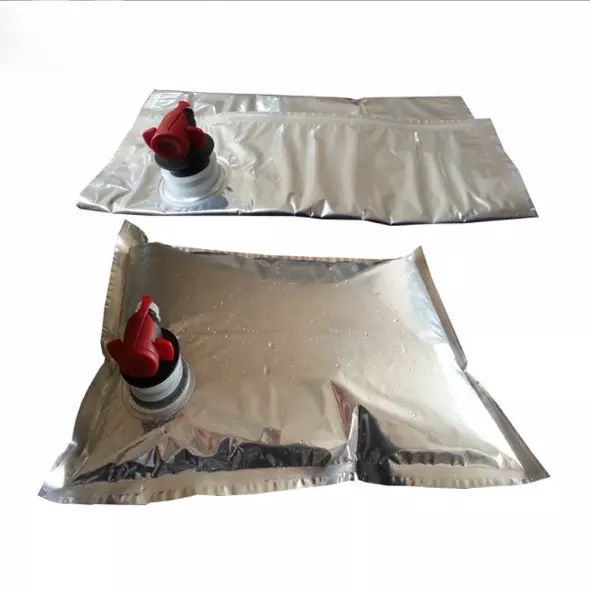
- Functional Add-ons: Reclosable zippers (press-to-close, slider), spouts for liquid dispensing, easy-tear notches, hang holes, and degassing valves (for coffee) enhance consumer convenience and product preservation.
- Barrier Customization: Tailoring the barrier properties (e.g., high-oxygen, high-moisture) to the exact needs of the product ensures optimal shelf life without over-engineering the material, maintaining cost efficiency and recyclability.
- Material Post-Consumer Recycled (PCR) Content: Incorporating verified PCR content into the recyclable pouches helps brands achieve their circular economy goals and boosts environmental credentials.
Vendor Comparison: Key Criteria for Selection
When evaluating suppliers for `sustainable product packaging`, consider these factors:
- Experience & Expertise: Look for vendors with decades of experience in flexible packaging and a proven track record in developing and producing truly recyclable pouches.
- Certifications: Verify certifications like ISO 9001 (Quality), ISO 14001 (Environmental), BRCGS (Food Safety), and RecyClass (Recyclability Assessment), ensuring adherence to global standards.
- R&D Capabilities: A strong R&D department indicates a commitment to innovation, material science, and staying ahead of evolving recycling infrastructure and regulations.
- Supply Chain Resilience: Evaluate the vendor's ability to ensure consistent supply, manage lead times, and offer competitive pricing, particularly with global material fluctuations.
- Customer Support: Assess their technical support, design assistance, and responsiveness to inquiries and challenges throughout the project lifecycle.
Application Case Studies & Customer Experience:
Case Study 1: Premium Coffee Roaster Transitioning to Recyclable Packaging
Client Profile: A well-established artisanal coffee roaster aiming to enhance its brand's sustainability profile and appeal to eco-conscious consumers.
Challenge: Existing multi-layer coffee bags with aluminum foil provided excellent barrier but were non-recyclable, conflicting with brand values.
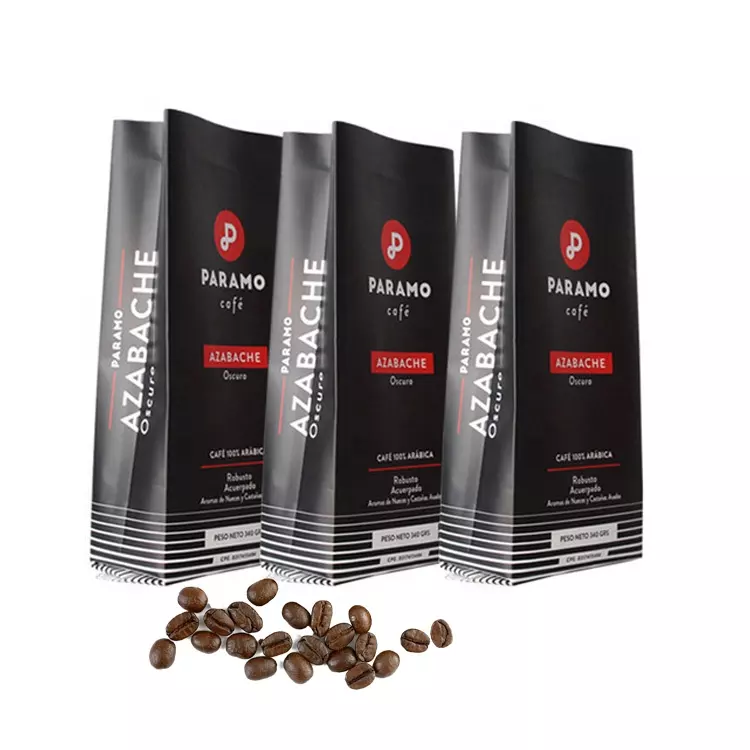
Solution: Collaborated on custom-designed mono-PE flat-bottom recyclable pouches with an integrated high-barrier EVOH layer and a one-way degassing valve. The pouches featured a matte finish and vibrant, custom-printed graphics.
Results: Achieved a 100% recyclable packaging solution without compromising coffee freshness (verified by internal shelf-life testing). Saw a 15% increase in consumer engagement regarding sustainability, and a notable boost in sales within target demographics. The transition solidified their position as an industry leader in `sustainable product packaging`.
Case Study 2: Major Pet Food Brand Optimizing for E-commerce & Sustainability
Client Profile: A large pet food manufacturer looking to reduce packaging waste for their popular dry pet food line sold online and in stores.
Challenge: Heavy, rigid plastic tubs and non-recyclable bags contributed significantly to plastic waste and high shipping costs for their e-commerce channel.
Solution: Developed large recyclable pouches for their bulk products, featuring a robust mono-PE structure with high puncture resistance and a strong reclosable zipper. Simultaneously introduced `recyclable shipping bags` for individual smaller units, replacing cardboard boxes for online orders.
Results: Reduced total packaging weight by 30% and achieved a 20% reduction in shipping costs for e-commerce orders due to lighter `recyclable shipping bags`. Customer feedback indicated high satisfaction with the ease of use and environmental benefits of the new packaging. Annual plastic waste reduction exceeded 50 tons. This initiative helped position them as a leader in `sustainable custom packaging` within the pet industry.
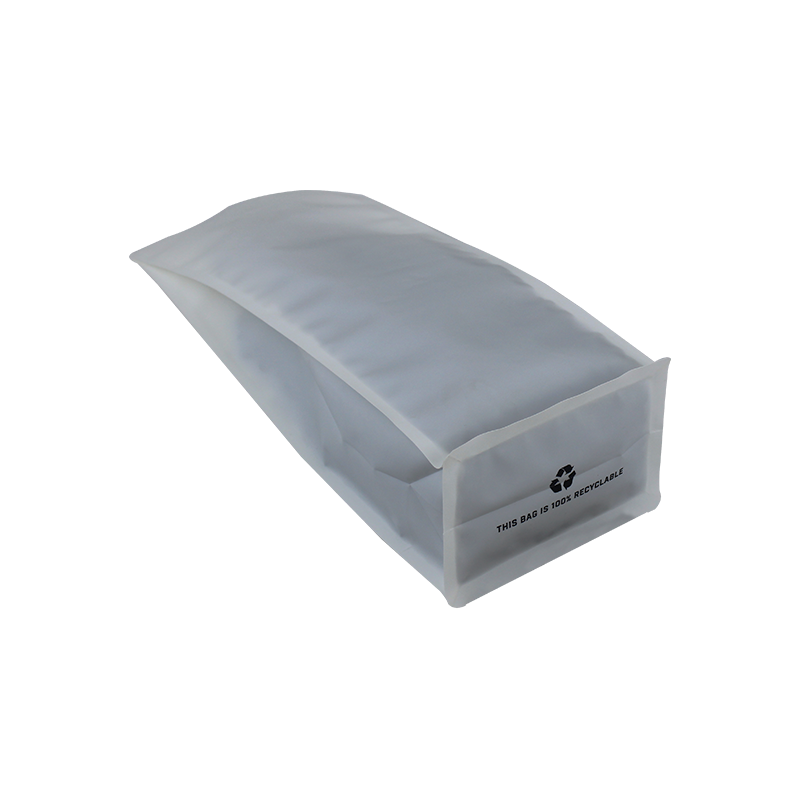
Figure 5: Customization options available for recyclable pouches, including spouts and zippers.
Ensuring Trustworthiness: FAQs, Lead Times, Warranty, and Support
Building enduring B2B relationships is predicated on transparency, reliability, and robust support systems. For `sustainable product packaging` solutions like recyclable pouches, understanding the practical aspects of engagement is just as important as the technical specifications.
Frequently Asked Questions (FAQs):
- Q: How do I know if my recyclable pouches are truly recyclable?
- A: Our recyclable pouches are typically made from mono-materials (e.g., 100% PE) and are designed to be compatible with common film recycling streams (check local recycling guidelines). We can provide relevant certifications (e.g., RecyClass, EPR compliance documentation) to verify recyclability claims.
- Q: Can recyclable pouches offer the same shelf life as traditional multi-layer options?
- A: Yes, with advanced barrier technologies like EVOH or AlOx/SiOx coatings integrated into the mono-material structure, our recyclable pouches can achieve comparable or even superior barrier performance for oxygen, moisture, and aroma, ensuring excellent product shelf life.
- Q: What are the minimum order quantities (MOQs) for custom recyclable pouches?
- A: MOQs vary based on the specific pouch design, size, and printing requirements. We work with clients to find a balance between production efficiency and their initial needs. Please contact our sales team for a detailed quote based on your specifications.
- Q: Are your `sustainable custom packaging` solutions suitable for food contact?
- A: Absolutely. All our food-grade packaging materials comply with stringent international food safety standards, including FDA regulations in the US and equivalent directives in the EU. Documentation is available upon request.
Lead Time & Fulfillment Details:
Our production process is streamlined to ensure efficient order fulfillment while maintaining the highest quality standards. Typical lead times for custom recyclable pouches are as follows:
- Artwork & Plate Creation: 10-15 business days (after final artwork approval).
- Production (Printing & Converting): 20-30 business days (after plate approval and material availability).
- Shipping: Varies by destination and chosen freight method. Expedited options are available upon request.
We provide clear communication throughout the order lifecycle, from initial design to final delivery, ensuring you are informed every step of the way. We partner with reliable logistics providers to ensure timely and secure delivery of your `recyclable shipping bags` and pouches.
Warranty Commitments:
We stand by the quality and performance of our recyclable pouches. All products are manufactured under strict quality control protocols, adhering to ISO 9001 standards. We offer a comprehensive warranty against manufacturing defects for a period of 12 months from the date of shipment, provided the products are stored and used under recommended conditions. This warranty covers material integrity, seal strength, and print quality. Detailed warranty terms and conditions are available in our standard supply agreement.
Dedicated Customer Support:
Our commitment extends beyond product delivery. We provide dedicated customer support to assist with technical queries, order tracking, and any post-delivery concerns. Our expert team is available via phone, email, or dedicated client portal during business hours. We offer:
- Technical Assistance: Guidance on material selection, barrier requirements, and filling line compatibility.
- Design & Pre-press Support: Helping optimize your artwork for print quality and efficiency.
- Account Management: A dedicated account manager for personalized service and relationship building.
- Post-Sales Support: Prompt resolution of any issues or concerns that may arise.
Authoritativeness and Certifications
Our commitment to excellence and sustainability is underscored by our adherence to international standards and robust industry certifications. As a leading provider of `sustainable product packaging`, we ensure that our operations and products, including our advanced recyclable pouches, meet the highest benchmarks for quality, environmental responsibility, and safety. Our decades of experience in the flexible packaging industry, coupled with strong partnerships, position us as an authoritative source for packaging solutions.
Key Certifications and Compliance:
- ISO 9001:2015 (Quality Management Systems): Demonstrates our unwavering commitment to consistent product quality, customer satisfaction, and continuous improvement across all manufacturing processes for our `sustainable custom packaging`.
- ISO 14001:2015 (Environmental Management Systems): Confirms our dedication to minimizing our environmental footprint, optimizing resource use, and adhering to environmental regulations in the production of recyclable pouches.
- BRCGS Global Standard for Packaging Materials: Ensures that our packaging materials meet the rigorous hygiene, safety, and quality requirements for food contact applications, offering peace of mind for clients in the food and beverage sectors.
- FDA Compliance: All materials used in our food-grade recyclable pouches comply with the US Food and Drug Administration's regulations for safe food contact.
- EU Food Contact Regulations (e.g., EC No 1935/2004, EU No 10/2011): Adherence to European standards for materials and articles intended to come into contact with food.
- RecyClass Certifications: Where applicable, our recyclable pouches are designed and assessed according to RecyClass guidelines, an industry-led initiative that objectively evaluates the recyclability of packaging structures, providing transparent and verifiable data.
Our long-standing relationships with numerous industry-leading brands across food, personal care, and industrial sectors serve as a testament to our reliability and expertise. We pride ourselves on being a trusted partner in their journey towards more `sustainable custom packaging` and supply chain efficiency, delivering solutions like recyclable pouches that meet both their performance needs and their environmental goals.
Conclusion: Embracing the Future of Packaging with Recyclable Pouches
The transition to `sustainable product packaging` is no longer an option but a strategic imperative for businesses aiming to thrive in an evolving global market. Recyclable pouches stand at the forefront of this movement, offering an unparalleled combination of environmental responsibility, technical performance, and economic advantages. From reducing carbon footprints and diverting waste from landfills to extending product shelf life and enhancing brand appeal, their benefits are comprehensive and far-reaching.
As regulatory pressures intensify and consumer demand for eco-friendly products grows, investing in advanced `sustainable custom packaging` solutions like recyclable pouches becomes a critical differentiator. By partnering with experienced manufacturers who prioritize material science, precision engineering, and robust quality control, businesses can confidently embrace this packaging revolution, secure in the knowledge that they are contributing to a more sustainable future without compromising product integrity or market competitiveness. The future of packaging is flexible, efficient, and undeniably recyclable.
References:
- Grand View Research. Flexible Packaging Market Size, Share & Trends Analysis Report By Material (Plastics, Paper, Bioplastics, Cellulosic), By Application, By Region, And Segment Forecasts, 2023 - 2030. Retrieved from: https://www.grandviewresearch.com/industry-analysis/flexible-packaging-market
- RecyClass. Design for Recycling Guidelines. Retrieved from: https://recyclass.eu/recyclability-assessment/design-for-recycling-guidelines/
- European Plastics Converters (EuPC). The Value of Flexible Packaging. Retrieved from: https://www.plasticsconverters.eu/
- Flexible Packaging Association (FPA). Flexible Packaging: An Essential Part of Modern Life. Retrieved from: https://www.flexpack.org/
- ISO. ISO 9001:2015 - Quality management systems. Retrieved from: https://www.iso.org/iso-9001-quality-management.html
- ISO. ISO 14001:2015 - Environmental management systems. Retrieved from: https://www.iso.org/iso-14001-environmental-management.html



- No. 6 Hefu Road, Hengjiang Industrial Zone, Gaoming District, Foshan, Guangdong Province,China
- Tel: 86-133 3649 8096
- Email:enid@bc-pak.com
-


