
Gusset Bag Packaging - Custom, Food-Grade, Eco-Friendly
Side Gusset Pouch Packaging Bag: field notes from the coffee line
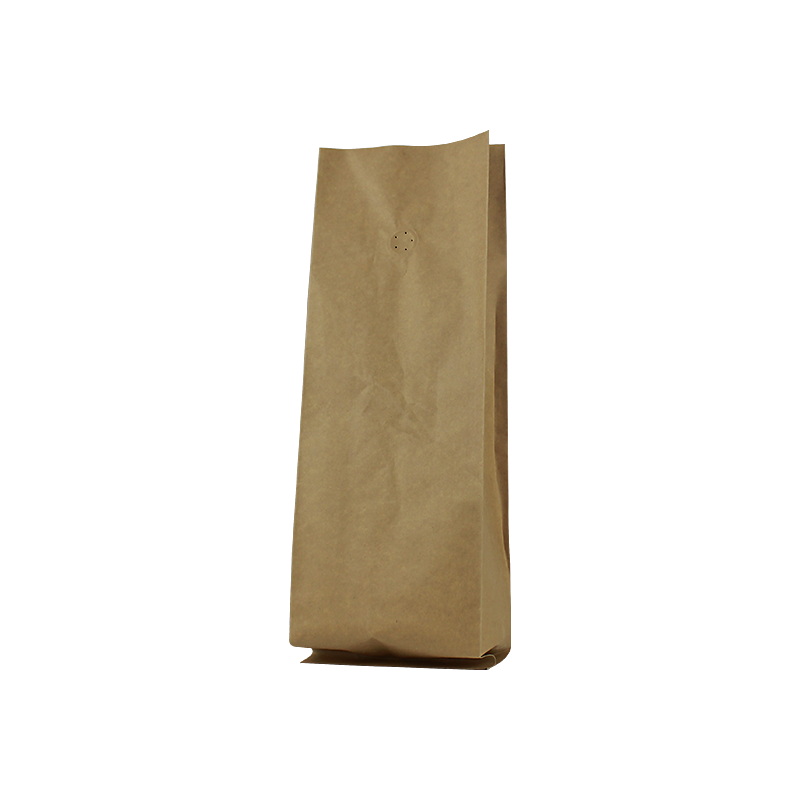
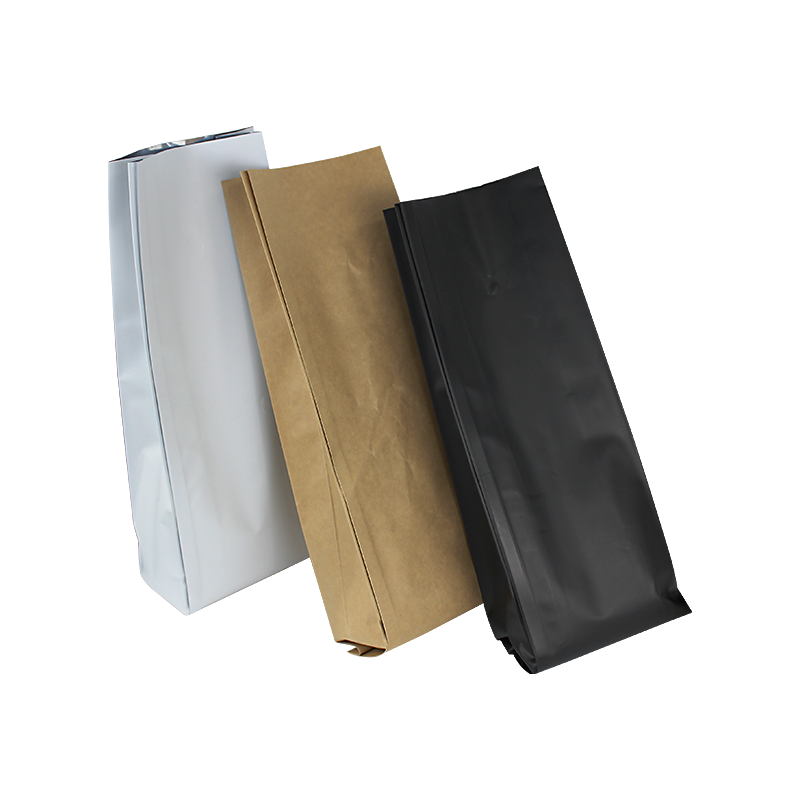
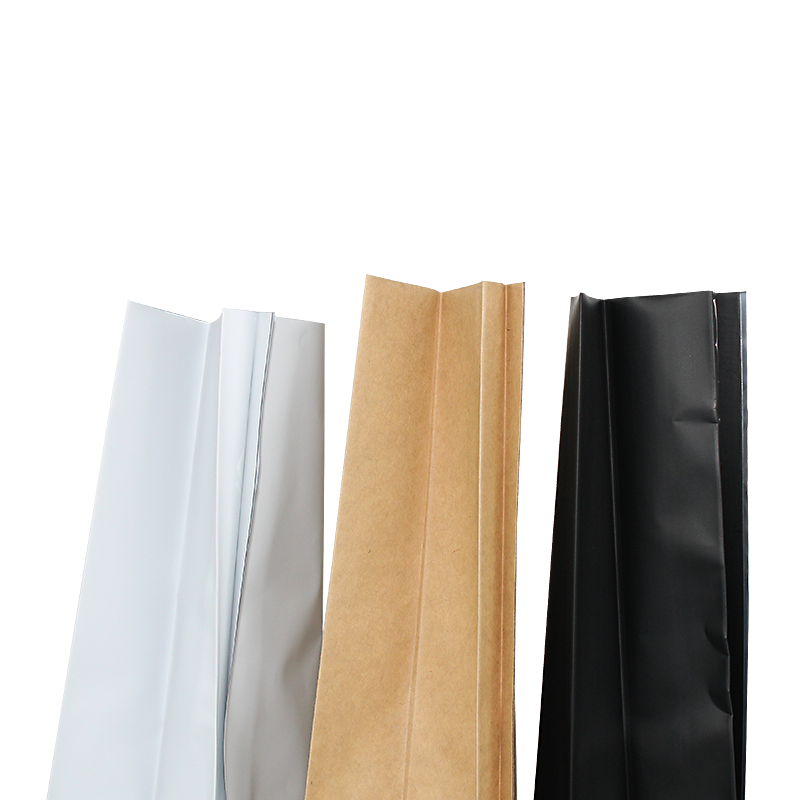
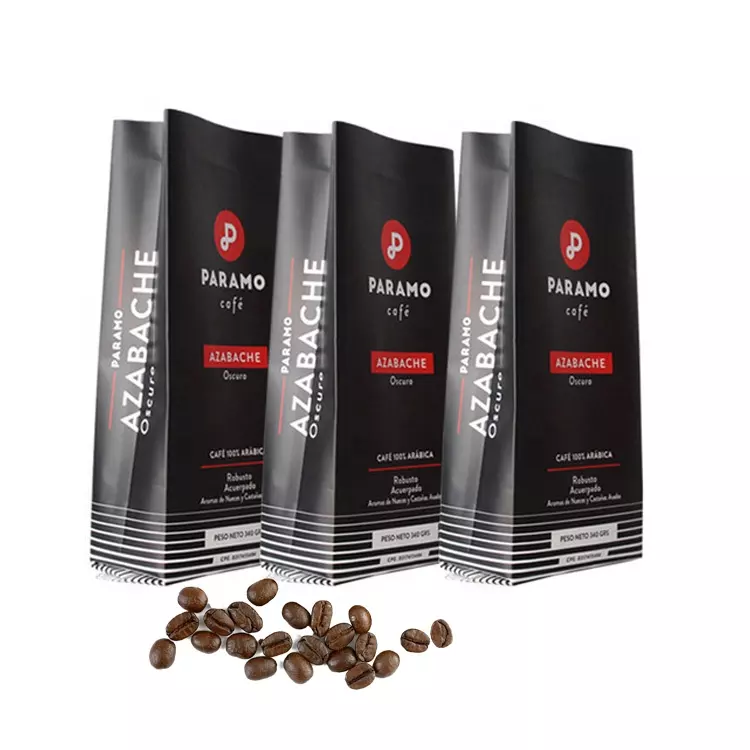
I’ve stood beside more than a few roasters as a fresh batch hissed and degassed. That’s when the bag matters most. If you handle coffee or any lively product, you’ve probably debated gusset bag packaging—and whether it’s worth upgrading. Short answer: yes, when it’s built right. The Side Gusset Pouch Packaging Bag (Item No. 00096) from DSLPACK, made in Foshan, Guangdong, has been popping up in roasteries and food plants for good reason.
What’s driving demand right now
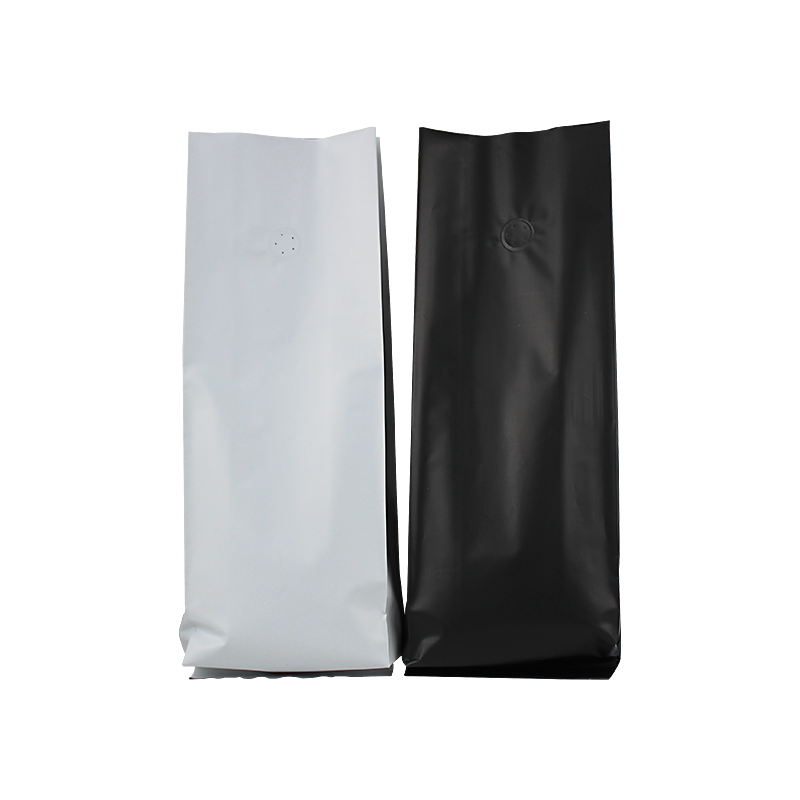
Two things: shelf-life pressure and brand presentation. Coffee, powders, pet treats—many outgas or oxidize fast. A high-barrier laminate with a reliable one-way valve (WIPF or a solid China valve) is, frankly, table stakes. And brand teams still want that crisp matte MOPP and tight registration. Many customers say the matte + metallic combo is the new “premium standard.”
Core structure and quick specs
| Parameter | Typical spec | Test/Standard |
|---|---|---|
| Laminate | MOPP / VMPET / AL / PE (food grade) | EU 1935/2004; FDA 21 CFR |
| Thickness | ≈ 90–140 μm | Micrometer per ASTM D6988 |
| OTR (23°C, 0% RH) | ≤ 0.1 cc/m²·day (AL) or ≈ 0.5 (VMPET) | ASTM D3985 |
| WVTR (38°C, 90% RH) | ≤ 0.1 g/m²·day | ASTM F1249 |
| Valve type | WIPF valve or China valve | Functional leak test |
| Seal strength | ≥ 10 N/15 mm | ASTM F88/F88M |
| Print/finish | Up to 10 colors, matte or gloss | Visual, ΔE checks |
| Usable temp | -20 to 85°C (filling up to ≈ 70°C) | Manufacturer data |
Real-world use may vary by product, headspace, and distribution conditions.
How these bags are built (the fast version)
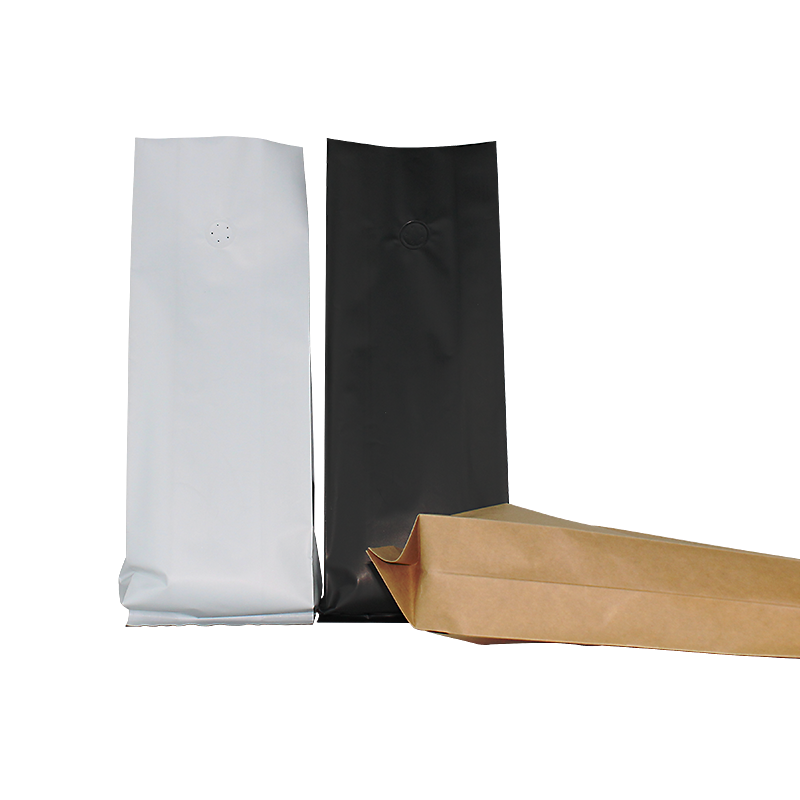
- Materials: MOPP for print/rigidity; VMPET or AL for barrier; PE inner for heat seal and food contact.
- Lamination: solvent or solventless bonding; 24–48 h curing; then slitting.
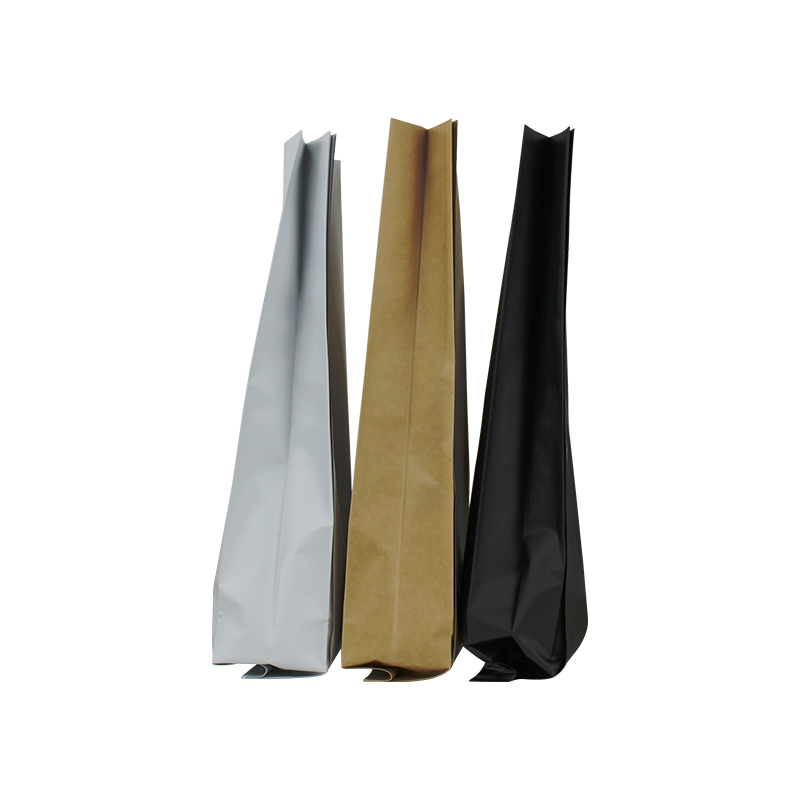
- Pouch-making: side gusset forming, bottom sealing, valve insertion (WIPF/China), tear notch.
- Testing: OTR/WVTR (ASTM D3985/F1249), seal strength (ASTM F88), tensile (ASTM D882), drop/ship (ISTA 3A).
Service life: for roasted coffee, we typically see 6–12+ months with AL structures, assuming cool storage. For powder supplements, even longer.
Where they shine
Use cases include coffee (obviously), cocoa, teas, dried snacks, fermented or outgassing goods, powdered nutrition, and premium pet food. A roastery in Southeast Asia told me their returns for “flat-tasting” SKUs dropped about 27% after switching to gusset bag packaging with WIPF valves. Anecdotal, but it lines up with lab data.
Customization options
Sizes from 250 g to 1 kg (coffee sweet spot), one-way valve, degassing date code, laser scoring, zippers, and easy-open notches. Matte MOPP with spot gloss is trending; to be honest, it photographs beautifully for DTC brands.
Vendor snapshot (my notes)
| Vendor | Certs | MOQ | Lead time | Notes |
|---|---|---|---|---|
| DSLPACK (Foshan, China) | Food-grade; EU/FDA compliant | ≈ 10,000 | 3–5 weeks | Strong coffee focus; WIPF valve option |
| Regional Converter A | ISO 22000 | ≈ 5,000 | 2–4 weeks | Good for rush jobs |
| Importer B | Varies | Stock packs | Ready to ship | Limited customization |
Note: data from purchase rounds and client feedback; always verify current MOQs and lead times.
Compliance, origin, and QA
Materials are food-safe and compliant with EU and FDA frameworks, with QA checkpoints for seal strength and barrier consistency. Manufacturing origin: No. 6 Hefu Road, Hengjiang Industrial Zone, Gaoming District, Foshan, Guangdong Province, China. If you need audit paperwork, ask for migration test summaries and valve spec sheets—simple but important.
Bottom line
If you want stable flavor, glossy-to-matte shelf presence, and fewer “puffed” returns, gusset bag packaging with MOPP/VMPET/AL/PE—and a quality one-way valve—earns its keep. Not glamorous, but very effective.
- EU Regulation (EC) No 1935/2004 on materials intended to come into contact with food.
- FDA 21 CFR 177.1520 (Olefin polymers) and related food-contact provisions.
- ASTM D3985 (Oxygen Transmission Rate) and ASTM F1249 (Water Vapor Transmission Rate).
- ASTM F88/F88M (Seal Strength) and ASTM D882 (Tensile testing of thin plastic sheeting).
- ISTA 3A (Package performance testing for parcel delivery system shipments).





- No. 6 Hefu Road, Hengjiang Industrial Zone, Gaoming District, Foshan, Guangdong Province,China
- Tel: 86-133 3649 8096
- Email:enid@bc-pak.com
-


