
Navigating Recycle BC Regulations for Flexible Packaging Compliance
Navigating Recycle BC & Flexible Packaging: A Guide for Businesses
Understanding the regulations surrounding packaging recycling in British Columbia, particularly concerning flexible packaging through Recycle BC, is crucial for businesses. This article provides a comprehensive overview of navigating these requirements, with a focus on how DSL Packaging can assist in compliant packaging solutions. We'll explore the current landscape, key obligations, and sustainable packaging alternatives to ensure your business stays ahead of the curve.
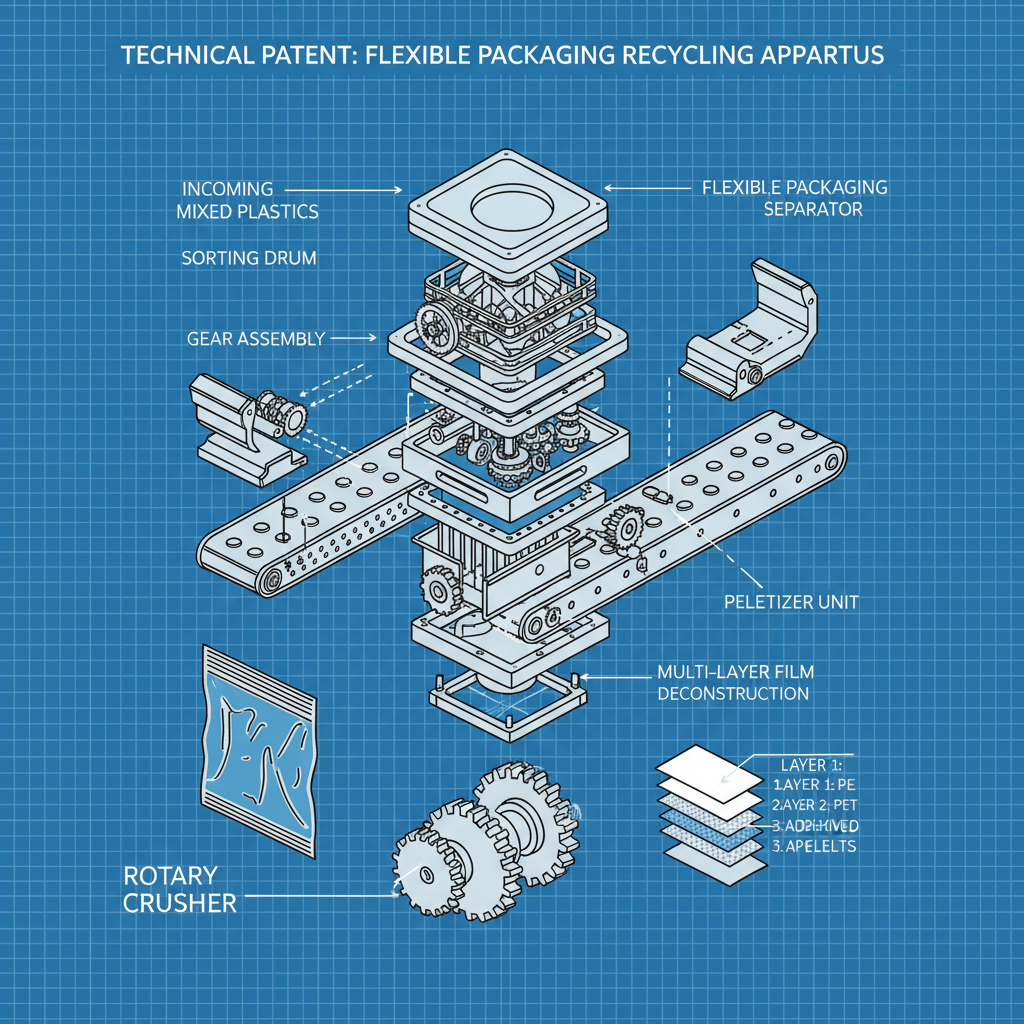
Understanding Recycle BC and Extended Producer Responsibility (EPR)
Recycle BC operates under the Extended Producer Responsibility (EPR) principle. This means producers – those who introduce packaged products into the BC market – are financially and operationally responsible for the end-of-life management of that packaging. This system aims to shift the burden of recycling costs away from municipal governments and onto producers. The regulations cover a wide range of packaging materials, including paper, plastic, metal, and, increasingly, flexible packaging. Businesses exceeding certain thresholds are obligated to join Recycle BC and report their packaging data.
Key Takeaway: EPR shifts recycling responsibility to producers, ensuring a financially sustainable recycling system in British Columbia.
Flexible Packaging & Recycle BC: Navigating the Challenges
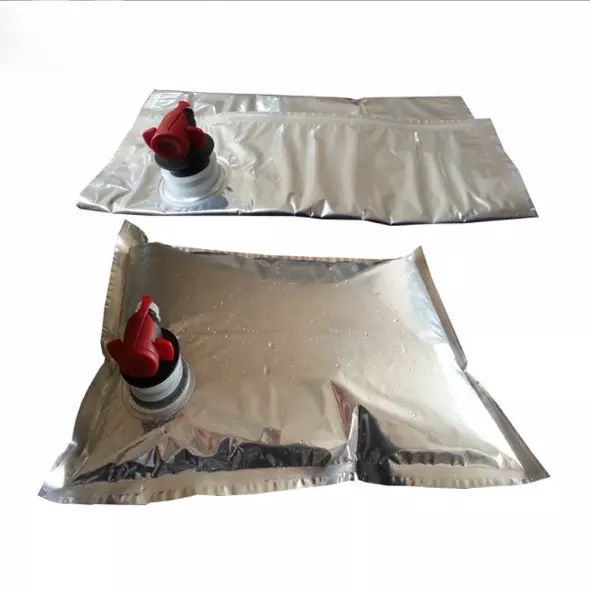
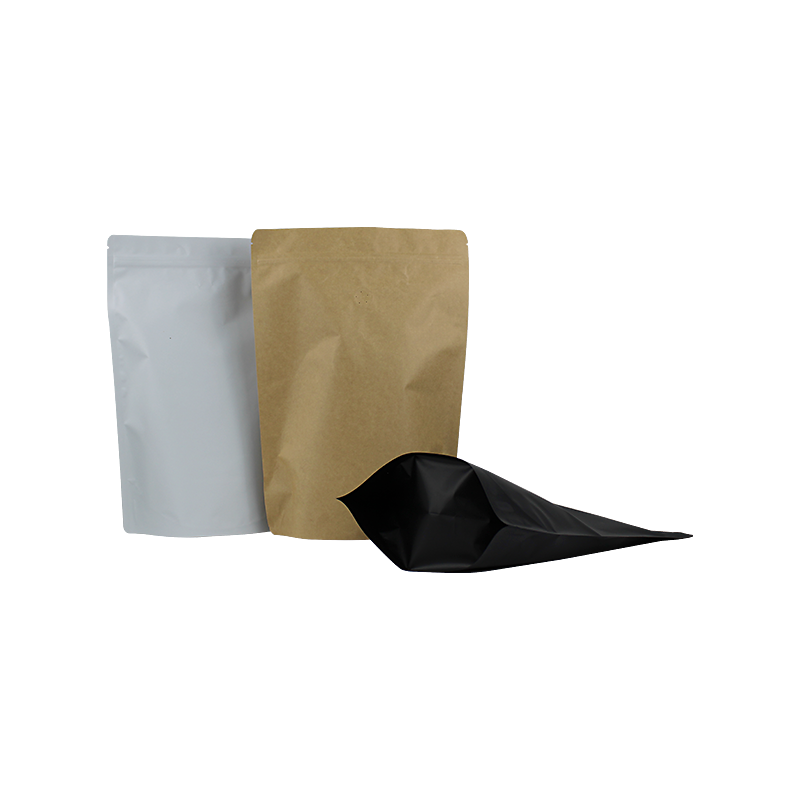
Flexible packaging—pouches, wrappers, and bags—presents unique recycling challenges due to its multi-material composition. Historically, a significant portion of flexible packaging ended up in landfills. However, Recycle BC has been actively expanding its acceptance of these materials. Understanding what types of flexible packaging are accepted and meeting the reporting requirements is vital. DSL Packaging offers expertise in sourcing and designing flexible packaging solutions that align with Recycle BC guidelines.
Challenges with Flexible Packaging Recycling:
• Multi-layer material composition.
• Contamination issues.
• Varying resin types.
• Infrastructure limitations.
Recycle BC Flexible Packaging Accepted Materials – A Comparison
Not all flexible packaging is created equal when it comes to recyclability through Recycle BC. The accepted materials depend on resin types and structure. Understanding these differences is key for compliant packaging design. Below is a comparison of commonly used flexible packaging materials and their recyclability status within the Recycle BC program.
DSL Packaging: Your Partner in Sustainable Packaging Solutions
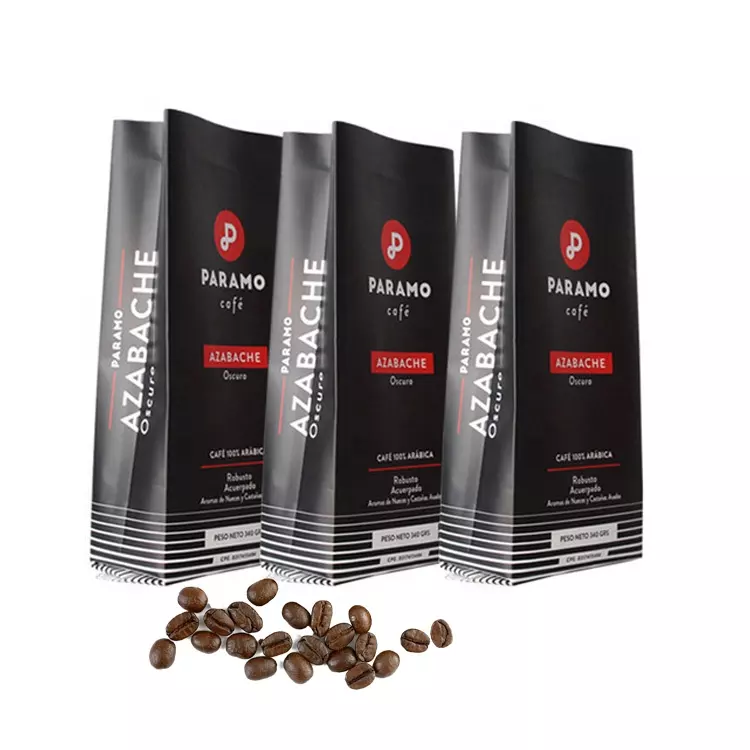
DSL Packaging specializes in providing packaging solutions tailored to meet the evolving requirements of Recycle BC. We offer a range of sustainable alternatives, including mono-material structures, recyclable films, and compostable options. Our team can help you assess your current packaging, identify opportunities for improvement, and ensure your products comply with all relevant regulations. We provide packaging design, material sourcing, and reporting assistance to simplify the process.
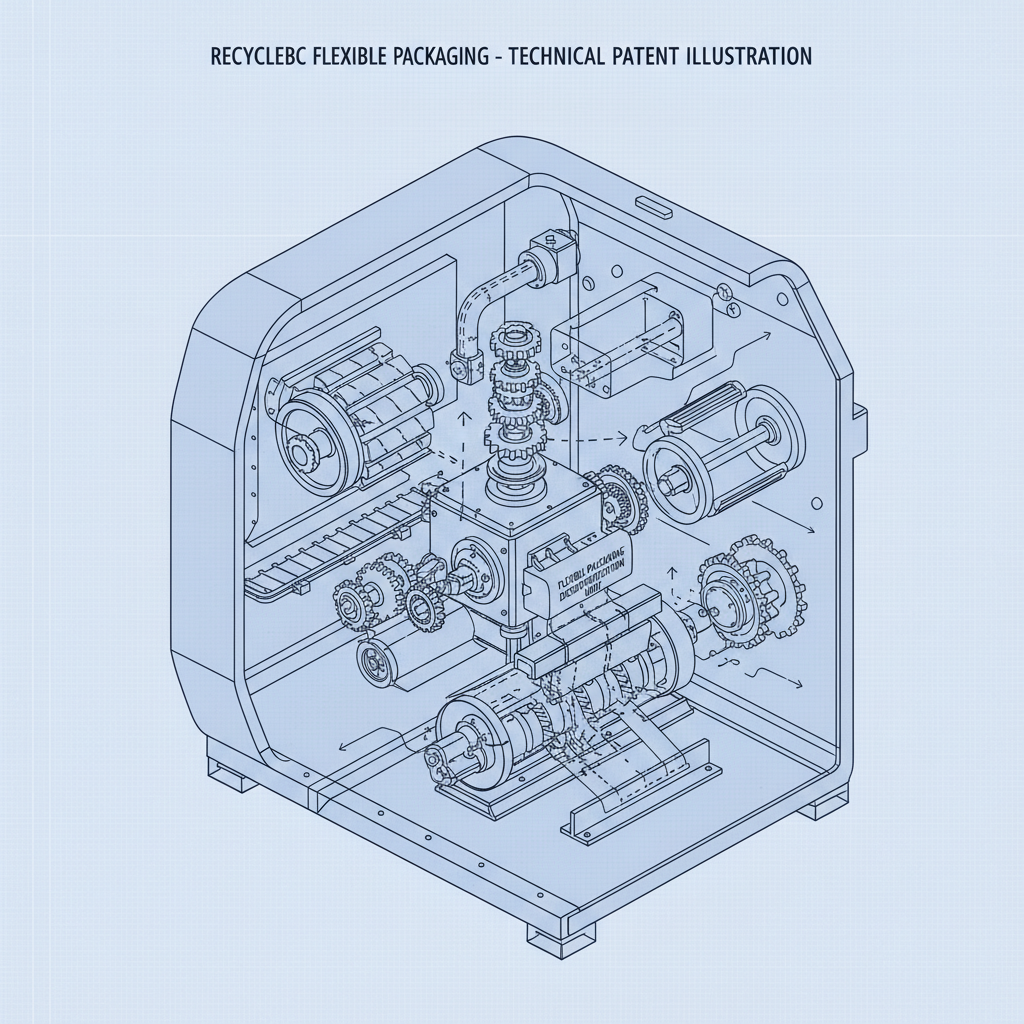
Key Compliance Steps for Recycle BC
Successfully navigating Recycle BC requires a proactive approach. Here are key steps: 1. Determine if you meet the reporting threshold. 2. Register with Recycle BC. 3. Accurately report your packaging data. 4. Design packaging for recyclability. 5. Stay updated on changing regulations. DSL Packaging can guide you through each of these steps, ensuring a smooth and compliant process.
Conclusion: Embracing Sustainable Packaging with Confidence
Staying compliant with Recycle BC regulations, particularly regarding flexible packaging, is a critical aspect of responsible business practice. DSL Packaging provides the expertise and innovative solutions to help you achieve your sustainability goals. Contact us today to learn how we can simplify your packaging compliance and contribute to a more circular economy.
Frequently Asked Questions (FAQs)
What are the penalties for non-compliance with Recycle BC regulations?
Non-compliance with Recycle BC regulations can result in significant penalties, including financial fines and potential restrictions on product sales in British Columbia. The specific penalties vary depending on the nature and severity of the violation. Recycle BC conducts audits and assessments to ensure compliance, and consistently failing to meet reporting requirements or using non-compliant packaging can lead to enforcement actions. Partnering with an expert like DSL Packaging can help you avoid these penalties by ensuring your packaging meets all requirements.
How can DSL Packaging help my business with Recycle BC compliance?
DSL Packaging offers comprehensive support for Recycle BC compliance. We provide packaging assessments, design for recyclability services, material sourcing, and assistance with data reporting. Our team stays up-to-date on the latest regulations and can guide you through the entire process, ensuring your packaging meets all necessary requirements. We can also help you identify cost-effective and sustainable packaging alternatives that align with your brand values.
What is the future of flexible packaging recycling in BC?
Recycle BC is continually investing in infrastructure and technology to improve the recyclability of flexible packaging. Future initiatives include advancements in sorting technologies and the development of new recycling processes. The focus is on increasing the acceptance of a wider range of flexible packaging materials and improving the quality of recycled materials. Recycle BC’s long-term vision is to create a truly circular economy for packaging.
Are compostable packaging options a viable alternative for Recycle BC compliance?
While compostable packaging is gaining popularity, it's important to note that it’s generally not accepted in the Recycle BC program. Compostable packaging requires specific composting infrastructure, which is not widely available. Choosing compostable packaging doesn't necessarily fulfill your obligations under EPR. DSL Packaging can advise you on whether compostable options are suitable for your specific needs, considering local composting facilities and regulatory requirements.





- No. 6 Hefu Road, Hengjiang Industrial Zone, Gaoming District, Foshan, Guangdong Province,China
- Tel: 86-133 3649 8096
- Email:enid@bc-pak.com
-


