
PCR Plastic Films: Sustainable, High-Barrier & Recyclable
30%–75% PCR PE Film: What’s Real, What Works, and What’s Next
If you’re sourcing pcr plastic for food-safe flexible packaging, here’s the straight story from the factory floor and the buyer’s desk. DSL Pack’s 30%–75% PCR PE Film is one of those rare products that checks compliance boxes and still runs smoothly on standard lines—most days, anyway. Actually, I’ve seen lines push it hard at 150 m/min with no drama after corona treatment and decent tension control.
What It Is
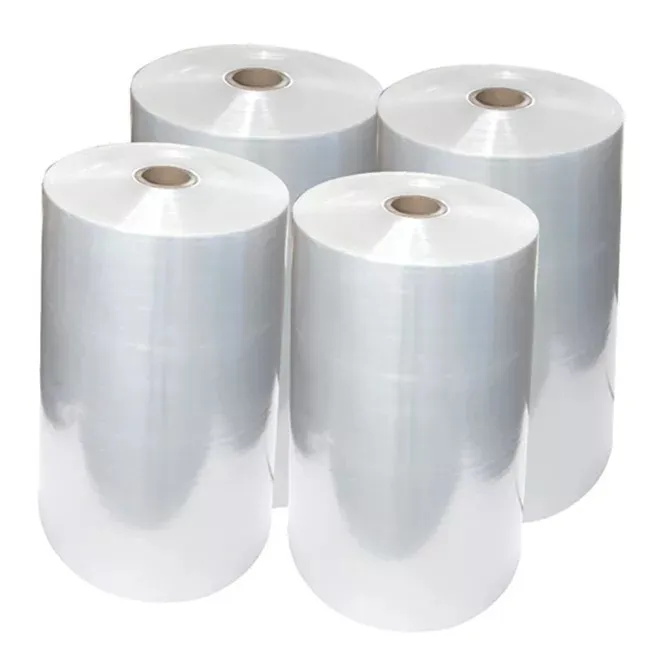
Product: 30%–75% PCR PE Film (Item No. 00102). Material: PE. Food grade, compliant with EU and FDA food-contact regulations. Size: custom. Origin: No. 6 Hefu Road, Hengjiang Industrial Zone, Gaoming District, Foshan, Guangdong Province, China. It sounds simple. It isn’t. Getting high PCR content to behave like prime PE is the whole game.
Why Brands Care (Trends)
- Regulatory pressure and EPR fees are nudging targets toward ≥30% pcr plastic in primary packaging.
- Retail RFPs now score suppliers on traceability and NIAS testing—no shortcuts.
- Real-world aim: keep machinability and optics acceptable while hitting recycled content claims auditors won’t laugh at.
Process Flow (How It’s Made and Verified)
- Feedstock: certified post-consumer PE streams; pelletized and screened (MFI harmonized).
- Compounding: twin-screw blending with virgin PE, multi-stage melt filtration (≈80–120 μm), antioxidant package.
- Extrusion: blown film, online thickness control, surface treatment (≈38–40 dynes) for print/lamination.
- Testing: tensile (ASTM D882), dart impact (ASTM D1709), CoF (ASTM D1894), NIAS/overall migration per EU 10/2011, FDA 21 CFR checks, FTIR identity, OIT for aging.
- Release: food-contact declaration, lot COA, traceability audit trail. Service life: around 12–18 months sealed, cool/dry storage.
Typical Applications
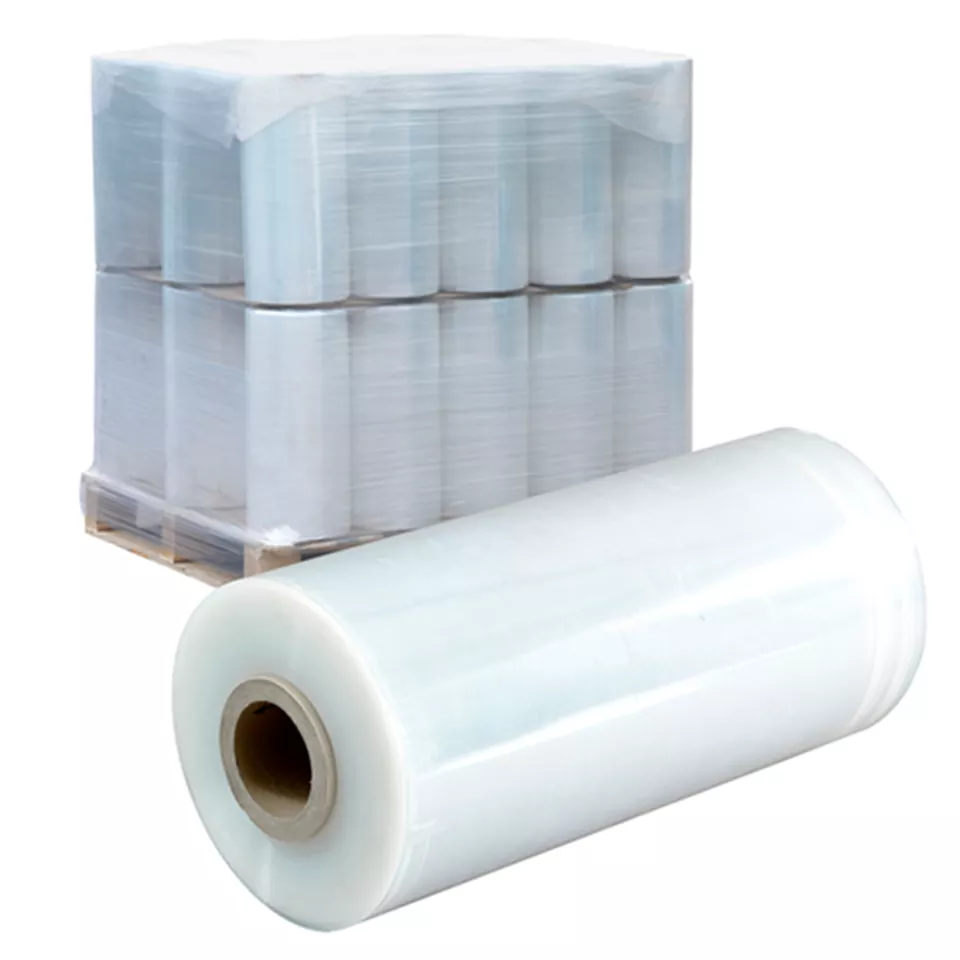
- Food-grade mono-PE pouches, back panels in laminates, LLDPE seal layers.
- Personal/home care refills, e-commerce mailers, liners, collation shrink (with caveats on optics).
- Brands moving to recyclable mono-material structures while keeping ≥30% pcr plastic.
Product Specifications (Representative)
| Parameter | Spec/Result | Notes |
|---|---|---|
| PCR content | 30%–75% (by weight) | Batch certified; audits available |
| Thickness | 20–120 μm | Custom sizes accepted |
| Tensile MD/CD | ≈30/25 MPa | ASTM D882; real-world may vary |
| Dart impact | ≈80–160 g | ASTM D1709 Method A |
| OTR / WVTR | High OTR; WVTR ≈2–7 g/m²·day | PE is not a barrier; laminate if needed |
| Food-contact | EU 10/2011, FDA 21 CFR compliant | Migration/NIAS tested per lot |
Advantages (From the Line)
- Stable sealing window; many customers say it’s similar to prime PE after dialing temps.
- Good print adhesion post-corona; white masterbatch helps hide the “recycled tint.”
- Credible sustainability claim: recycled content + mono-PE recyclability.
Vendor Comparison (Quick Take)
| Vendor | PCR Range | Food-Grade | Certs | Lead Time | Customization |
|---|---|---|---|---|---|
| DSL Pack (Foshan) | 30%–75% | Yes | EU 10/2011, FDA, ISO-tested | ≈2–4 weeks | Sizes, colors, corona, slip |
| Supplier A | Up to 50% | Limited | Basic COA | 4–6 weeks | Standard only |
| Supplier B | 20%–60% | Yes | EU only | 3–5 weeks | Limited add-ons |
Customization and Testing
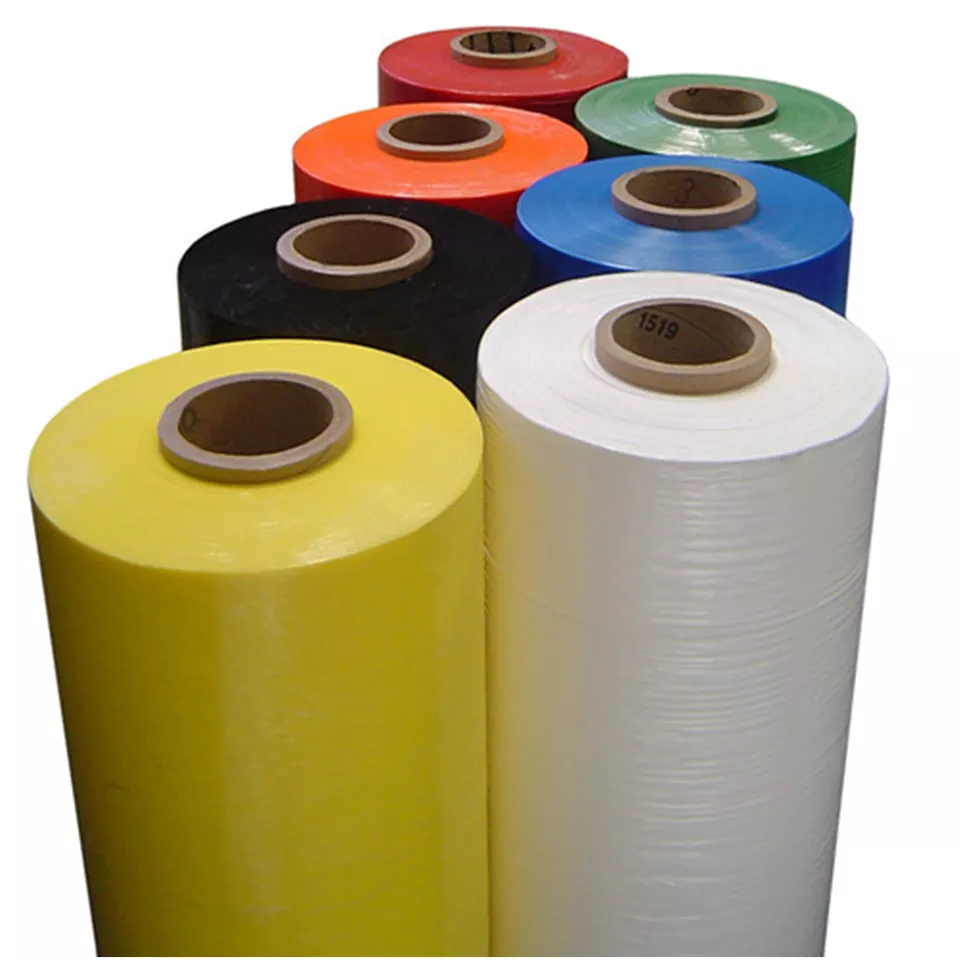
Dial in slip/antiblock for VFFS/HFFS, match dyne levels for solventless adhesive, choose 30% pcr plastic for high-clarity SKUs and 60–75% for opaque or white packs. Each lot can ship with migration data, GC-MS NIAS screening, and tensile/CoF reports (ISO 17025 labs on request).
Mini Case Study
A Southeast Asia snack brand moved from 0% to 50% pcr plastic in a PE/PE mono-laminate. After two factory trials: seal temp +8°C, dwell +0.03 s, white masterbatch at 3%. Returns didn’t spike; drop tests passed (dart ≈120 g at 60 μm). Marketing loved the claim, QA signed off after NIAS clearance. To be honest, the matte look turned out nicer than expected.
What to Watch
- Optics: higher PCR often means haze. Counter with white or matte branding.
- Barrier: plan EVOH or ALD if oxygen/moisture matter.
- Storage: keep cool and dry; use within ≈12 months for best seals.
References
- EU Commission Regulation No 10/2011 on plastic materials intended to come into contact with food.
- FDA 21 CFR 177.1520 – Olefin polymers (PE) for food contact.
- ASTM D882 – Standard Test Method for Tensile Properties of Thin Plastic Sheeting.
- ASTM D1709 – Standard Test Methods for Impact Resistance of Plastic Film by the Free-Falling Dart Method.
- ISO 15270:2018 – Plastics: Guidelines for the recovery and recycling of plastics waste.



- No. 6 Hefu Road, Hengjiang Industrial Zone, Gaoming District, Foshan, Guangdong Province,China
- Tel: 86-133 3649 8096
- Email:enid@bc-pak.com
-


