
PCR Plastic Films: Sustainable PE & Multilayer Packaging
The Rise of Sustainable Packaging: Understanding PCR Plastic
In an era defined by environmental consciousness and stringent regulatory frameworks, the demand for sustainable packaging solutions has never been more critical. Post-Consumer Recycled (PCR) plastic represents a pivotal advancement in this paradigm, offering a viable pathway to reduce virgin plastic consumption and mitigate environmental impact. As a cornerstone of the circular economy, PCR plastic is derived from plastic waste collected from households, commercial, and industrial facilities, which is then processed into high-quality resins suitable for new product manufacturing. This commitment to resource efficiency is transforming the packaging landscape, especially within the B2B sector where supply chain sustainability is a key performance indicator.
Industry trends indicate a significant push towards integrating PCR content across various film applications. Brand owners are increasingly setting ambitious targets for recycled content, driven by consumer preference, governmental incentives, and Extended Producer Responsibility (EPR) schemes. This surge in demand directly impacts the production of specialized films such as pa evoh pe multilayer film, pe shrink film, pe protective film, and mdo pe film, all of which are progressively incorporating PCR components without compromising critical performance attributes. The adoption of PCR not only enhances a company's environmental footprint but also provides a competitive edge in a market that values corporate social responsibility and sustainable innovation.
Detailed Manufacturing Process Flow of PCR PE Film
The production of high-quality pcr plastic polyethylene (PE) film is a sophisticated multi-stage process that ensures the recycled material meets stringent technical and quality specifications required for demanding B2B applications. This rigorous process guarantees the integrity and performance of the final film product, making it suitable for diverse industrial uses.
1. Post-Consumer Waste Collection & Sorting
Post-consumer plastic waste, primarily PE (LDPE, HDPE, LLDPE) from packaging, is collected from various streams. Advanced optical sorting technologies are employed to separate different polymer types and colors, ensuring a pure PE feedstock. This critical initial step minimizes contamination and maximizes the quality of the recycled material, adhering to principles of material circularity.
2. Washing, Shredding & Drying
The sorted plastic is washed extensively to remove residual food, labels, adhesives, and other contaminants. This is followed by shredding into flakes, increasing surface area for efficient cleaning and subsequent processing. The flakes are then rigorously dried to eliminate moisture, which is crucial for preventing degradation during extrusion. This stage is vital for meeting hygiene and purity standards.
3. Extrusion, Filtration & Pelletizing
The clean, dry flakes are fed into an extruder, where they are melted and homogenized. A crucial step involves advanced melt filtration (e.g., using fine mesh screens or self-cleaning filters) to remove any remaining impurities, gel particles, or non-meltable contaminants. This ensures the mechanical integrity and optical properties of the final film. The molten polymer is then extruded through a die, cooled, and cut into uniform pellets, forming the **pcr plastic** resin. This process aligns with ISO 14021 standards for recycled content claims.
4. Film Extrusion (Blown or Cast)
The **pcr plastic** pellets are then fed into a film extrusion line. Depending on the desired film properties and application, either a blown film extrusion process (for bags, shrink films, heavy-duty sacks) or a cast film extrusion process (for stretch films, protective films, lamination bases) is employed. This step involves precise control of temperature, pressure, and die design to achieve the specified film thickness, width, and mechanical properties. Additives, such as slip agents, anti-block, or UV stabilizers, may be incorporated at this stage to tailor the film's performance.
5. Quality Control & Testing
Throughout and after the film extrusion process, rigorous quality control measures are implemented. Films are tested for critical parameters such as thickness uniformity, tensile strength (ASTM D882), elongation at break, dart impact resistance (ASTM D1709), tear resistance (ASTM D1922), coefficient of friction, and optical properties like haze (ASTM D1003). These tests ensure that the PCR PE film meets the required technical specifications and performance criteria for its intended service life in target industries such as packaging, agriculture, and construction.
Technical Specifications: 30%-75% PCR PE Film
Our 30%-75% PCR PE Film is engineered to deliver robust performance while significantly contributing to sustainability goals. The careful selection and processing of post-consumer recycled polyethylene ensure that the film retains critical mechanical and functional properties, making it a reliable choice for a wide array of packaging and protective applications. This material solution is designed to integrate seamlessly into existing production lines, offering a drop-in sustainable alternative without extensive retooling.
The use of pcr plastic in these films demonstrates a strong commitment to reducing virgin material dependence and lowering carbon emissions associated with plastic production. Our films are developed to meet various industry standards, ensuring compliance and performance consistency for B2B partners. Below is a detailed specification table for our representative PCR PE film product:
Representative Product Specification: 30%-75% PCR PE Film
Versatile Application Scenarios for PCR PE Films
The adaptability of **pcr plastic** PE films allows for their integration into a broad spectrum of industrial and commercial applications, addressing the dual objectives of performance and sustainability. These films are engineered to meet the stringent requirements of diverse sectors, ensuring reliable protection and optimized packaging solutions.
- PE Shrink Film for Multi-Packs and Unitization: Our PCR PE shrink films are ideal for bundling products such as beverages, canned goods, and multi-packs. They offer excellent puncture resistance and high shrinkage rates, providing secure and stable packaging. The incorporation of **pcr plastic** does not diminish the film's ability to create a tight, protective wrap, crucial for logistics and retail presentation.
- PE Protective Film for Surface Protection: For industries dealing with sensitive surfaces like electronics, automotive components, and polished metals, our PCR PE protective films offer temporary shielding against scratches, abrasions, and dirt during manufacturing, transit, and storage. These films are designed with controlled adhesion and clean removal properties, leaving no residue.
- PA EVOH PE Multilayer Film for High-Barrier Packaging: Integrating **pcr plastic** into complex co-extruded structures like pa evoh pe multilayer film allows for sustainable high-barrier packaging solutions. These films are critical for extending the shelf life of food products, pharmaceuticals, and other oxygen-sensitive goods by preventing gas and moisture ingress. The PCR content contributes to sustainability without compromising the barrier integrity provided by EVOH.
- MDO PE Film for Enhanced Aesthetics and Recyclability: Machine Direction Orientation (MDO) PE films made with PCR content offer improved stiffness, clarity, and printability, making them suitable for high-quality pouches, laminates, and flexible packaging. The mono-material nature of MDO PE (even with PCR) enhances its recyclability compared to traditional mixed-material laminates, aligning with circular economy goals.
- Industrial Packaging and Liners: From heavy-duty sacks for granular materials to drum liners for chemical storage, PCR PE films provide robust and chemically resistant solutions. Their durability and inertness make them suitable for challenging industrial environments, demonstrating excellent corrosion resistance for sensitive contents and extending product service life.
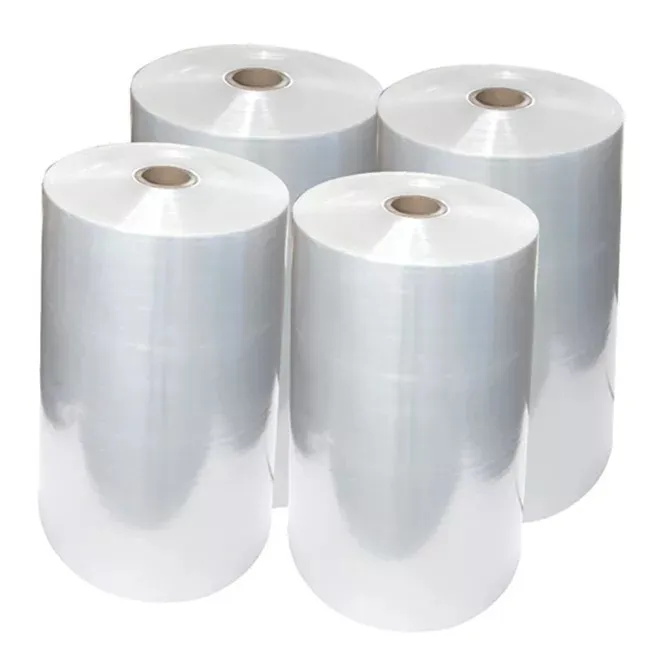
These application scenarios underscore the versatility and robust performance of PCR PE films, making them an indispensable component of modern, sustainable supply chains.
Technical Advantages and Environmental Benefits
The adoption of pcr plastic in film manufacturing offers a compelling blend of technical advantages and significant environmental benefits, aligning with both operational efficiencies and corporate sustainability mandates.
- Reduced Environmental Footprint: Utilizing PCR material directly reduces the demand for virgin plastic production, thereby conserving fossil resources. The energy required to produce PCR resin is typically lower than that for virgin resin, leading to substantial energy saving and a reduced carbon footprint (CO2 emissions) throughout the product lifecycle. This contributes to global efforts to combat climate change.
- Performance Parity: Through advanced processing and formulation, our PCR PE films are designed to deliver mechanical properties comparable to those of virgin PE films. This includes excellent tensile strength, tear resistance, and dart impact strength, ensuring consistent performance in high-speed packaging lines and demanding application environments.
- Regulatory Compliance & Brand Enhancement: The use of certified PCR content helps businesses meet evolving regulatory requirements and demonstrates a strong commitment to sustainability. This enhances brand reputation, appeals to environmentally conscious consumers and B2B partners, and provides a competitive differentiator in crowded markets. Our products often meet global standards like GRS (Global Recycled Standard) and SCS Recycled Content, providing authoritative validation.
- Cost-Effectiveness & Resource Efficiency: While virgin plastic prices can fluctuate significantly, the use of PCR content can offer more stable cost structures. Furthermore, by participating in a circular economy, companies contribute to resource efficiency and reduce reliance on volatile raw material markets.
- Versatility and Customization: The ability to blend PCR resin with virgin resin and specific additives allows for tailoring film properties to precise application needs. This includes adjusting clarity, stiffness, slip, and barrier properties, ensuring optimal functionality for products ranging from flexible packaging to protective films.
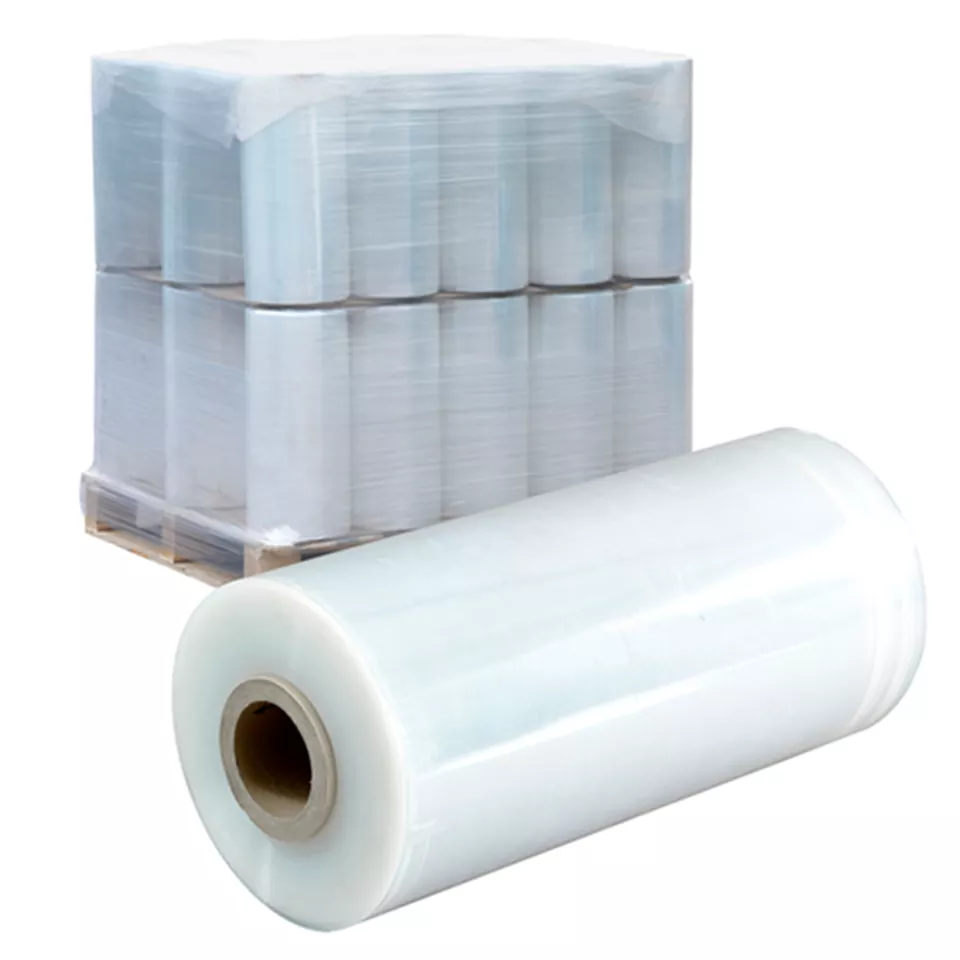
These advantages collectively underscore the strategic value of incorporating PCR PE films into sustainable business practices, demonstrating leadership in environmental stewardship while maintaining high performance standards.
Vendor Comparison: PCR PE Film Suppliers
Selecting the right supplier for **pcr plastic** PE films is crucial for ensuring consistent quality, reliable supply, and compliance with sustainability commitments. This comparison highlights key factors that differentiate leading vendors in the market.
Customized Solutions for Optimal Integration
Understanding that each B2B client has unique requirements, we specialize in providing highly customized **pcr plastic** film solutions. Our approach involves close collaboration with clients' engineering and sustainability teams to develop films that precisely match their technical specifications and sustainability targets.
- Tailored PCR Content: We offer flexibility in PCR content ranging from 30% to 75% or even higher for specific applications, enabling clients to meet their internal sustainability goals or external regulatory mandates.
- Specific Polymer Blends and Additives: Beyond standard PE, we can customize polymer blends (e.g., LDPE, LLDPE, HDPE) and incorporate specialized additives such as UV stabilizers for outdoor applications, anti-block agents for improved handling, slip agents for faster processing, or anti-static agents for sensitive electronics.
- Film Thickness and Width Precision: Our manufacturing capabilities allow for precise control over film thickness (from 20 µm to 200 µm) and width, optimized for specific machinery and product sizes, minimizing waste and maximizing efficiency.
- Multi-layer Co-extrusion Expertise: For complex packaging needs, we can design multi-layer structures, combining PCR PE with other functional layers like PA or EVOH to achieve enhanced barrier properties, improved strength, or specialized sealing characteristics. This expertise is critical for applications like pa evoh pe multilayer film.
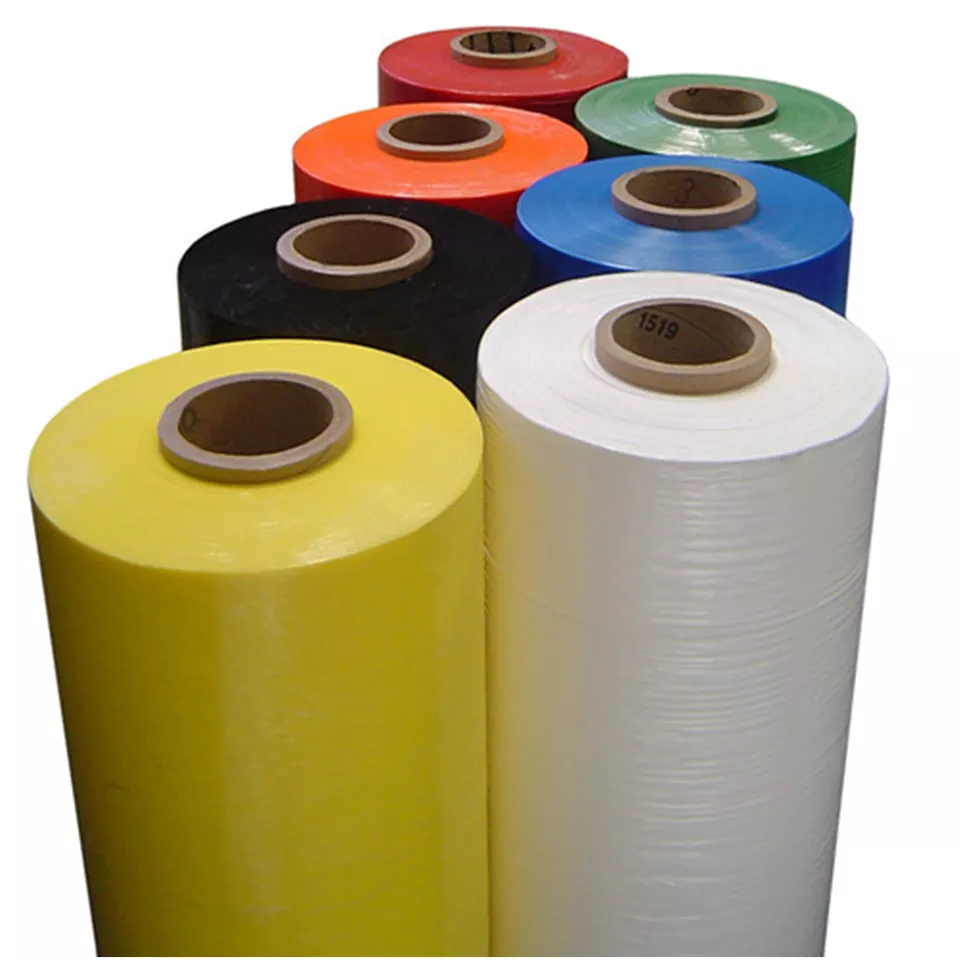
- Color and Opacity Matching: While PCR can sometimes influence color, our advanced processing and masterbatch capabilities allow for custom color matching and opacity levels, ensuring brand consistency and product presentation.
Our dedicated R&D team works proactively to engineer films that not only integrate recycled content but also maintain or even enhance performance, ensuring a seamless transition to more sustainable packaging without compromise.
Application Case Studies: Real-World Success with PCR Films
The successful implementation of **pcr plastic** films in various industries demonstrates their practical viability and significant contribution to sustainability goals. These case studies highlight tangible benefits experienced by our partners.
Case Study 1: Beverage Industry – High-Volume Shrink Packaging
A major international beverage company sought to achieve a 50% recycled content target for its secondary packaging. We developed a custom pe shrink film with 40% **pcr plastic** content. The film was engineered to maintain high clarity for brand visibility and robust strength to secure multi-packs of beverages throughout their supply chain. Rigorous testing confirmed that the PCR film performed identically to the virgin counterpart on high-speed automated packaging lines, maintaining excellent shrinkage properties and printability. The client successfully reduced their virgin plastic consumption by thousands of tons annually and received positive recognition for their environmental efforts.
Case Study 2: Automotive Sector – Surface Protection for Components
An automotive parts manufacturer required a **pe protective film** for painted and polished vehicle components during assembly and transit. The challenge was to integrate recycled content without compromising adhesion, clean peel, and scratch resistance. Our solution involved a bespoke PCR PE protective film with 30% recycled content, developed to offer optimal surface protection. The film demonstrated superior adhesion on various substrates and peeled cleanly without leaving any residue, preventing corrosion and damage. This partnership enabled the manufacturer to enhance its sustainable sourcing practices for its production line.
Case Study 3: Food Packaging – Barrier Film for Processed Meats
A leading food processor aimed to introduce a more sustainable packaging option for processed meats, requiring high oxygen and moisture barrier properties. We collaborated to develop an innovative pa evoh pe multilayer film that incorporated 35% PCR PE in its non-barrier layers. Through precise co-extrusion and material science, the film maintained its crucial EVOH barrier integrity while significantly reducing the virgin plastic footprint. This solution extended the shelf life of the products, met stringent food safety regulations, and resonated positively with consumers seeking greener packaging options. Customer feedback highlighted the consistent quality and performance, confirming its reliability even with high PCR content.
Frequently Asked Questions (FAQ)
Q1: What is the maximum PCR content achievable without compromising film performance?
A: The achievable PCR content depends on the specific application and performance requirements. For many non-food applications, films with up to 75% **pcr plastic** content perform comparably to virgin films. For more demanding applications like high-clarity films or those requiring extreme mechanical properties, a lower percentage (e.g., 30-50%) is often optimized. Our R&D team can conduct trials to determine the optimal balance for your specific needs.
Q2: Is PCR PE film suitable for food contact applications?
A: Yes, with appropriate processing and certification, PCR PE can be suitable for food contact applications. This typically requires a "super-clean" recycling process to remove all potential contaminants, often employing specific technologies approved by regulatory bodies like the FDA or EFSA. Our food-grade PCR films are produced under strict quality controls and hold relevant certifications to ensure safety and compliance.
Q3: How do you ensure the quality and consistency of your PCR films?
A: We implement a multi-faceted quality assurance program. This includes rigorous sourcing of certified PCR resin (e.g., GRS certified), advanced melt filtration during extrusion, inline process control, and comprehensive post-production testing. Each batch undergoes evaluation for mechanical properties, thickness uniformity, and specific functional attributes to guarantee consistency and adherence to specifications.
Q4: What certifications do your PCR products hold?
A: Our PCR PE films are typically certified under the Global Recycled Standard (GRS) and/or SCS Recycled Content. We also adhere to ISO 9001 (Quality Management) and ISO 14001 (Environmental Management) standards, ensuring that our production processes meet international benchmarks for quality and environmental responsibility. Specific product certifications are available upon request.
Lead Time, Warranty, and Customer Support
We understand the critical importance of reliable logistics and comprehensive support in B2B partnerships. Our commitment extends beyond delivering high-quality **pcr plastic** films to ensuring a seamless experience for our clients.
- Lead Time and Fulfillment: Standard lead times for our 30%-75% PCR PE film typically range from 2 to 4 weeks, depending on order volume and specific customization requirements. For urgent projects or large-scale rollouts, we work closely with clients to optimize production and logistics schedules, ensuring timely delivery and minimizing supply chain disruptions.
- Warranty Commitments: All our PCR PE films come with a standard product warranty covering manufacturing defects and adherence to agreed-upon technical specifications. We stand by the quality and performance of our films and are committed to resolving any issues promptly and effectively. Detailed warranty terms are provided with each quotation and order confirmation.
- Customer Support and After-Sales Service: Our dedicated customer support team and technical experts are available to assist with product selection, application guidance, and troubleshooting. We provide comprehensive after-sales support, including technical consultations, performance analysis, and continuous improvement initiatives, ensuring long-term satisfaction and optimal film performance. Clients benefit from direct access to our R&D team for complex technical inquiries.
References
- European Plastics Converters (EuPC). "The European Plastics Industry – A Review of Current Trends." Latest Annual Report, 2023.
- ASTM International. "Standard Test Method for Tensile Properties of Thin Plastic Sheeting (ASTM D882)." 2022.
- Global Recycled Standard (GRS). "GRS Version 4.0 – Certification Requirements." Textile Exchange, 2017.
- ISO. "Environmental labels and declarations – Self-declared environmental claims (Type II environmental labelling) (ISO 14021:2016)." International Organization for Standardization, 2016.
- Plastics Recyclers Europe (PRE). "Report on Plastic Recycling in Europe." Annual Statistics, 2023.




- No. 6 Hefu Road, Hengjiang Industrial Zone, Gaoming District, Foshan, Guangdong Province,China
- Tel: 86-133 3649 8096
- Email:enid@bc-pak.com
-


