
Premium Gusset Bag Packaging Solutions | Versatile & Durable
Strategic Advantages of Advanced gusset bag packaging for B2B Industries
In the highly competitive B2B landscape, the choice of packaging is a critical strategic decision impacting product integrity, supply chain efficiency, and brand perception. Advanced packaging solutions, particularly those involving gussets, have revolutionized how industries approach product containment and presentation. Gusset bag packaging refers to a versatile category of flexible bags that incorporate folded sides or bottoms, expanding when filled to create a more voluminous and stable container111. This design feature significantly enhances capacity and provides a flat base for improved shelf stability, making them indispensable across a multitude of sectors, from specialized food products to industrial components.
Our focus is on the intricate technical specifications, manufacturing processes, and application benefits that underscore the value of modern gusseted packaging. This deep dive aims to equip B2B decision-makers with the knowledge necessary to optimize their packaging strategies, ensuring both operational excellence and market differentiation.
Industry Trends and Innovations in Flexible Packaging
The global flexible packaging market is experiencing robust growth, driven by consumer demand for convenience, sustainability, and product safety. Projections indicate the market will reach USD 360.2 billion by 2029, growing at a CAGR of 4.5% from 2022. Key trends influencing the development and adoption of gusset bag packaging include:
- Sustainable Materials: A significant shift towards recyclable, compostable, and bio-based materials is underway. Innovations in monomaterial laminates (e.g., all-PE or all-PP structures) are enabling easier recycling while maintaining critical barrier properties. This addresses increasing regulatory pressures and corporate sustainability goals.
- Enhanced Barrier Properties: As products become more sensitive to oxygen, moisture, and light, advanced barrier films incorporating EVOH, SiOx, AlOx, or metallized layers are becoming standard. This extends shelf life and maintains product quality, particularly for sensitive food, pharmaceutical, and chemical products.
- Digital Printing and Customization: The rise of digital printing technology allows for shorter print runs, rapid prototyping, and highly customized designs for gusset bag packaging, catering to niche markets and promotional campaigns with unprecedented agility.
- Smart Packaging Integration: Incorporating QR codes, NFC tags, and RFID for traceability, anti-counterfeiting, and consumer engagement is gaining traction, providing valuable data throughout the supply chain.
- Automation and Efficiency: Packaging lines are becoming increasingly automated, demanding bags designed for high-speed filling, sealing, and handling. Gusseted pouches, especially square bottom gusseted bags, are optimized for robotic handling and palletization.
These trends underscore the evolving complexity and strategic importance of selecting appropriate packaging solutions that are not only functional but also align with broader industry and environmental objectives.
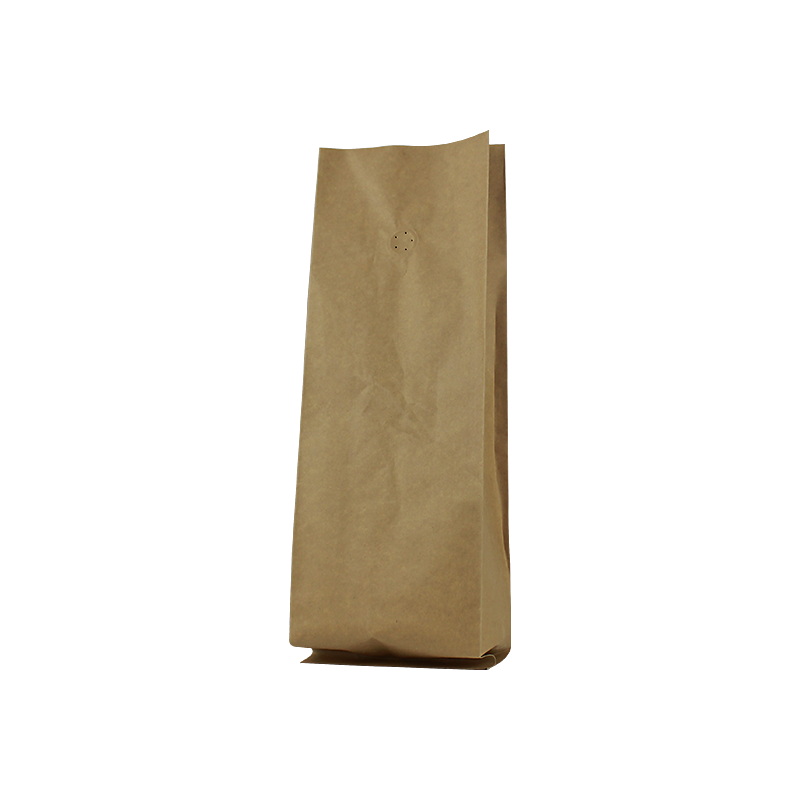
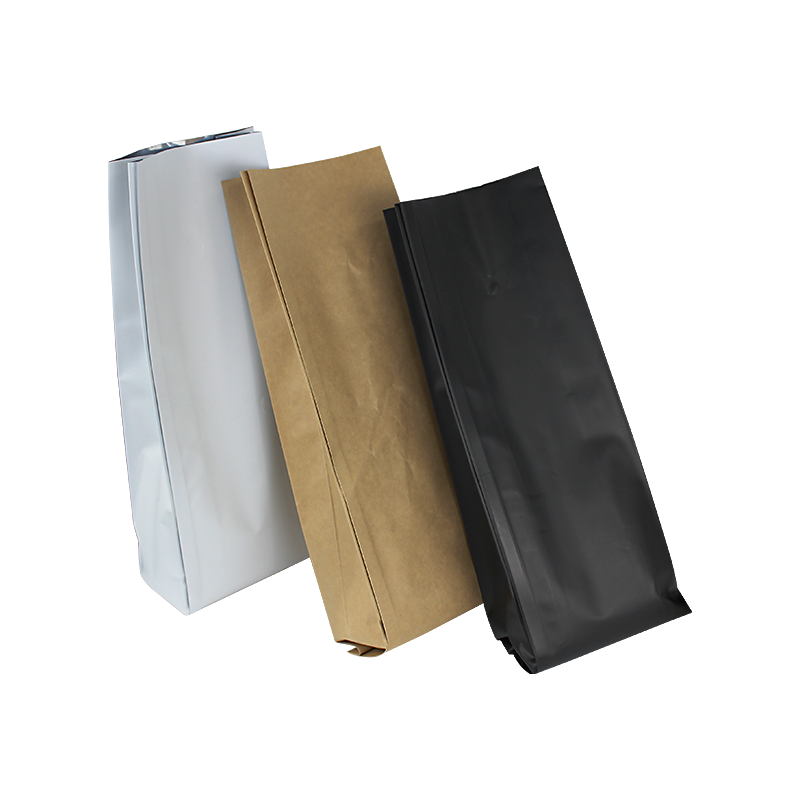
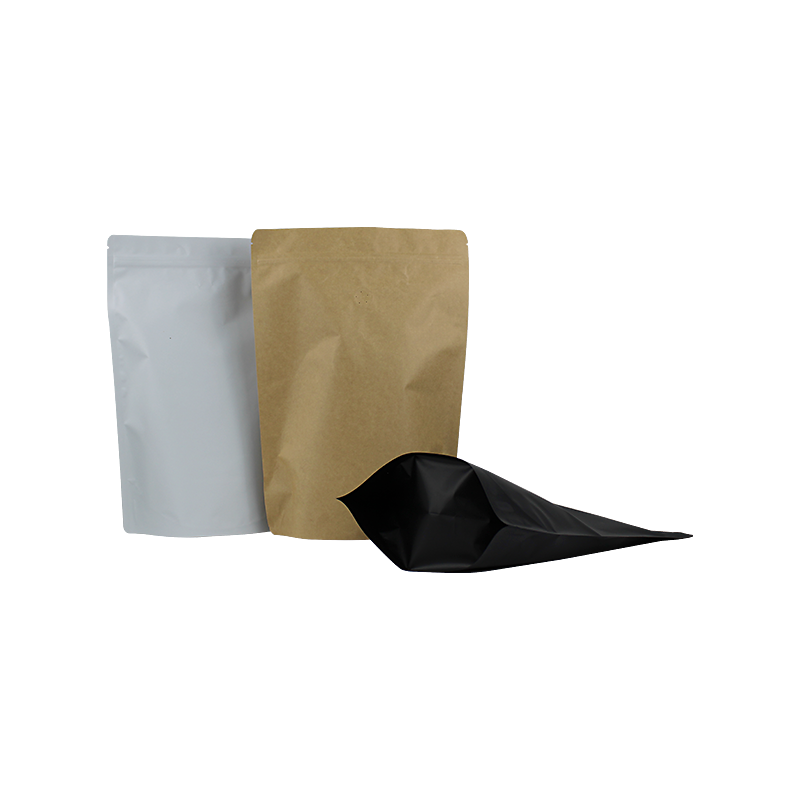
Modern flexible packaging designs for enhanced product presentation.
Manufacturing Process Flow of Gusset Bag Packaging
The production of high-quality gusset bag packaging involves a series of precision-engineered steps, ensuring material integrity, structural robustness, and compliance with stringent industry standards. The typical process flow begins with raw material selection and proceeds through several transformative stages:
Product Materials:
- Film Laminates: Multi-layer structures combining various polymers (e.g., PET, BOPP, Nylon, LLDPE, HDPE, PE) for tailored barrier properties, strength, and printability. Common configurations include PET/AL/LLDPE for high barrier, or BOPP/LLDPE for general purpose.
- Gusseted Paper Bags: Often involve Kraft paper or bleached paper, sometimes laminated with a thin polymer layer for moisture resistance or a metallized film for barrier.
- Specialized Coatings: Oxygen scavengers, anti-fog, or UV protection coatings can be applied to internal or external layers.
Manufacturing Process Steps:
Testing Standards and Compliance:
Our manufacturing adheres to international standards:
- ISO 9001:2015: Quality Management System certification, ensuring consistent product quality.
- ISO 14001:2015: Environmental Management System, emphasizing sustainable practices.
- FDA/EU Food Contact Compliance: All materials used for food packaging meet strict safety regulations, ensuring no migration of harmful substances.
- ASTM Standards: For specific material properties, such as tensile strength (ASTM D882), puncture resistance (ASTM D3420), and oxygen transmission rate (ASTM D3985).
Service Life and Target Industries:
The service life of gusset bag packaging is highly dependent on material composition and application, typically ranging from 6 months to 2 years, often exceeding the shelf life of the product it contains. These bags are extensively used in:
- Food & Beverage: Coffee, tea, snacks, pet food, spices, cereals (e.g., square bottom gusseted bags for stability).
- Pharmaceuticals & Nutraceuticals: Powders, supplements, medical devices (requiring high barrier and sterile environments).
- Chemicals & Industrial: Granules, resins, agricultural products (often requiring robust, corrosion-resistant films).
- Cosmetics & Personal Care: Lotions, soaps, dry ingredients.
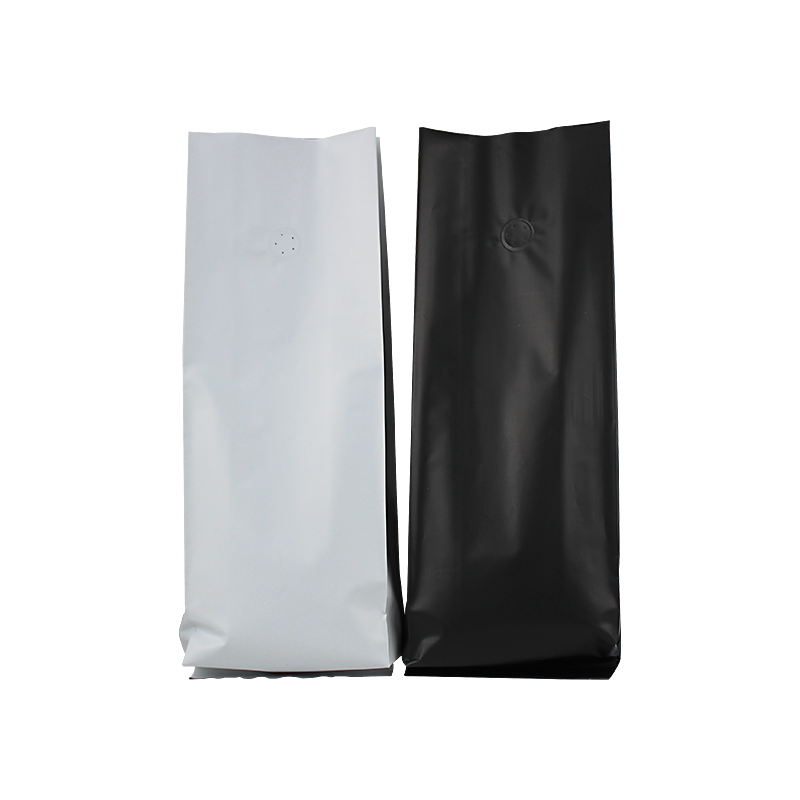
Precision machinery ensuring consistent gusset bag formation.
Technical Specifications and Performance Parameters
The performance of any gusset bag packaging is defined by its material composition and the precision of its manufacturing. Understanding these technical parameters is crucial for selecting the optimal solution for specific product requirements.
Typical Product Specification Table (Side Gusset Pouch Packaging Bag)
| Parameter | Specification Range | Unit |
|---|---|---|
| Material Structure | PET/AL/LLDPE, BOPP/MET-PET/LLDPE, Kraft/AL/LLDPE, Monomaterial PE | N/A |
| Total Thickness | 80 - 200 | microns (µm) |
| Oxygen Transmission Rate (OTR) | 0.5 - 10 (with high barrier), <100 (standard barrier) | cm³/(m²·24h·atm) |
| Water Vapor Transmission Rate (WVTR) | 0.5 - 10 (with high barrier), <50 (standard barrier) | g/(m²·24h) |
| Tensile Strength | >30 | MPa |
| Puncture Resistance | >5 | N |
| Heat Seal Strength | >2500 | gf/inch |
| Printability | Up to 10 colors (rotogravure/flexo), full-color digital | N/A |
| Available Features | Reclosable zippers (press-to-close, slider), tear notches, degassing valves, hang holes, spout fitments | N/A |
These specifications are crucial for ensuring compatibility with filling machinery, environmental conditions during transit and storage, and maintaining product efficacy until the point of consumption. For instance, a coffee brand opting for a gusset bag packaging solution would prioritize excellent OTR (Oxygen Transmission Rate) combined with a degassing valve to preserve freshness and aroma.
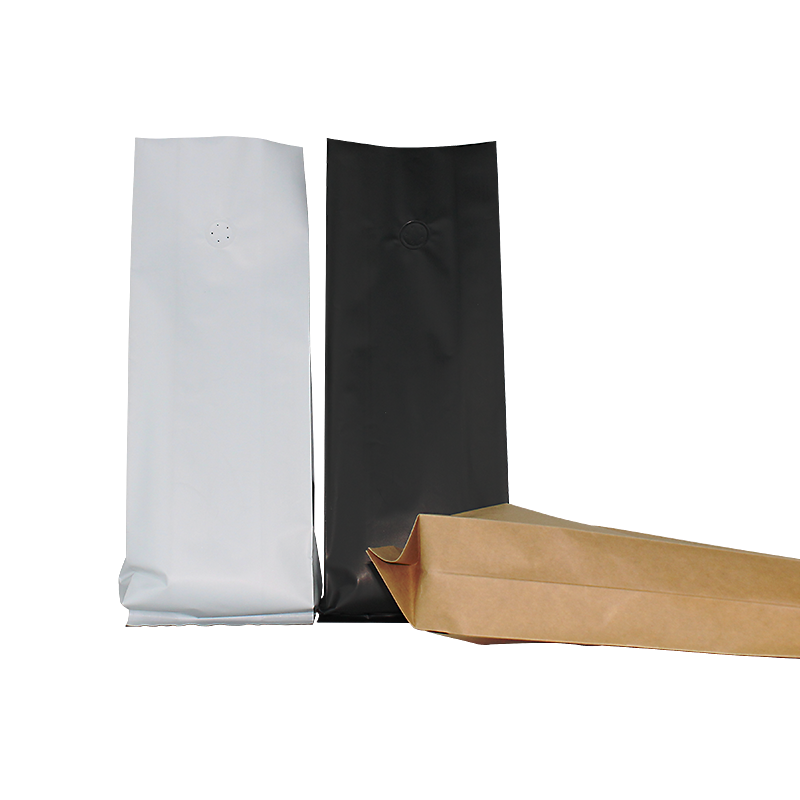
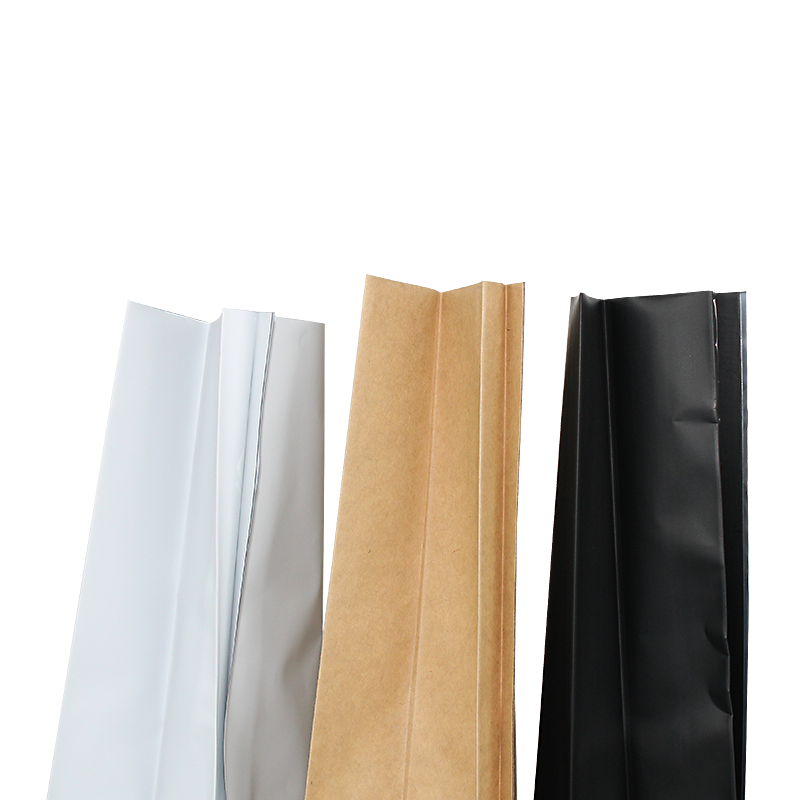
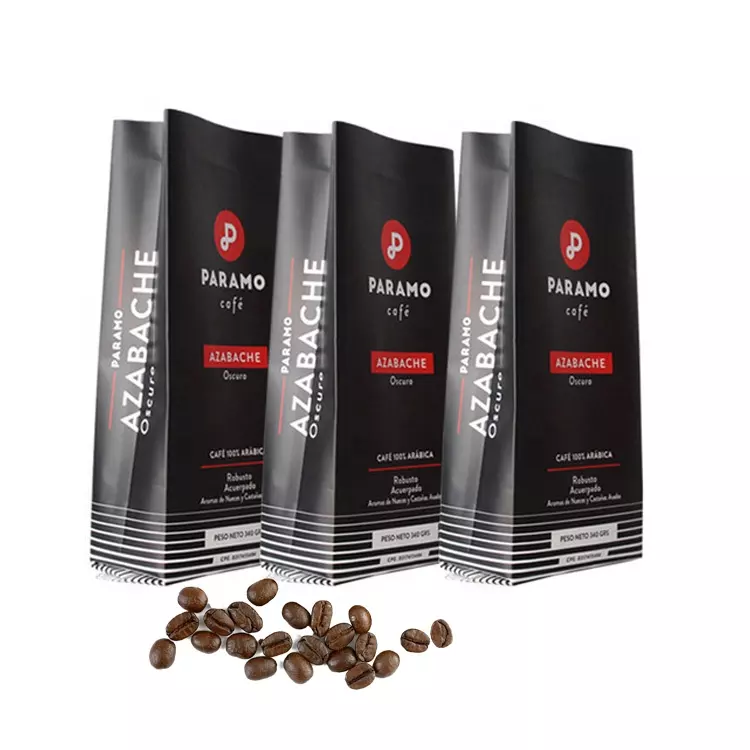
Side gusset pouch packaging with advanced barrier properties.
Versatile Application Scenarios
The adaptability of gusset bag packaging allows it to serve a diverse array of industries, each benefiting from its unique structural advantages. Whether it's the robust protection for industrial goods or the aesthetic appeal for consumer products, gusseted pouches are a preferred choice:
- Coffee & Tea: Often utilizing side gusset pouches or square bottom gusseted bags with degassing valves to maintain freshness and aroma by allowing CO2 to escape without letting oxygen in. The strong base enables upright display on shelves.
- Pet Food: Large volume requirements and the need for robust, puncture-resistant materials make gusseted bags ideal. Gusseted reclosable bags with zippers provide convenience for consumers and extend product freshness.
- Snack Foods & Confectionery: High-barrier metallized films or aluminum foil laminates protect against moisture and oxygen, preserving crispness and flavor. Side gussets allow for increased fill volume without increasing footprint proportionally.
- Powders & Granules (Chemicals, Nutraceuticals, Spices): The structural integrity of gusseted bags prevents leakage and ensures stability, while specialized liners protect contents from environmental factors. Heavy-duty gusseted paper bags are common for industrial powders.
- Frozen Foods: Materials engineered for low-temperature flexibility and strong seals are used to prevent freezer burn and maintain product quality.
- Industrial Components & Hardware: For bulk packaging of small parts, fasteners, or other non-food items where durability and volumetric efficiency are key.
These varied applications underscore the critical role of material science and precision engineering in delivering packaging that meets specific functional and market demands.
Key Technical Advantages of Gusseted Pouch Packaging
The adoption of gusseted pouch packaging offers several distinct technical and operational advantages over traditional packaging formats:
- Increased Volume & Capacity: The primary advantage of gussets (side or bottom) is their ability to expand, significantly increasing the internal volume of the bag without a proportional increase in base footprint. This means more product can be packaged in a relatively compact space.
- Enhanced Shelf Stability: Especially with square bottom gusseted bags, the flat bottom panel created by the gussets provides excellent stability, allowing the package to stand upright on retail shelves, maximizing product visibility and branding opportunities.
- Efficient Filling & Sealing: Gusseted bags are designed to work seamlessly with Vertical Form Fill Seal (VFFS) and Horizontal Form Fill Seal (HFFS) machinery, facilitating high-speed, automated production lines. The open structure of the gusseted bag simplifies product insertion.
- Superior Barrier Protection: Multi-layer laminates commonly used in gusseted pouches offer exceptional barrier properties against moisture, oxygen, UV light, and aroma transfer. This extends product shelf life, reduces spoilage, and maintains sensory attributes.
- Customization & Features: Easy integration of value-added features such as reclosable zippers (for gusseted reclosable bags), tear notches, pouring spouts, and degassing valves enhances user convenience and product functionality.
- Reduced Material Usage & Cost: Compared to rigid packaging, flexible gusset bag packaging typically uses less material, resulting in lower raw material costs, reduced shipping weights, and decreased environmental impact.
- Logistical Efficiency: Unfilled gusseted pouches are flat and occupy minimal space, leading to significant savings in storage and transport costs for empty packaging materials. Once filled, their stable structure allows for efficient palletization.
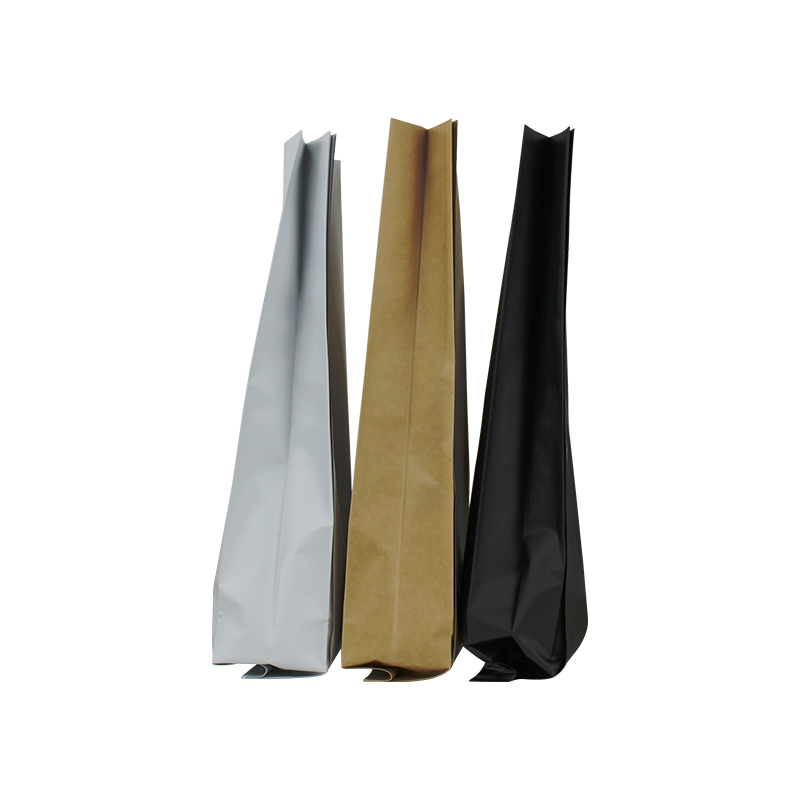
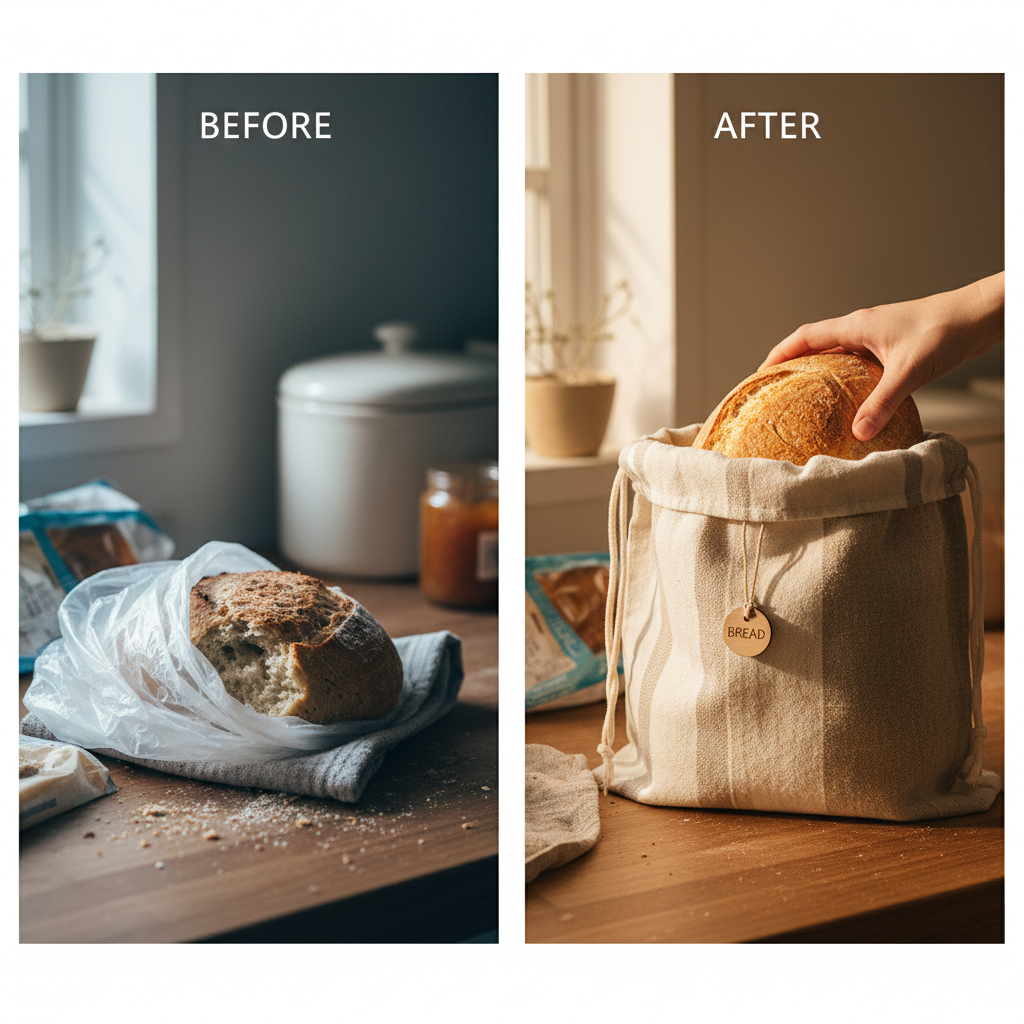
Highlighting the volumetric efficiency of gusseted designs.
Vendor Comparison: Selecting the Right Partner
Choosing a supplier for your gusset bag packaging needs requires a comprehensive evaluation beyond just price. A reliable partner ensures quality, innovation, and consistent support. Key comparison criteria include:
Key Vendor Evaluation Criteria
| Criterion | Description | Why it Matters for Gusset Bag Packaging |
|---|---|---|
| Material Expertise | In-depth knowledge of polymer science, laminates, and barrier technologies. | Crucial for optimizing shelf life, product protection, and sustainability goals. Ensures proper film selection for specific product needs (e.g., high barrier for coffee). |
| Manufacturing Capabilities | Advanced printing, lamination, and bag-making equipment, including specific machinery for gusset formation and feature integration (zippers, valves). | Guarantees consistent quality, dimensional accuracy, strong seals, and the ability to produce complex gusseted structures efficiently. |
| Quality Assurance & Certifications | ISO, FDA, BRCGS, FSSC 22000 certifications and robust in-house testing protocols. | Ensures food safety, regulatory compliance, and consistent performance, minimizing risks of product recall or damage. |
| Customization & Design Support | Ability to provide bespoke sizes, shapes, material combinations, and graphic design assistance. | Allows brands to differentiate their products, accommodate unique product dimensions, and integrate specific functional features. |
| Lead Times & Logistics | Reliable production schedules, inventory management, and global shipping capabilities. | Critical for maintaining consistent supply chains and responding to market demand fluctuations, reducing operational downtime. |
A strategic partner will not only supply packaging but also act as a consultant, guiding you through material selection, design optimization, and regulatory compliance to achieve your specific business objectives.
Tailored Customized Solutions
Customization is at the heart of effective gusset bag packaging strategies, allowing brands to perfectly align packaging with product requirements and market positioning. Our approach to customized solutions encompasses:
- Material Combinations: Engineering specific laminates (e.g., PET/VMPET/PE for excellent oxygen/moisture barrier and metallic look, or BOPP/PE for cost-effectiveness) to meet precise barrier, strength, and sustainability targets.
- Dimensions and Formats: Producing bespoke bag sizes, side gusset, bottom gusset, or square bottom gusseted bags to optimize fill volume, fit existing machinery, and enhance shelf presence.
- Graphic Design & Printing: Full-color, high-resolution printing with matte or glossy finishes, spot UV, or tactile varnishes to create striking visual appeal and reinforce brand identity.
- Functional Features: Integration of an extensive range of features including various zipper types (press-to-close, slider), tear notches, laser scoring, hang holes, ergonomic handles, and specialized valves (e.g., one-way degassing valves for coffee).
- Sustainability Enhancements: Development of recyclable monomaterial pouches, compostable films, or options incorporating post-consumer recycled (PCR) content to meet environmental mandates and consumer preferences.
Our technical team collaborates closely with clients from concept to production, utilizing advanced CAD tools and prototyping to ensure that every customized solution is optimized for performance, cost-efficiency, and market impact.
Application Case Studies
Case Study 1: Premium Artisan Coffee Roaster
Challenge: An artisan coffee roaster needed to extend the shelf life of their freshly roasted beans while providing a premium, user-friendly package that reflected their brand's commitment to quality.
Solution: We developed a custom gusseted pouch packaging solution using a high-barrier material laminate (BOPP/AL/LLDPE) combined with a one-way degassing valve. The side gussets allowed for a larger fill volume, while the square bottom provided excellent stand-up ability on retail shelves. An easy-open tear notch and a reliable press-to-close zipper were integrated for consumer convenience. The design incorporated matte finish printing with spot UV accents for a sophisticated look.
Result: The new packaging successfully extended the coffee's freshness by an additional 30%, as verified by in-house oxygen ingress tests (OTR < 0.8 cm³/(m²·24h·atm)). Sales increased by 15% within six months, attributed to improved shelf appeal and enhanced product integrity, garnering positive customer feedback regarding ease of use and perceived quality.
Case Study 2: Industrial Chemical Granules
Challenge: A chemical manufacturer required robust, moisture-resistant packaging for 5kg batches of specialty granules, suitable for harsh industrial environments and bulk palletization.
Solution: We engineered large gusseted paper bags (Kraft paper laminated with a heavy-gauge PE layer and an EVOH barrier) designed for durability and moisture protection. The side gussets were reinforced to handle the weight and abrasive nature of the granules, ensuring structural stability during filling and transport. The bags were designed for compatibility with automated volumetric filling systems.
Result: The new packaging significantly reduced instances of bag breakage by 25% and provided superior moisture protection, evidenced by a 50% reduction in product degradation during extended storage periods. The enhanced structural integrity also streamlined palletization, improving logistical efficiency by 10% and leading to substantial cost savings in damage claims and repacking.
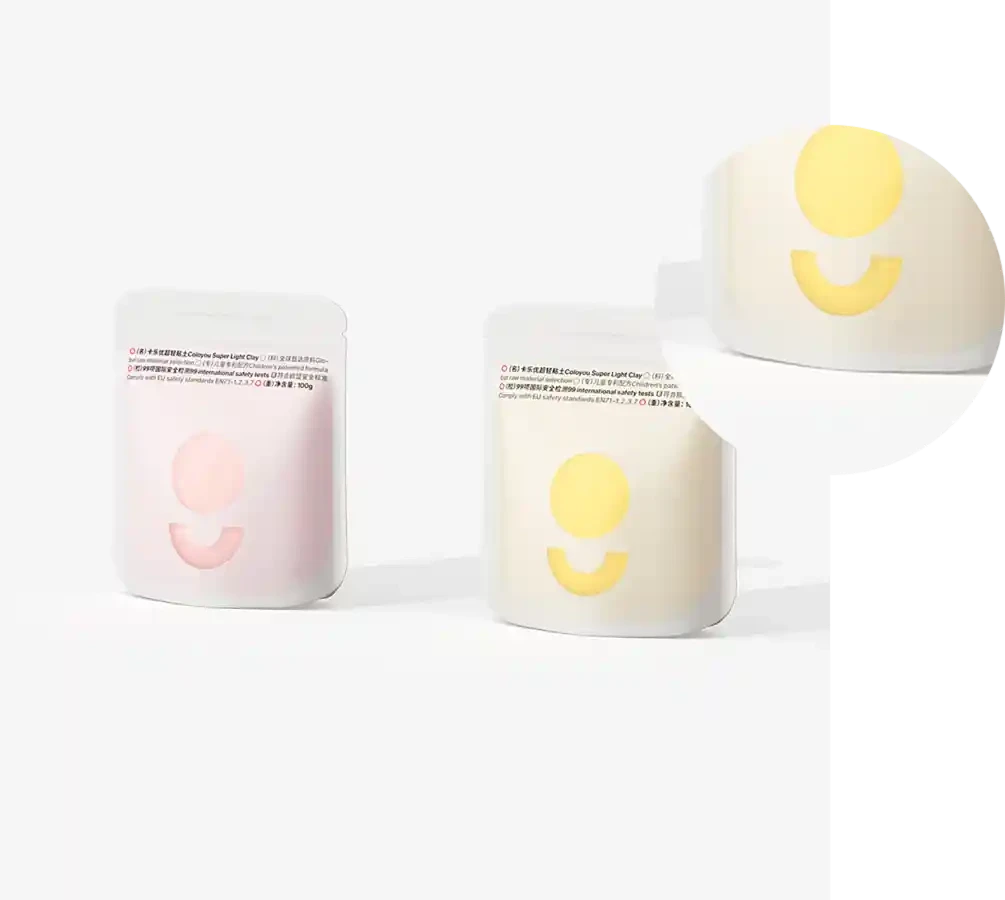
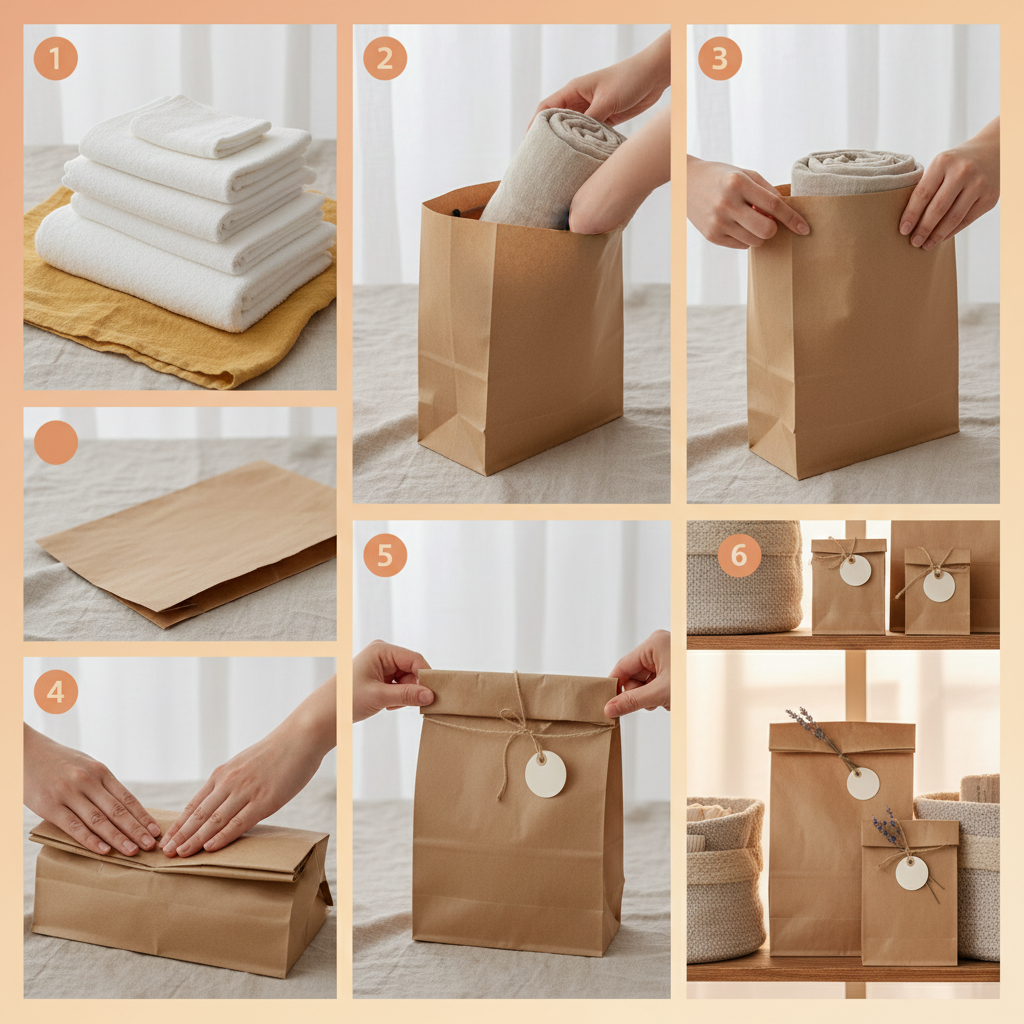
Showcasing application diversity of gusseted pouches.
Frequently Asked Questions (FAQ)
Q1: What are the primary differences between side gusset and square bottom gusseted bags?
A: Side gusset bags feature folds on the sides, expanding the bag's capacity and giving it a brick-like shape when filled. They are excellent for efficient storage and transport. Square bottom gusseted bags, also known as block bottom bags, have a flat bottom created by folds, allowing them to stand upright unsupported, offering superior shelf stability and presentation, often used for premium products like coffee or pet food.
Q2: Can gusset bag packaging be made from sustainable materials?
A: Absolutely. We offer a range of sustainable options including recyclable monomaterial structures (e.g., all-PE laminates), compostable films (e.g., PLA-based), and materials incorporating post-consumer recycled (PCR) content. Our team can guide you in selecting the best sustainable solution that meets your product's requirements and your environmental goals.
Q3: What lead times can I expect for custom gusseted pouch packaging orders?
A: Standard lead times for custom-printed gusset bag packaging typically range from 4 to 6 weeks after final artwork approval and deposit, depending on the complexity of the design, material availability, and order volume. For urgent requirements, expedited production options may be available upon request. We recommend early engagement for project planning.
Q4: What are your warranty commitments for your packaging products?
A: We offer a comprehensive warranty covering manufacturing defects and material integrity for a period of 12 months from the date of shipment, provided the packaging is stored and handled according to our recommendations. Our commitment to ISO 9001 quality standards ensures reliability, and we provide detailed specifications for each order. Customer satisfaction is paramount, and any issues are addressed promptly by our dedicated support team.
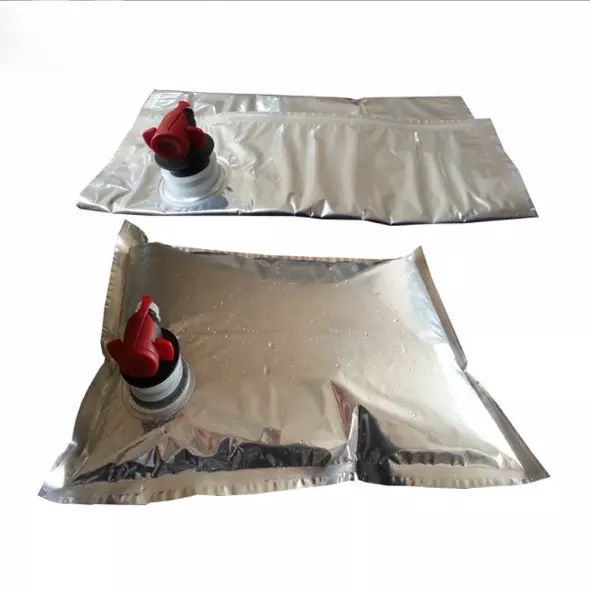
Customer support excellence for packaging solutions.
Lead Time, Fulfillment & Customer Support
We understand the critical importance of timely delivery and robust support in B2B operations. Our commitment extends beyond product quality to ensure a seamless experience:
- Lead Time & Fulfillment:
- Prototyping/Sampling: 1-2 weeks for unprinted samples, 2-3 weeks for digitally printed prototypes.
- Mass Production: 4-6 weeks for custom printed orders after artwork approval.
- Minimum Order Quantity (MOQ): Typically starts from 10,000-25,000 units depending on bag size and complexity to ensure cost-efficiency in high-speed production.
- Logistics: Global shipping capabilities via sea, air, or land freight, with options for DDP (Delivered Duty Paid) to simplify international procurement.
- After-Sales Support & Warranty:
- Quality Guarantee: All products are manufactured under strict ISO 9001:2015 certified processes, backed by comprehensive QC reports.
- Dedicated Support: A dedicated account manager and technical support team are available to address any inquiries, provide technical assistance, or resolve issues promptly.
- Performance Monitoring: We offer post-implementation reviews and continuous improvement consultations to ensure ongoing satisfaction and adapt to evolving needs.
Conclusion
The strategic deployment of advanced gusset bag packaging solutions offers B2B enterprises a compelling advantage in terms of product protection, brand presentation, and operational efficiency. By leveraging innovative materials, precision manufacturing, and customizable features, businesses can meet stringent industry demands while aligning with evolving consumer preferences for sustainability and convenience. Partnering with an expert provider ensures access to cutting-edge technology and comprehensive support, transforming packaging from a mere container111 into a powerful tool for market success.
Citations:
- MarketsandMarkets. "Flexible Packaging Market - Global Forecast to 2029." Accessed via industry market research report, 2023.
- ISO. "ISO 9001:2015 Quality management systems – Requirements." International Organization for Standardization, 2015.
- ASTM International. "Standard Test Methods for Tensile Properties of Thin Plastic Sheeting (ASTM D882)." American Society for Testing and Materials, 2018.
- FDA. "Food Packaging and Food Contact Substances." U.S. Food and Drug Administration, 2023.
- European Commission. "Regulation (EC) No 1935/2004 on materials and articles intended to come into contact with food." Official Journal of the European Union, 2004.



- No. 6 Hefu Road, Hengjiang Industrial Zone, Gaoming District, Foshan, Guangdong Province,China
- Tel: 86-133 3649 8096
- Email:enid@bc-pak.com
-


