
Recyclable Bags for Packaging | Industrial-Grade Sustainable Solutions
Recyclable Bags for Packaging: Practical Insights from the Industrial Floor
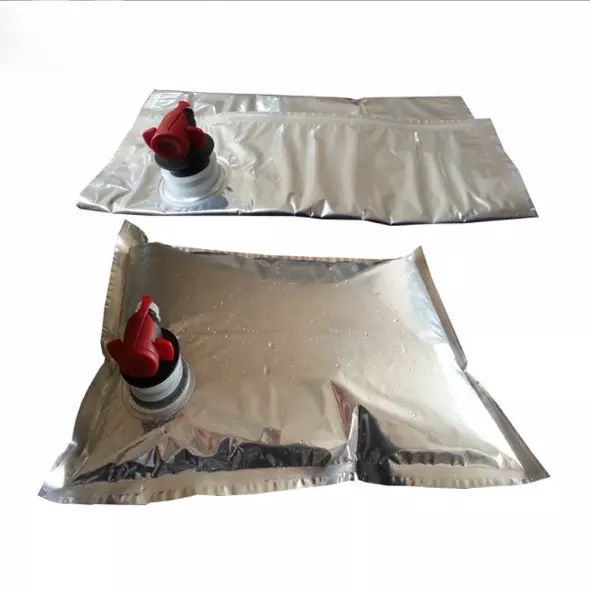
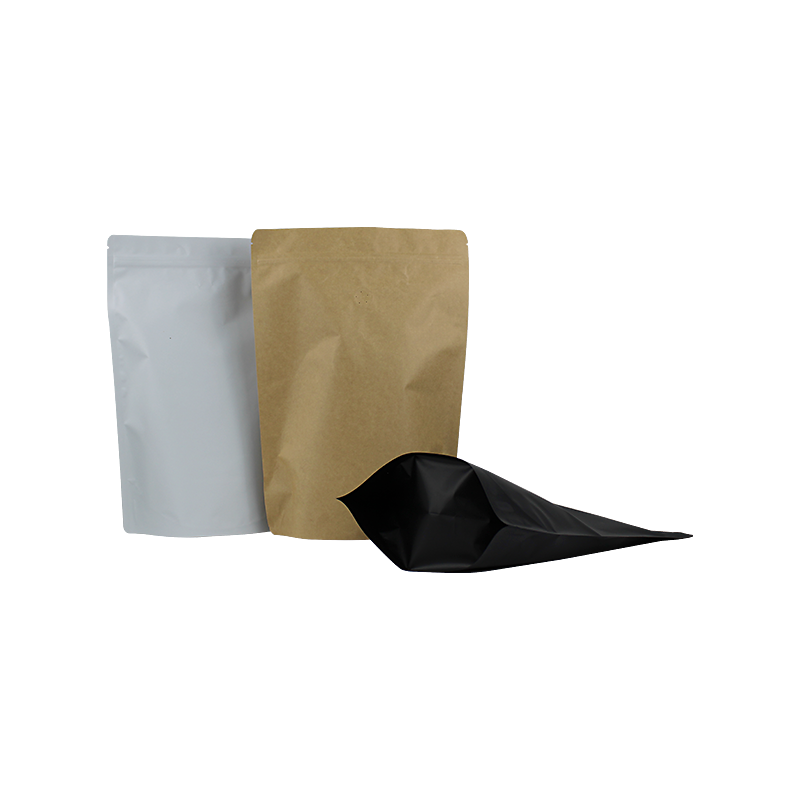
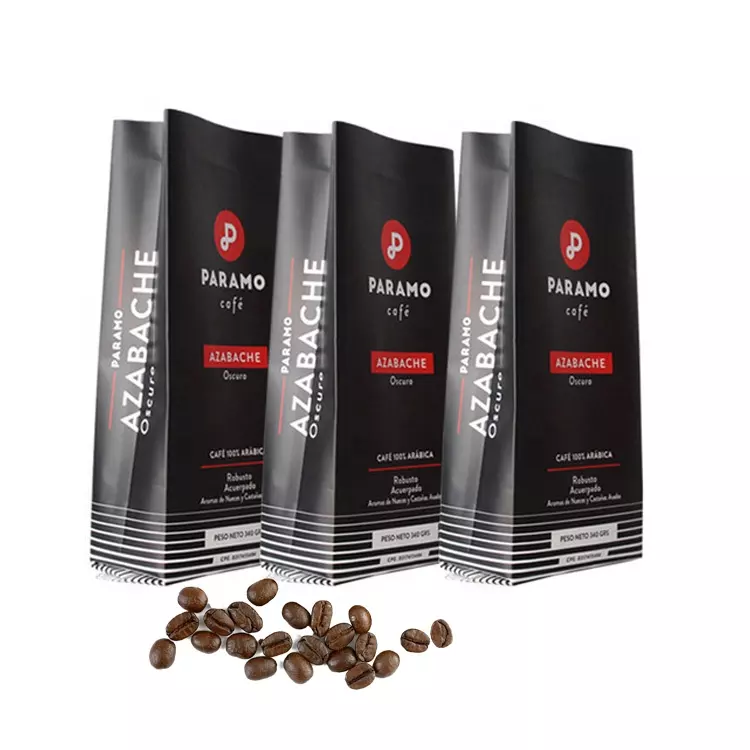
Having spent over a decade in the industrial equipment sector, I've quietly watched how recyclable bags for packaging have evolved from a niche eco-friendly option to something frankly vital in our day-to-day operations. So, while green packaging is the buzzword, understanding the nuts and bolts of these bags — the material durability, their recyclability, and how they fit into industrial workflows — is key.
Oddly enough, many engineers I know initially approach recyclable bags with a hint of skepticism. "Will they really hold up to the rigors of shipping?" “Is it worth the extra cost?” I hear these questions a lot. Over time, the answer is usually a reassuring yes — but like everything in this business, it depends.
Material Matters: What Makes a Bag Truly Recyclable
Most recyclable packaging bags are made from polyethylene (PE), often high-density (HDPE) or low-density (LDPE). This makes them lightweight and resistant to tears and punctures — which frankly, you can't compromise on, even for sustainability. The trick lies in ensuring these materials are not blended with non-recyclable additives. I've witnessed some suppliers introduce bio-based films or composite laminates, which complicate recycling despite being eco-minded attempts.
The best recyclable bags are tested under stringent industrial standards, often complying with ASTM D6400 or EN 13432 certifications for compostability and recyclability. We've done side-by-side trials where these bags outperform traditional polypropylene in reuse cycles while being easier to process once discarded.
Usage & Testing in Real Terms
In one memorable project, we supplied these recyclable bags to a midwestern agricultural equipment manufacturer. Their demand for robust yet responsible packaging was high. After some initial trialing, including drop tests and machine compatibility runs, they reported less packaging waste stuck in their recycling streams — a practical win. Plus, operators appreciated the bags’ improved breathability, preventing moisture buildup that can wreak havoc on metal parts.
| Specification | Details |
|---|---|
| Material | 100% recyclable HDPE or LDPE film |
| Dimensions | Customizable: 12" x 18" up to 36" x 48" |
| Thickness | 2 mil to 6 mil (50 - 150 microns) |
| Tensile Strength | Up to 35 MPa |
| Certifications | ASTM D6400, EN 13432 compliant |
Vendor Comparisons: What to Look For
When picking your supplier, it's tempting to focus primarily on price. However, the true worth of recyclable bags boils down to the vendor’s consistency, certification credibility, and customization options. I've juggled multiple vendors in my career, and the differences can be night and day.
| Supplier | Material Quality | Customization | Certifications | Lead Time |
|---|---|---|---|---|
| DSL Pack | Premium, consistent HDPE | High (sizes & prints) | ASTM D6400, EN 13432 | 2–3 weeks |
| GreenPack Solutions | Good, mixed LDPE blends | Medium (sizes only) | EN 13432 | 3–4 weeks |
| EcoWrap Inc. | Variable quality, bio-films | Low (limited options) | None verified | 1–2 weeks |
Looking back, the project with DSL Pack stood out not only for their premium recyclable bags but because their certifications were verifiable and their technical team helped adjust specifications to fit exactly what our clients needed. That sort of partnership is gold in industrial supply chains.
Final Thoughts — Why It’s Worth the Switch
You might think, "Plastic is plastic," but recyclable bags bring real benefits in handling, sustainability, and regulatory compliance. Switching isn’t just a green feather in your cap; it’s also often a cost saver after factoring in waste disposal and material reuse. Sure, it requires some upfront testing and training, but in return, you get packaging that works well for the environment and your bottom line.
So, if you're in the industrial packaging game, take a moment to evaluate which recyclable bags for packaging might fit your needs best. You may be pleasantly surprised how effective and reliable these bags have become.
— Jim H., Industrial Packaging Consultant, reflecting on years in the field
References:
1. ASTM International. (2021). ASTM D6400: Standard Specification for Compostable Plastics.
2. European Committee for Standardization. (2020). EN 13432: Packaging and the environment.
3. Smith, A. (2019). “Sustainability in Industrial Packaging.” Packaging Tech Journal.





- No. 6 Hefu Road, Hengjiang Industrial Zone, Gaoming District, Foshan, Guangdong Province,China
- Tel: 86-133 3649 8096
- Email:enid@bc-pak.com
-


