
Recyclable Spout Pouches: Practical Benefits & Industry Insights
Recyclable Spout Pouches: A Practical Look from Industry Experience
Having spent more than a decade knee-deep in the industrial equipment and packaging arena, I can tell you that recyclable spout pouches are quietly transforming how brands approach sustainable packaging. At first glance, they may seem like just another flexible pack, but there's a lot going on behind that slick design.
Let’s be honest: sustainability is more than buzzword fluff these days. The pressure to reduce plastic waste is real, and companies want their packaging solutions to reflect environmental responsibility without sacrificing performance. Recyclable spout pouches fit that niche rather well.
In my experience, the biggest hurdle for these pouches used to be the multilayer films needed for shelf stability and strength, which historically made recycling tricky. But industry advances, especially in mono-material films, have changed the game — making it easier for facilities to process the pouches alongside other plastics like polyethylene (PE).
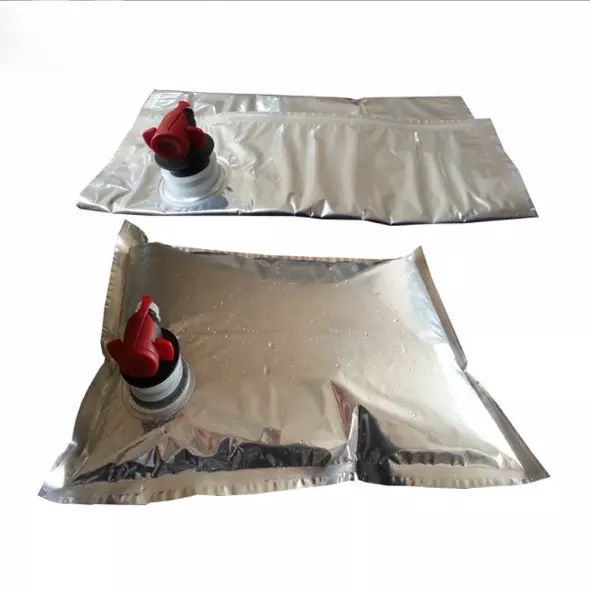
From a design perspective, what I always notice is how versatile these spout pouches are. Need a smaller DPI for child resistance? Or a wider spout for easier pouring? It's all feasible. Plus, the spout placement can vary — top, side, even bottom — depending on the product's viscosity and user convenience. Little things like this add up in real-world logistics and customer satisfaction.
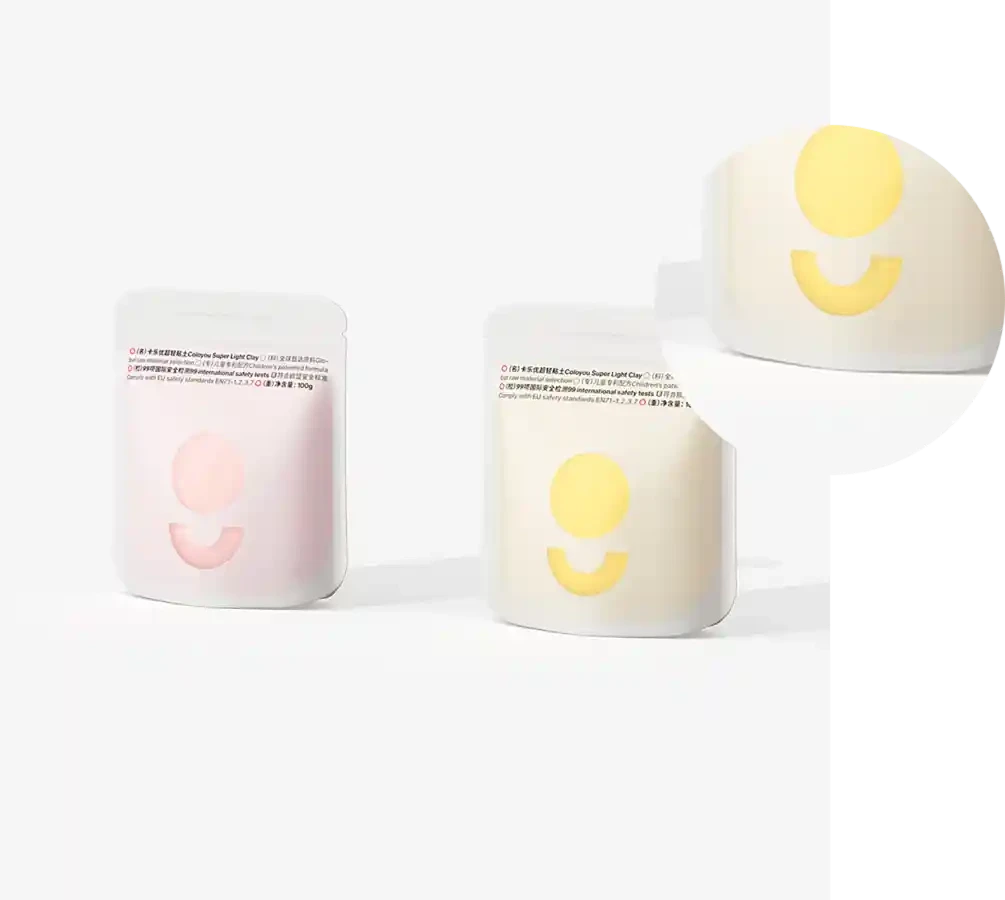
Take one mid-sized food brand I worked with recently. They switched to recyclable spout pouches for their sauces and noticed not only a 15% decrease in packaging weight but also fewer complaints about spills. The shelf appeal was an unexpected bonus — the clear window and matte finish gave a premium look that resonated with eco-conscious consumers.
Of course, it’s not all roses. Sometimes these recyclable pouches come at a slightly higher upfront cost, and acceptance by local recycling programs can vary. That’s why it's crucial for brand managers to verify regional recycling capabilities. But frankly, as processing tech improves, the ecosystem is catching up fast.
Product Specifications at a Glance
| Feature | Details |
|---|---|
| Material Type | Mono-material PE-based films |
| Spout Diameter | Available: 10mm - 32mm |
| Capacity | 50ml to 1000ml |
| Recyclability | Certified recyclable with standard municipal programs |
| Custom Printing | Up to 10 colors, flexographic and digital |
| Sealing Type | Heat sealed or zip-lock options |
Comparing Leading Vendors of Recyclable Spout Pouches
| Vendor | Material Quality | Customization Options | Eco-certifications | Typical Lead Times |
|---|---|---|---|---|
| DSL Pack | High-grade mono PE | Wide range, up to 10-color printing | Ifeu, FSC claims | 4-6 weeks |
| GreenPouch Co. | Mono PP blends | Limited colors, mostly standard sizes | BPI Certified | 6-8 weeks |
| EcoFlex Solutions | Recycled PE blend | Custom shapes & spout positions | Cradle to Cradle Gold | 5-7 weeks |
When I reflect on the journey spout pouches have taken, it’s clear they’re more than a trend. They represent a pragmatic shift toward packaging that respects the environment without complicating the supply chain. And oddly enough, despite their technical challenges, they offer a neat blend of customization and user-friendly features seldom found in rigid containers.
So, if you’re weighing packaging options right now — especially for liquid or semi-liquid products — it might be worth exploring just how recyclable spout pouches fit into your sustainability goals. They’re not perfect, but frankly, they’re one of the more promising flexible packaging formats out there.
Here’s to packaging smarter, not harder.
References:
1. Packaging Europe, “Trends in Recyclable Flexible Packaging”, 2023
2. Environmental Protection Agency (EPA), Plastics & Recycling Reports, 2023
3. DSL Pack Technical Datasheets and Product Catalog, 2024



- No. 6 Hefu Road, Hengjiang Industrial Zone, Gaoming District, Foshan, Guangdong Province,China
- Tel: 86-133 3649 8096
- Email:enid@bc-pak.com
-


