
Recycled Packing Material: 100% Recyclable, Custom Options
What’s Really Changing in Flexible Packaging (And Why It Matters)
If you’ve felt the ground shifting under packaging, you’re not imagining it. Brands want lower footprint, retailers want cleaner streams, and regulators… well, they want data. That’s why many buyers ask me first about Recycled Packing Material options that still look good on shelf and don’t fight the filling line.
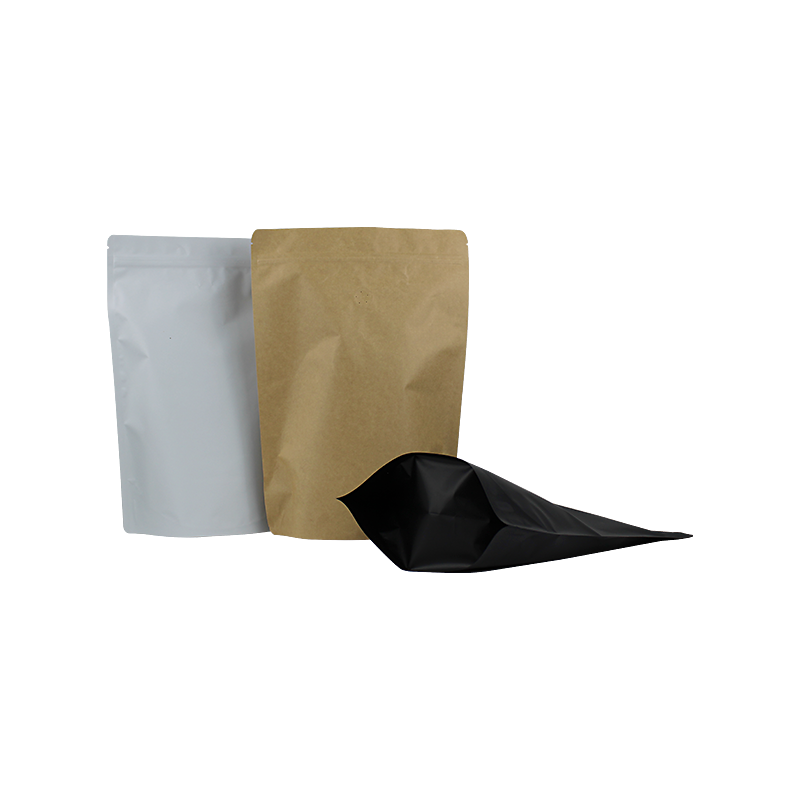
One of the more interesting launches lately is the 100% Recyclable Stand Up Pouch from DSL Pack (origin: No. 6 Hefu Road, Hengjiang Industrial Zone, Gaoming District, Foshan, Guangdong Province, China). It’s food-safe, EU/FDA compliant, and—importantly—customizable without turning your procurement calendar upside down.
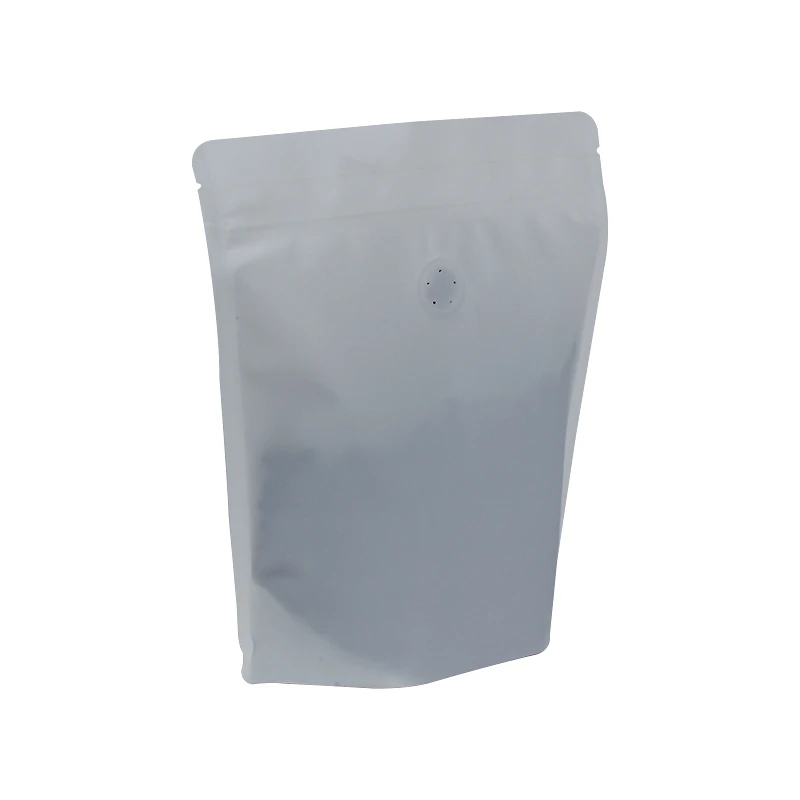
Industry snapshot
Trends I’m seeing: mono-material laminates to enable single-stream recycling, solvent-free lamination to cut VOCs, and a push for real barrier without foil. Retailers are nudging suppliers toward PE/PE or PP/PP structures; coffee and pet-food brands especially. Lead times are tightening. And yes, digital print for seasonal runs is back in vogue—again.
Process flow (how this pouch gets made)
- Materials: food-grade films such as PET/PA/AL/PE(CPP) or mono-PE alternatives; inks/adhesives compliant with EU 10/2011 and FDA 21 CFR.
- Film making: blown/cast extrusion; thickness tuned to product weight and drop resistance.
- Lamination: increasingly solvent-free; controlled nip pressure/temperature to avoid curl and maintain barrier.
- Printing: flexo or digital; matte/gloss, de-metalized windows optional.
- Pouch conversion: die-cut, zipper insertion, bottom gusset forming, heat-seal closure.
- Testing: per ASTM/ISO—seal strength, OTR/WVTR, migration, compression, and drop tests.
- QC + shipment: cartonized with edge protection; pallet wrap optimized for load stability.
Product specifications (typical)
| Material structure | PET/PA/AL/PE or mono-PE/PE (region-specific recycling streams). All food grade. |
| Thickness | ≈ 80–150 μm (real-world use may vary by SKU) |
| OTR (23°C, 0% RH) | ≤ 0.5 cc/m²·day with AL; ≈ 1–3 cc/m²·day with high-barrier mono-PE |
| WVTR (38°C, 90% RH) | ≤ 0.1 g/m²·day (AL); ≈ 0.5–1.5 g/m²·day (mono-PE) |
| Seal strength (ASTM F88) | ≥ 5 N/15 mm; good heat sealing performance |
| Service life | Typical shelf life 12–18 months depending on fill and barrier |
| Certifications | EU 10/2011, FDA 21 CFR food-contact; plants often align with BRCGS/ISO 22000 |
Applications and advantages
Use cases: coffee, snacks, pet treats, powdered nutrition, dry detergents, garden amendments. Benefits: lower mass versus rigid, printable billboard face, zipper convenience, and a credible path to store drop-off or PE stream (check your locale, to be honest).
Vendor comparison (indicative)
| Vendor | Recyclable structure | MOQ | Lead time | Certs | Notable strength |
|---|---|---|---|---|---|
| DSL Pack | PE/PE; PET/PA/AL/PE option | ≈ 10–20k | 3–5 weeks | EU/FDA; BRCGS-ready | Balanced cost/barrier |
| Vendor A | PP/PP mono | ≈ 30k | 4–7 weeks | EU/FDA | High clarity |
| Vendor B | PE/PE EVOH | ≈ 15k | 5–6 weeks | EU/FDA | Great oxygen barrier |
Customization (what teams usually tweak)
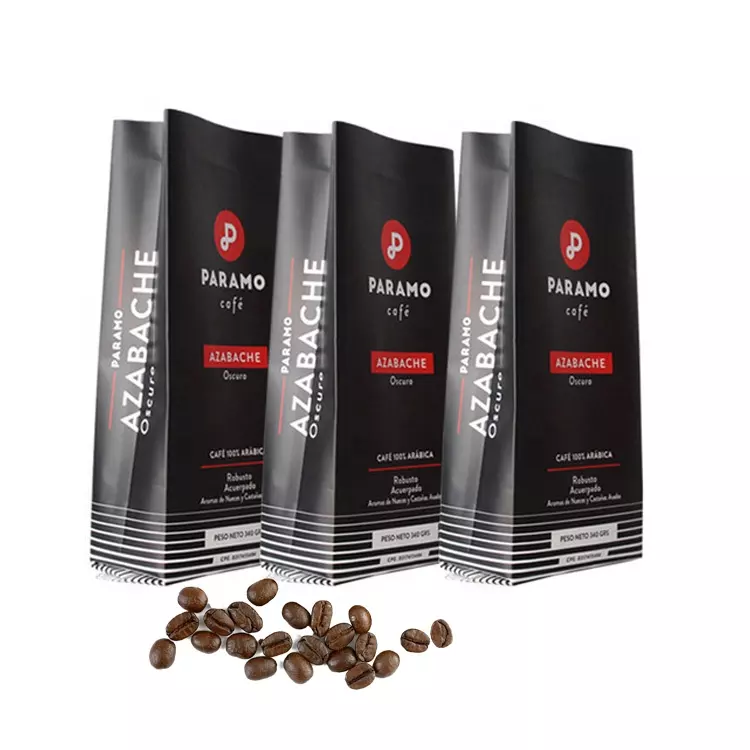
Sizes from 100 g to 5 kg, zippers or Velcro-style closures, degassing valves for coffee, spouts, hang holes. Print via flexo or digital; matte or gloss. To be honest, MOQ and color targets decide a lot here.
Real-world notes
A mid-size coffee roaster swapped in mono-PE stand-ups: OTR ≈ 2 cc/m²·day with valve kept beans fresh 6+ months; case damage dropped 11% thanks to thicker bottom gusset. Another snack brand reported 9% logistics weight savings. “Print looks sharper than we expected,” their ops lead told me—pleasant surprise.
Testing and compliance
Common methods: ASTM D882 (tensile), F88 (seal), D3985 (OTR), F1249 (WVTR), ISTA 3A (drops/compression). Food-contact: FDA 21 CFR and EU 10/2011. Many facilities align with BRCGS Packaging and ISO 22000. Always validate on your own line; real-world use may vary.
References
- ASTM International: D3985, F1249, F88, D882 test methods.
- EU Regulation No. 10/2011 on plastic materials intended to come into contact with food.
- U.S. FDA 21 CFR Parts 170–199 (Indirect food additives; polymers).
- BRCGS Global Standard for Packaging Materials, Issue 6.



- No. 6 Hefu Road, Hengjiang Industrial Zone, Gaoming District, Foshan, Guangdong Province,China
- Tel: 86-133 3649 8096
- Email:enid@bc-pak.com
-


